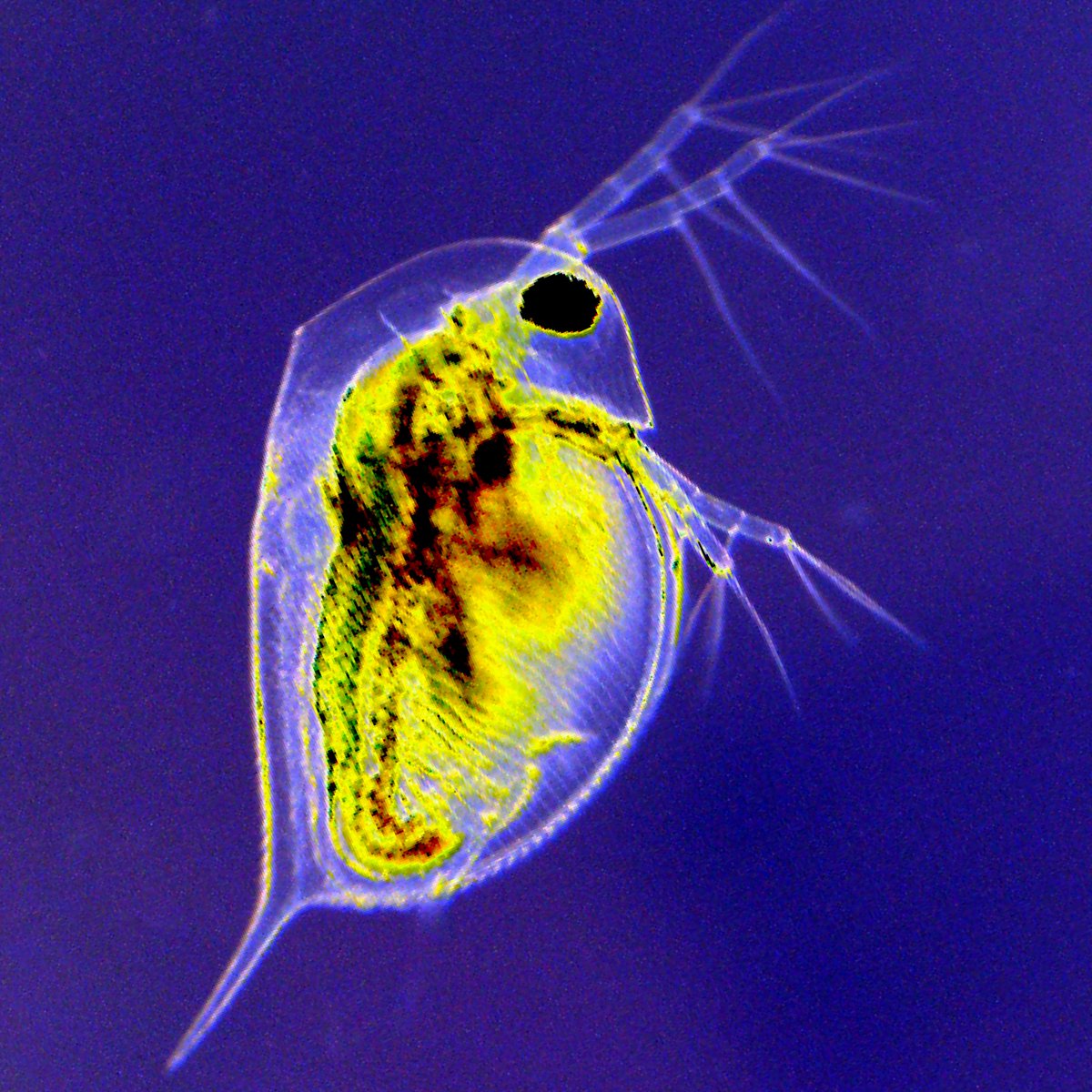
🔬#PhDposition@LeibnizIGB! "#Microbiome-Mediated Adaptation of #Daphnia to Pollution" Are you enthusiastic about evolutionary and microbial ecology, especially in the context of #UrbanEcology? Join our dynamic interdisciplinary project. Apply by 18/12/23: https://t.co/kKNN3J0dOE
Congratulations to the #WPY59#WildlifePhotographerOfTheYear Laurent Ballesta!🏆
His otherworldly image brings us below the waves to a living fossil - a tri-spine horseshoe crab. This species has survived over 100 million years but now faces extinction #WPY59#WPYAwards@NHM_WPY
You'll have to climb up ALL the stairs NOW to get the good evolution content in LH6: sex, clocks, and phenotypic plasticity!
Kim Rohlfing
Alexander Brandt, @DagmarFrisch, Athina Karapli-Petritsopoulou, @OrtizMovliavC, R. Reshma, @jule_neu
@CarolinMPeralta#dzg23
Katastrofa na Odrze: naukowe połowy jasno pokazują brak oznak odbudowy populacji ryb.
Ryb jest mało, a poziom zasolenia rzeki nadal zbyt wysoki >
https://t.co/JrFlM6UROi
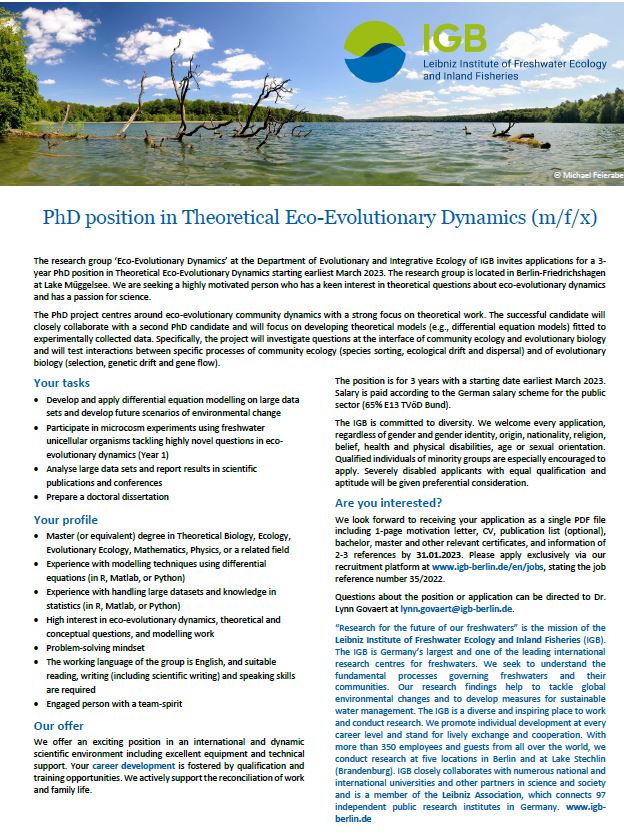
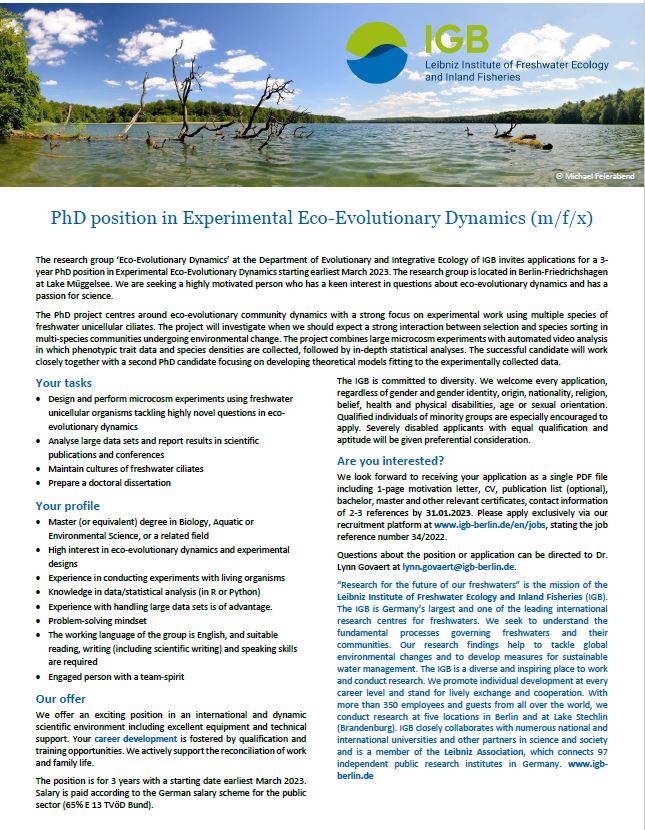
Happy to announce that I will be recruiting two PhD students in 2023 working on questions in eco-evolutionary dynamics. Job ads attached. Feel free to retweet or share with those you think could be interested in these positions.
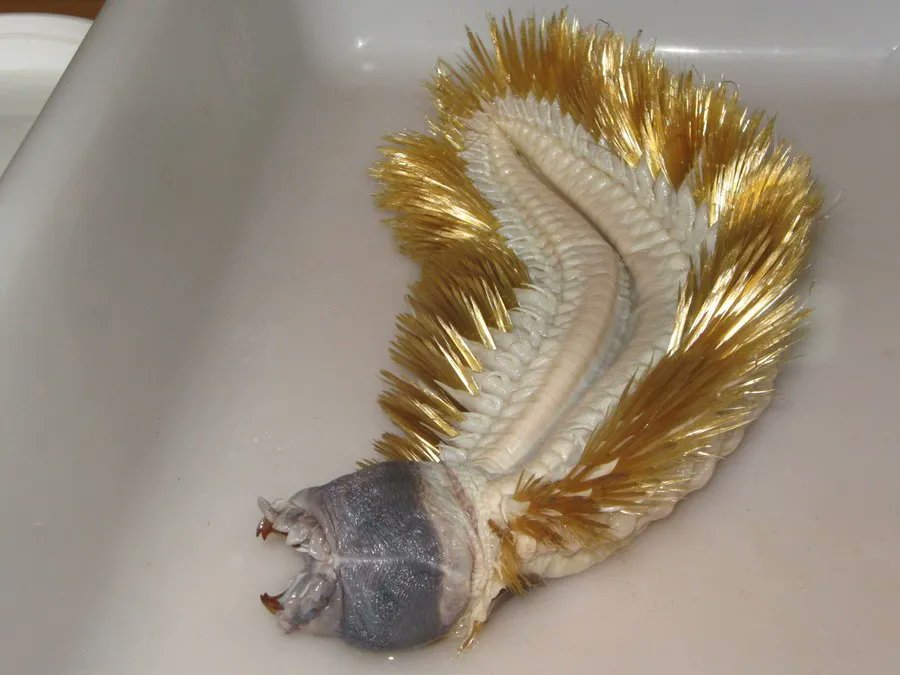
An Antarctic giant for you today: the scale worm Eulagisca gigantea. This awesome worm is covered in scales (not in pic, which is the underside of the worm) and golden chaetae (the chitinous bristles that polychaetes are named for). #NoVERMber
📸Matthew Brown / NIWA
Excited to share our work studying the evolutionary forces that shape genetic variation in phenotypic plasticity using Daphnia. Led by @DoertheBecker
and in collaboration with @beckerhopper
https://t.co/FsYbQrrrjs
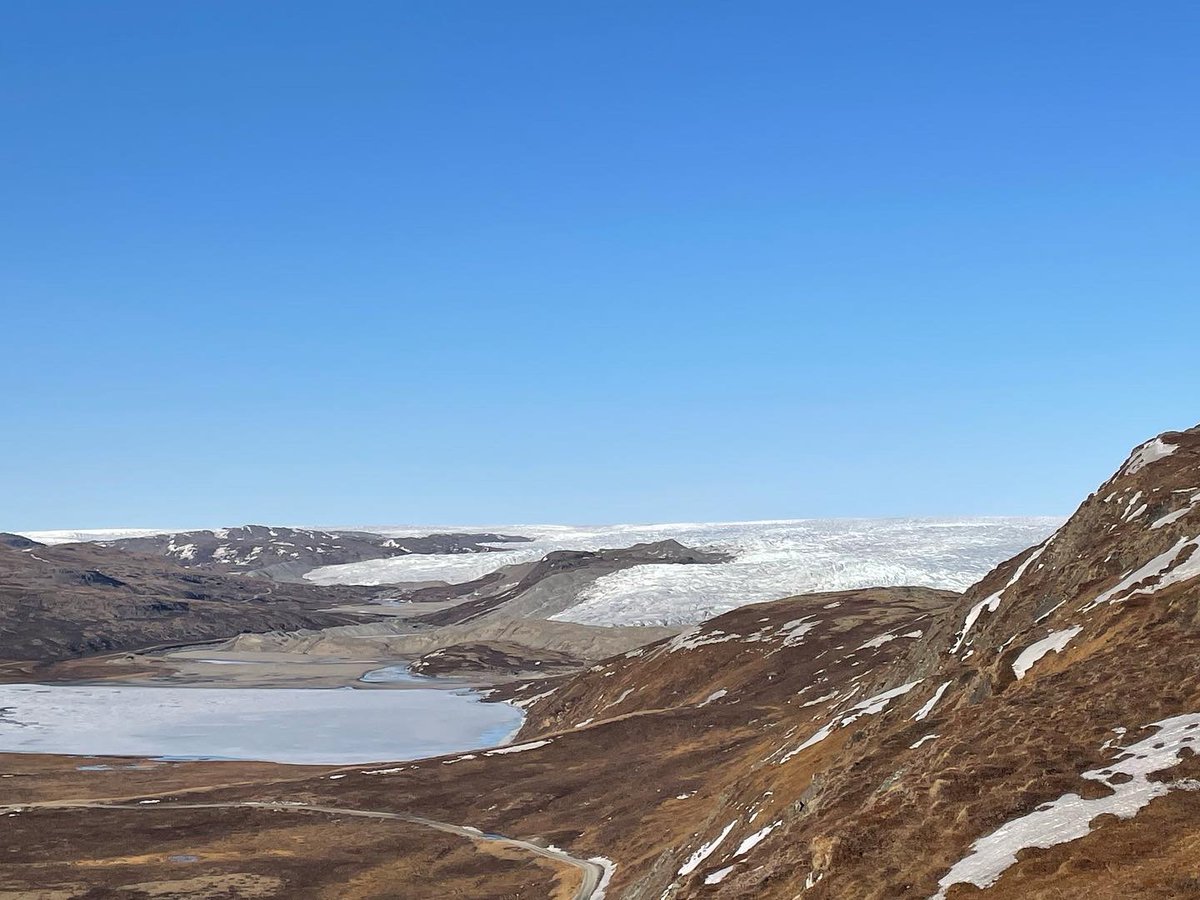
Summer sampling in Greenland completed! With such an amazing team nothing can go wrong: Athena Karapli-Petritsopoulou (project PhD student @LeibnizIGB), James Shilland (UCL) and @DoertheBecker (left to right). We all had a memorable few days 🙃 - thank you so much!
@jhpantel the sugar flotation will probably not work - their antennae get entangled - I also pick by hand (did this with copepods which are even more "sticky" than Daphnia :))
@MIZ_BIOS We are starting from the top sediment, so probably quite recent but it is good to know that it works with the hatching conditions we are offering