The biggest shift in my prayer life was moving from desperation to authority.
There was a time I thought prayer was about begging God…
Crying louder, fasting longer, hoping maybe heaven would notice me.
But then light came.
God is not asking us to beg…
He is asking us to believe.
Begging comes from uncertainty.
Authority comes from revelation.
When you don’t know who you are in Christ, you will pray like a victim.
When you know who you are, you will pray like a son.
The Bible says:
“Let us therefore come boldly unto the throne of grace…” (Hebrews 4:16)
Not crawling.
Not shrinking.
Boldly.
Why? Because you are not a stranger trying to gain access…
You are a child who already belongs.
Listen—prayer is not convincing God to do what He is reluctant to do.
Prayer is enforcing what He has already made available in Christ.
That’s why you will never pray amiss if you pray scriptures.
Because when you pray scriptures, you are not speaking your emotions…
You are speaking His will.
“And this is the confidence that we have in him, that, if we ask any thing according to his will, he heareth us.” (1 John 5:14)
Scriptures reveal His will.
So when you pray the Word, heaven has no option but to respond.
Instead of saying:
“Lord… please help me, I don’t know what to do…”
You rise and declare:
“The Lord is my shepherd; I shall not want.” (Psalm 23:1)
Instead of saying:
“God, I’m afraid…”
You stand on His Word:
“For God has not given me the spirit of fear; but of power, and of love, and of a sound mind.” (2 Timothy 1:7)
Instead of begging for victory, you declare:
“In all these things we are more than conquerors through him that loved us.” (Romans 8:37)
This is the difference.
Desperation prays from lack.
Authority prays from finished work.
Jesus already paid the price.
He already secured the victory.
You are not trying to win…
You are enforcing what has been won.
So when you pray, don’t come like someone trying to persuade God.
Come as one who knows:
“I have access.”
“I have backing.”
“I have authority in Christ.”
Let your prayers be filled with Word.
Let your mouth speak what heaven has already said.
Because when God hears His Word in your mouth…
He confirms it.
Stop begging.
Start believing.
Stop pleading.
Start declaring.
You will never pray amiss…
If you pray scriptures.
New York subway rule: Dogs must be "carried in a bag" when boarding.
As a result, this regulation has directly sparked a creativity contest among New Yorkers..
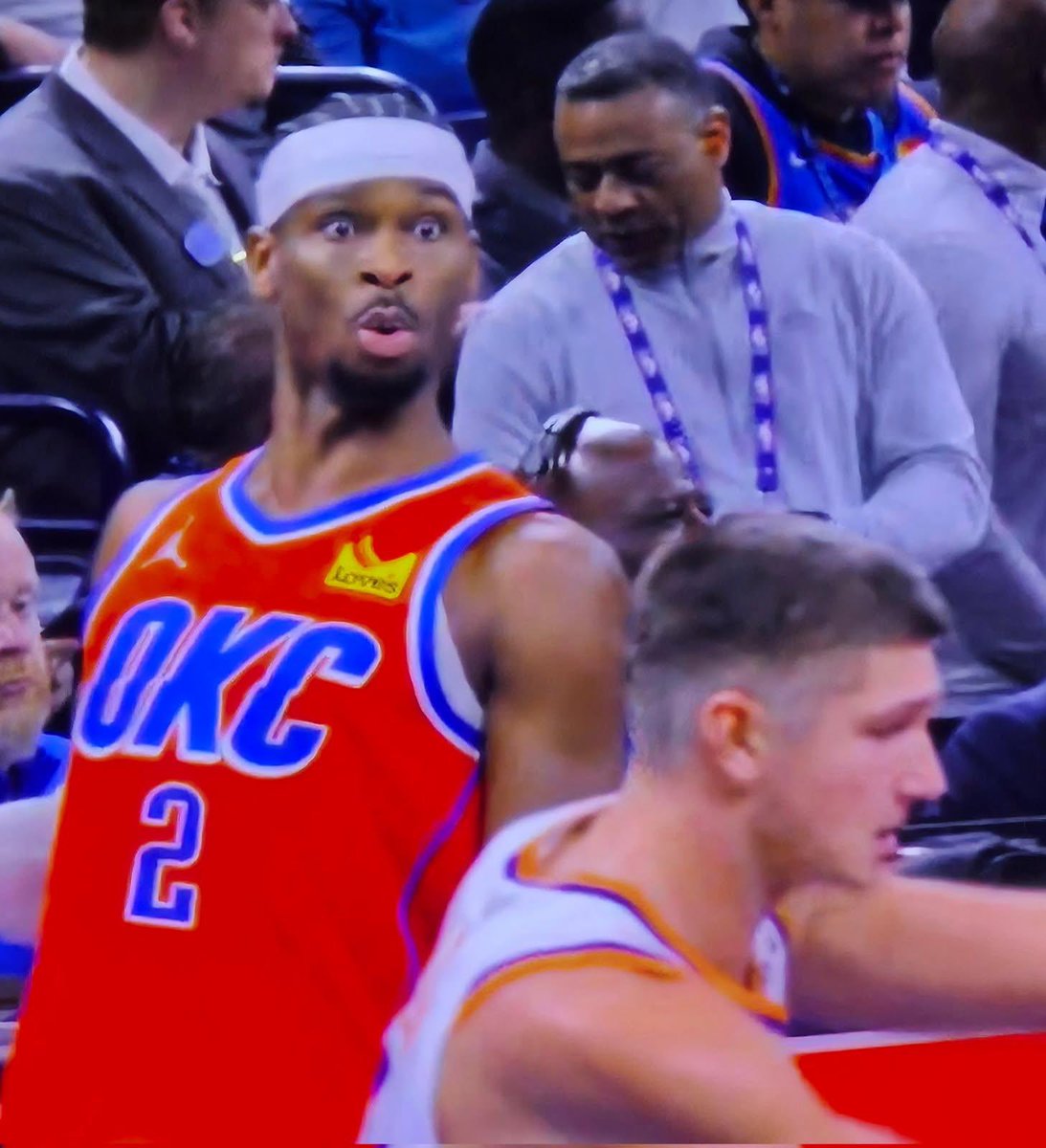
A NBA simplesmente lançou um COMPILADÃO dos arremessos mais frios e DECISIVOS da carreira do Shai Gilgeous-Alexander.
Tirei os replays e cortei pra 5 para vocês apreciarem SEM moderação:
Here are some really cool things every Christian should know about Easter. It comes from Leviticus -- the Hebrew Festivals:
Three springtime festivals:
1. "Passover" commemorates the substitutionary sacrifice made to protect Israel from the final strike on Egypt (death of the firstborn) that resulted in Israel's redemption from bondage. (Also, the lamb without imperfection was chosen four days earlier.)
2. "Unleavened Bread" commemorates the day redemption began for Israel and their hurried departure from oppression in Egypt - bread was made without yeast.
3. "Firstfruits" celebrates the hope for and anticipation of the coming harvest. It occurs on Sunday during Passover week.
One summer festival:
4. "Weeks" commemorates Moses receiving the Torah on Mount Sinai, and celebrates the harvest in progress. Moses told Israel to write God’s laws in their hearts and minds.
Three fall festivals:
5. "Trumpets" signifies a call to Israel for sacred assembly.
6. "Day of Atonement" is the day the High Priest entered the Most Holy Place in the Temple with sacrificial blood for cleansing the priesthood and the temple, and for forgiveness of sin.
7. "Booths" commemorates the journey of Israel from Egypt to the Promised Land, and celebrates the completed harvest.
So here's the cool part...the entire sequence of Christ's death, burial and resurrection, and the coming of the Holy Spirit to indwell in man, occurred precisely on the appropriate Biblical Festival days:
1. Jesus was crucified on "Passover" - the substitutionary sacrifice that protects us and frees us from the bondage of sin. (While Jesus was on the cross, just outside the Temple, over 200,000 lambs were being sacrificed at the Temple to commemorate Israel's freedom from bondage). Palm Sunday was four days before Passover - the perfect Passover Lamb was selected.
2. Jesus was placed in the tomb as "Unleavened Bread" began. Bread without yeast symbolizes Jesus' death and burial without sin - when our redemption began.
3. Jesus arose on Sunday, which was "Firstfruits" - the Resurrection is the beginning of the harvest of Believers.
4. The Holy Spirit came to dwell in Believers on "Weeks". The Greek translation of this Festival is "Pentecost" - when the Holy Spirit was given to write God's instruction in our hearts and minds - the harvest was in progress.
...that leaves three more festivals... 5. a trumpet call to sacred assembly... 6. the final cleansing of the spiritual priesthood and temple (us) and the final atonement for sin... and 7. a celebration of the completed harvest and final entry into the spiritual Promised Land.
Happy Easter (Firstfruits)!
All I want for my birthday today is for you to forward this post: "For God so loved the world that He gave His only begotten Son, that whosoever believes in Him should not perish, but have everlasting life." -John 3:16
This is now the Number One song, across all charts, about me. Such an unexpected honor!
Donald Trump Truth Social 11:20 AM EST 09/20/24 @realDonaldTrump
Most of us have heard that Jesus gave himself as a sacrifice for sin. We can learn more about what that means by learning about the sacrifices in Leviticus. Instead of focusing on the ritual practices, focus on their purpose. The Passover sacrifice was a zevah pesach (protective sacrifice). In Leviticus, God added the olah (meant to draw us near to God), the minchah (for thanksgiving and allegiance), the zevah shelamim (for peace and overall spiritual well-being),the hatta’at (for purification), and the asham (for reparation). Other sacrifices were made on the Day of Atonement to cover or provide pardon for sins. See how the sacrifices address not only our sinful behavior, but also our sinful condition (sinful nature). Jesus’ sacrifice not only protects us, it draws us near to God, allows us to thank and pledge allegiance to God, brings us peace and spiritual well-being, purifies us, makes reparation for our sins, and atones for (covers) our sin. Jesus said the Torah is about him (Jn. 5:46). Jesus said he came to fulfill the Torah (Mt. 5:17), that is, fill it to its fullest meaning. On what we call Good Friday, Jesus brought all OT sacrifice to its fullest meaning. Happy Easter everyone! 🙏🏻
Here are some really cool things every Christian should know about Easter. It comes from Leviticus -- the Hebrew Festivals:
Three springtime festivals:
1. "Passover" commemorates the substitutionary sacrifice made to protect Israel from the final strike on Egypt (death of the firstborn) that resulted in Israel's redemption from bondage. (Also, the lamb without imperfection was chosen four days earlier.)
2. "Unleavened Bread" commemorates the day redemption began for Israel and their hurried departure from oppression in Egypt - bread was made without yeast.
3. "Firstfruits" celebrates the hope for and anticipation of the coming harvest. It occurs on Sunday during Passover week.
One summer festival:
4. "Weeks" commemorates Moses receiving the Torah on Mount Sinai, and celebrates the harvest in progress. Moses told Israel to write God’s laws in their hearts and minds.
Three fall festivals:
5. "Trumpets" signifies a call to Israel for sacred assembly.
6. "Day of Atonement" is the day the High Priest entered the Most Holy Place in the Temple with sacrificial blood for cleansing the priesthood and the temple, and for forgiveness of sin.
7. "Booths" commemorates the journey of Israel from Egypt to the Promised Land, and celebrates the completed harvest.
So here's the cool part...the entire sequence of Christ's death, burial and resurrection, and the coming of the Holy Spirit to indwell in man, occurred precisely on the appropriate Biblical Festival days:
1. Jesus was crucified on "Passover" - the substitutionary sacrifice that protects us and frees us from the bondage of sin. (While Jesus was on the cross, just outside the Temple, over 200,000 lambs were being sacrificed at the Temple to commemorate Israel's freedom from bondage). Palm Sunday was four days before Passover - the perfect Passover Lamb was selected.
2. Jesus was placed in the tomb as "Unleavened Bread" began. Bread without yeast symbolizes Jesus' death and burial without sin - when our redemption began.
3. Jesus arose on Sunday, which was "Firstfruits" - the Resurrection is the beginning of the harvest of Believers.
4. The Holy Spirit came to dwell in Believers on "Weeks". The Greek translation of this Festival is "Pentecost" - when the Holy Spirit was given to write God's instruction in our hearts and minds - the harvest was in progress.
...that leaves three more festivals... 5. a trumpet call to sacred assembly... 6. the final cleansing of the spiritual priesthood and temple (us) and the final atonement for sin... and 7. a celebration of the completed harvest and final entry into the spiritual Promised Land.
Happy Easter (Firstfruits)!