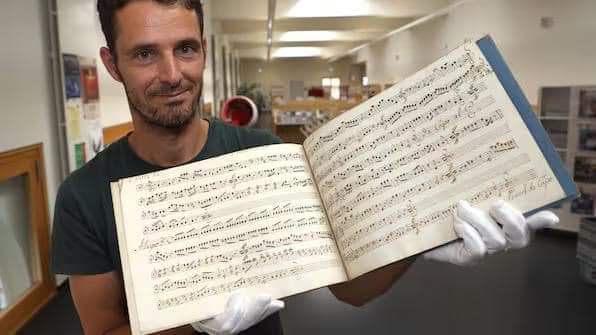
UNKNOWN MOZART PIECE DISCOVERED IN GERMAN LIBRARY
A previously unknown composition by Wolfgang Amadeus Mozart was uncovered in Leipzig
The piece, likely written in his early teens during the 1760s, consists of seven miniature movements for a string trio and lasts about 12 minutes
🎂 Today we celebrate the birthday of legendary composer Aram Khachaturian.
Known for masterpieces such as Sabre Dance, Spartacus, and Gayane, he brought Armenian musical traditions to audiences around the world and became one of the most recognizable voices of the 20th century.
FRANZ VON SUPPÉ — Born April 18, 1819.
The father of Viennese operetta.
Before Johann Strauss II. Before Franz Lehár. Before "The Merry Widow" — there was Suppé.
Born in Split (modern-day Croatia) with Italian-Belgian roots, he moved to Vienna and became one of the best.
Two Giants, One Birthday! 🎂🎂
On this day, we celebrate two of the greatest composers:
Johann Sebastian Bach (1685) The father of Western music. Master of counterpoint, fugue, and everything in between. His music is the foundation upon which all of classical music stands.
Amy Beach (1867-1944) — The first major American female composer. Her "Gaelic" Symphony was the first symphony composed and published by an American woman.Who's your favorite female composer? 👇
Celebrating Women's History Month!🎶✨
These three incredible women broke every barrier to leave their mark on classical music:
Clara Schumann (1819-1896) — One of the most distinguished pianists of the Romantic era. She composed, performed, and edited her husband Robert's
works — all while raising 8 children.
Fanny Mendelssohn (1805-1847) — Felix's older sister was equally gifted. She wrote over 460 pieces, many published under her brother's name because society wouldn't accept a female composer.
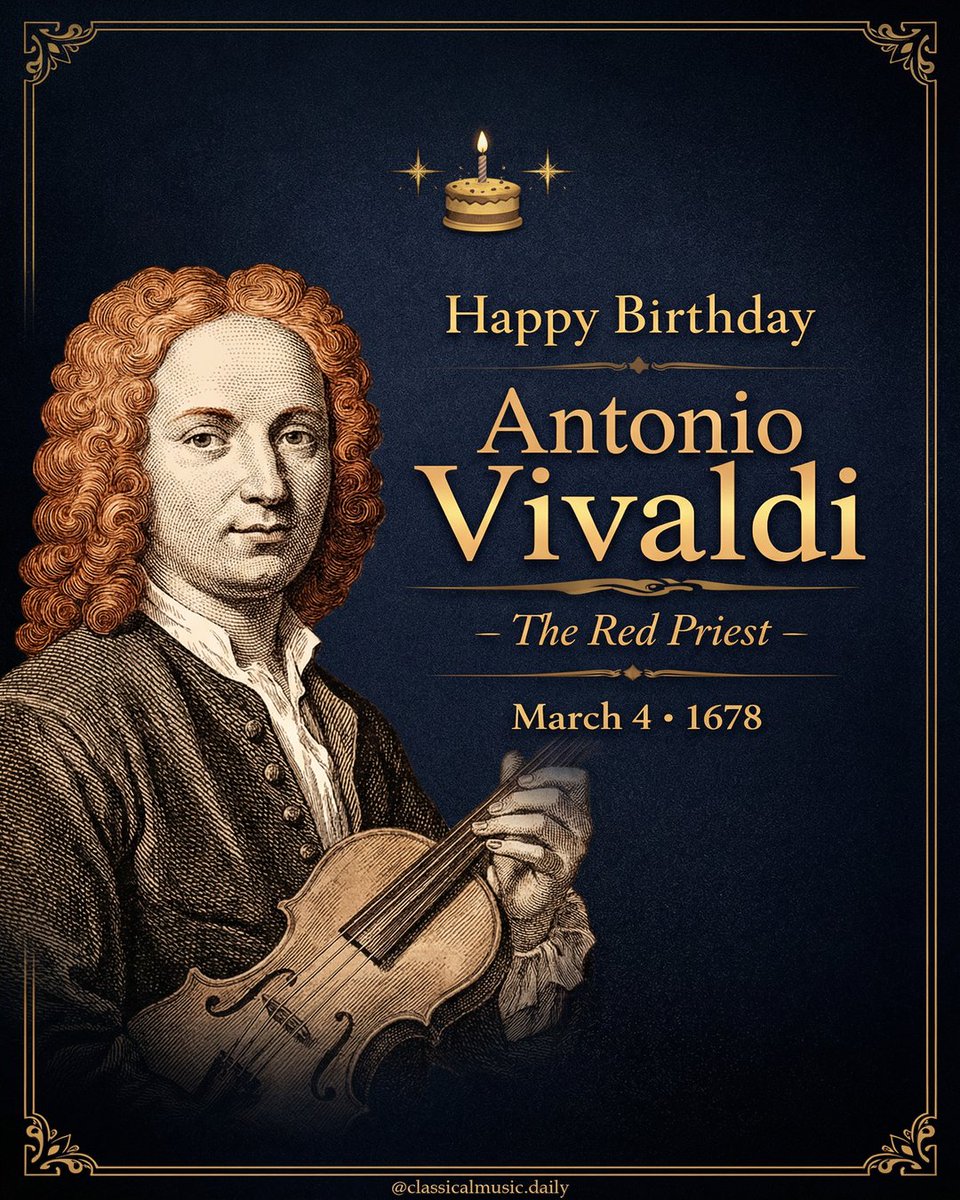
Born on this day in 1678 — Antonio Vivaldi. 🎻Known as "Il Prete Rosso" (The Red Priest), Vivaldi composed over 500 concertos and gave us one of the most iconic works in all of classical music: The Four Seasons.
A virtuoso violinist, a revolutionary composer, and a Baroque Maste
First of all, can we call it “Schrödinger’s Fermata”?
At the end of Mahler’s 9th Symphony, the music doesn’t really end. It suspends itself.
Gustav Mahler marks the final tempo as Adagissimo — slower than time itself seems willing to move.
The word “ersterbend” (full article👇🏻)