Officers of the Prime Minister’s Office congratulated PM @narendramodi on becoming the longest serving democratically elected Prime Minister of India in consecutive terms. Over the last twelve years, he has provided leadership characterised by stability, transparency and a steadfast commitment to good governance, inclusive development and national progress.
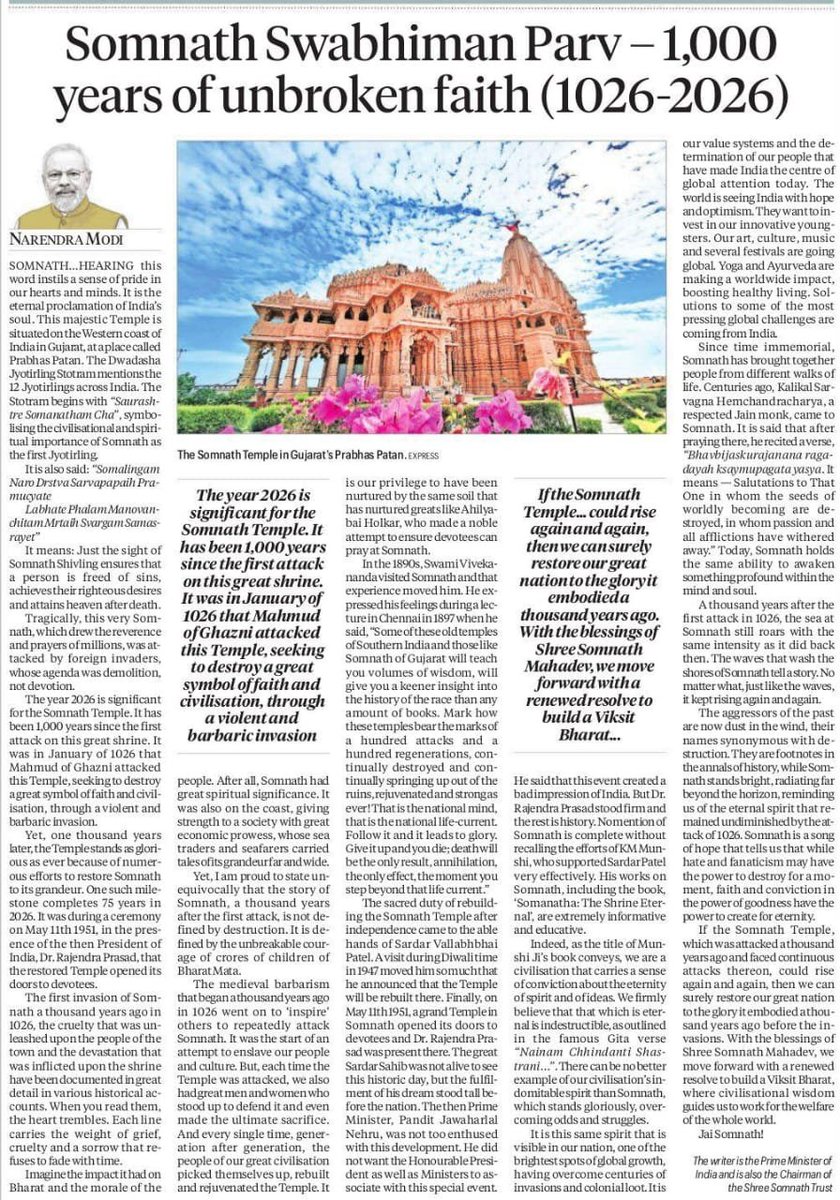
There is a reason India endures.
Not because she was spared history,
but because she faced it again and again.
PM Modi’s OpEd marking 1,000 years since Mahmud of Ghazni’s attack on Somnath is not merely about a temple. It is about a truth Marxist history deliberately underplayed: India resisted imperial and religious conquests longer, harder, and more continuously than any civilisation on earth and eventually is the only civilisation left standing.
When Arabic imperialism swept through the Middle East, Persia collapsed within a generation. Ancient faiths vanished.
When Arab armies crossed North Africa, entire regions were transformed and 'cradles of civilisations' fell permanently.
When they entered Europe, Iberia fell swiftly and remained conquered for centuries.
But India did not fall.
From the very first Arab naval raids in the 7th century, repelled in Thana and Broach, to the destruction of Arab forces in Kikan (662 CE), even the first four Caliphs failed to secure victory in Hind.
When Muhammad bin Qasim finally entered Sindh (712 CE), Raja Dahir resisted in open battle and within two years of Qasim’s recall, Arab rule collapsed, reduced to a thin coastal strip.
And then began something unique in world history: a relay of resistance across regions and centuries.
• Pulakeshin Avanijanashraya crushed Arab armies at Navasari (738 CE), permanently blocking their entry into the Deccan.
• Nagabhata I of the Gurjara-Pratiharas stopped Arab expansion into central India, earning recognition even from Arab chroniclers as Islam’s fiercest foe.
• Lalitaditya Muktapida of Kashmir, allied with Yasodharman, drove Arab forces back from the northern frontiers.
When Turkic invasions followed:
• The Hindu Shahis, Jayapala and Anandapala, confronted Mahmud of Ghazni repeatedly, forming confederacies of north Indian rulers and inflicting his stiffest resistance at Waihind (1008 CE).
• Raja Bhoja of Malwa was so formidable that Mahmud avoided central India entirely, retreating through deserts rather than face him.
When the Ghurids arrived:
• Naikidevi of Gujarat defeated Muhammad Ghori in 1178 CE, halting his advance for years.
• Prithviraj Chauhan smashed Ghori at the First Battle of Tarain (1191), shattering the myth of Turkic invincibility.
When the Delhi Sultanate tried to consolidate:
• Rana Hammir Singh, Rana Kumbha, Rana Sanga and Maharana Pratap turned Mewar into a centuries-long fortress of resistance.
• Rudrama Devi and Prataparudra of the Kakatiyas forced Alauddin Khalji and Malik Kafur into repeated, costly campaigns.
• Veera Ballala III of the Hoysalas delayed southern conquest.
• Harihara I and Bukka Raya I founded Vijayanagara, which under Krishnadevaraya became the principal Hindu bulwark against Deccan Sultanates for over 200 years.
In the east and northeast:
• Narasimhadeva I of Odisha crushed Sultanate forces at Katasin.
• King Prithu of Kamrupa stopped Bakhtiyar Khilji at Assam’s gates.
• Lachit Borphukan and the Ahoms defeated Mughal forces at Saraighat (1671) — a decisive halt to Mughal expansion.
And then came the great reversal.
• Chhatrapati Shivaji Maharaj dismantled Mughal authority through fort, forest and mobility.
• Aurangzeb spent 27 years in the Deccan and failed.
• By the 18th century, the Marathas reduced the Mughals to vassals, controlling Delhi itself.
Finally, in the northwest:
• Guru Gobind Singh militarised resistance through the Khalsa.
• Banda Singh Bahadur broke Mughal power in Punjab.
• Maharaja Ranjit Singh not only ended Afghan dominance, he expanded Indian sovereignty west of the Indus, something we achieved after more than 1500 years.
This is why India is unique.
Empires came.
Thrones fell.
But India was never conquered as a civilisation.
Somnath was destroyed and rebuilt.
Again and again.
And a thousand years later, India stands free, Civilizationally self-aware, Sanatan in spirit, sovereign in destiny.
Many invaders came.
Many empires vanished.
Bharat remains as the oldest and the only continuously living civilisation in human history.
Somnath truly represents the unyielding nature of our people, our values, our grit, our determination and our civilisation.
#SomnathSwabhimanParv
What a story: 33yo Matija Pecotic, who has a full-time job as the Director of Capital Markets for a real estate investment company, beats former top 10 Jack Sock 4-6, 6-2, 6-2 for his first career ATP win. Already had a couple of great wins in qualifying. Incredible!
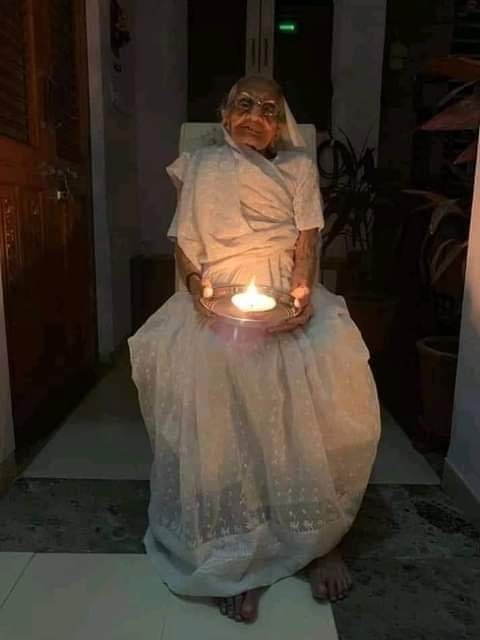
शानदार शताब्दी का ईश्वर चरणों में विराम... मां में मैंने हमेशा उस त्रिमूर्ति की अनुभूति की है, जिसमें एक तपस्वी की यात्रा, निष्काम कर्मयोगी का प्रतीक और मूल्यों के प्रति प्रतिबद्ध जीवन समाहित रहा है।
A glimpse into the past as PM Modi visits Himachal for the Yuva Vijay Sankalp Rally.
Modi helped revitalize the BJP's fortunes in Himachal Pradesh as state in-charge. Numerous treks were undertaken by him, including one to Bijli Mahadev.
[Bijli Mahadev Temple, Himachal Pradesh]
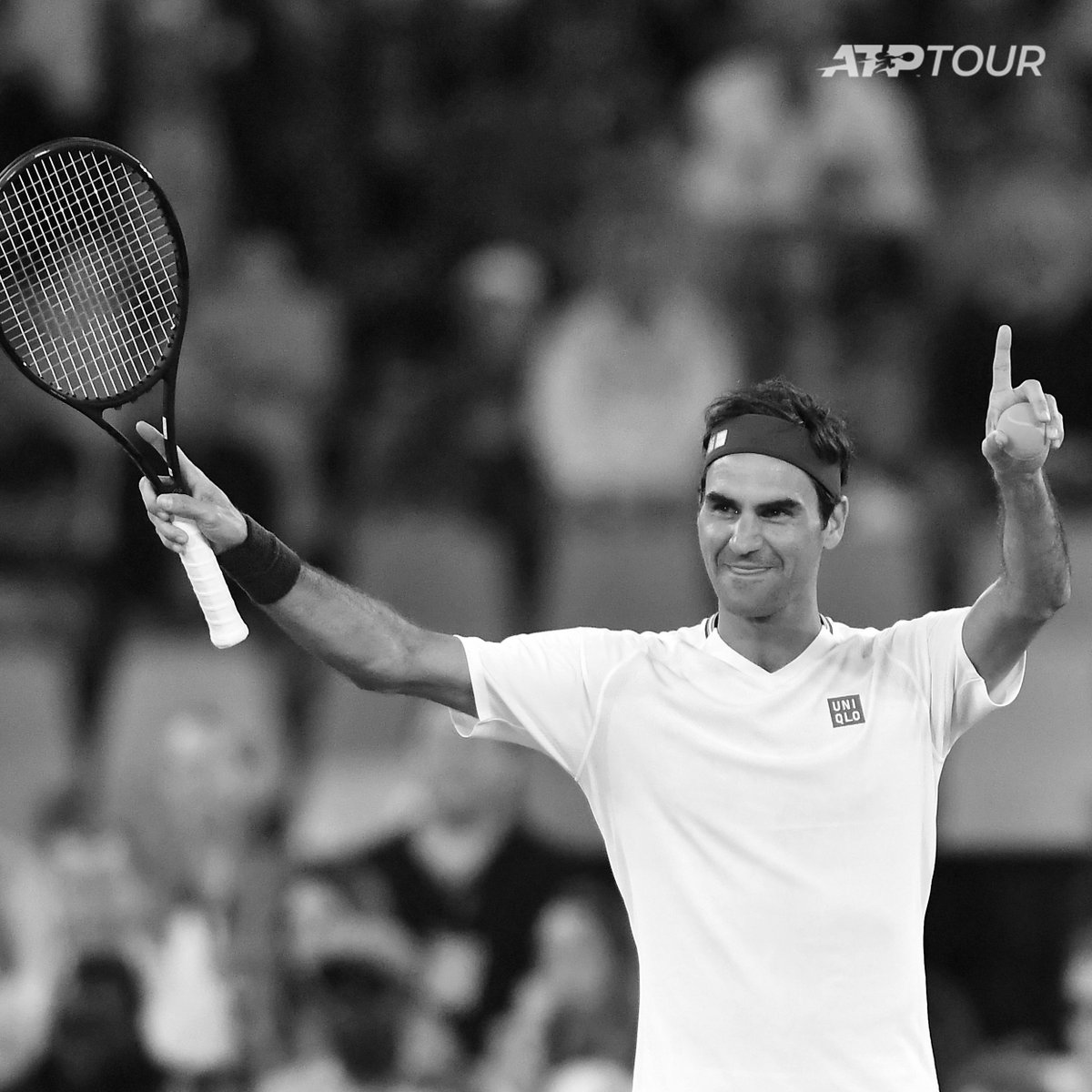
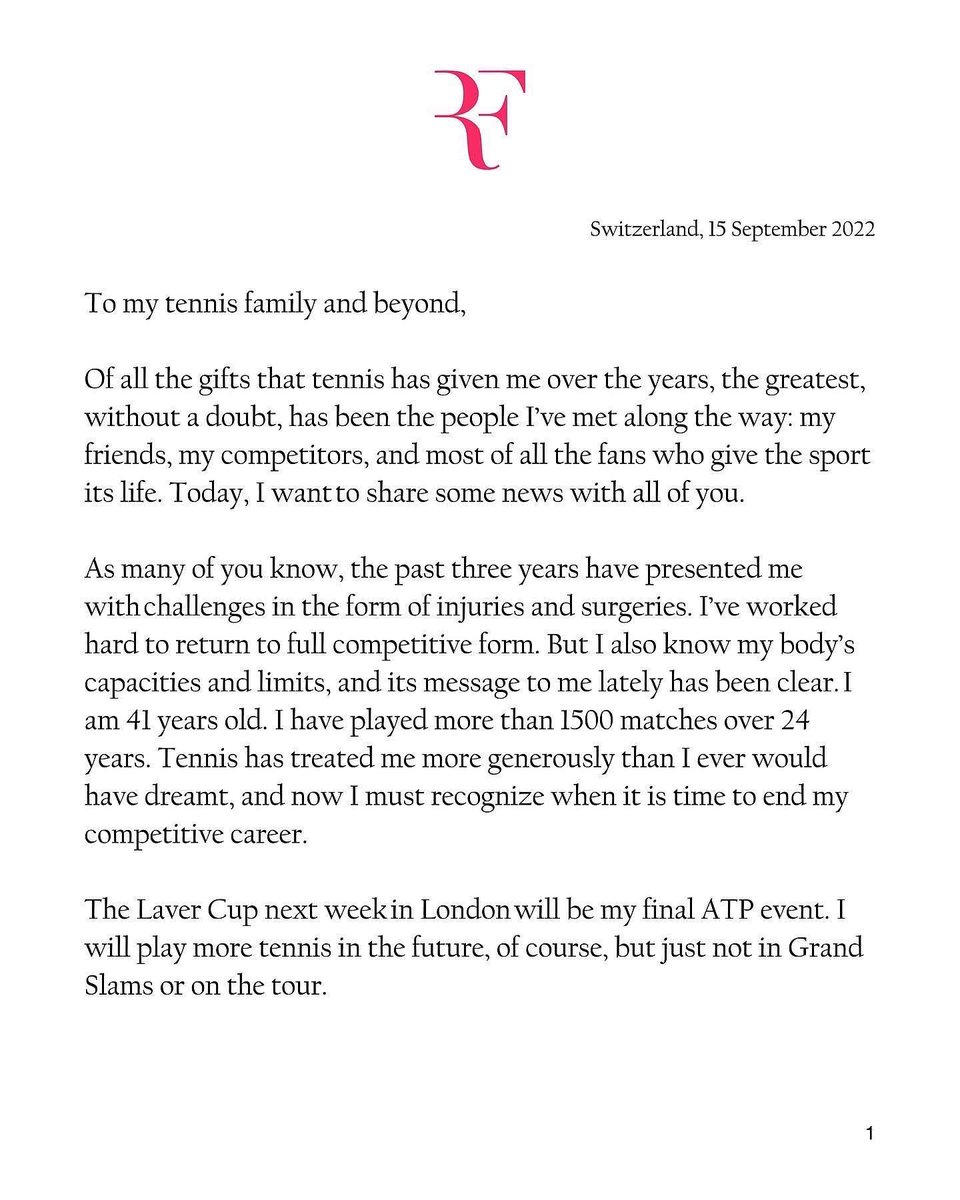
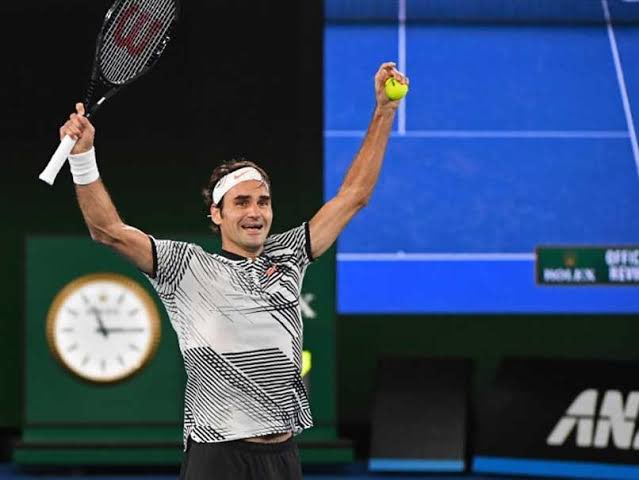
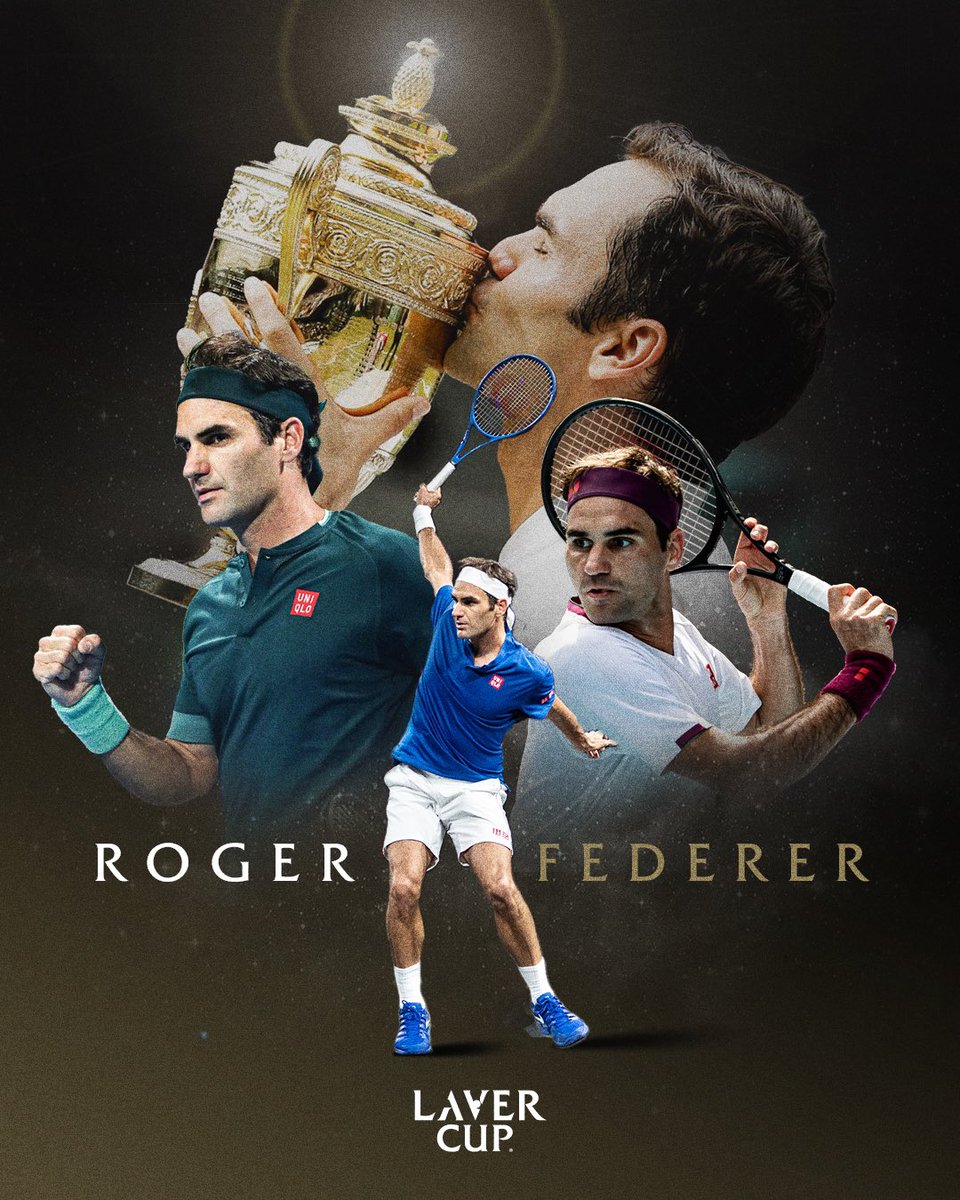
What a career, @rogerfederer. We fell in love with your brand of tennis. Slowly, your tennis became a habit. And habits never retire, they become a part of us.
Thank you for all the wonderful memories.
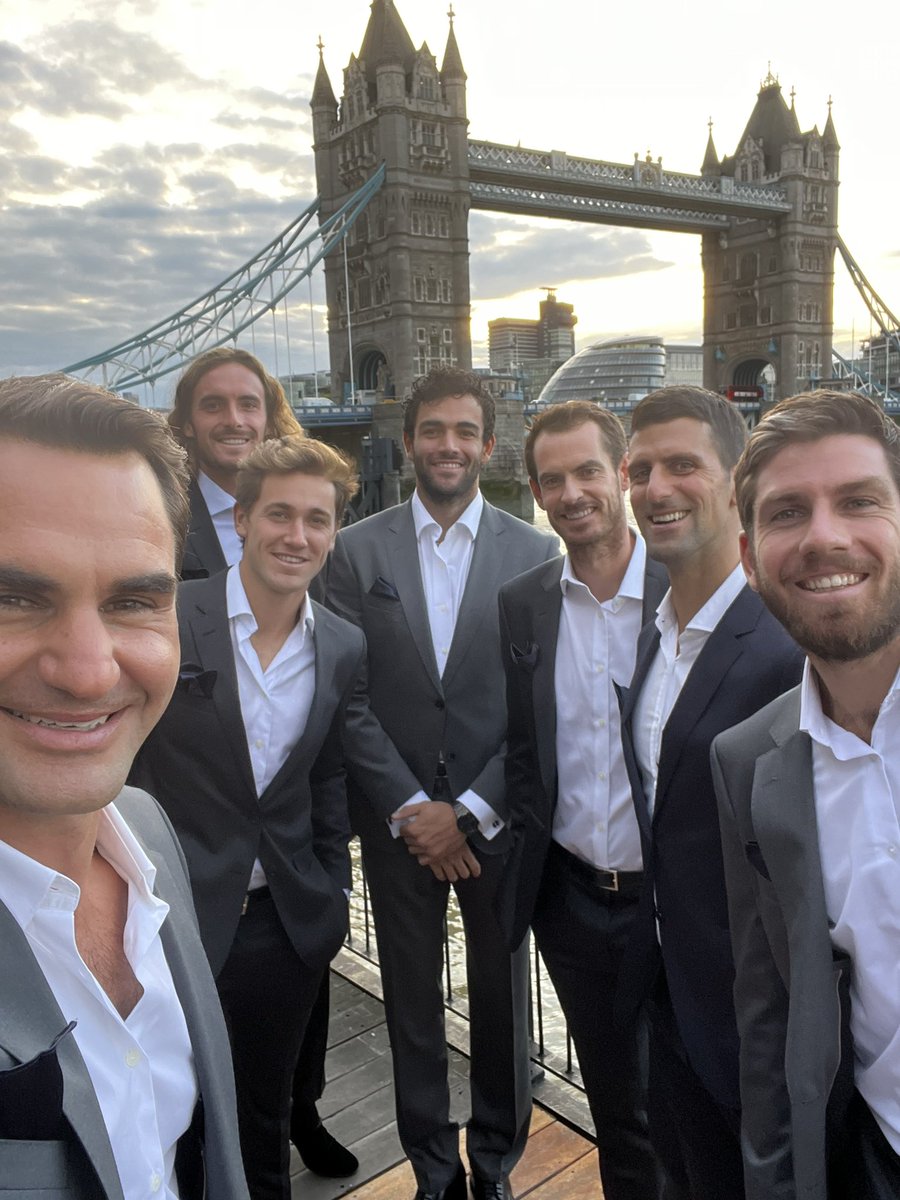
Dear Roger,my friend and rival.
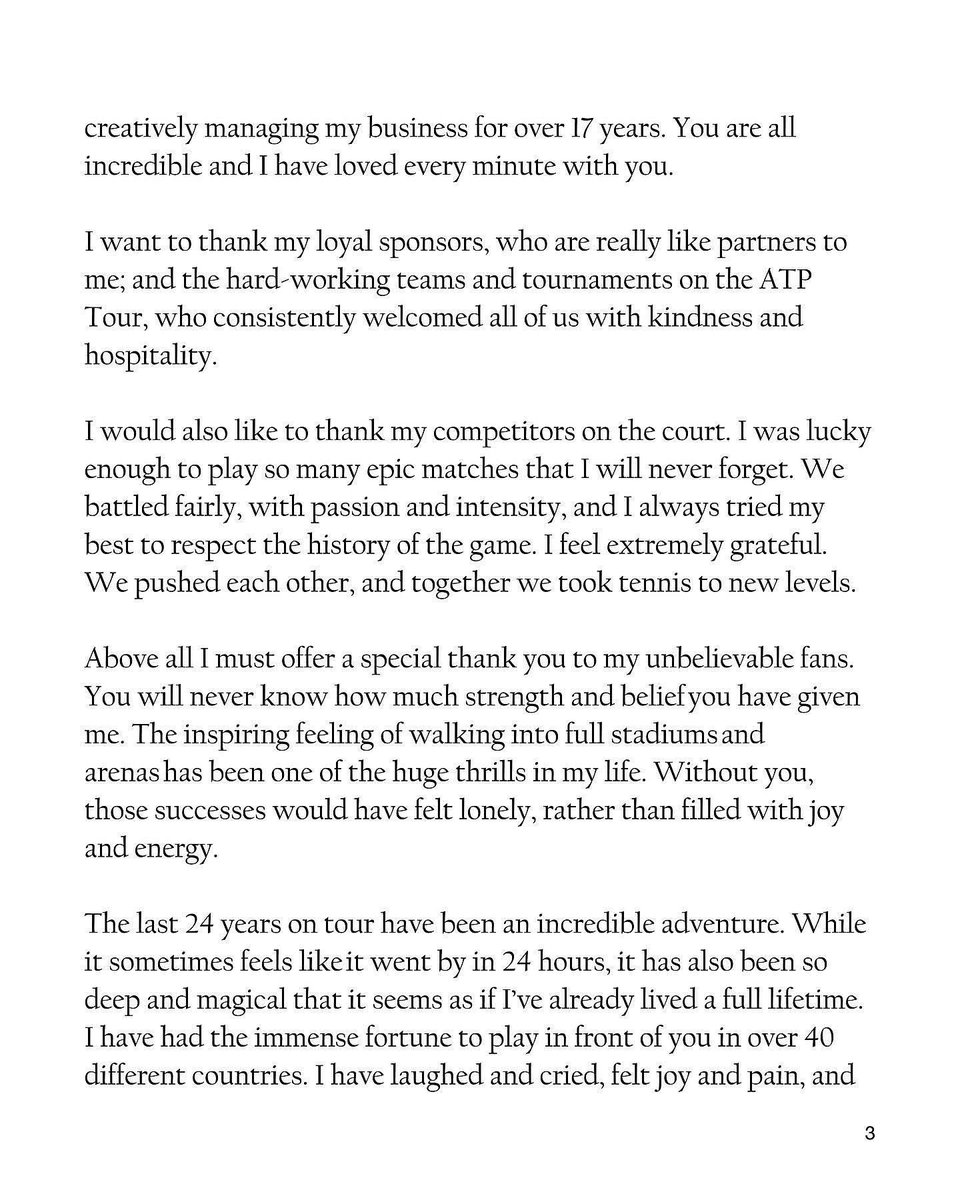
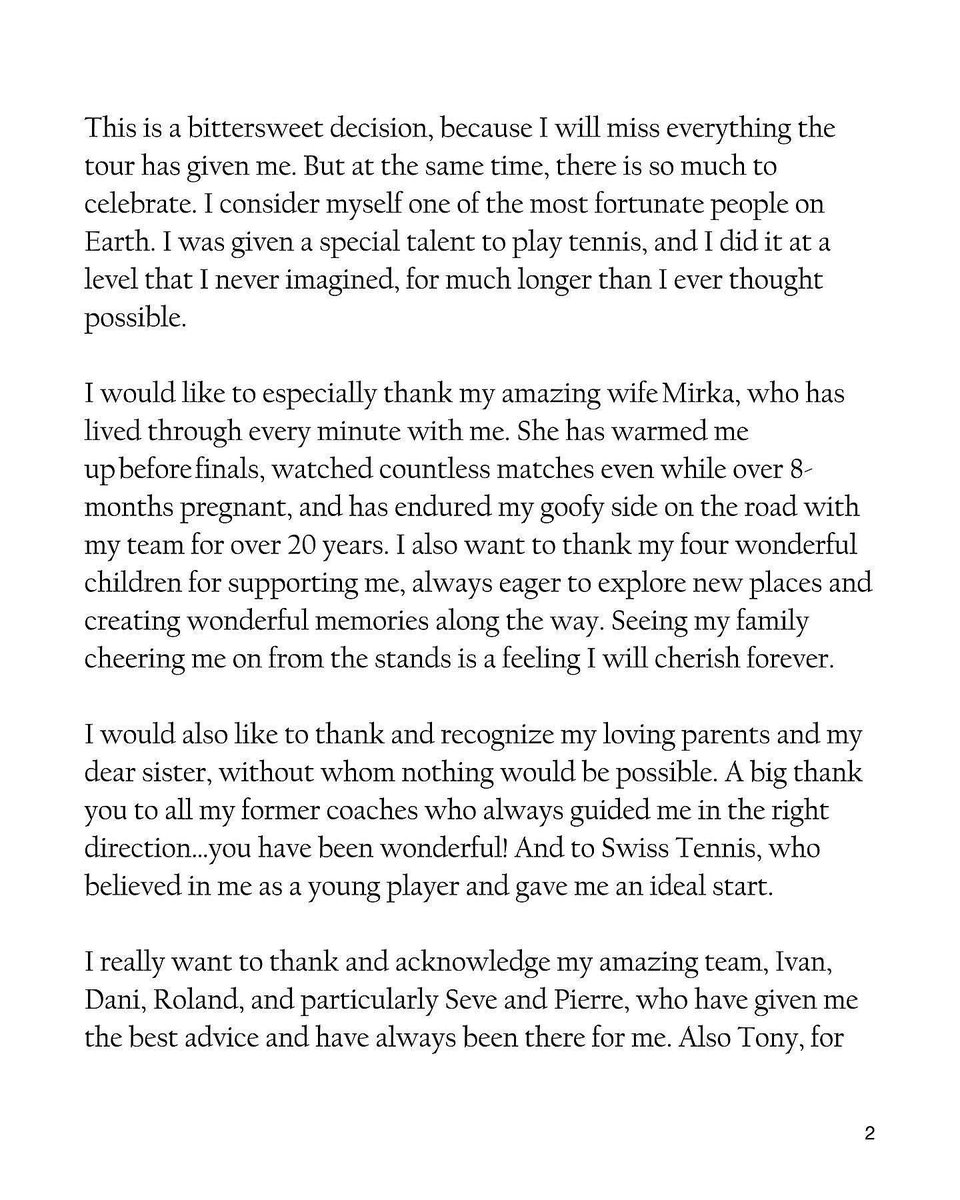
I wish this day would have never come. It’s a sad day for me personally and for sports around the world.
It’s been a pleasure but also an honor and privilege to share all these years with you, living so many amazing moments on and off the court 👇🏻











![modiarchive's tweet photo. A glimpse into the past as PM Modi visits Himachal for the Yuva Vijay Sankalp Rally.
Modi helped revitalize the BJP's fortunes in Himachal Pradesh as state in-charge. Numerous treks were undertaken by him, including one to Bijli Mahadev.
[Bijli Mahadev Temple, Himachal Pradesh] https://t.co/Ku1WuWxuix](https://pbs.twimg.com/media/FdZc27TacAEr_zh.jpg)