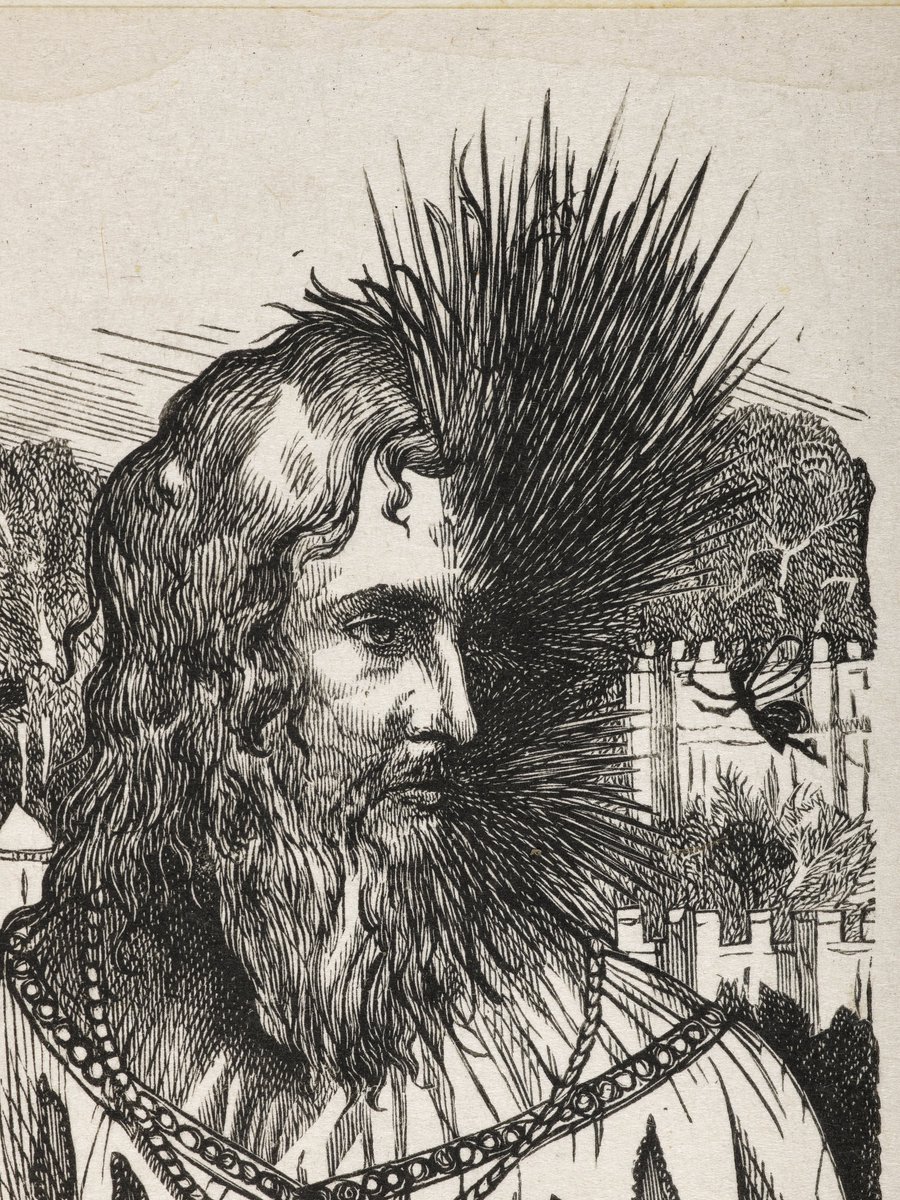
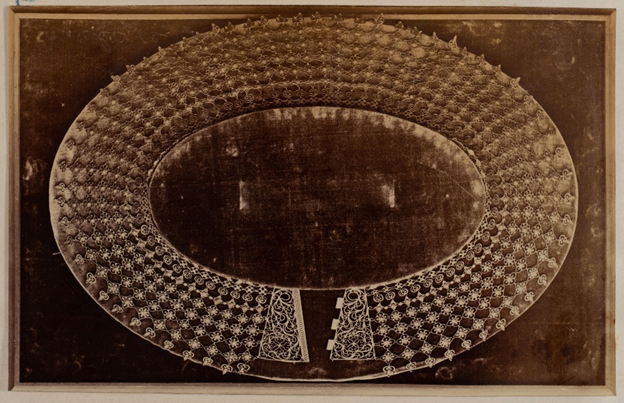
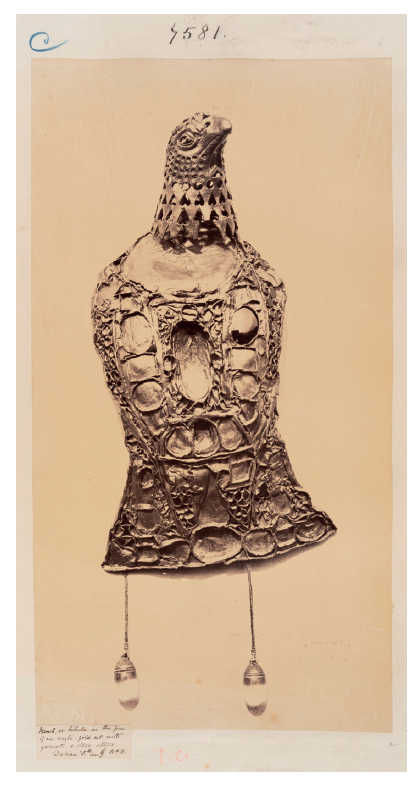
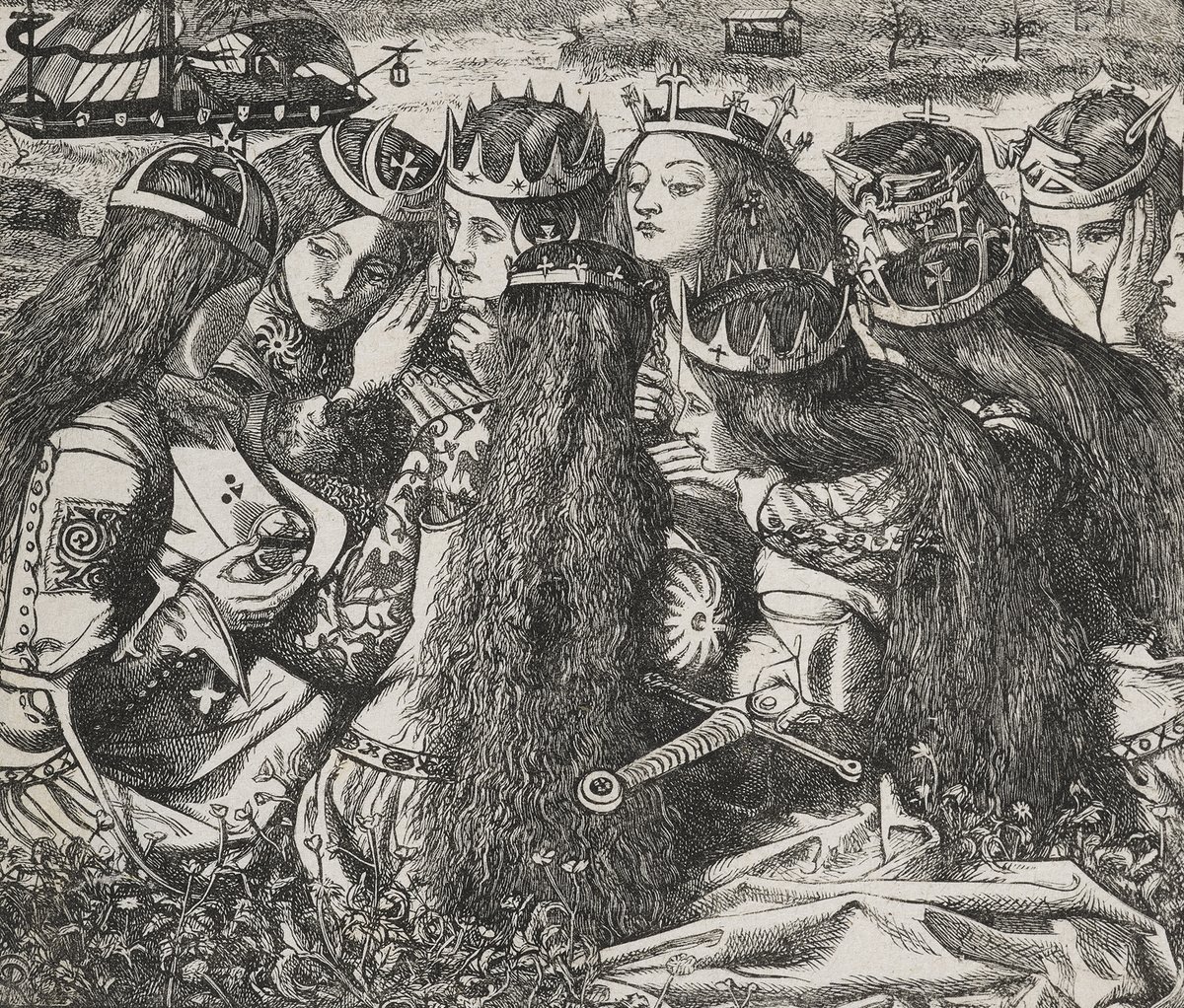
In What Photographs Do, @dalzielproject analyses how image technologies of photography and wood engraving were used together, as a linked ecology, in the c19 to translate a wide range of museum objects for illustration. #openaccess download: https://t.co/9Qw33YqntC
@lcale2@DrVickyMills Thank you 😃 I'm fascinated by the wood engravings made for museums. Here's another Dalziel made for the South Kensington Museum. This one reproduces a panel from William Morris's green dining room at the V&A. I'd love to know which museum publication it was for, if anyone knows.
Want to know more? @dalzielproject ‘s chapter can be found in What Photographs Do, published this week by @UCLpress. Get your copy here: https://t.co/ugort7LcqZ
In our new @UCLpress book, @dalzielproject analyses how ‘image technologies of photography and wood engraving were used together, as a linked ecology, in the nineteenth century to translate a wide range of museum objects for illustration.’ 🧵
@Ravilious2@UCLpress It is such a fascinating book! I love how you and Elizabeth Edwards explore the strange shifting status of photography in museum history. The guard books are amazing. And I love this photograph of a Romanian brooch in Erika Lederman's essay on Cowper...
@Ravilious2@bethankstevens@britishmuseum Thank you! 😃 I really love the album page you photographed - extracts from Dalziel's 785 wood engravings for The Great Exhibition of 1851 - catalogue published by The Art Journal
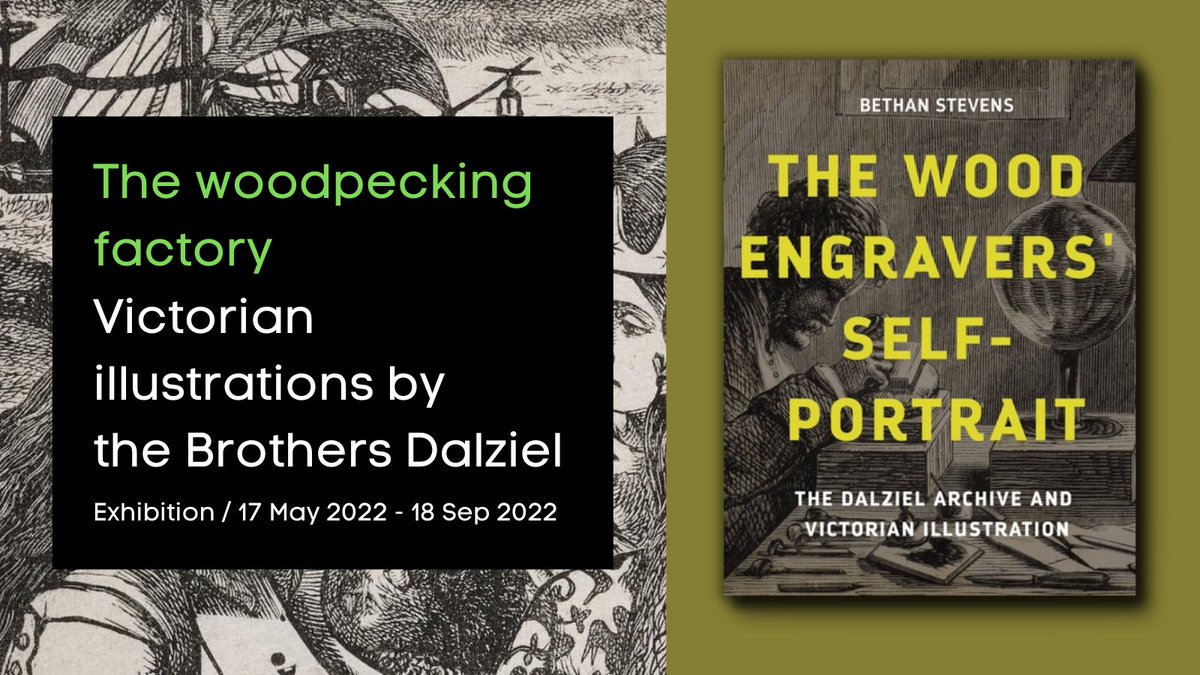
From Pre-Raphaelite fantasies of Arthurian legends to Alice adventuring in Wonderland, the Victorian visual imagination was captured by the Brothers Dalziel.
Established in 1839, they became the most successful wood-engraving company in Britain: https://t.co/kytppkaoKh
@murray_seccombe Hello @murray_seccombe, I just saw this - how exciting! Did you see the exhibition? Hope you liked it. There is lots more info in the book too. Which Dalziel are you descended from?
@Lost_Visions Thanks! 😃 The front cover image is magnified a lot (it's a detail from a print about 6 cm high): it's incredibly the fineness of detail they engraved...
Come and see work by @ChrisPig5 and @stanandgladys, now on show @britishmuseum alongside 19th-century wood engravings by Dalziel, in The Woodpecking Factory, https://t.co/sHK5a3aNig https://t.co/RnCcG11YkR
Come and see wood engravings by Dalziel @britishmuseum in The Woodpecking Factory, now open! This one is an illustration after Frederick Barnard to Dickens's Barnaby Rudge. There's lots more: visit Gallery 90a, British Museum, https://t.co/sHK5a3aNig https://t.co/RnCcG11YkR
Opening today @britishmuseum, an intriguing display of 50+ wood engravings by the Dalziel Brothers https://t.co/iwLpUcHaIU
Find out more about the Dalziel Archive&Victorian illustration in @bethankstevens’s new book
*The wood engravers' self portrait*➡️https://t.co/CeJbtB4Bjv
@BHLibraries asked students to create their own Victorian characters inspired by David Copperfield illustrations. Results included a steam powered wooden robot and pickpockets!
In the activity with @richdwragg, students wrote a letter about a recent event, thinking about their audience and what it would mean for someone to read their words a hundred years in the future.
@richdwragg and @BACA_UK students read letters from 11 year old Midshipman George Perceval to his parents, written in 1806. They thought about changes in his handwriting and how his tone altered when writing to his mother.