@FMwenge Pic 1: we were loading beans for distribution at one of Warehouses in Chilanga and Pic 2: we were now offliading at the destination (New Ng'ombe School) for School Feeding Program.
Sad how people expose themselves on this app. 😳
This app is always tempting even when you want to keep quiet 🤭.
I wouldn’t call the school feeding program a propaganda. Firstly, it isn’t new. It has gone through different phases having initially started in post independence era. It was revived in 2003 after phasing it out in the 1980s. In 2011 it was rebranded to Home Grown School Feeding Program to also support uptake of local farm produce to prepare meals. It has been expanding since then.
However, this program is here because there’s hunger in homes and kids can’t be hungry at home and at school, otherwise they wouldn’t concentrate or attend school. While this a good intervention, we should work on ending hunger in homes so there’s food everywhere kids are.
Research fees at the National Archives of Zambia. This information is not available online or obtainable in advance of visiting so I wanted to publicise it.
Honestly @StanbicBankZM your people need to get serious. I am tired of the ridiculousness of some of your bank processes. Getting an ATM card should not be this complicated
Let me trace the timeline here because nobody's connecting it.
Step 1: Scrape the entire internet. Every book, every article, every conversation, every piece of art, every forum post. Do it without asking. Do it without paying.
Step 2: Train a model on all of it. Call it "artificial intelligence."
Step 3: Go to BlackRock's Infrastructure Summit and announce: "We see a future where intelligence is a utility, like electricity or water, and people buy it from us on a meter."
Step 3 is where you sell people's own knowledge back to them. On a meter.
They took the collective output of human thought, compressed it into a model, and now they want to charge you by the token to access a version of what you and everyone you know already created.
One Reddit user put it perfectly: "They stole all this data from us, the people, our life's work, creativity, art, by devouring the internet and blowing through all copyright laws. Now they want to sell it back to us in the form of a utility."
Imagine if someone photocopied every book in the public library, burned the library down, and then opened a subscription service for the copies.
That's the metered intelligence business model.
And they're pitching it to infrastructure investors as though they invented water.
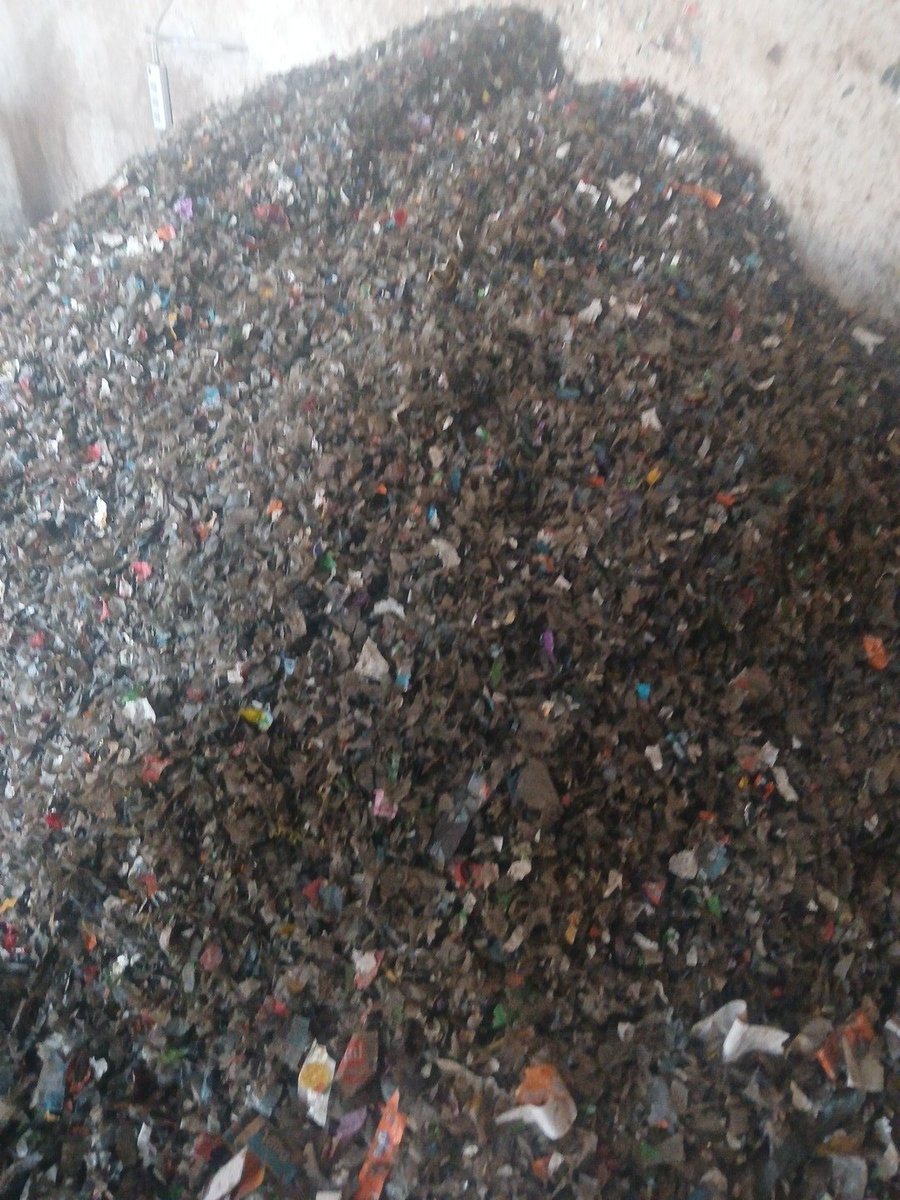
Those people you see picking bottles are not taking to matero to make gonga drinks and water.
Plastic is not biodegradable so it's important that we recycle them.
If you produce this kind of waste in bulk please don't forget to hit me up.
0973679929
Thank you for sharing my husband’s work in Zambia . There is also a second school 🏫 called Mwabwindo Academy. You can read /learn more about Joe and his co-founder Nchimunya’s work via https://t.co/7qUIIDBTXj
In 2011, Joseph Mizzi travelled to Zambia to donate bicycles to schoolchildren. He arrived and found that the reason children needed bicycles was a seven-kilometre walk to the nearest school, each way. He went back to New York and built something more permanent instead.
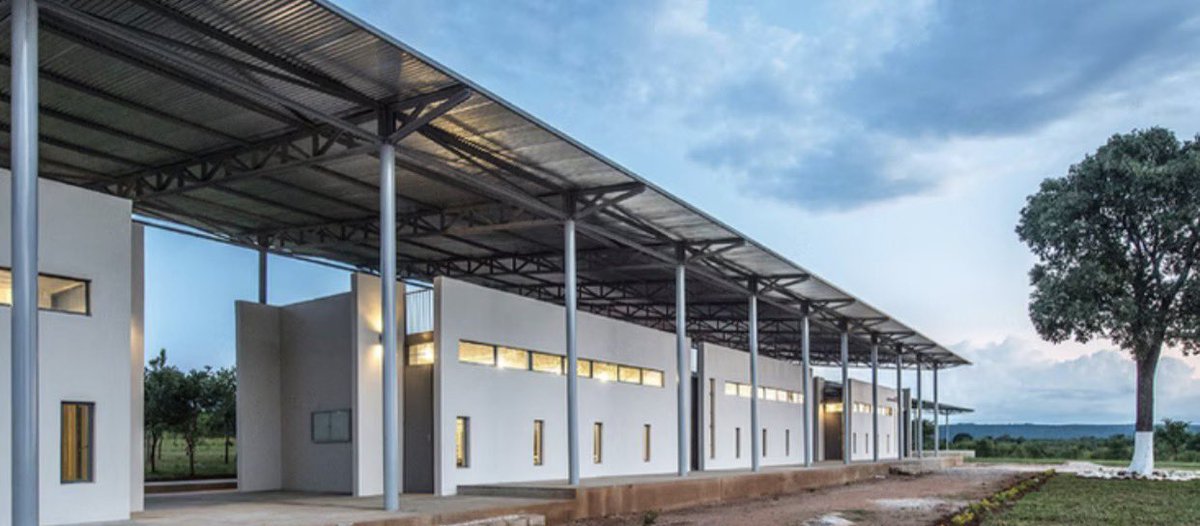
What followed was a school, a health clinic, teacher housing, and landscaping across 100 acres in Chipakata Village. The design breaks from the standard linear classroom block separating rooms, opening space between them, placing everything under a wide metal canopy that lifts above the roofline to let heat escape and air move through. Masonry base. Timber. Local materials throughout. The community pavilion was raised with the participation of the village people themselves. The agricultural fields surrounding the school generate food for the students and income for the facility. The school funds itself by feeding the land that feeds it back.
This is what aid to Africa should look like. Not a cash transfer that dissolves into overhead and corruption before it reaches a child. A building. A field. A skill transferred to the hands that will maintain it after the donor has gone home. Infrastructure that the community owns because the community built it.
Cash is the easiest thing to give. It is also the easiest thing to lose. Permanent structures, working land, and trained local hands are harder to misplace.
Chipakata Children’s Academy, Chipakata Village, Zambia 🇿🇲 | Susan Rodriguez (Ennead Architects) + Frank Lupo + Randy Antonia Lott | 14+ Foundation | 20,000 sq.ft | 2015 | 📷 Rob Duker, Fabian Bedolla