Hey White House, please remove the Tropic Thunder clip. We never gave you permission and have no interest in being a part of your propaganda machine. War is not a movie.
Watching Americans post about “WW3” when they have zero risk of death while I live in the middle east and could get wiped off the face of the earth tonight
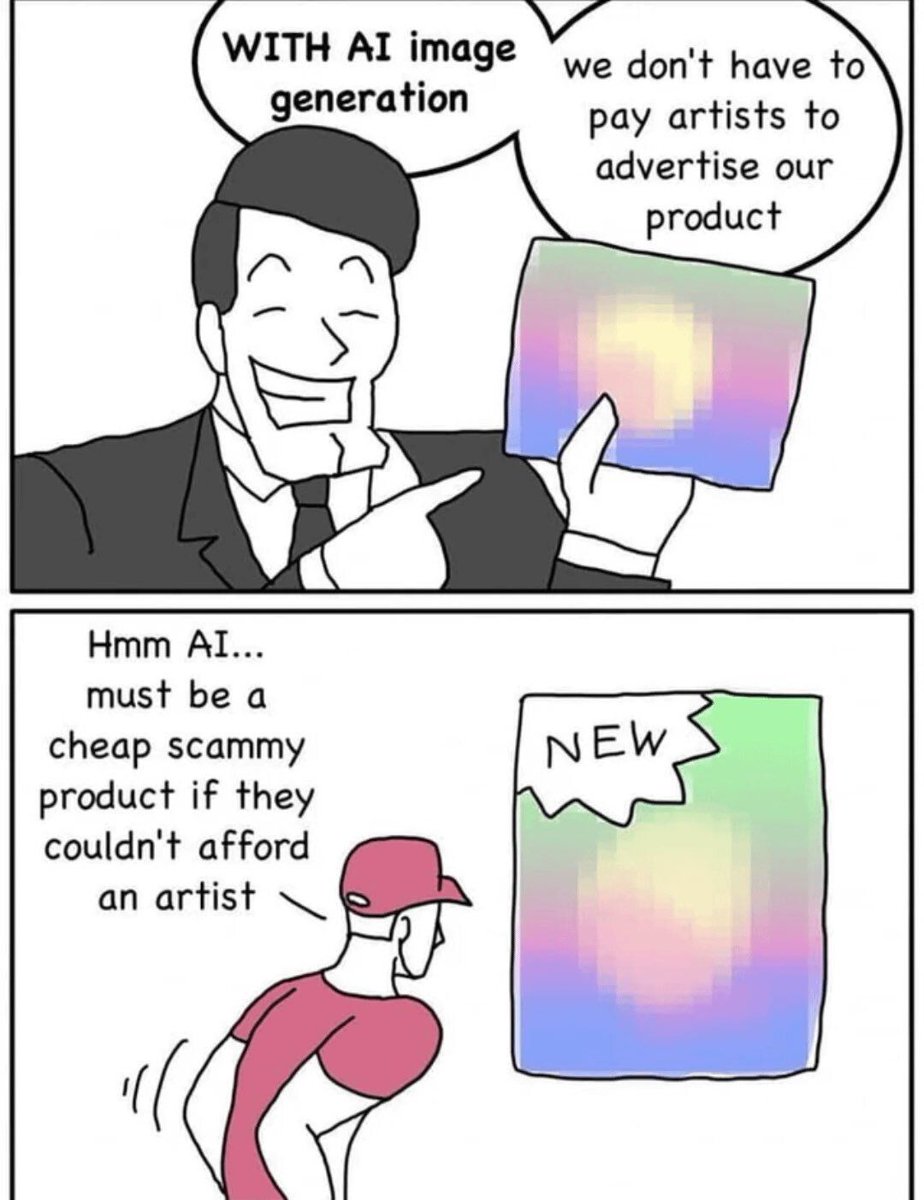
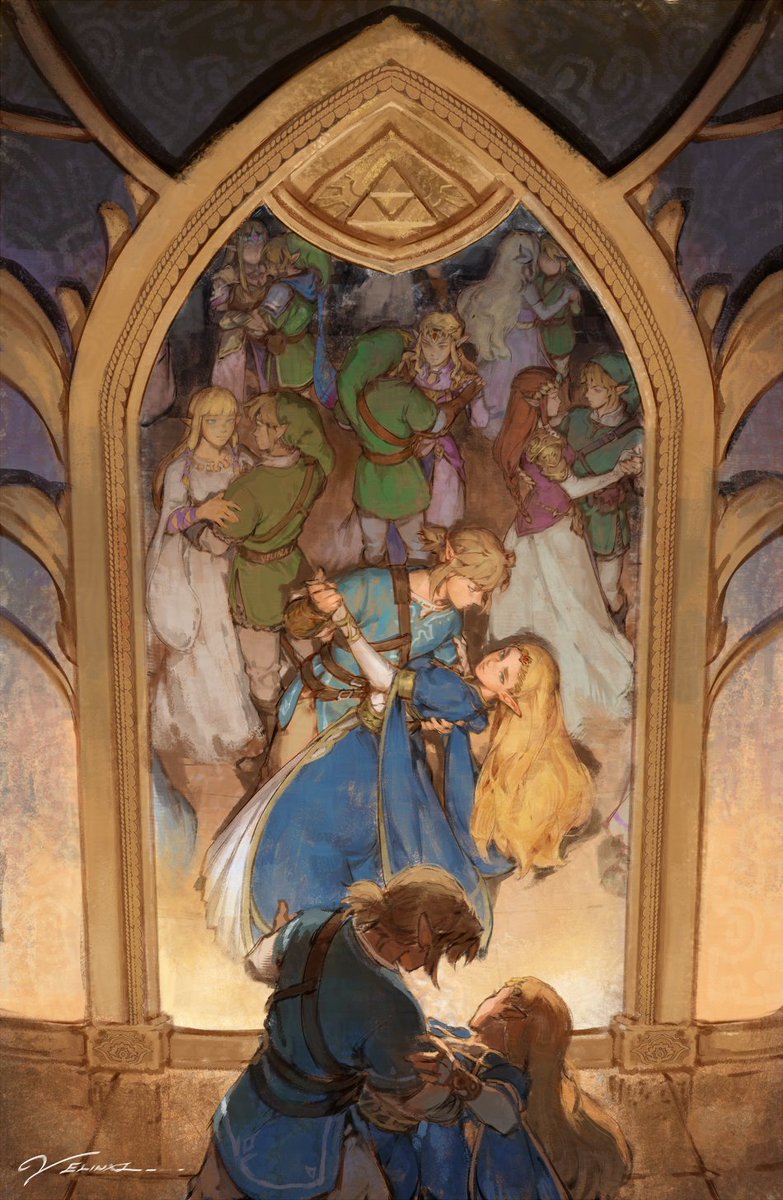
in a world full of AI slop edits, we need to start appreciating hard working editors that take the time to make banger edits like this for the love of the game
It’s not “AI slop” because it looks horrible it’s slop because there’s no human creativity in it. Same reason tracing manga in elementary school didn’t make you an artist. It’s poor imitation masquerading as art, and it’s exhausting how many people can’t grasp that difference
For those who do not understand the image. The cartoon image is a meme that depicts a man in traditional Arab attire (thobe and ghutra) holding a stack of five large books labeled Qalun, Hafs, Warsh, Al-Duri, and Khalaf.
What the meme is referring to
These labels are not different "books" or separate versions of the Quran. They are names of authentic canonical recitations (Qirā'at) of the same Quran:
1. Hafs (full: Hafs 'an 'Asim): The most widespread recitation today, used in about 95% of printed Qur'ān worldwide (including most Muslim countries outside North Africa).
2. Warsh (Warsh 'an Nafi'): Commonly used in parts of North Africa (e.g., Algeria, Morocco, Tunisia).
3. Qalun: (Qalun 'an Nafi'): Another transmission from the same reader as Warsh, popular in Libya and parts of Tunisia.
4. Al-Duri; (Al-Duri 'an Abu 'Amr): Used in some regions of Sudan and West Africa.
5. Khalaf (Khalaf 'an Hamzah): One of the less common ones today but still authentic.
There are traditionally 7 or 10 canonical Qirā'at (depending on scholarly classification), all tracing back through unbroken chains of transmission to the Prophet Muhammad (peace be upon him). These are different styles of recitation, primarily in pronunciation, intonation, vowel lengthening, and minor word forms similar to regional accents or dialects in a language.
Why the differences exist (Islamic perspective)
The Qur'ān was revealed in classical Arabic, which had various tribal dialects. Authentic hadiths state it was revealed in seven ahruf (modes/dialects) to make recitation easier for different Arab tribes. Over time, these developed into the standardized Qirā'at, all considered fully authentic and divinely permitted. The skeletal text (rasm) of the Qur'ān remains identical across all; differences are mostly in how words are vocalized or minor synonyms that complement rather than contradict the meaning.
The meme plays on a common criticism (often from non-Muslim polemicists) suggesting these Qirā'at prove "multiple Qur'ān" or textual corruption. In reality:
a. All Qirā'at convey the same core message and doctrines.
b. Differences are subtle (e.g., pronunciation of a word like "maliki" vs. "maaliki" in Al-Fatihah, or minor grammatical forms).
c. They enrich understanding by providing layered meanings, not conflicts.
d. The vast majority of Muslims recite in Hafs today, but switching to another authentic Qira'ah is perfectly valid.
The "confusion" portrayed is satirical exaggeration, there's no genuine doubt among scholars that all these are the one Qur'ān, perfectly preserved in its authentic forms.
Take every attack they throw against Islam as an opportunity to teach Muslims about Islam. In a way, they are helping to spread Islam but they do not know it because they are not different from the beasts, unable to think, research or see things properly. In fact, they are even more astray than the breasts.
Stop sharing AI garbage. Enough is enough.
There is a PLETHORA of real footage that Palestinian journalists were killed for documenting.
Posting fake AI material is deeply disrespectful to those who lost their lives capturing real images and videos.