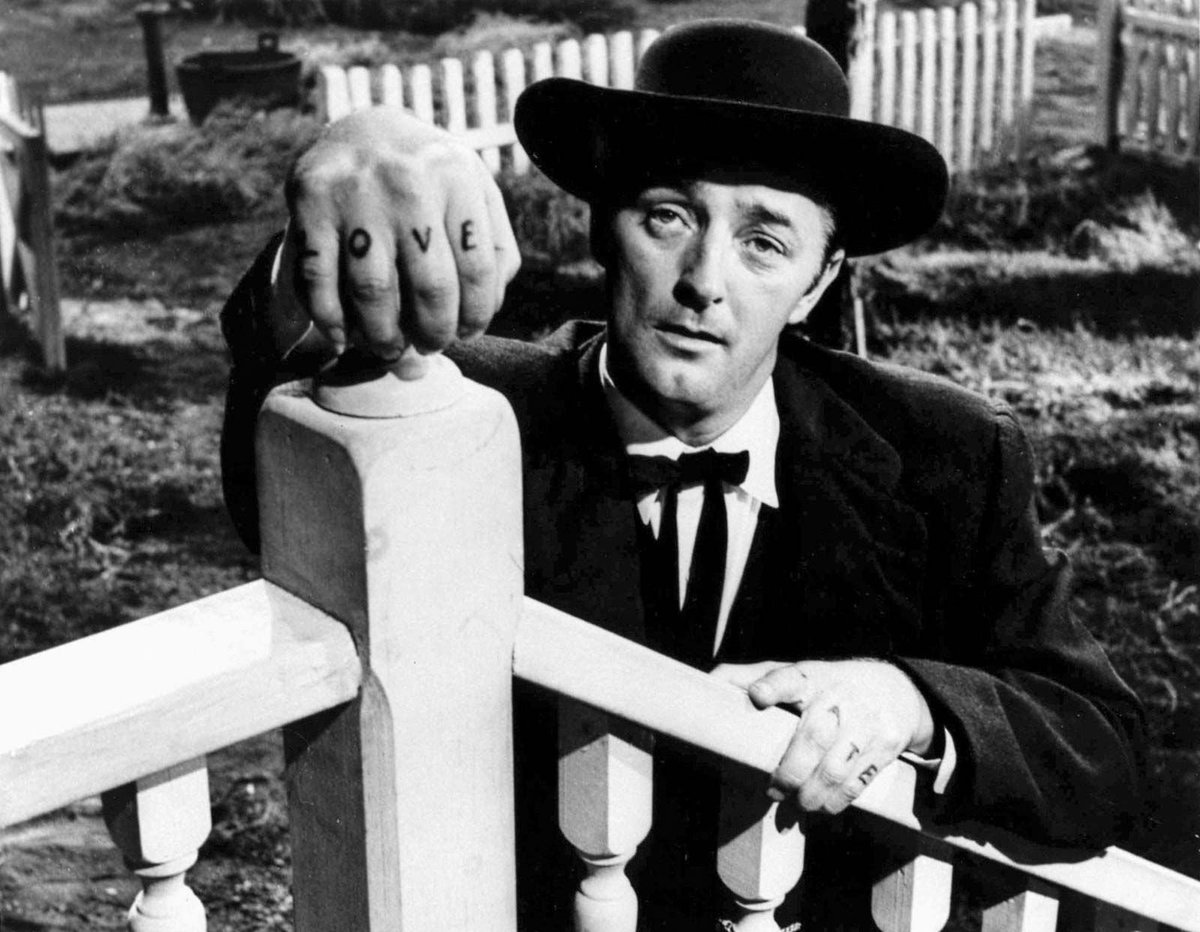
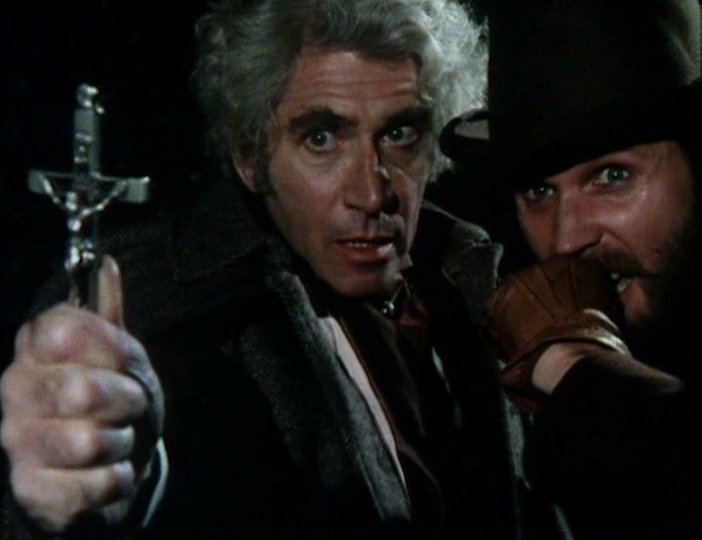
Watched Night of the Hunter again tonight. The screen can scarcely contain Robert Mitchum's diabolic malevolence. The surrealist influences, in acting, script & cinematography, lend it the air of a dark fairy-tale. Movjes don't get any better.
Haven't read this article yet, but, indeed, watching the film reminded me continually of Tom Holland's @holland_tom analysis (in "DOMINION") of the difference Christianity made in the ancient world. Given that *no* culture lives up to its highest ideals--its human nature, alas--we should all be very very cautious of abandoning, as a culture, a religious ideal that divinizes mercy, self-sacrifice, and love of neighbor in favor of the old one that openly glorifies martial prowess, raw power, and the accumulation of booty, both material and human; an ideal in which the culture's "best" men, its "heroes" (like Odysseus) usually think nothing of razing cities and enslaving/murdering/raping whole populations, especially women and children.
We may think we're abandoning such ideals in an effort to avoid the "hypocrisy" too often exhibited during the so-called Christian centuries; but I suspect the end result would be only to "lower the bar", as it were, and give humanity's most violent impulses even freer rein than they already have.
Christopher Nolan’s “The Odyssey” features biblical themes and symbols that aren’t present in Homer’s poem. @LuisParrales_ argues that this doesn’t mean the film is Christian—but it is “God-haunted”: https://t.co/TphdbhUlEd
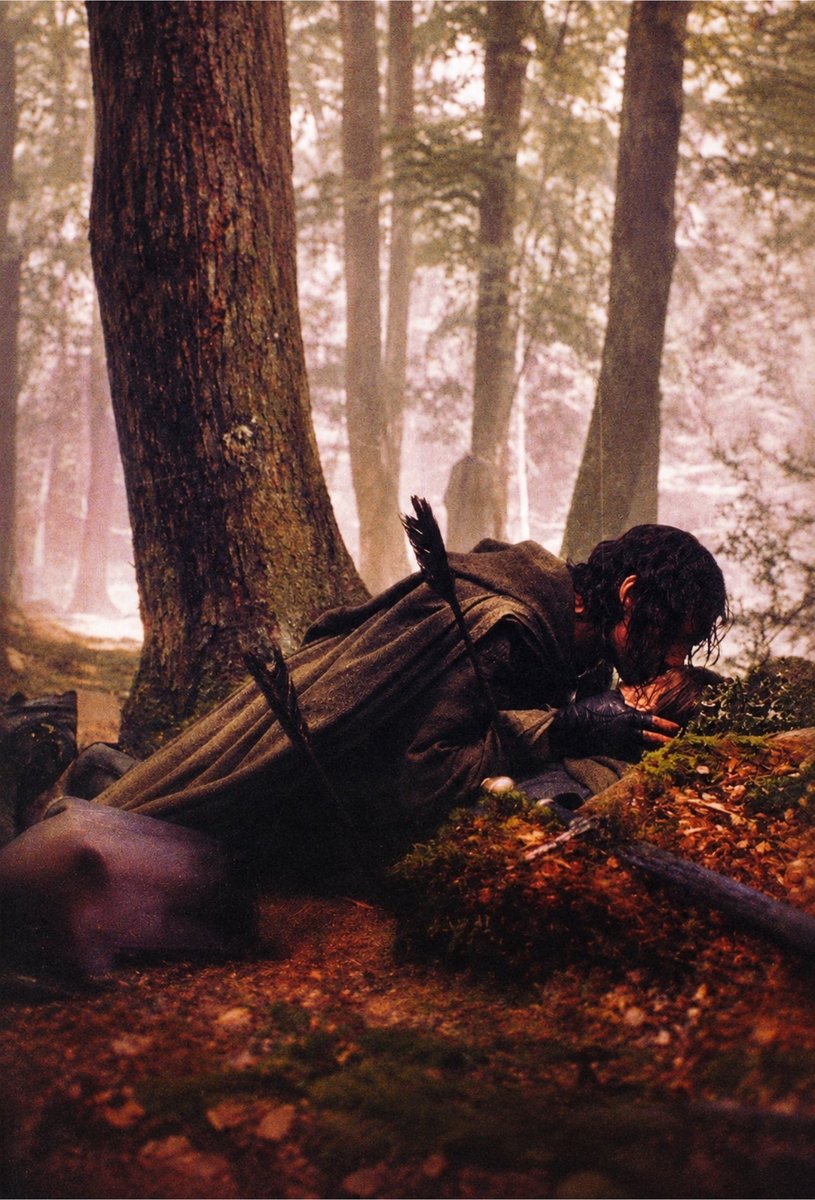
Durante la escena de la muerte de Boromir en la película La Comunidad del Anillo, se escucha un coro en la banda sonora. El coro no está cantando al azar, en realidad está cantando en élfico.
Y la letra de la canción es una frase de los libros.
«No amo la espada por su filo, ni la flecha por su rapidez, ni al guerrero por su gloria. Amo únicamente aquello que ellos defienden.»
Y un detalle que hace aún más emotiva la escena: en el libro, esas palabras fueron pronunciadas por su hermano menor, Faramir.
Cada día que pasa amo más estas películas.
This was when Spielberg was great: when he made perfect "popcorn" movies that packed a thematic punch when you weren't even noticing.
He's been overthinking the message, the last few decades.
It’s remarkable that you can say Jurassic Park has “no big themes” when Jeff Goldblum looks directly into the camera and says, “Worship of technology with no limits or ethical restraints will be the ruin of humanity.”
It’s remarkable that you can say Jurassic Park has “no big themes” when Jeff Goldblum looks directly into the camera and says, “Worship of technology with no limits or ethical restraints will be the ruin of humanity.”
It now appears that the U.S. release of the BBC radio dramatization of The Lord of the Rings will be on the same day as the U.K. release, in both vinyl and CD formats.
@AuthorGFAllen As long as there are no spoilers! One of my boys had their first reading of A TALE OF TWO CITIES nearly ruined by an old book back cover that gave away the store as to the denouement with Sydney Carton! Criminal!
@armondboudreaux If you're going to use the Fitzgerald translation (my fave!) you might also make available somehow the excellent Dan Stevens reading that's on Audible. I suspect audiobooks could be a way in to eager but under-taught students, under-exposed to books and over-exposed to screens.
Dispatch from Biblioll College: My up close and personal encounter with Albrecht Dürer's masterpiece, "The Knight, Death, and the Devil":
https://t.co/zh7vlCdb6Z
An incisive rebuttal, well worth the read.
And speaking of 'Xenia' and the gift of the wooden horse, it may indeed be a problematic response to ream someone who's just given you the gift of a huge boost in book sales.
At the very least, I love it above all that (considering all those folks for whom Nolan's film was either too woke or not enough) the man has done for Homer what the much-maligned-by-purists Peter Jackson did for Tolkien: sent hordes of new readers scrambling for the books.
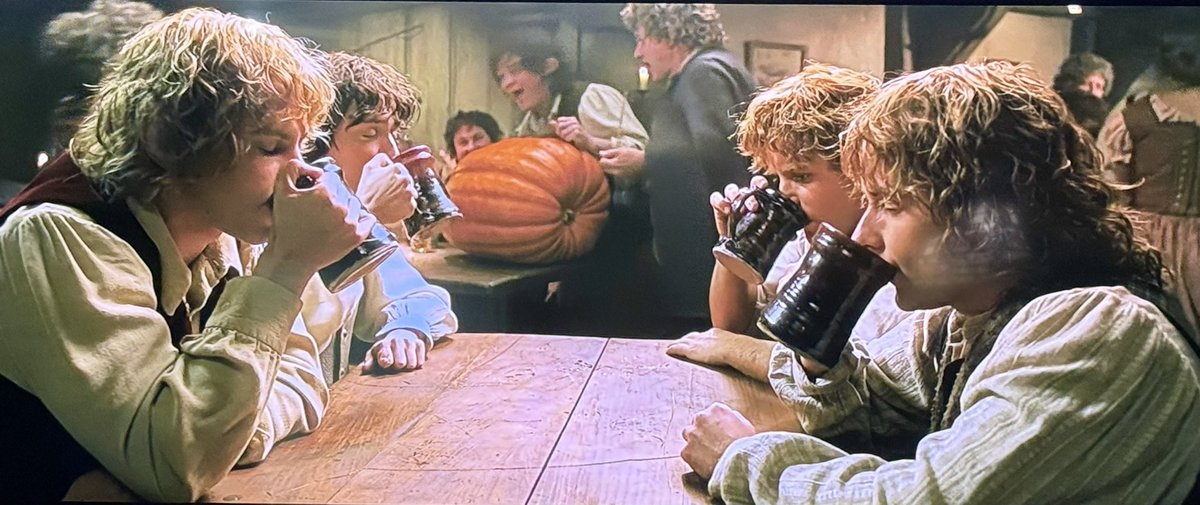
There’s a scene at the end of The Return of the King where the hobbits are sitting at their local bar. Only they know what they accomplished.
They quietly sip their beers while the rest of the Shire goes about their business like nothing ever happened.
Because for them, nothing did happen.
That scene pretty much sums up coming home from deployment better than any war movie ever has.
@SketchesbyBoze ain't just whistlin' Dixie here. The whole "Oxfordian" theory that Shakespeare wasn't Will of Stratford but the Earl of Oxford, whatever its other merits or demerits (which I won't debate here), stands or falls, just for starters on the premise that theater itself was considered so plebeian in those days--and Shax was the most popular of all--that no nobleman like De Vere would have EVER written plays under his own name, and so had to get a straw man to fill in for him.
A nobleman might write poetry, to be distributed privately among friends, but NEVER a publicly performed play. Plays were, as Pistol would say, "Base, common, and popular."
The works of Austen, Dickens & Shakespeare were written to be enjoyed by ordinary, working-class people, and the idea that they can only truly be read and understood by elites is profoundly bad for society.
In response to reading our son's book on New Deal Art, my husband and I were recently talking about how SO much of FDR's leadership during the Depression, then the war, was being able to gather a nation around their living room radios to listen to a thoughtful, educated man speak his mind and give people hope. This is way beyond policies and politics. And we've utterly lost that kind of national connection. Our last two presidents--and don't get me started on our congressmen--have scarcely been able to put two sensible words together.
Richard Burton once met Robert F. Kennedy at a party and drunkenly challenged him to a Shakespeare-quoting contest. Burton ultimately won the contest when he recited all of Sonnet XV, from memory, *backwards.*