I placed this sign five years ago next to my door. Whenever I leave my house, I have to pass this phrase. I took many risks since then and did never regret one, even if I failed. It's the secret of success. #justdoit
Get your inventory ready for the winter ❄️
To participate in the giveaway:
- Follow @BIGCLANgg & @BWI_IT
- Repost and Like
- Tag 2 friends
Winner will be chosen on December 8th.
Good luck! <3
I think the Fed is about to make another mistake on December 9th. Financial conditions have tightened massively. For example, @SpaceX, an investment grade company, just raised secured debt financing at an 8.259% interest rate versus below 6% for its unsecured bond offering at the time of its IPO.
The cost of equity capital has also increased materially with the recent substantial decline in the stock market.
The Fed’s 2% inflation ambition is misguided. Geopolitical risk and the required investment in global military spending, de globalization and tariffs, and the massive AI infrastructure and related energy investment are features of the world that did not exist when the 2% target was set. 3% inflation is a more realistic ambition in the new world.
The Fed will put the U.S. and world in recession if it continues to raise rates in a failed attempt to drive inflation to 2%.
Tell me why I am wrong.
ARE YOU READY FOR THE MAJOR? 🔥
Catch up on all the drama & news going into the Major with the first episode of @RazedEsport Leaks ft. @gobelante and @kassad 📺
🔗 https://t.co/rOIegjEPQI
Schönes Wochenende, liebe Börsianer. Nasdaq −5,7 %. So sieht ein richtiger Crash aus. Gleichzeitig werden wir Zeitzeugen des letzten großen Geniestreiches von Warren Buffett. Die Berkshire-Hathaway-Aktie notiert am Allzeithoch. Mit einem Cashbestand in Höhe von 377,4 Mrd. USD hat Buffett seinem Nachfolger Greg Abel eine Festung hinterlassen, die allen Turbulenzen standhalten kann.
Seit Warren Buffett am 10. Mai 1965 die Kontrolle über Berkshire Hathaway übernahm, stieg die A-Aktie von 18 US-Dollar auf 855.000 US-Dollar zum Börsenschluss am 20. November 2026. Das entspricht einem Kursgewinn von 4.749.900 % oder 19,1 % pro Jahr. Aus 1.000 US-Dollar wären rechnerisch 47,5 Mio. US-Dollar geworden.
Einige Kapitalmarktwissenschaftler behaupten, dass die Outperformance von Warren Buffett reines Glück gewesen sei. Nach dem Motto: Wenn es Millionen von Anlegern gibt, wird der Zufall einem von ihnen die Performance von Buffett bescheren. Ich lehne die Glücksthese ab.
Es ist kein Glück, dass Buffett und Munger in haussierenden Märkten Cashbestände aufbauen und an der Seitenlinie bleiben, weil sie keine Aktien finden, die ihnen die notwendige Sicherheitsmarge bieten. Kein anderer institutioneller Geldmanager macht das. Kein anderer kann Jahre der Hausse unbeteiligt an sich vorbeiziehen lassen.
Buffett wartete schon immer auf den Crash, und dann schlug er zu. Das ist eine Lebensphilosophie. Während der Finanzkrise 2008/09 tätigte Berkshire Hathaway Investitionen in Burlington Northern, BYD, Dow Chemical, Swiss Re, Harley-Davidson, General Electric, Wrigley/Mars, Goldman Sachs, Marmon und Wells Fargo.
Und dann gibt es noch einen weiteren Geniestreich. Buffett war der Finanzwissenschaft Jahre voraus. Bitte lesen Sie folgende Zeilen, liebe Börsianer:
Eugene Fama und Kenneth French stellten ihr Drei-Faktoren-Modell im Februar 1993 im Journal of Financial Economicsvor. In „Common Risk Factors in the Returns on Stocks and Bonds“ ergänzten sie den Marktfaktor des CAPM um zwei weitere Faktoren für Aktienrenditen: Unternehmensgröße (Size) und Bewertung anhand des Buchwert-Marktwert-Verhältnisses (Value). Im April 2015 erschien das Fünf-Faktoren-Modell von Fama und French im Journal of Financial Economics. Darin ergänzten sie ihr Drei-Faktoren-Modell um Profitabilität und Investitionstätigkeit.
Buffett und Munger setzten bei Berkshire Hathaway schon in frühen Tagen auf den Faktor „Quality Minus Junk“ und nutzten in ihrer Beteiligungsgesellschaft im Schnitt einen etwa 1,6- bis 1,7-fachen Kredithebel, um ihr Drawdown-Risiko wieder auf Indexniveau anzuheben.
Ja, Sie lesen richtig, liebe Börsianer: Auf 100 USD Eigenkapital zu Marktwerten kamen bei Berkshire Hathaway durchschnittlich 170 USD an Vermögenswerten nach Abzug der liquiden Mittel. Lesen Sie hierzu Buffett’s Alpha von Frazzini, Kabiller und Pedersen.
Fazit: Buffett hatte schon vor Jahrzehnten ein überlegenes Verständnis von Rendite- und Risikofaktoren. Chapeau.
The Major is almost here. Everyone has an eye on the star players. I wanted to know who’s calling the rounds that put them in position to shine.
Three IGLs, three different styles. What gives each of them a shot at leading their team through Stage 1?
Let’s break it down 👇@RazedEsport
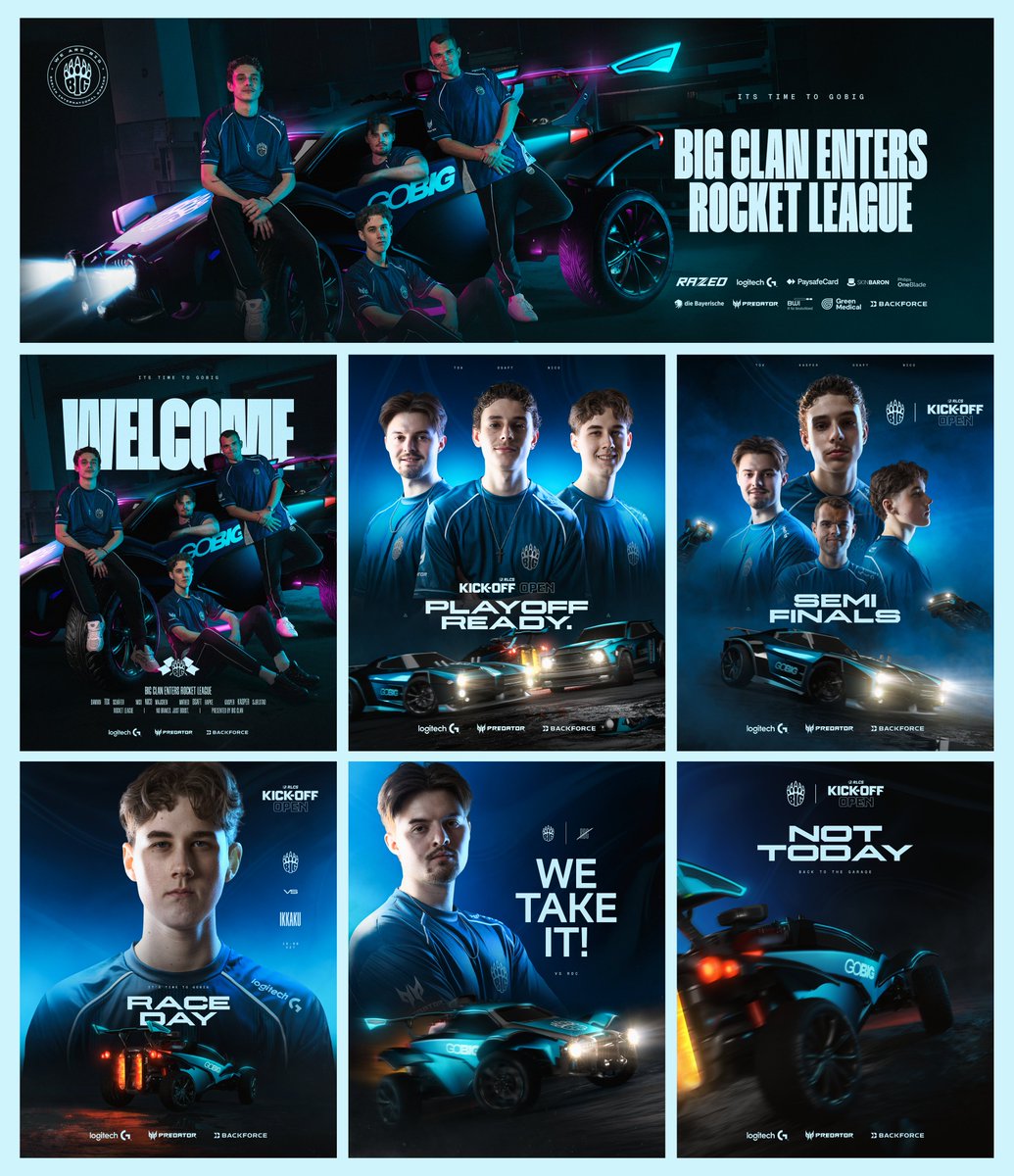
Time to make the engines run hot and the tires burn through.
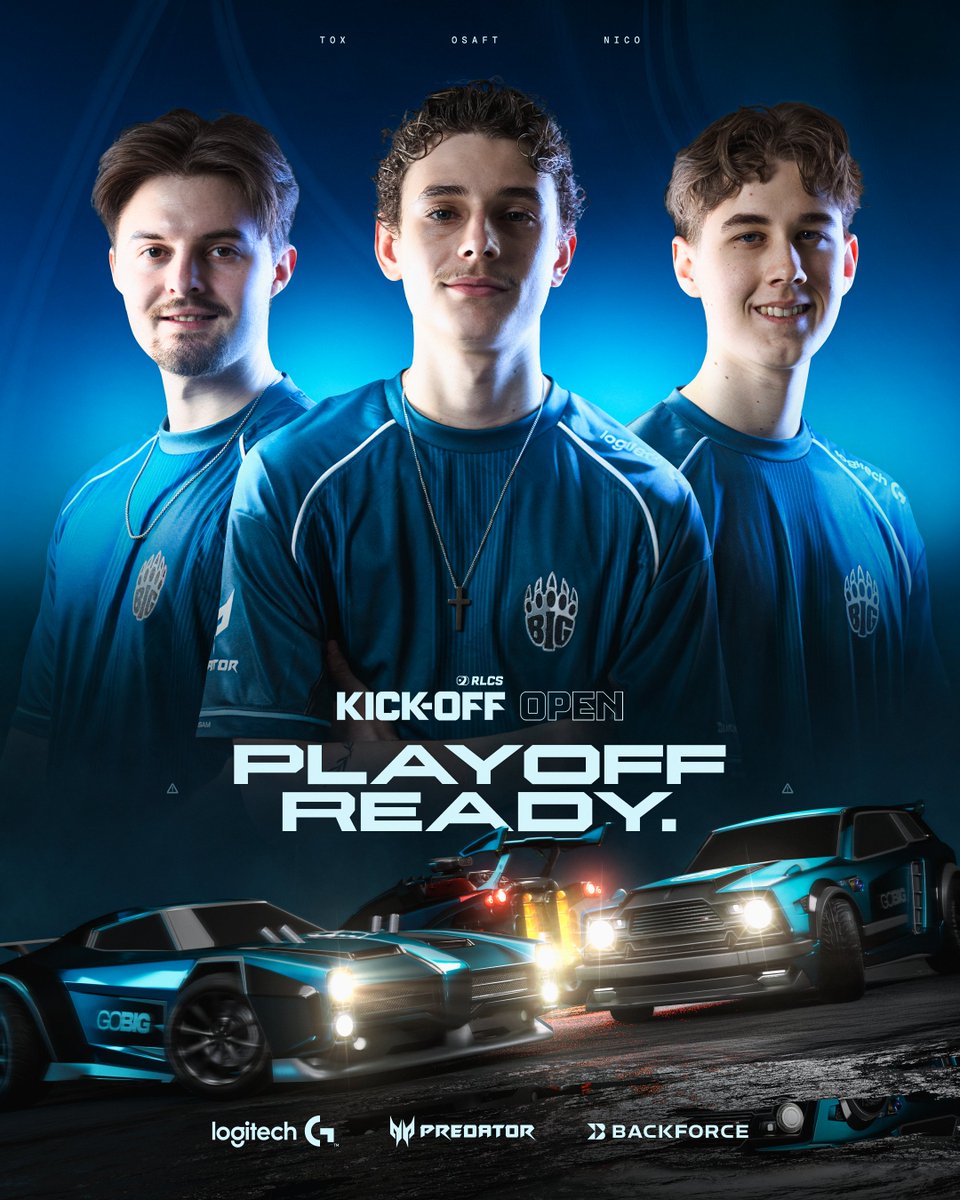
Please welcome BIG's first Rocket League Team 🏎🟀
🇩🇪 @osaftrl
🇩🇪 @Tox_RL
🇩🇰 @Nico_RL_
🇳🇴 @CoachKasperr
I believe the @nvidia board is not acting in the best interest of shareholders nor in a manner consistent with their fiduciary duties.
What we know is that the board fired Jensen or forced his resignation for violating company policy and/or in response to the accusation of an affair with a spy.
They did so without careful consideration of the impact on the company, its customers, its shareholders or other stakeholders.
They rushed to judgment without the benefit of careful due diligence or even with a basic understanding of the facts.
How do we know this?
We know this by how quickly Jensen was fired and how little was known at the time of his firing.
It takes time to convene a board meeting. There was time, maybe, for one Zoom.
And this is a decision that should have been made by a board sitting in person and carefully deliberating the facts once they are known.
And they should have slept on the decision and met again the day after to discuss the facts, the risks and the other implications of their decision.
The timing and lack of information did not allow for careful board deliberation.
While boards can fire a CEO for an inappropriate relationship with a subordinate, it should not be an automatic decision. That is why we have boards comprised of humans and not agents.
A board should consider whether or not such a relationship was consensual or whether it was an abuse of power dynamics. And a board has to consider what the impact of the firing is on all stakeholders.
If I were in this board, I would not have rushed to judgment based on articles in the media. I would have made sure the board had all of the facts so it could make a careful and informed decision.
Boards of Delaware companies have a duty of care which means they must make informed, prudent and good faith decisions. This clearly did not happen here.
What law firm is advising this board?
Or is the board even taken good legal advice?
It doesn’t look like it.
And now the board is compounding its failures by insisting that there is no possibility for Jensen’s return as CEO.
Why is it in the best interest of the company to foreclose the possibility of Jensen’s return and to do so before all of the facts are known? This is yet another breach of their duty of care.
Furthermore, the board has launched an investigation whose scope is unknown. Investigations can be extremely damaging to a company and should be carefully targeted to address whatever facts need to be known rather than be overly broad in scope.
In short, this looks like a series of major governance failures by directors that panicked due to headlines in the media. They likely felt compelled to do something because they were afraid of looking bad in the media, not because it was the right thing for them company.
They couldn’t stand the heat.
The board’s conduct here is shocking for a company of this scale and importance to our country and the world at large, particularly at this moment in history.
To whom it may concern:
after 4.5 years, it was time to say goodbye to @EsportsPlayerF1 .. Thank you to all my colleagues, partners & talents!🙏
I'm now working as Partnership Manager at @BIGCLANgg and I'm really excited for everything that's to come! 💪