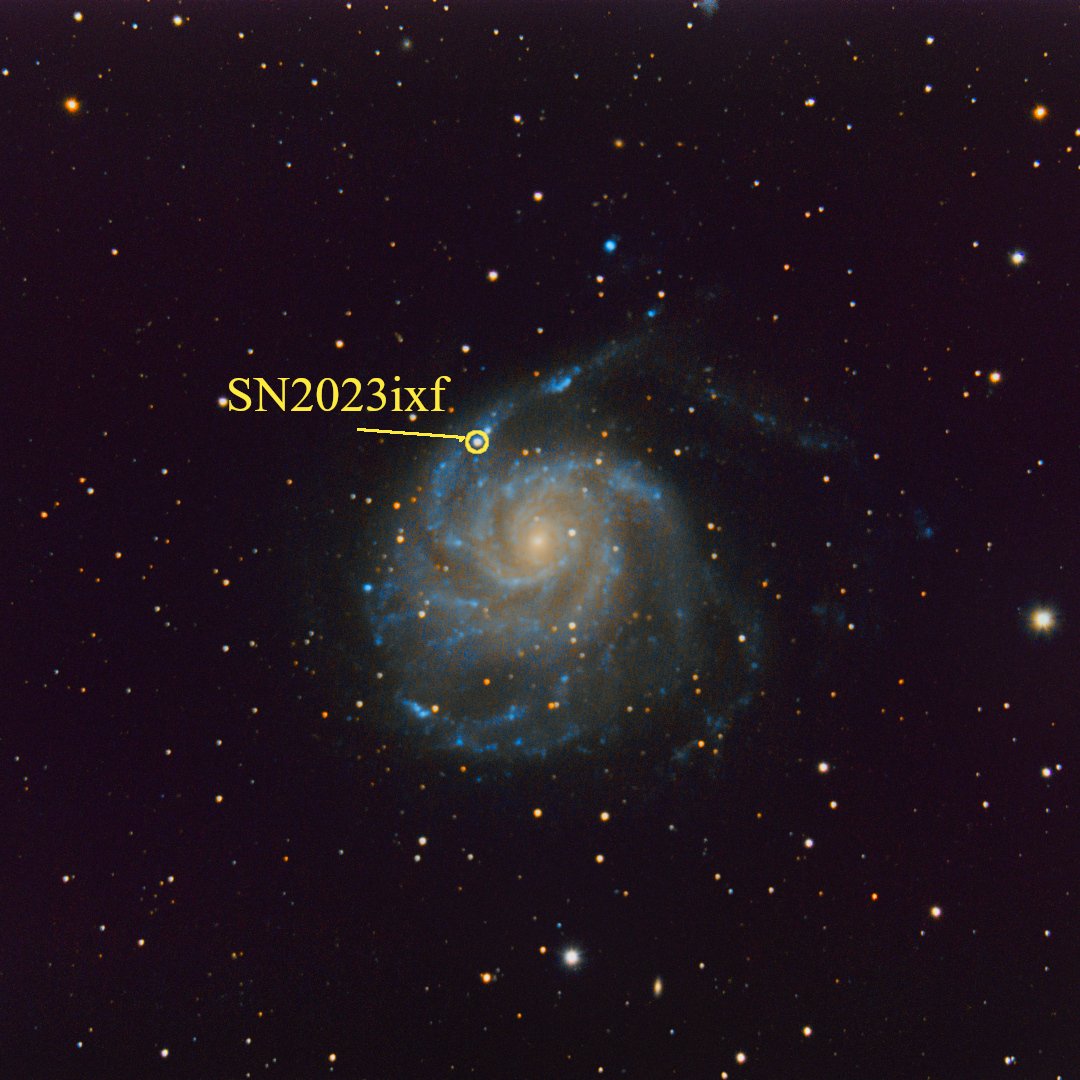
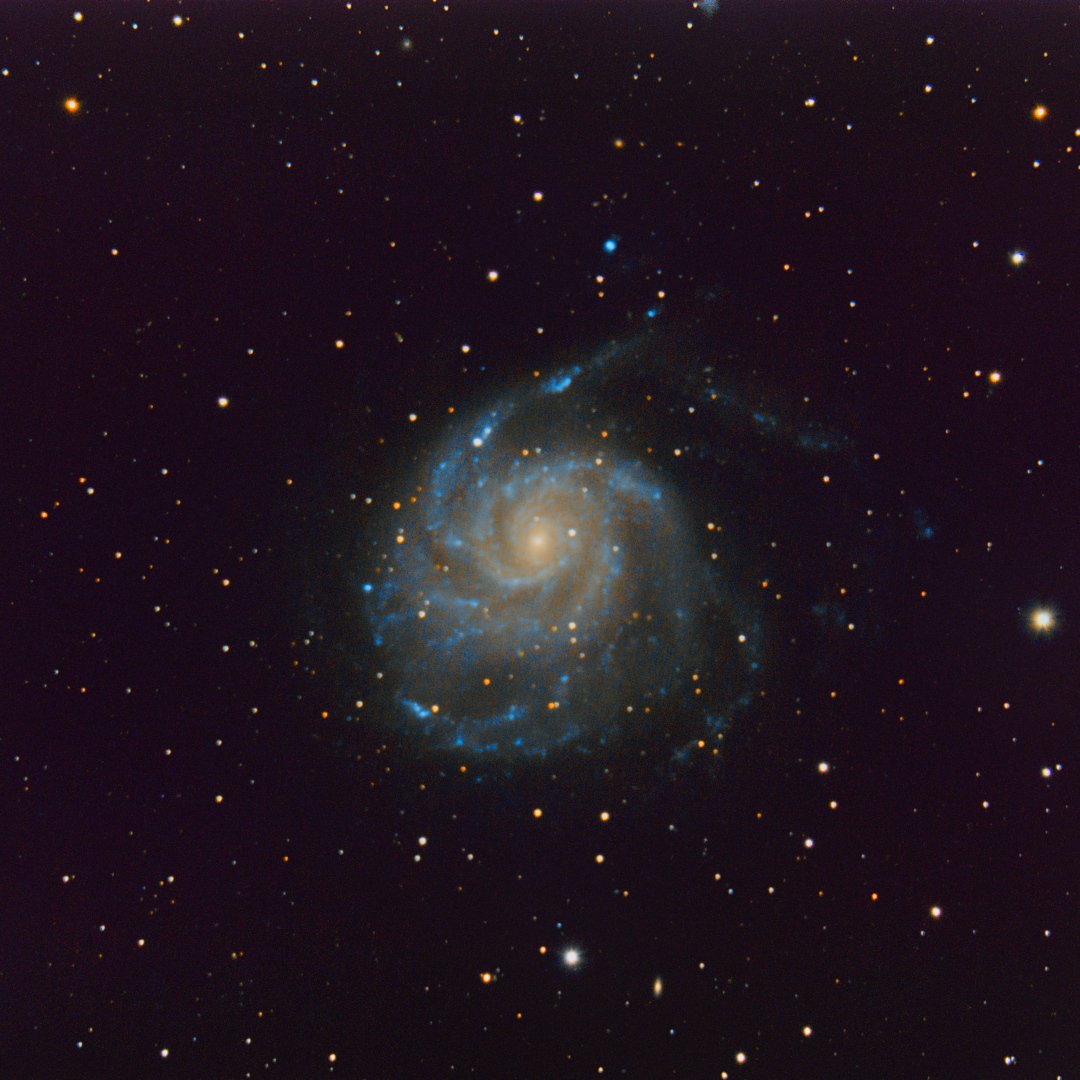
Was able to capture the recent Supernova, which is an exploding star located 21 million light-years away in the Pinwheel Galaxy, M101. This supernova appears brighter than stars in our own galaxy. #sn2023ixf
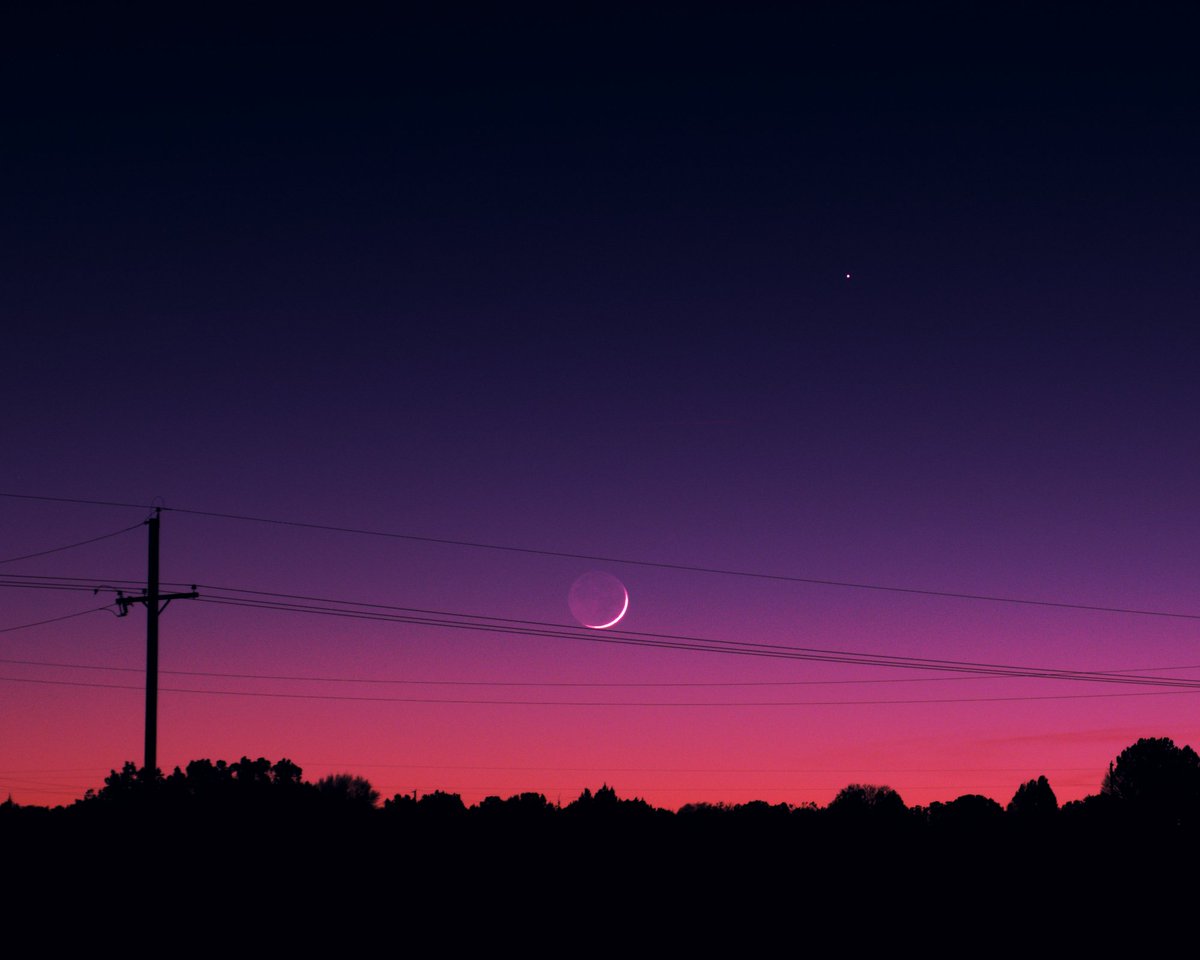
@AqweSun I hope the weather cooperates. Try to take pictures over several nights so you can document Jupiter and Venus move apart. You may also be able to image Mercury if you are lucky.
@zwoastro Micro Blue Moon May 30, 2026
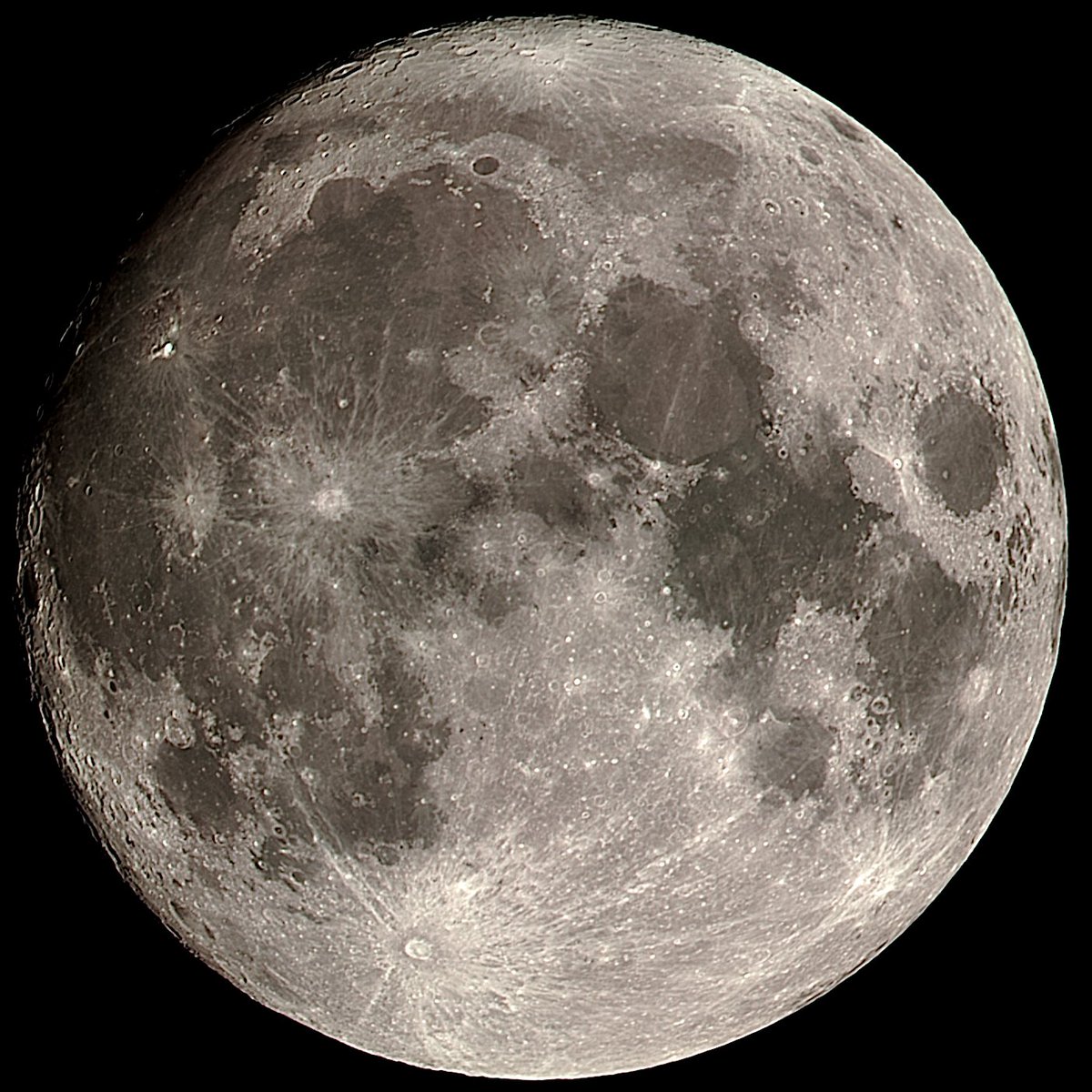
What do you do when it is a clear night, the moon is full, and you are an astrophotographer. You image the moon! This is a stack using the planet live stacking of Sharpcap. Askar V at 600mm, Svbony SC571CC, and UVIR filter, ZWO EAF.
I did a little visual astronomy during the micro Blue Moon. Last night I was looking at Jupiter and I noticed a small triangle of 3 bright small objects. When I checked, it was 3 of Jupiter moons. I was not setup for planetary imaging, so I just used the Svbony SC571CC at 600mm.
Micro Blue Moon May 30, 2026
What do you do when it is a clear night, the moon is full, and you are an astrophotographer. You image the moon! This is a stack using the planet live stacking of Sharpcap. Askar V at 600mm, Svbony SC571CC, and UVIR filter.
What do you do when it is a clear night, the moon is at 98% full, and you are an astrophotographer. You image the moon! This is a stack using the planet live stacking of Sharpcap. Askar V at 600mm, Svbony SC571CC, and SV240 filter. Switched to M13 for the rest of the night.
I chose to image Messier 94, AKA Croc's Eye, Cat's Eye, NGC 4736. A spiral galaxy located in Canes Venatici, magnitude 8.2, about 16 million light years away.
I captured the data for this image over 2 nights, May 10, 11, 2026 from a Bortle 3 in Northern Arizona USA.
How do the clouds know the exact day your new astronomical equipment arrives? Last night, perfectly clear from dusk to dawn. Today, completely overcast.
Astromania Telescope Diagonal 2 Inch 90-Degree Diagonal Mirror 99% Reflective Dielectric.
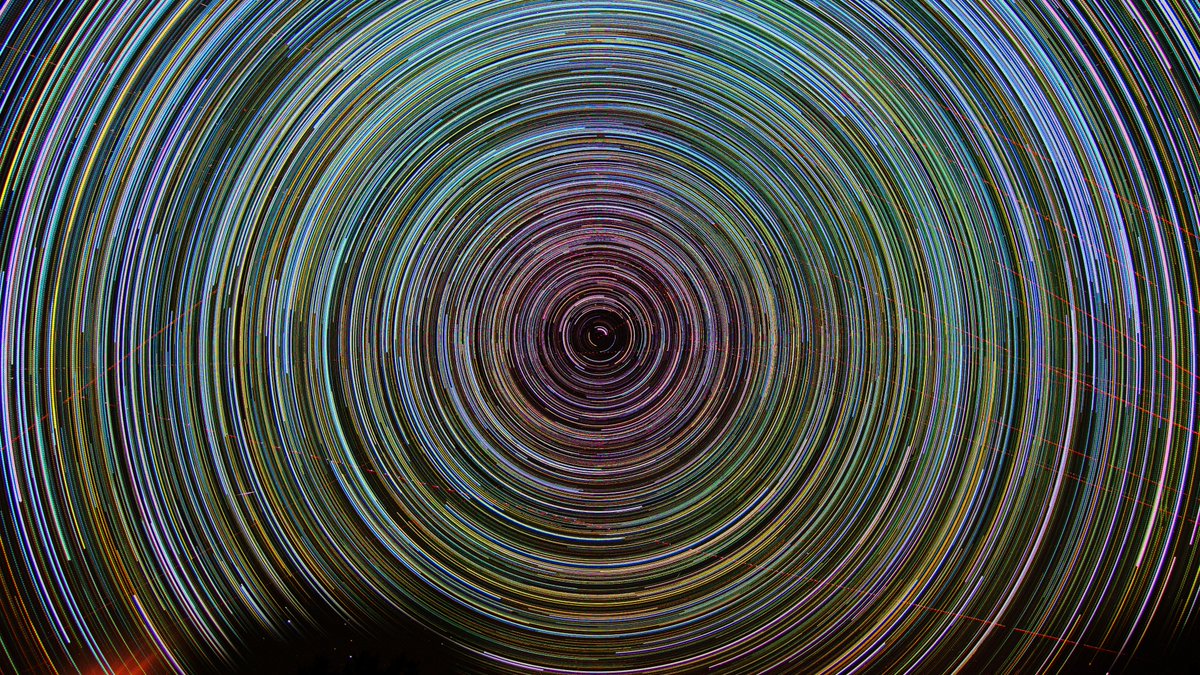
@AqweSun I also like using a simple camera tripod, dslr, intervalometer, and wide angle fast lens for star trails; Milky Way night landscape; and Aurora time lapse. Canon 6D is my favorite full frame camera. Milky Way image is a sky and landscape composite from two different locations.
@AqweSun This was my setup for the April 8, 2024 Solar eclipse. Vintage Meade 8 inch SCT, SkywatcherUSA EQ6-Ri Pro mount, 2 Canon DSLR, glass solar filters. We traveled 1600 miles round trip, but it was cloudy. Same setup for the October 2023 Annular Eclipse. Good for planets and galaxy
@AqweSun That is a very smooth focus curve. My setups have some backlash tails. I have both a previous generation ZWO EAF and 2 Gemini EAF. I prefer the Gemini since they are a third the price so I can have one on each telescope.