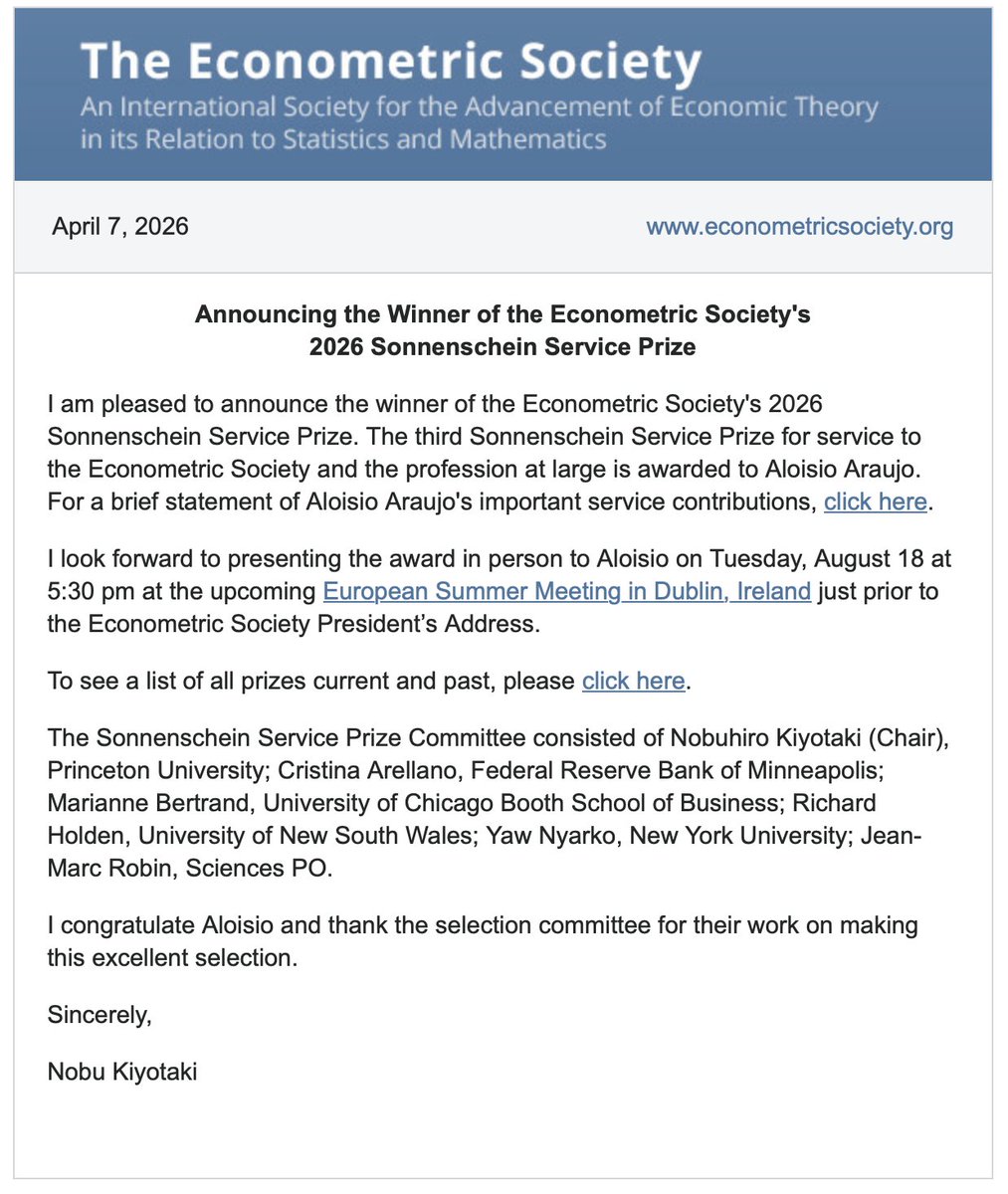
Last call for those interested in joining my team and me in Buenos Aires for the Chicago School in Experimental Economics, November 4-8, 2026! There is no program fee, and financial assistance for accommodations is available.
This intensive one-week summer school is designed to deepen scholars' understanding of frontier experimental methods. Lessons will range from designing and conducting experiments to analyzing and interpreting data to writing up your findings. The curriculum draws from my new textbook, Experimental Economics: Theory and Practice.
The application deadline is April 30, 2026. Please apply here: https://t.co/8Aj3EtXqLM
Any questions, please contact Melissa De Vries at [email protected]
A propósito dos impostos de importação sobre bens de capital e informática, vale comparar a pauta de exportação do Brasil (renda per capita US$ 10.500) e da Austrália (renda per capita $70.000)
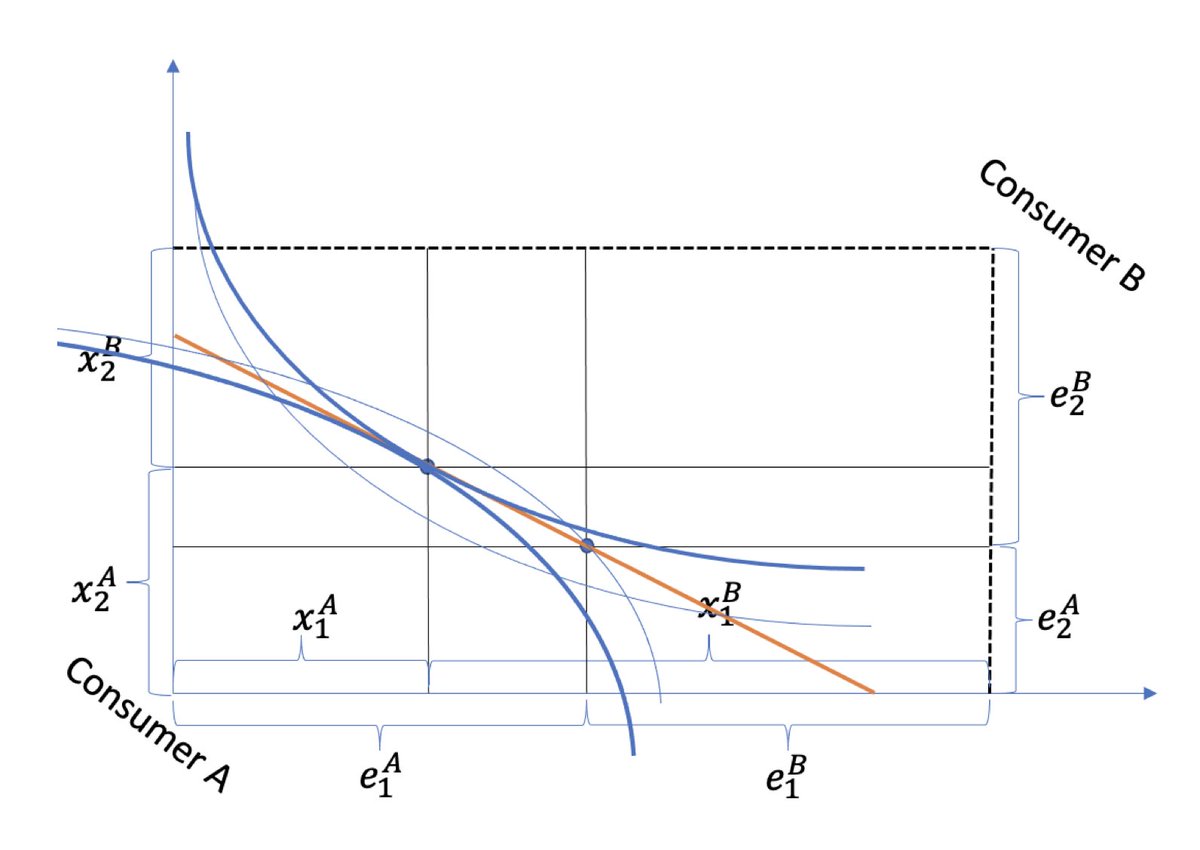
@alz_zyd_ That’s probably true about the undergrad at Chicago, but I doubt it was the case at most other schools. The paragraph below is from the most influential textbook of the 20th century.
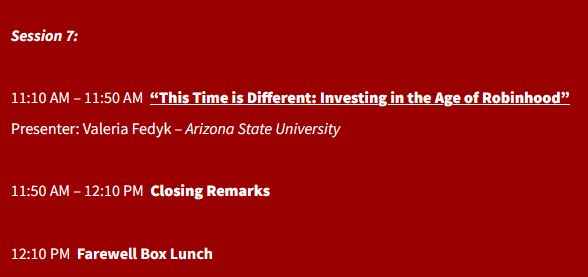
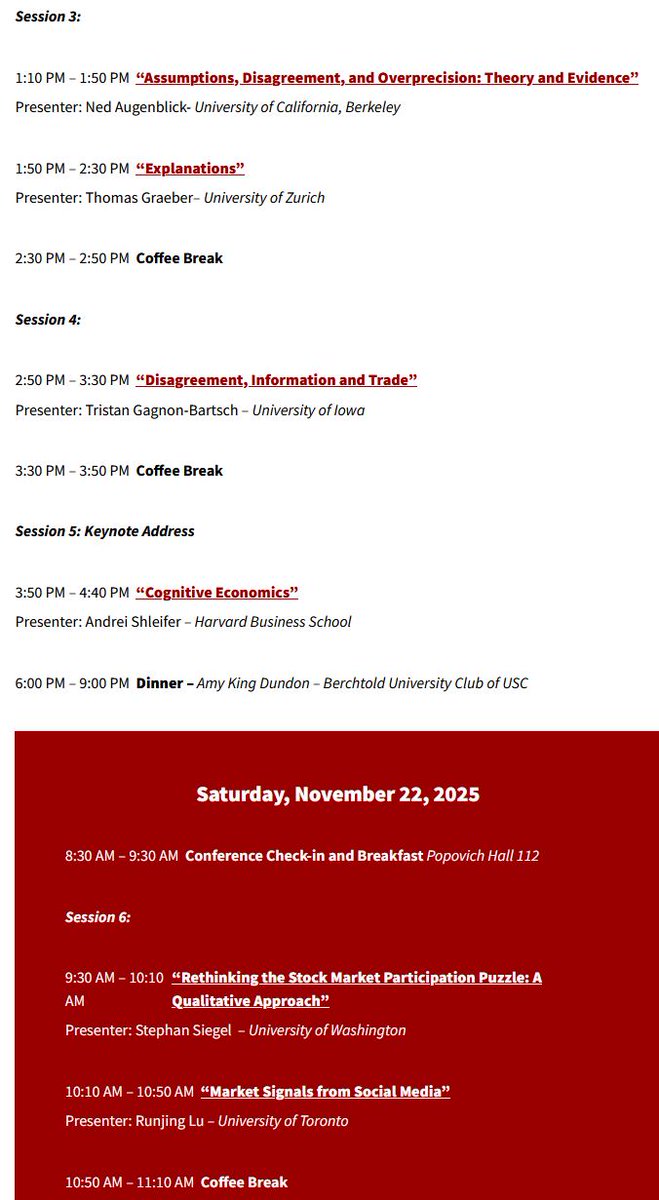
Happy to co-chair this year's Conference on Social and Behavioral Finance (with @danielgott) at USC/Marshall
Keynote speaker Andrei Shleifer on “Cognitive Economics” & a highly stimulating set of papers and presenters.
https://t.co/QupI8YimeD
#SocialFinance#BehavioralFinance
@alz_zyd_ I don’t think that’s true. Assuming equal weighting of born and unborn and linear utility in lifetime duration, any turnover merely replaces a finite number of lives with an equal number—leaving welfare unchanged. If unborn are weighted less, turnover reduces welfare.