Copilot 5.5 genomics, medicine
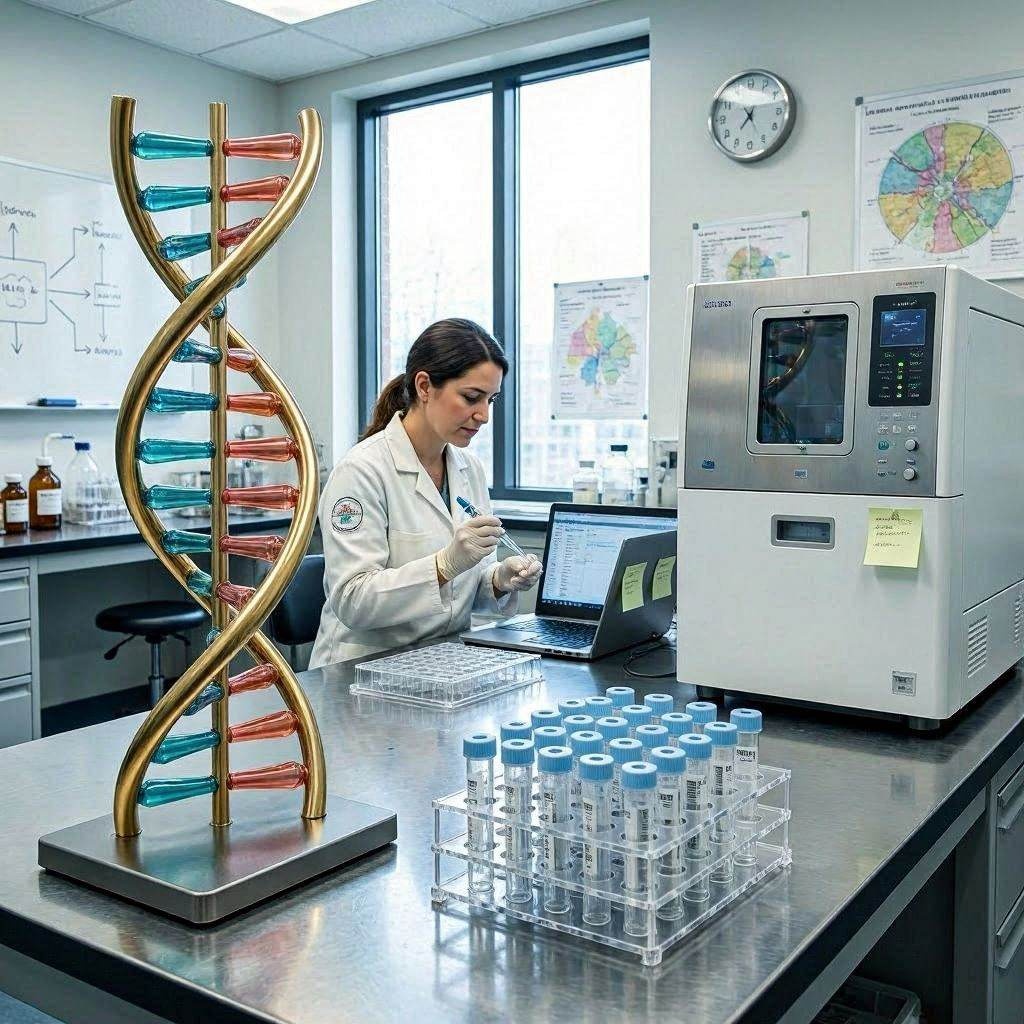
Genomics is being used in medicine today mainly to make care more precise—matching prevention, diagnosis, and treatment to a person’s genetic information.
1. Choosing medications and doses — pharmacogenomics
Pharmacogenomics looks at how a person’s DNA affects their response to drugs. CDC says this can help clinicians know ahead of time whether a drug is likely to benefit someone and be safe for them.
Examples include:
Drug response and side effects: DNA can affect whether a drug works, has no effect, or causes a bad reaction.
Dose selection: NIH describes the goal as moving away from one-size-fits-all dosing toward “the right drug at the right dose at the right time for the right patient.”
Drug labels: NIH says pharmacogenomic research has prompted the FDA to include pharmacogenomic information in drug labeling.
2. Cancer treatment
Genomics is widely used in precision oncology, where tumor genetics can help determine which treatments are more likely to work. CDC gives the example of HER2-positive breast cancer, where testing a tumor for HER2 can help determine whether T-DM1 may be appropriate; if the tumor is HER2-negative, T-DM1 will not work for that patient.
3. Rare and undiagnosed diseases
Genomic medicine is used to help diagnose rare genetic disorders, especially when symptoms are complex or the cause is unclear. A 2025 review describes genomic medicine applications in fields including rare genetic disorders, and notes that next-generation sequencing and third-generation sequencing are used to improve diagnostic accuracy and treatment outcomes.
4. Inherited disease risk and prevention
Genomic information can help identify genetic variants that affect disease risk, progression, or treatment response. A review describes genomic medicine as enabling personalized treatment approaches that account for genetic variation influencing disease risk, progression, and treatment response.
5. Gene therapy and genome editing
Genomics is also being used to develop therapies that target the genetic basis of disease. A 2025 review mentions emerging therapies such as CRISPR/Cas-based genome editing and adeno-associated viral vectors as examples of gene-therapy approaches being explored for complex diseases, including rare genetic disorders.
6. Biobanks and population-scale research
Large genomic datasets are being used to shape precision medicine and global health research. NHGRI lists “biobanking with genetics shapes precision medicine and global health” among recent genomic medicine accomplishments.
Important limitations
Genomics is powerful, but not magic. A 2025 review notes ongoing challenges to integrating genomic medicine into routine care, including cost barriers, data interpretation complexity, and the need for broader genomic literacy among healthcare professionals.
Bottom line: genomics is already used for medication selection, cancer treatment decisions, rare-disease diagnosis, inherited-risk assessment, and gene-targeted therapies—but its usefulness depends on the condition, the quality of evidence, and how well results are interpreted in clinical context.
Copilot 5.5 cholesteryl ester transfer protein
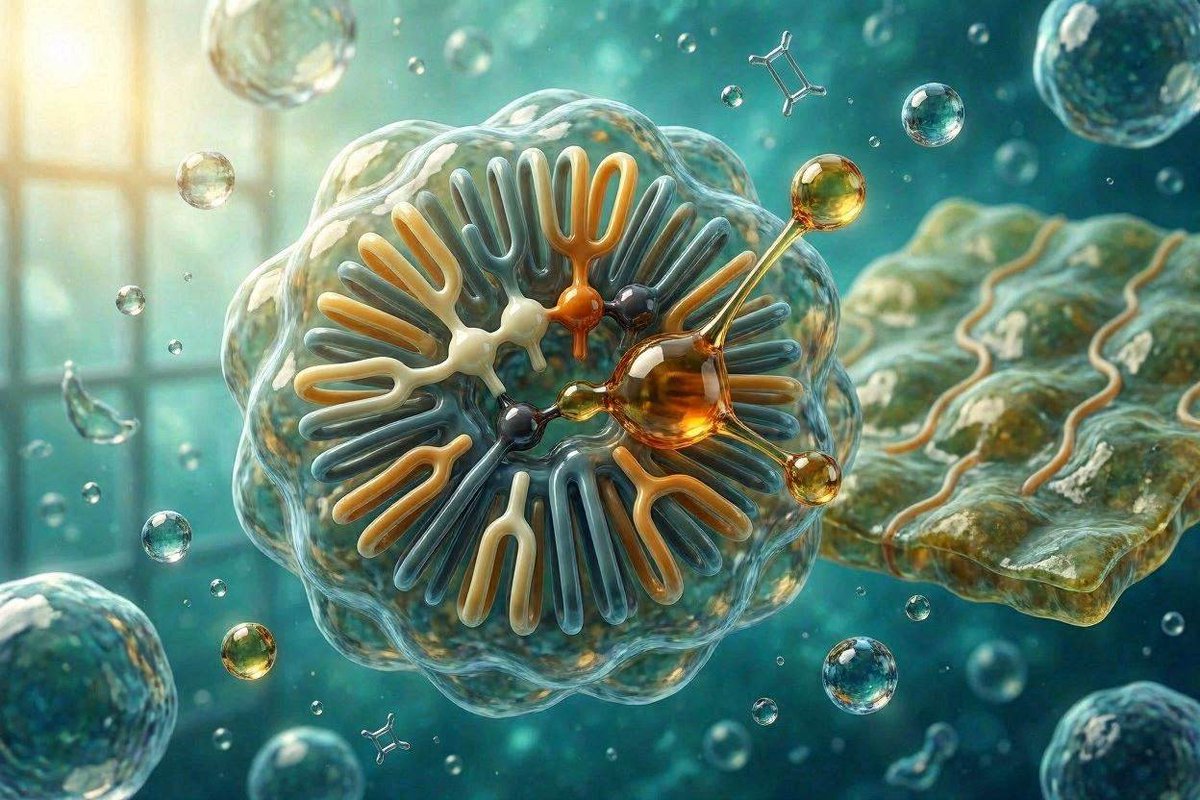
CETP stands for cholesteryl ester transfer protein. The CETP gene provides instructions for a plasma protein that helps transfer neutral lipids—especially cholesteryl esters and triglycerides—between lipoprotein particles such as HDL, VLDL, and LDL.
In simple terms, CETP helps “swap” fats between cholesterol-carrying particles in the blood.
How CETP affects cholesterol particles
CETP activity results in a net transfer of cholesteryl esters from HDL to VLDL and LDL, and a net transfer of triglycerides from VLDL to LDL and HDL.
That matters because:
HDL is commonly called “good cholesterol,” though HDL function is more complex than just a number.
LDL/VLDL/non-HDL particles are more directly tied to atherosclerotic cardiovascular risk.
UniProt also states that CETP regulates reverse cholesterol transport, the process by which excess cholesterol is removed from peripheral tissues and returned to the liver for elimination.
CETP and heart disease research
Because CETP inhibition tends to increase HDL-cholesterol and decrease VLDL- and LDL-cholesterol, CETP inhibition has been studied as a possible way to reduce atherosclerotic cardiovascular disease.
A review notes that this led to the development of CETP-targeting approaches including neutralizing monoclonal antibodies, vaccines, antisense oligonucleotides, and small-molecule CETP inhibitors; four small-molecule inhibitors have been studied in large cardiovascular outcome trials.
CETP variants
OMIM lists CETP at 16q13 and describes it as mediating lipid exchange between lipoproteins, resulting in net transfer of cholesteryl ester from HDL to other lipoproteins.
Some CETP variants are associated with differences in HDL cholesterol levels. OMIM specifically links CETP with high-density lipoprotein cholesterol level QTL 10 and hyperalphalipoproteinemia, which refers to high HDL cholesterol.
Bottom line
CETP is a lipid-transfer gene/protein that influences how cholesterol and triglycerides move between HDL, LDL, and VLDL particles. It’s important in cholesterol biology and cardiovascular research, but CETP genetics alone does not determine heart-disease risk—overall LDL/non-HDL cholesterol, triglycerides, inflammation, blood pressure, diabetes risk, smoking, diet, exercise, and family history all matter too.
Copilot 5.5 science
Human–animal chimeras exist in research, but not in the sci‑fi sense of half-human/half-animal beings.
What “chimera” means
A chimera is an organism or embryo that contains cells from two different genetic sources; in a human–animal chimera, some human cells are introduced into an animal embryo or animal tissue. Reviews describe human–animal chimeras as a technology being studied for basic research and possible organ transplantation applications.
What exists today
Researchers have created animal embryos containing human cells in laboratory settings. For example, human–animal chimera research is discussed as a way to potentially produce human organs in other species using human stem cells such as induced pluripotent stem cells, or iPSCs.
There are also broader interspecies chimera studies aimed at understanding development and possibly engineering human tissues or organs; a 2024 Cell perspective describes “interspecies chimeras” and “interspecies organogenesis” as approaches being explored for generating human tissues and organs.
What does not exist, as far as mainstream evidence shows
There is no credible evidence of fully developed, conscious “human-animal hybrid people” like mythology or science fiction. The real work is mostly about embryos, stem cells, organ development, and transplantation research, not creating humanlike animals.
Why scientists study this
The main motivation is the shortage of transplantable organs. Reviews note that donor organ shortage is a major problem, and human–animal chimera research is being explored because it might someday enable production of patient-specific, immune-matched organs for transplantation.
Why it’s controversial
The field raises ethical concerns, especially around how human cells might contribute to an animal’s brain, reproductive cells, or overall development. One 2023 article specifically discusses ethical concerns related to human–animal chimera formation for organ transplantation.
Bottom line: human–animal chimeras exist as a biomedical research concept and in experimental embryo/stem-cell work, but not as fully developed “hybrid creatures.”
Copilot 5.5 glucagon
Insulin and glucagon are like opposing thermostats for blood sugar.
The basic relationship
Insulin lowers blood glucose. It’s released when blood sugar rises, such as after eating carbohydrates. Insulin helps glucose move from the blood into cells and supports storage of extra glucose as glycogen.
Glucagon raises blood glucose. It’s released when blood sugar falls, such as between meals, during fasting, or with prolonged exercise. Glucagon signals the liver to convert stored glycogen back into glucose and release it into the blood.
Both are made in the pancreas: insulin by beta cells, glucagon by alpha cells.
Simple analogy
Think of blood sugar like the level of water in a tank:
Insulin is the drain/storage signal: “Blood sugar is high—move glucose into cells or store it.”
Glucagon is the refill signal: “Blood sugar is low—release stored glucose.”
Together they maintain glucose homeostasis, meaning a relatively stable internal blood sugar environment.
After a meal vs. between meals
After eating
Carbohydrates are broken down into glucose, blood glucose rises, and the pancreas releases insulin. Insulin helps cells take in glucose and helps the liver store some as glycogen.
Between meals or fasting
Blood glucose drops, and the pancreas releases glucagon. Glucagon tells the liver to break glycogen back into glucose so blood sugar does not fall too low.
In one sentence
Insulin stores and lowers blood sugar; glucagon mobilizes stored fuel and raises blood sugar.
Copilot 5.5 resveratrol, nad+
Foods rich in resveratrol
Resveratrol is a plant polyphenol found especially in grape skins, some berries, nuts, and peanuts. Good food sources include:
Red/purple grapes — resveratrol is concentrated in grape skins; red wine has more than white/rosé largely because of skin contact, but you don’t need alcohol to get it.
Blueberries and cranberries — listed as resveratrol-containing foods.
Walnuts — noted as a surprising source of resveratrol.
Peanuts / peanut butter — peanuts are commonly listed among resveratrol sources.
Cocoa / dark chocolate — also appears on resveratrol food-source lists, though amounts vary by product.
Mulberries, red currants, lingonberries, strawberries — listed among resveratrol-containing berries in food-source summaries.
Best practical picks: red/purple grapes, blueberries/cranberries, walnuts, peanuts, and cocoa/dark chocolate.
Foods rich in NAD+
This part is a little different: you generally don’t eat meaningful amounts of NAD+ itself. Instead, foods provide NAD+ precursors—mainly vitamin B3 forms such as niacin/nicotinamide and the amino acid tryptophan, which your body can use to make NAD+.
Foods that support NAD+ production
Fish — salmon, tuna, sardines, anchovies and other fish are listed as niacin/tryptophan-rich NAD-supporting foods.
Poultry — chicken and turkey provide NAD+ precursors like niacin and tryptophan.
Lean meats / liver — meat, especially liver, is listed as a good source of vitamin B3 for NAD+ production.
Mushrooms — listed as a vitamin B3/NAD-supporting food.
Legumes — lentils, kidney beans, and other legumes provide niacin and/or tryptophan.
Whole grains / fortified grains — grains are listed as vitamin B3 sources that support NAD+ production.
Nuts and seeds — included among plant-based sources of niacin and tryptophan.
Dairy and eggs — protein-rich foods such as dairy and eggs contribute tryptophan.
Avocado, edamame, milk, broccoli — sometimes mentioned because they may contain trace direct precursors like NMN/NR, but sources note these are present in small or trace amounts, so B3- and protein-rich foods do most of the work.
That gives you resveratrol/polyphenols plus niacin and tryptophan in a food-first way.
Copilot 5.5 food
Middle Eastern food that follows a Mediterranean-style pattern is generally very healthy, especially when it’s built around vegetables, legumes, whole grains, nuts/seeds, olive oil, herbs, fish/poultry, and smaller amounts of red meat. The Mediterranean diet is recognized as a healthy eating pattern by Mayo Clinic and the World Health Organization, and it’s linked with lower heart-disease risk factors such as high cholesterol and high blood pressure.
Why it can be healthy
A Mediterranean-style diet emphasizes plant foods — vegetables, fruits, herbs, nuts, beans, and whole grains — with olive oil as a major fat source and moderate amounts of dairy, poultry, eggs, and seafood. That overlaps really well with many traditional Middle Eastern foods like hummus, lentil soup, tabbouleh, fattoush, grilled vegetables, olive oil-based dishes, yogurt, herbs, and beans.
The American Heart Association says a Mediterranean-style diet typically includes plenty of fruits, vegetables, grains, potatoes, beans, nuts, seeds, olive oil as the primary fat, and low-to-moderate amounts of dairy, eggs, fish, and poultry; it also says this style of eating can help with preventing heart disease and stroke and reducing risk factors such as obesity, diabetes, high cholesterol, and high blood pressure.
Best Middle Eastern choices in that pattern
Think of meals like:
Hummus + vegetables + whole-grain pita
Lentil soup
Tabbouleh or fattoush
Grilled fish or chicken
Mujadara — lentils, rice/bulgur, onions
Ful medames — fava beans
Labneh/yogurt with olive oil and herbs
Eggplant dishes like baba ghanoush, especially when not overloaded with oil
These fit the broad Mediterranean principles: lots of legumes, vegetables, herbs, olive oil, and less emphasis on red meat.
Where it can become less healthy
Middle Eastern food can drift away from the Mediterranean pattern if it becomes heavy in:
Fried foods — falafel is delicious, but frying changes the profile
Large portions of white rice or white pita
Lots of red meat or processed meats
Very salty pickles, cheeses, sauces, or cured foods
Sweet pastries and syrups, like baklava or kanafeh, as frequent foods
The American Heart Association’s Mediterranean-style guidance specifically emphasizes limiting added sugars, sugary beverages, sodium, highly processed foods, refined carbohydrates, saturated fats, and fatty or processed meats.
Bottom line
Middle Eastern food can be very healthy when it’s more “traditional Mediterranean”: legumes, vegetables, herbs, olive oil, yogurt, nuts, fish/chicken, and whole grains. It’s less healthy when the meal is mostly fried items, refined bread/rice, salty sides, sweets, and large portions of meat.
Copilot 5.5 metabolic syndrome
Gerald M. Reaven was a Stanford physician-researcher whose 1988 Banting Lecture, titled“Role of Insulin Resistance in Human Disease,” became a landmark paper in diabetes/metabolic disease research. It was published in Diabetes in December 1988, volume 37, issue 12, pages 1595–1607.
The core idea
Reaven argued that insulin resistance was not just relevant to diabetes, but could help explain a broader cluster of metabolic problems. In the abstract, he stated that resistance to insulin-stimulated glucose uptake is present in the majority of people with impaired glucose tolerance or non-insulin-dependent diabetes mellitus — what we’d now usually call type 2 diabetes — and in about 25% of nonobese people with normal oral glucose tolerance.
Hyperinsulinemia: compensation with a cost
A key point was that when someone is insulin resistant, the pancreatic beta cells may compensate by secreting more insulin, creating chronic hyperinsulinemia. Reaven described this as protective against worsening glucose control — but “not without its price.”
Links to hypertension and lipids
Reaven connected insulin resistance and hyperinsulinemia with other cardiovascular risk factors. The paper’s abstract says that patients with hypertension, whether treated or untreated, are insulin resistant, hyperglycemic, and hyperinsulinemic, and that a direct relationship between plasma insulin concentration and blood pressure had been noted.
Why it became important
This 1988 lecture is widely remembered because it helped frame what later became known as the metabolic syndrome concept: the clustering of insulin resistance with glucose intolerance, high triglycerides, low HDL cholesterol, and hypertension. A research-library summary describes the lecture as introducing “Syndrome X,” a cluster of insulin resistance with metabolic abnormalities.
In plain English
Reaven’s 1988 message was essentially:
Some people’s bodies need much more insulin than normal to handle glucose. That compensation can keep blood sugar under control for a while, but it may come with other problems — including abnormal lipids and high blood pressure — that raise cardiovascular risk.
Copilot 5.5 insulin
F. G. Banting refers to Sir Frederick Grant Banting, a Canadian physician and surgeon best known for his role in the discovery of insulin. In 1921, Banting worked at the University of Toronto with medical student Charles H. Best, under the supervision of J. J. R. Macleod, to isolate insulin from the pancreas.
What happened in 1921?
By that time, scientists suspected the pancreas produced a substance that controlled blood sugar, but attempts to extract it had failed because pancreatic digestive enzymes destroyed it. Banting’s idea was to tie off the pancreatic ducts so that much of the pancreas would degenerate while preserving the insulin-producing islet cells.
In May 1921, Banting and Best began experiments in Macleod’s lab at the University of Toronto. They worked with dogs, removing or disabling pancreatic function to produce diabetes, then testing pancreatic extracts to see whether blood sugar levels improved.
By November 1921, Diabetes UK says the team had successfully treated a dog with diabetes using their insulin extract for 70 days, showing they were on the path to a major medical breakthrough.
Why it mattered
Before insulin, type 1 diabetes was often fatal. Insulin injections became the first effective treatment for diabetes, allowing people with diabetes to manage a disease that had previously been considered deadly.
What came next
The insulin work continued into 1922, when James B. Collip helped purify insulin for human use. The first human insulin treatment was given to 14-year-old Leonard Thompson in January 1922, according to UMass Chan Medical School.
In 1923, Banting and Macleod received the Nobel Prize in Physiology or Medicine for the discovery of insulin; Banting shared his prize money with Best.
In short: 1921 was the year Banting’s idea, tested with Best in Toronto, turned insulin from a suspected pancreatic substance into a practical medical breakthrough.
Copilot 5.5 sugar
Sugar isn’t “bad” in every form. Naturally occurring sugars in whole foods like fruit, vegetables, grains, and dairy come packaged with fiber, protein, vitamins, minerals, and other nutrients. The bigger concern is added sugar—sugar added during processing/preparation, including syrups, honey, and concentrated fruit/vegetable juices.
Negative effects of too much added sugar
1. Weight gain and obesity
Added sugars add calories without much nutrition, and CDC says consuming too much added sugar can contribute to weight gain and obesity. The American Heart Association similarly notes added sugars provide “zero nutritional benefit” while adding calories that can contribute to overweight or obesity.
2. Higher risk of type 2 diabetes
CDC lists type 2 diabetes as one of the health problems linked with consuming too much added sugar. Harvard Health also notes that sugary drinks and foods can strain the body’s blood sugar control system, “setting the stage for diabetes.” [
3. Heart disease risk
CDC says too much added sugar can contribute to heart disease. Harvard Health reports that diets high in processed sugars were linked to increased risk of coronary artery disease, while naturally occurring sugars in fruits and vegetables were not associated with higher heart-problem risk.
4. Higher blood pressure and tooth decay from sugary drinks
CDC says consuming too many sugary drinks is associated with weight gain and obesity, type 2 diabetes, high blood pressure, and tooth decay.
5. Makes it harder to meet nutrient needs
The FDA says consuming too much added sugar can make it difficult to meet nutrient needs while staying within calorie limits. In plain English: sugary foods can crowd out more nourishing foods.
6. Triglycerides and fat metabolism
Harvard Health says too much added sugar can spur the liver to pump out triglycerides and other fats into the bloodstream.
Biggest sources to watch
Common sources include sugary drinks, desserts, sweet snacks, candy, sweetened coffee/tea, breakfast cereals/bars, sweetened yogurts, and flavored milks. Added sugar can also show up in less-obvious foods like soups, bread, cured meat, ketchup, sauces, and processed foods.
How much is too much?
The FDA’s Daily Value for added sugars is 50 grams per day based on a 2,000-calorie diet, matching the Dietary Guidelines’ recommendation to limit added sugars to less than 10% of total calories.
The American Heart Association recommends a stricter limit: no more than 6% of calories from added sugar—about 6 teaspoons/day for most women and 9 teaspoons/day for men.
A practical first step: cut back on sweet drinks first—soda, sweet tea, energy drinks, sports drinks, and sweetened coffee drinks—because they’re major sources of added sugar and don’t tend to be very filling.
Copilot 5.5 chitin
Chitin is a structural fiber/polysaccharide found mainly in crustacean shells, insect exoskeletons, fungal cell walls, and mollusk shells. It’s not abundant in most everyday plant foods.
Foods / food-related sources richest in chitin
Shellfish shells
Shrimp, crab, lobster, prawn, and crayfish shells are among the classic chitin sources. The meat isn’t the rich part — the shell/exoskeleton is.
Edible insects
Crickets, grasshoppers, mealworms, and similar edible insects contain chitin in their exoskeletons. Chitin from insects is also being explored as a sustainable source.
Mushrooms / fungi
Mushrooms contain chitin in their cell walls. Common edible options include shiitake, oyster, portobello, button, and maitake mushrooms.
Mollusk shells
Clam, oyster, mussel, and similar shells can contain chitin, but these shells generally aren’t eaten as food; they’re more relevant as extraction sources.
Practical takeaway
If you want chitin from normal foods, mushrooms are the easiest everyday source. If you’re open to less common foods, edible insects are more direct chitin sources. Shellfish shells are chitin-rich, but they’re usually not eaten unless in very soft-shell forms or processed into supplements.
Copilot 5.5 lipase
Lipase is the digestive enzyme that helps break down fats. Your body makes it naturally, but some foods contain lipase or other digestive enzymes that may support digestion.
Foods commonly cited as containing lipase
Avocados — often listed as a food source of lipase, which helps break down fats.
Fermented foods — such as kimchi, miso, sauerkraut, kefir, and sometimes yogurt; fermentation can make foods rich in digestive enzymes.
Mangoes, bananas, papaya, and pineapple — these are enzyme-rich foods, though many are better known for enzymes that digest carbs or proteins rather than lipase specifically.
Raw honey — commonly included on lists of foods with natural digestive enzymes.
Copilot 5.5 take it down act
The TAKE IT DOWN Act is a U.S. federal law aimed at nonconsensual intimate images, including AI-generated “deepfake” images that depict real, identifiable people. https://t.co/noFSeGJE7y’s CRS summary says the law criminalizes the nonconsensual publication of intimate images, including “digital forgeries,” in certain circumstances, and requires certain websites/apps — “covered platforms” — to create a notice-and-removal process.
What the law does
1. Creates federal criminal penalties for certain image-based abuse
RAINN summarizes that the Act makes it a federal crime to knowingly share or threaten to share nonconsensual intimate images, including AI-generated images depicting real people.
2. Requires platforms to remove reported content quickly
The FTC says the law requires covered platforms, at the request of victims, to remove intimate photos or videos shared online without consent.
The FTC also says covered platforms must give people a way to request removal and must remove those images, plus known identical copies, within 48 hours of a valid request.
3. Gives the FTC enforcement authority for platform compliance
The FTC says it enforces Section 3 of the TAKE IT DOWN Act and launched https://t.co/FBwTwtFcRE so people can submit complaints about platforms that fail to comply with removal obligations or fail to create a request process.
Timeline
https://t.co/noFSeGJE7y’s CRS summary says the President signed the bill into law on May 19, 2025; the criminal prohibition took effect immediately, while covered platforms had one year, until May 19, 2026, to establish the required notice-and-removal process.
The FTC says it began enforcing the Act on May 19, 2026.
Why it matters
Before this law, victims often had to rely on inconsistent platform policies or state laws. The TAKE IT DOWN Act creates a federal framework that targets both the person posting/threatening the content and covered platforms that fail to provide removal procedures. RAINN describes it as legislation that combats the online spread of nonconsensual intimate images and says it especially protects victims of tech-enabled abuse.
Practical takeaway
If someone posts or threatens to post nonconsensual intimate images, the Act may give the victim a way to request platform removal and may also create federal criminal exposure for the person responsible. If a platform does not remove qualifying content after a valid request, the FTC says complaints can be submitted at https://t.co/FBwTwtFcRE.
If this is about something happening to you, save evidence first — messages, usernames, URLs, screenshots, and timestamps — before blocking or reporting.
Copilot 5.5 lifespan
What projections say
The Global Burden of Disease 2021 forecast, reported by IHME, projects global life expectancy rising from 73.6 years in 2022 to 78.1 years in 2050, a 4.5-year increase.
The BMJ summary of the same Lancet-published Global Burden of Disease forecast gives a very similar projection: life expectancy rising from 73.6 years in 2022 to 78.2 years in 2050.
So over roughly the next two decades, the direction is expected to be upward, but not necessarily dramatically upward everywhere.
Why lifespan is expected to increase
The IHME summary says projected gains are expected to be largest in countries with lower current life expectancies, reducing global disparities.
It also says the trend is largely driven by public-health measures that have improved survival from cardiovascular diseases, COVID-19, and communicable, maternal, neonatal, and nutritional diseases.
What could slow the increase
The same forecast warns that disease burden is shifting toward non-communicable diseases, including cardiovascular disease, cancer, chronic obstructive pulmonary disease, and diabetes, along with risk factors such as obesity, high blood pressure, non-optimal diet, and smoking.
The BMJ summary says improvement over the next three decades is expected to be at a slower pace than in the three decades before the COVID-19 pandemic.
Lifespan vs. healthy lifespan
A key nuance: people may live longer, but not all added years may be healthy years. IHME projects healthy life expectancy rising from 64.8 years in 2022 to 67.4 years in 2050, a 2.6-year increase, which is smaller than the projected increase in total life expectancy.
Bottom line
It is highly likely that average global lifespan will increase over the next 20 years, but the increase will probably be gradual rather than explosive. The biggest challenge is that longevity gains may increasingly depend on preventing and managing chronic diseases like diabetes, cardiovascular disease, cancer, obesity-related illness, and dementia.