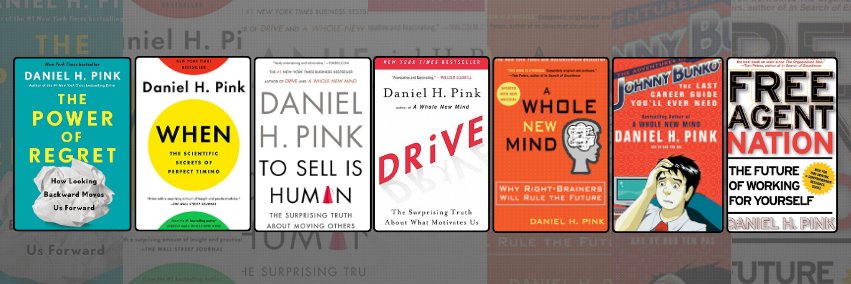
For the last 20+ years, I’ve been studying work, creativity, science, and the human condition.
Over the next few months, I’ll be sharing the best of what I’ve learned about living a life that matters. Stay tuned!
The implication of all this is not to throw up our hands and do nothing. Instead, it’s to reorient what we do.
We've spent decades studying the wrong environmental levers for adult cognition. The real ones may be unpredictable by design.
Question worth sitting with:
What would education policy look like knowing that the one thing shared environment does affect is the decision to pursue more education?
Maybe there’d be a much greater push toward equal access and building ladders everyone, no matter to whom they’re born, can climb.
Your childhood home shapes your intelligence early in life.
But new research finds something surprising:
By adulthood, parenting and home environment have little effect on your brainpower. 🧵
Random means: accidents, illnesses, micro-environments, maybe even who your friends happen to be.
Not parenting. Not schools. Not socioeconomic status within the normal range.
When you're struggling to focus, stop asking "what's wrong with me?"
Ask "what's wrong with my setup?"
Flow is mechanics, not magic. Build the machine and it functions for you.
Step 6: Start before you feel ready.
Flow doesn't come first. Action does.
You start → you focus → sometimes you reach flow.
Motivation isn't a prerequisite. It's often a result.
Takeaway: stop self-soothing with content before tasks that need fresh ideas.
Pick the thing that confuses you a little.
What was the last thing you watched that left you slightly puzzled?
That's probably the one that helped.
The mechanism wasn't pleasure.
It was openness — a temporary, broadened mental state.
Friction and challenge sparked ideas in a way that comfort did not.