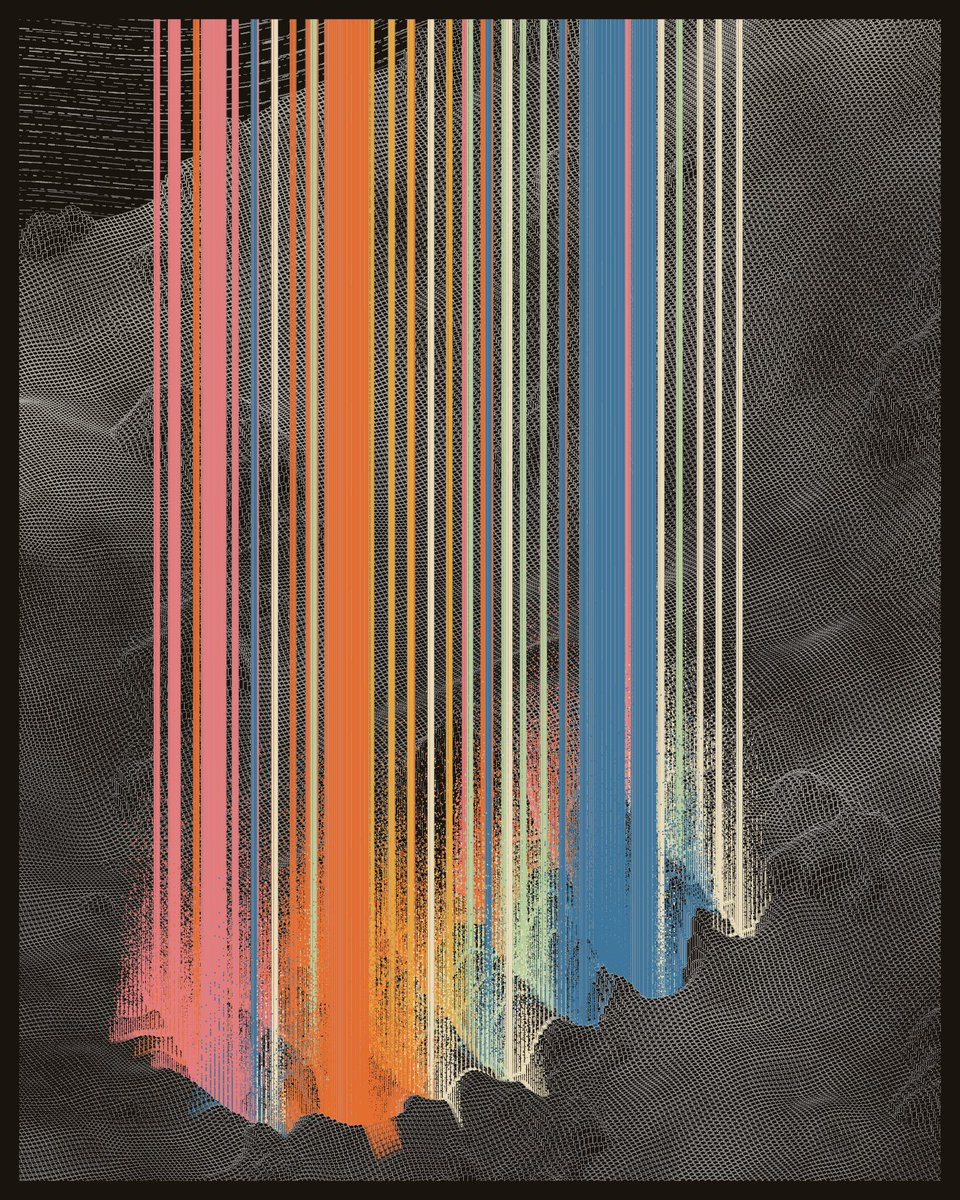
How would you describe @ArtOnBlockchain in 1 word?
We challenge every guest on our podcast to do this, this video is a short compilation of their responses.
We could never appreciate Snowfro enough for all he's done. This is just a small token 🌈❤️
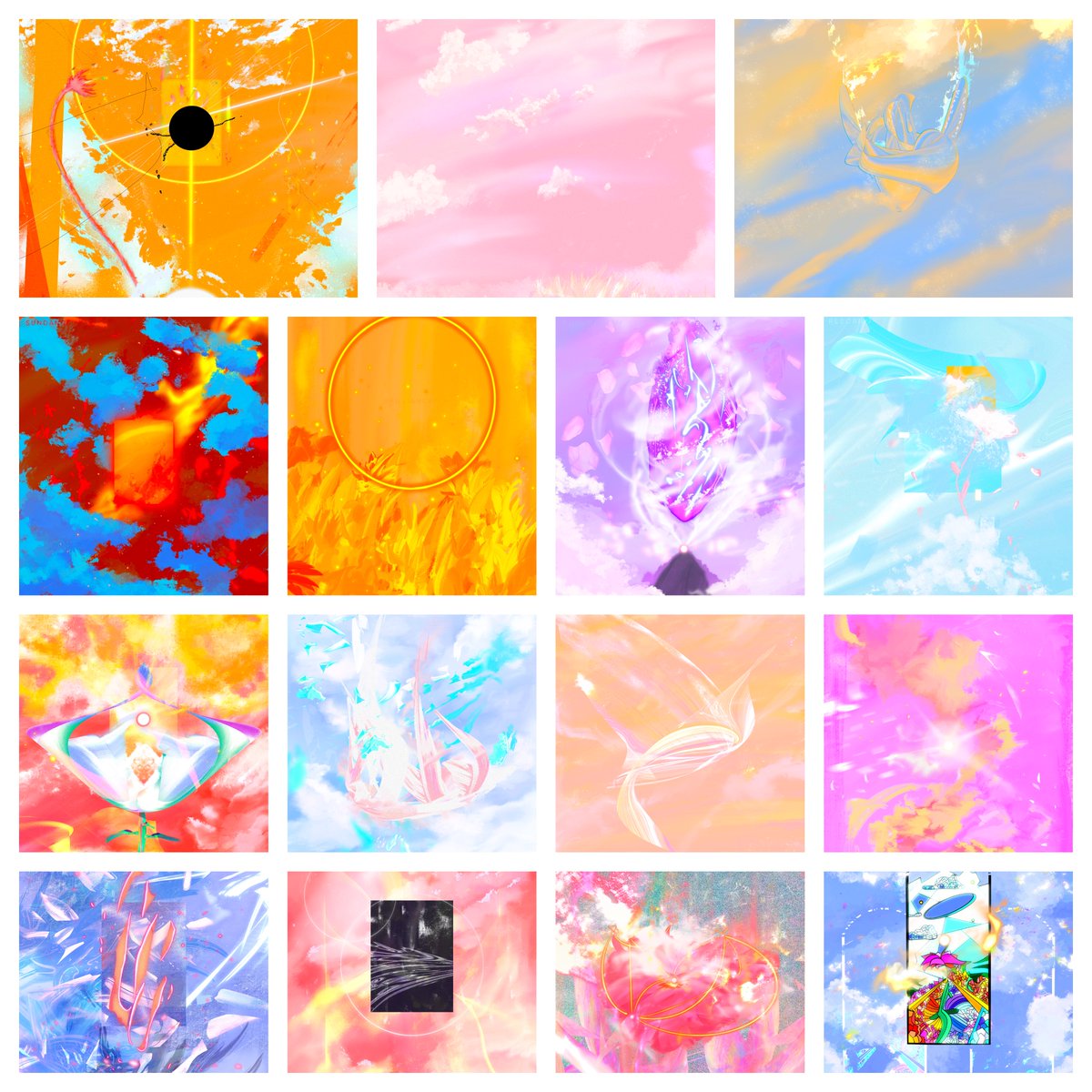
last August I created a collection of 15 1/1s called
A W A K E N I N G / /. it was meant to explore everything I’ve learned over the last few years of making art. Some of the pieces were sold, some were given to friends as tokens of friendship.
Today all 15 pieces found homes!
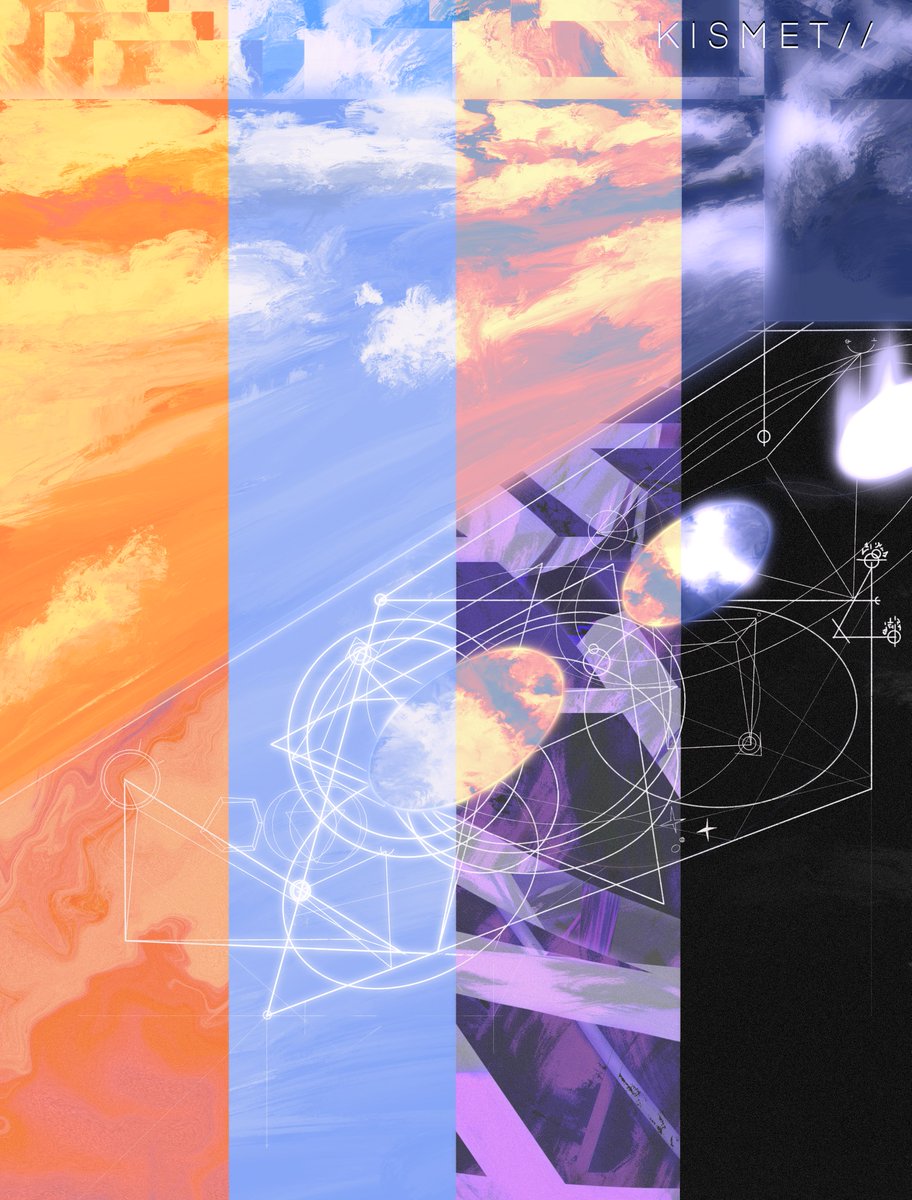
K I S M E T / /
My first dynamic artwork will be available TOMORROW (10AM PST) 20 editions for .069 ETH
Kismet has 4 variations, changing every 6 hrs!
A huge thank you to @yungwknd for helping me. I will be sending 50% of the primary
to him❤️
TY ALL, I hope you love it☁️
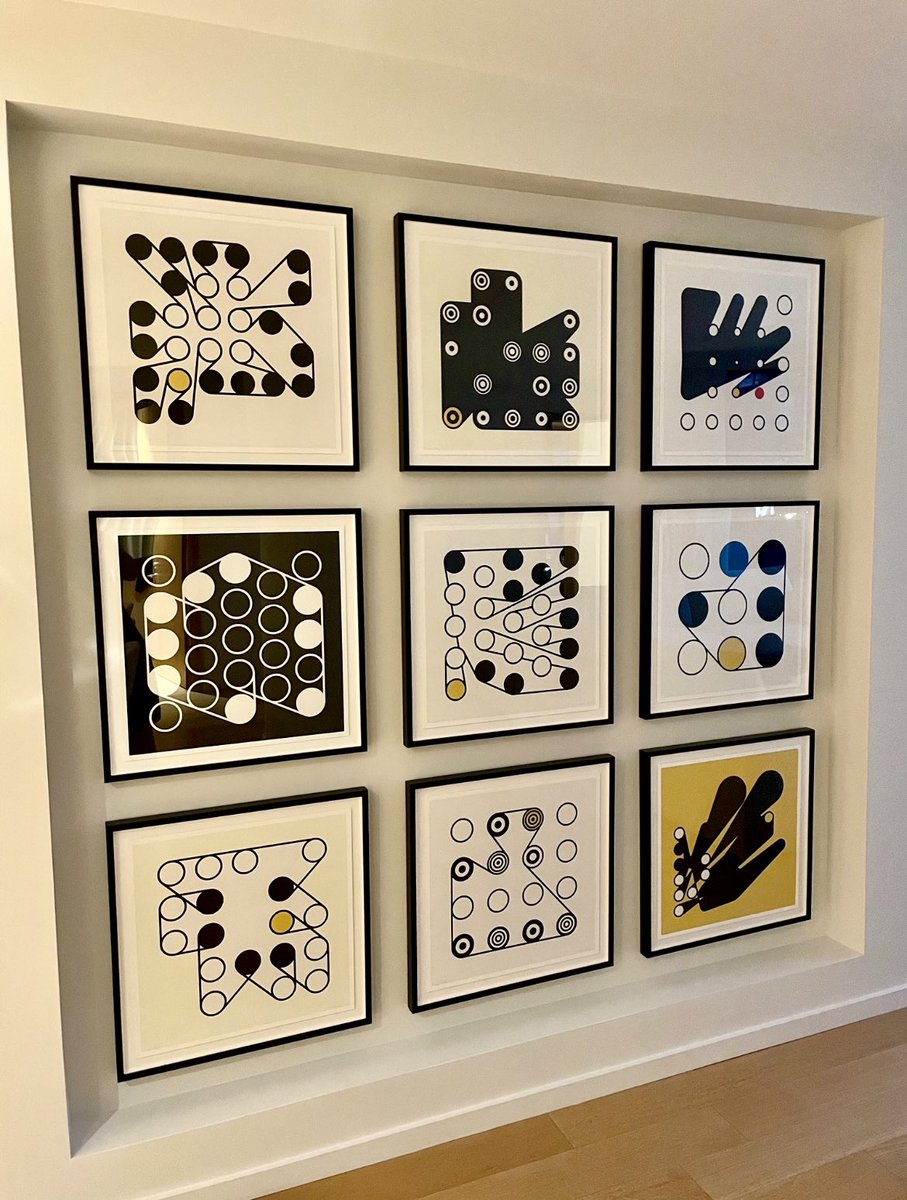
We recently acquired 11 extraordinary pieces in our largest acquisition to date.
Our sincerest appreciation to @blockbird and all the artists involved:
A 🧵 (1/11)...
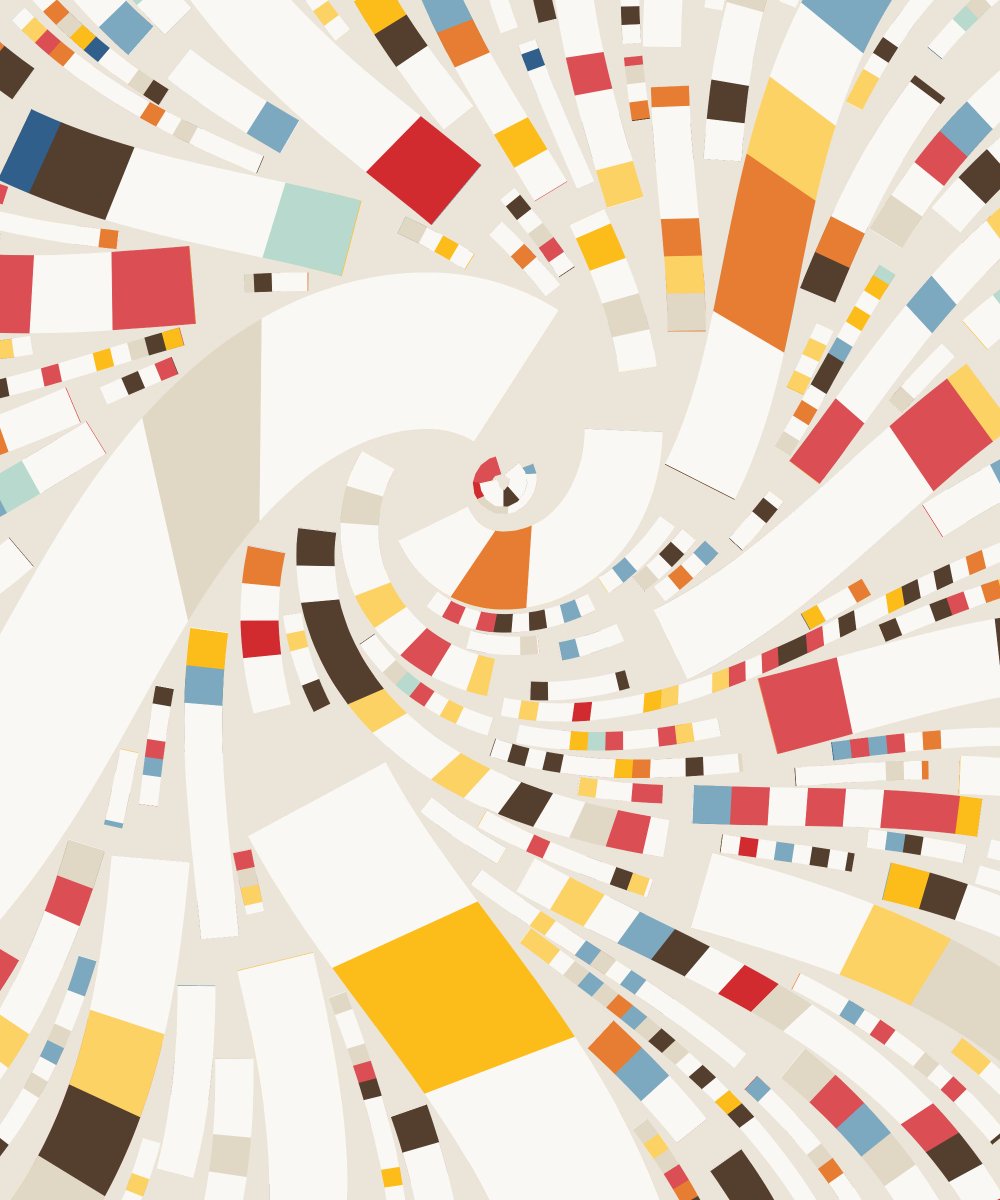
1. Fidenza #575, @tylerxhobbs, 2021 🌀
To me, the MoMA Postcard project is both a reflection of the unique global community that tokenized art has created, as well as an opportunity to pay homage to some of the earliest, most iconic projects that helped propel the community to where it is today.
One of the aspects of crypto art that might be obvious to its participants, but is not so clear to outsiders is just how global this movement is. As a Canadian, I now have friends all over the world who I talk to, sometimes through translation software, on a daily basis. I get to visit their homes, meet their families, and the world sure does feel smaller and more connected because of it. It’s a great reminder that even though our surroundings and customs are different, most people are kind-hearted and well-meaning, and for whatever reason, art is universally something we can all bond over. This has truly been my favorite aspect of what has unfolded over the last few years, and although the miles between the artists are being added with each stamp, hopefully the act of creating these postcards brings us closer together.
While the concept of a postcard chain letter elucidates this global yet tightly connected community, the MoMA’s 10 x 10 pixel constraint for the “stamps” places some restrictions on what is possible. Though it does work nicely for the genre of pixel art. To me it is heavily reminiscent of the CryptoPunks, one of the first well known blockchain-based token projects and the accidental inspiration for what is known as the “10K PFP,” where PFP stands for Profile Picture. This set of 10,000 blockchain collectibles, made by the Canadian duo of artists and technologists, Matt Hall (@matthall2000) and John Watkinson (@pents90) known as Larva Labs, was originally imagined as the digital equivalent of the hockey cards they traded in their youth. The CryptoPunks became used as profile pictures for online social networks, often allowing their owners to represent themselves online, separating their digital lives from their “IRL” personality but also allowing them to associate themselves with the unique generated characteristics of their avatar. At first it was considered very nerdy to use a CryptoPunk as your profile picture, but as the focus on NFTs began to sharpen in 2020, these “PFPs” became highly sought after due to their early and influential status.
After CryptoPunks became popular, new PFP projects arrived in full force. Some projects were purely mercenary, but some created a real sense of community through a mix of financial alignment, non-stop activity, comic relief, and the acknowledgment of the absurdity of life during the COVID lockdowns. In my opinion, the explosion of PFP projects and their association with the blockchain has both hurt and helped tokenized artwork gain legitimacy in the art world. PFPs are often crass yet hugely lucrative. It is understandable that the institutional art world has been simultaneously seduced and repulsed by PFPs, even to this day.
Artists like me share this ambivalence. The success and media attention of one PFP project in particular, Bored Ape Yacht Club, a bunch of indifferent apes with a penchant for boating or so they claim, now means that whenever an artist with an interesting digital practice tokenizes an artwork, our work is lumped together with “expensive monkey JPEGs,” for better or worse, no matter how different our art may be.
For the MoMA postcard project, I decided to lean into this association with “expensive monkey JPEGs,” as more of an homage than anything, as it has propelled our space forward and expanded the community. My prompt for my fellow artists was to imagine being tasked with coming up with the official low-effort 10K PFP project for the MoMA, using pixel art in MoMA’s very own color palette, and focusing not on apes, which are already taken, but geese. The generated Geese can have various color ways, facial expressions, hair styles, positions, and accessories - my personal favorite are the flower fascinators.
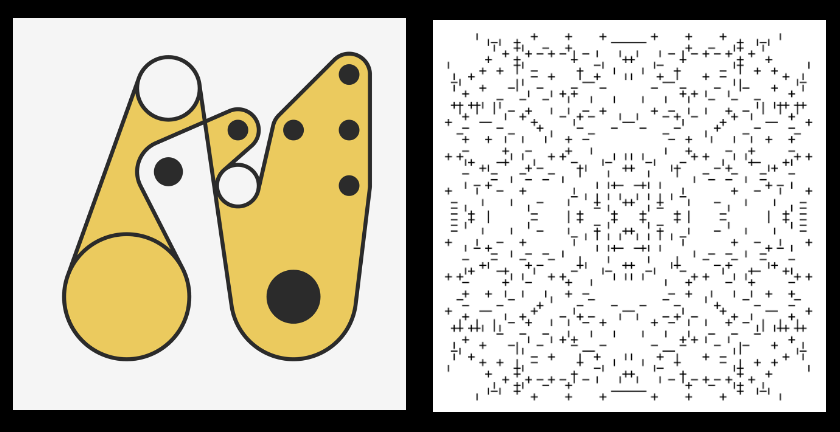
In order to make their work much easier, I developed custom software that runs in the web browser at https://t.co/yqraWXB2Gt to generate their own 10x10 pixel grids and asked them to choose an honorary PFP that they felt best represented them for their stamp. As a generative artist, building software like this is core to my practice.
Why geese? In honor of Ringers #879. Ringers is one of my biggest projects, and Ringers #879, also known as, “The Goose,” has become somewhat notorious. At first, it was valued for its sheer statistical improbability – given the set of parameters and the randomness of the generative outputs, it was fascinating that Ringers could create something that could so plainly and obviously look like a goose – but then it became a talisman for the community in a way. The Goose had become something so much larger than myself, it had truly become a meme.
Ringers was decidedly not a PFP project to start, but it feels poetic to turn the Goose into one for this moment, acknowledging that our art is part of a much bigger movement, much bigger than ourselves.
On a more personal note, the first time I visited the MoMA was in 2001 with my dad. At the time, Van Gogh’s portraits of his Postman were on display, and I recall being deeply moved by the work. To think that more than 20 years later I get to return to the MoMA as “postman” in my own right, and help a younger audience learn about generative art by serving up digital mail means a lot to me.
Generative art season in full force. Notable sales from the last couple of days:
- Fidenza #931: 71 ETH
- Meridian #209: 7.9 ETH
- Ringers #888: 50 ETH
- The Harvest #380: 6 ETH
Something perhaps underconsidered collecting Internet Art is the ability to window shop for any and all works from every single artist. The catalogue is just 10x better than traditional art.
We still need work on discovery UX, but in every way it is easier to shop NFTs than irl.
this message goes out to so many of my collectors, who i admire and appreciate with my whole being🫂
one of which is my great friend @dank_node who has supported me so so much beyond collecting my art— offering advice, guidance, conversation and friendship.
Very grateful! ❤️