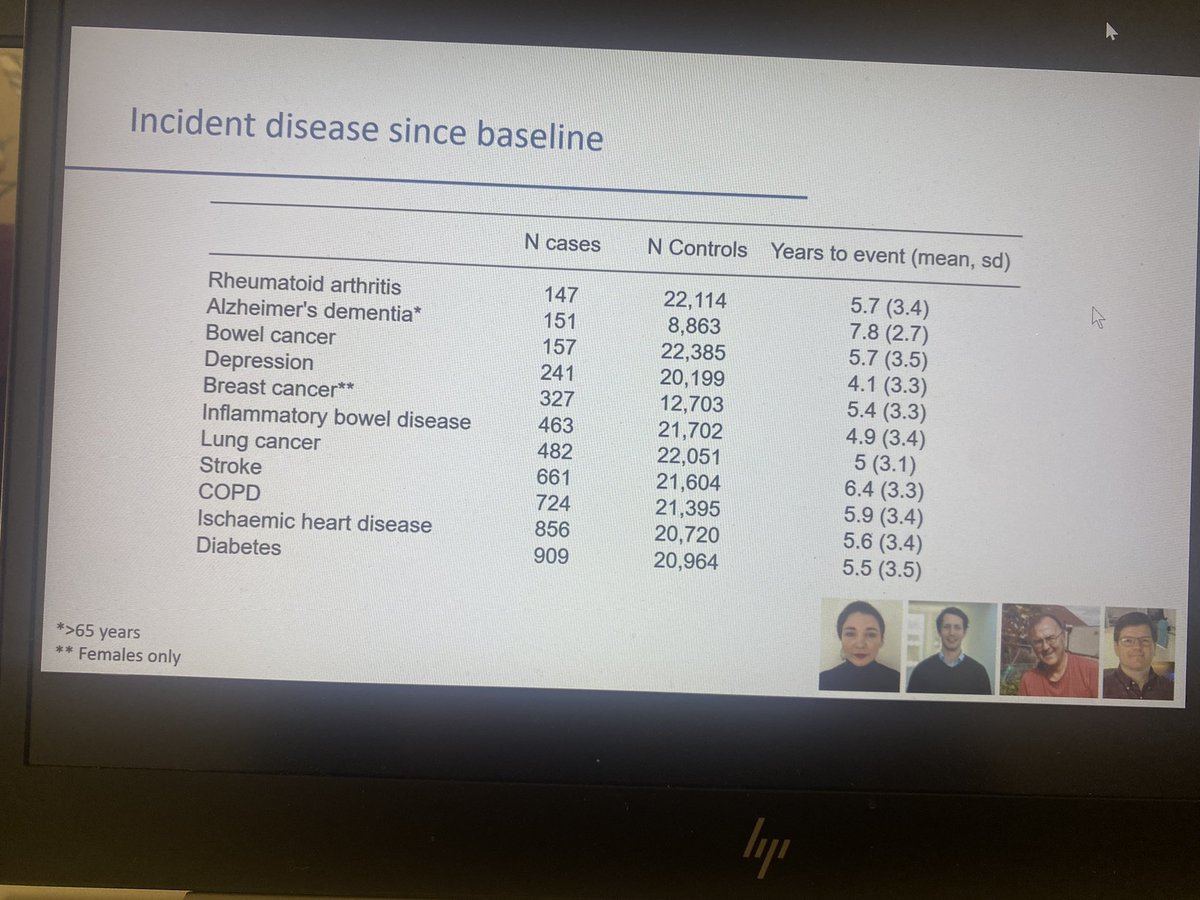
Multiplex blood #proteomics using classic #MachineLearning can predict disease incidences across systems. In case you missed our previous @medrxivpreprint.
https://t.co/VbSrIEEFEc
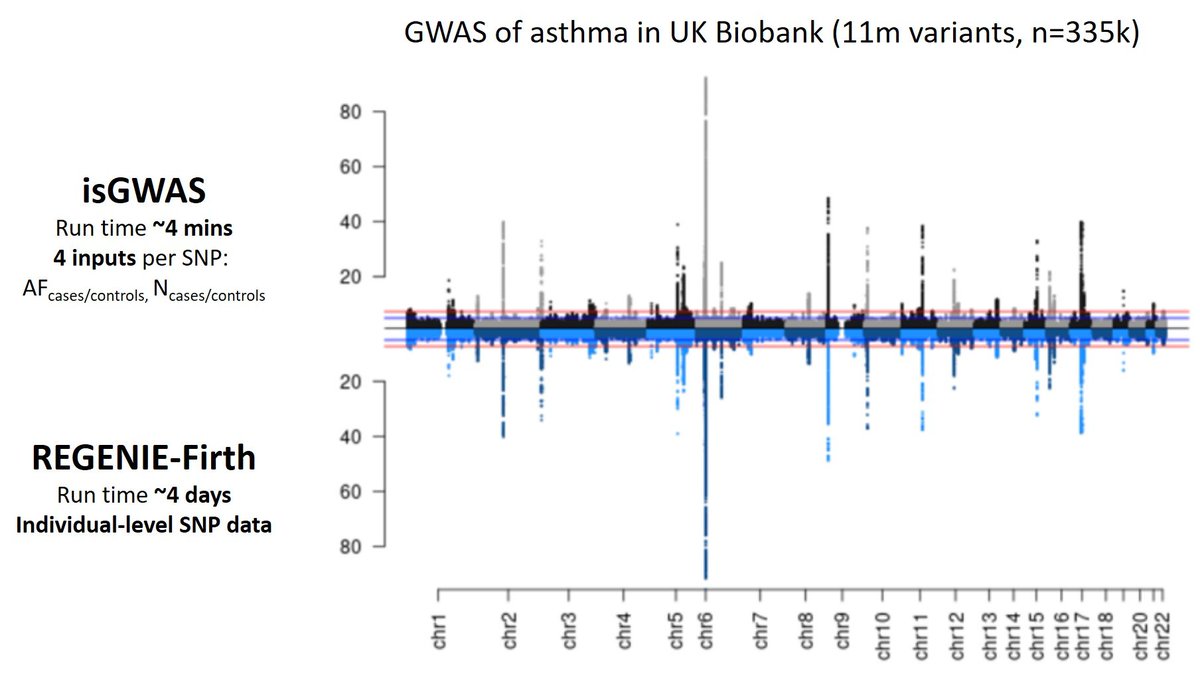
Case-control GWAS on 11m variants in 335k people in <4 mins using ONLY summary-level data! Check out our isGWAS @biorxivpreprint at https://t.co/CpvKCb8Mk4 - large multi GWAS now accessible to all! Made possible with @MarioniGroup @heikorunz @ZhanaKuncheva & Chris Foley!
New paper:
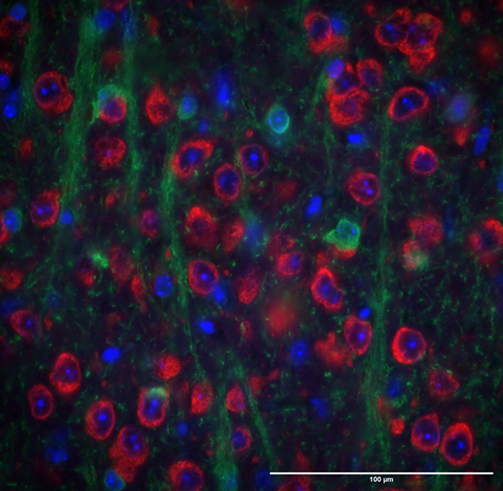
Endogenous epitope tagging of eEF1A2 in mice reveals early embryonic expression of eEF1A2 and subcellular compartmentalisation of neuronal eEF1A1 and eEF1A2 @UoE_CGEM@EdinUni_IGC@CathyAbbottLab@dannigadd@GrantFMarshall
https://t.co/TCUDvk8Q5l
Blood-based epigenome-wide analyses of 19 common disease states: A longitudinal, population-based linked cohort study of 18,413 Scottish individuals
@RobertHillary, @dannigadd, and colleagues!
Amazing paper!
https://t.co/TC2Dg8NdAQ
Exchange between @EdinUni_IGC and @IMBatUQ allowed collaborative genomics research by PhD students @dannigadd (@MarioniGroup) and Alesha Hatton (McRae Research Group), including utilising the @genscot dataset.
https://t.co/SfaOF1tca6
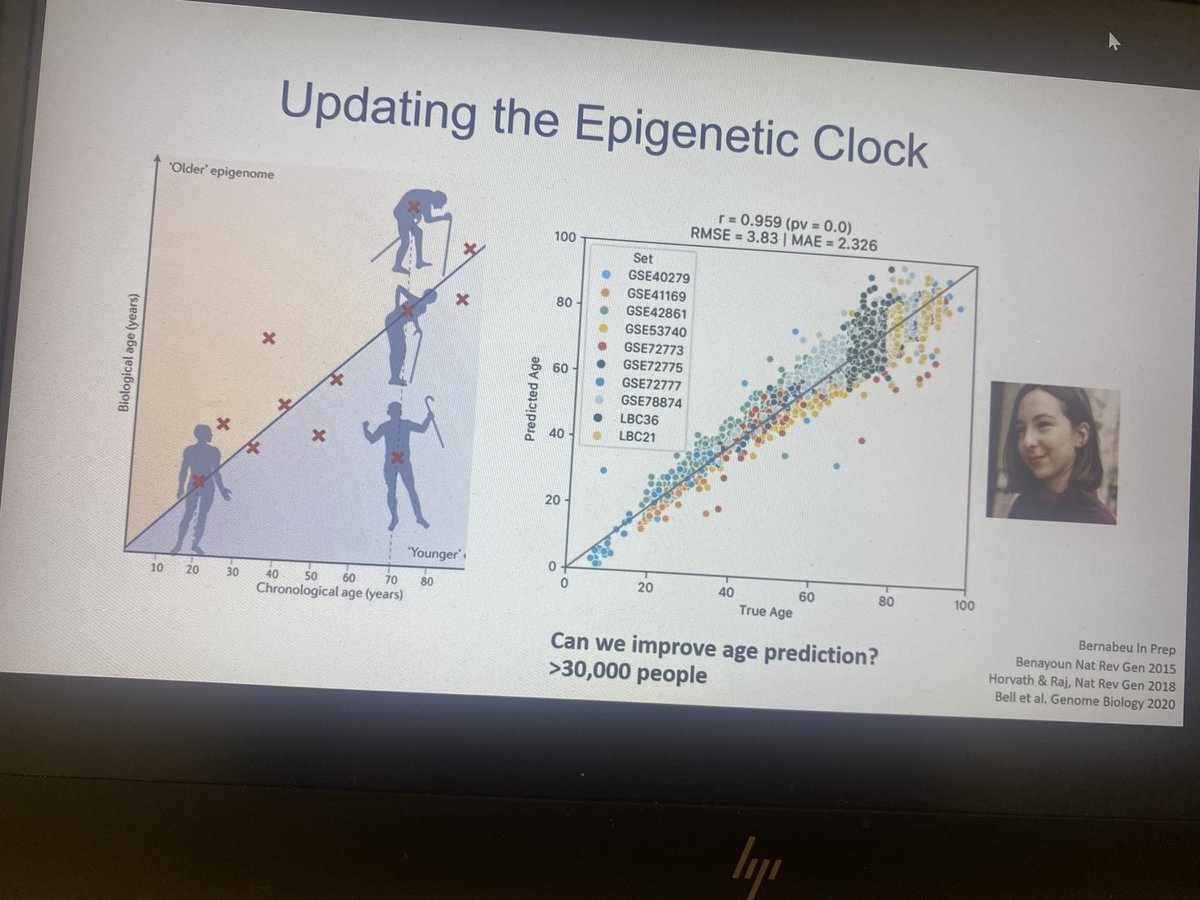
🚨New paper on epigenetic fidelity and ageing
We develop a conceptual model to explain aging based on first principles and conclude that epigenetic aging is inevitable.
Exciting work by @_ThomasDuffield@LivuniILCaMS + @InflamAge_UoB@UniofOxford
1/4
https://t.co/4jcq9rVgRj
Really proud of the latest work from Faith, @GrantFMarshall and @dannigadd. We used CRISPR to introduce a V5 tag into eEF1A2 to be able to compare expression patterns of eEF1A1 and eEF1A2 in neurons 1/4
https://t.co/Q5Ty731t3S
Happy to share my 1st paper, in @BiologicalPsyc1! We investigated the links between 249 circulating metabolites & Major Depressive Disorder (MDD) in @uk_biobank. A thread 🧵 of our main findings:👇
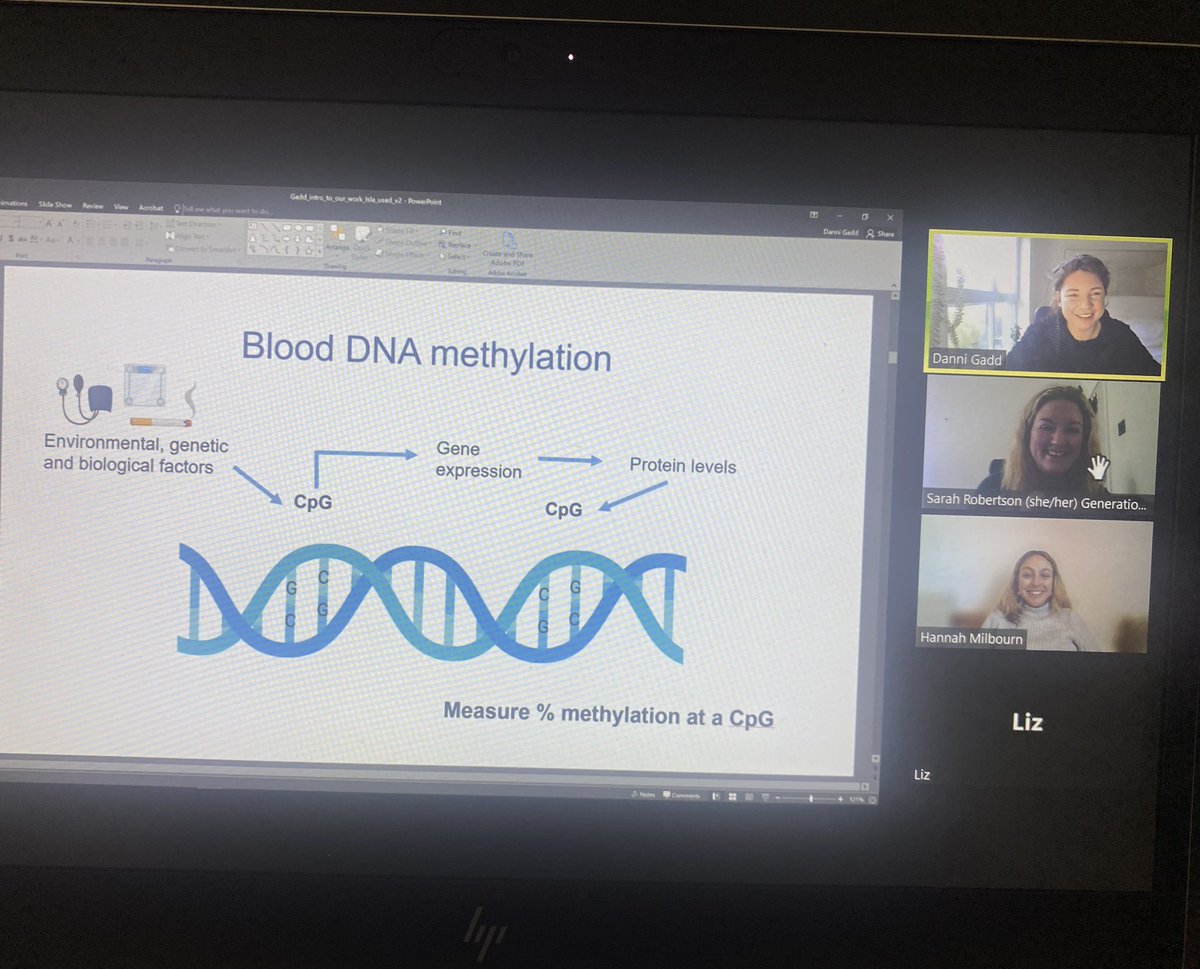
Great to join Hannah on the @EverythingEpi podcast. We discuss what DNA methylation is, the importance of the circulating proteome and how these measures were integrated in my PhD to create new markers for disease prediction. @genscot@EdinUni_IGC
Episode 3
Spotify - https://t.co/X6ruAcPINq
YouTube - https://t.co/lhpSiSUKcb
@dannigadd and I and I chat about the circulating proteome, how machine learning can be used to create epigenetic scores, and how information from the blood can be used to stratify risk of disease.
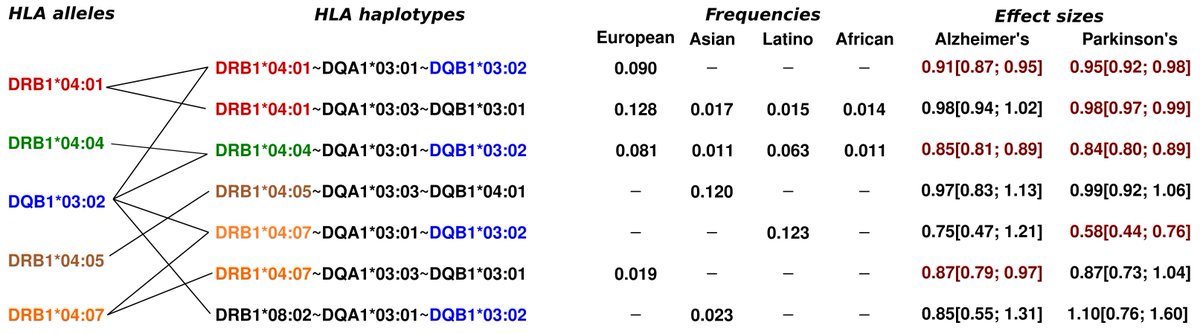
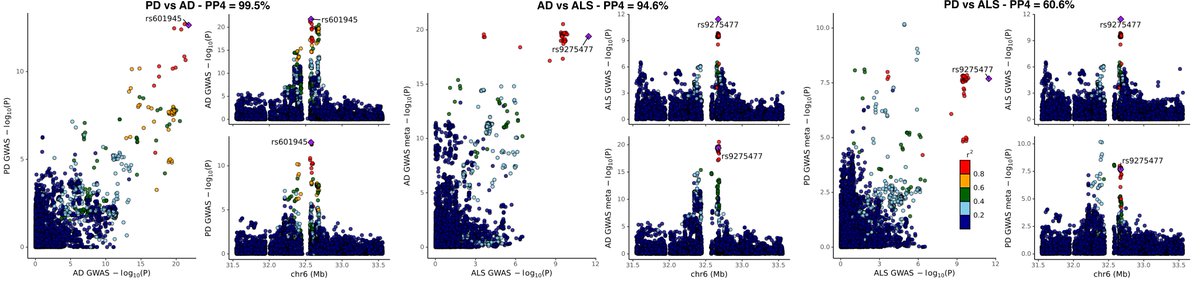
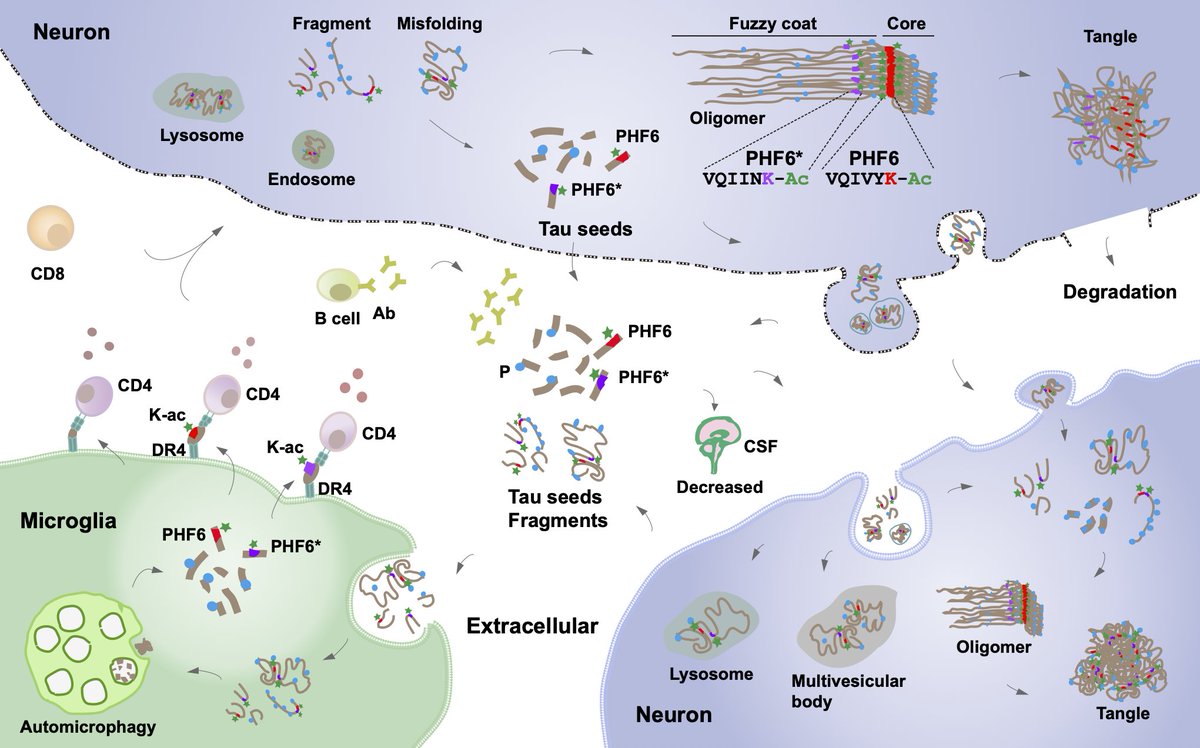
Arrived in Boston for AAIC Immunity to present our multi-ancestry analysis of the HLA locus in Alzheimer’s and Parkinson’s diseases and the shared adaptive immune response likely mediated by HLA-DRB1*04 subtypes
New preprint from the lab. We adapt genetic correlation methodology to DNA methylation (or any 'omics data) and examine correlations between adiposity related traits. New insights to sex-specific DNA methylation associations and the epigenetic relationship between traits.
It has been fantastic to collaborate on this. For a detailed comparison of methylation vs polygenic risk scoring approaches and applications, check out our latest review @GenomeBiology.
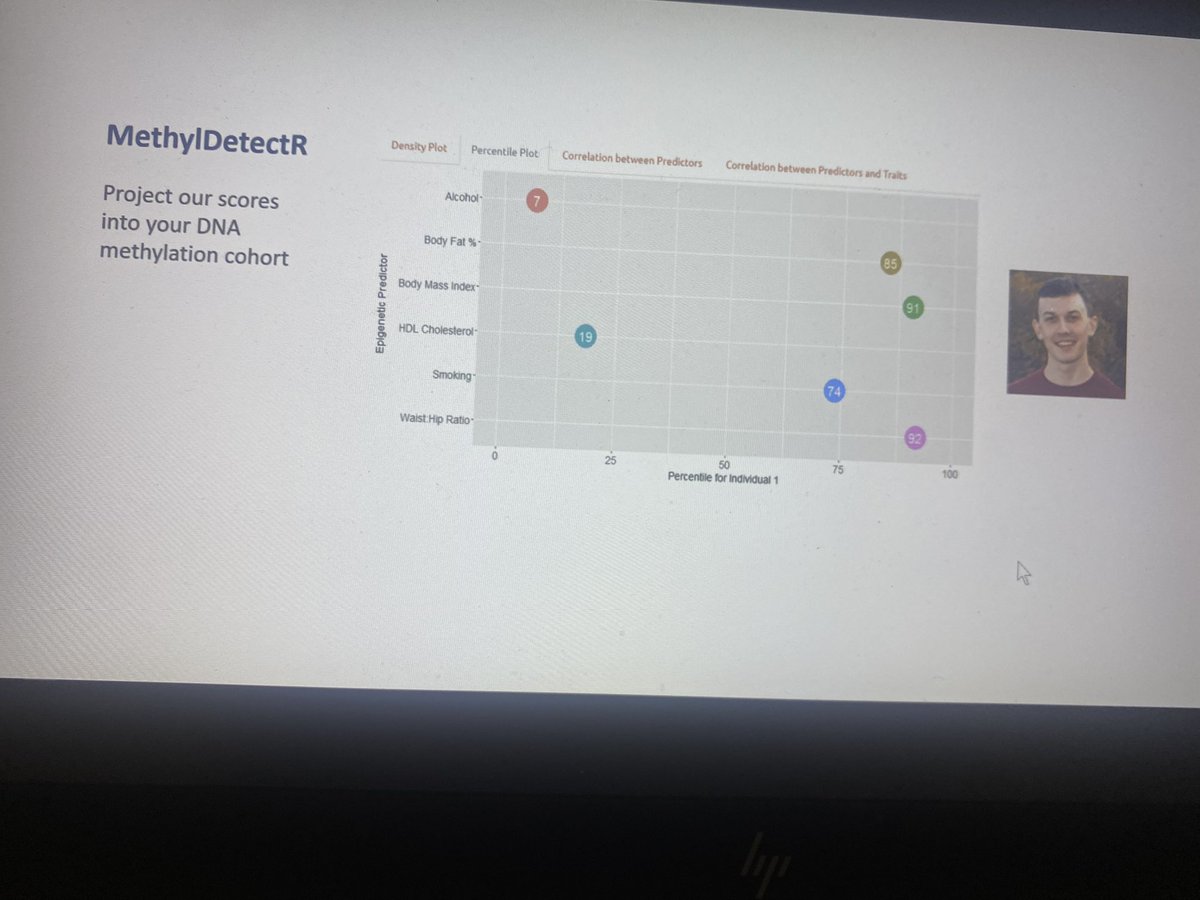
💡 moments today. Thanks Danni from @MarioniGroup for sharing how they use @genscot data from Volunteers to predict the onset of diseases & how DNA methylation can be reversed through lifestyle changes.
💕 One more reason to become a volunteer https://t.co/haHM7cbqRY
The Lancet Commission to define risk factors for dementia is a key milestone in mapping evidence for 12 modifiable risk factors using reviews and meta-analyses. Yet, it is largely based on observational studies. What does genetic evidence tell us?
Follow this 🧵to find out!
1/
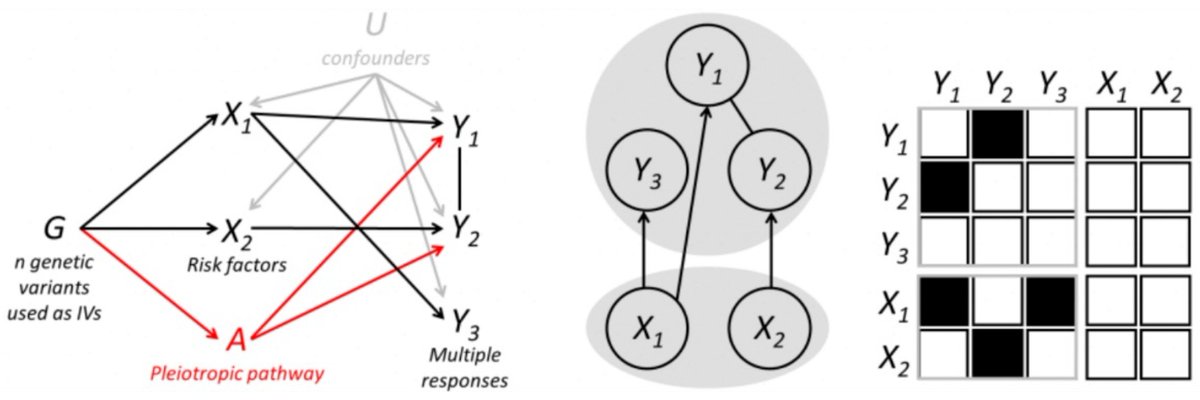
We introduce a novel Multi-Response Mendelian randomization (MR2) model for the analysis of multiple related outcomes:
→ To account for information shared between outcomes and
→ To define shared or distinct causes of disease.
Preprint on https://t.co/2bxOGTy3Be and 🧵below
1/
A Review in @NatureRevGenet discusses emerging research on the interplay of environmental pollutants with the human genome and epigenome. https://t.co/ko7FEEXRlq
Ultra processed foods assoc w increased risk of most cancers after 10 years finds a large longitudinal observational study of 200k UK biobank subjects. The data keeps mounting but we remain complacent... despite UK having highest rates of UPF in Europe https://t.co/xnTVr6uC6J
Anyone living in Scotland can sign up and be part of @genscot - a project that will advance our understanding of disease prevention. Just a saliva sample through the post and a short questionnaire!