Viendo a quién ha molestado lo poco que se ha difundido del discurso de @PazJervis, les dejo aquí el discurso completo. Son 18 minutos sin desperdicio.
La indiferencia jamás salvó una vida. Cuando se trabaja en equipo se puede servir mejor. Lo hicimos en el terremoto de 2016, lo hicimos en la pandemia en 2020, y lo volvemos a hacer con la bendición de Dios para nuestros hermanos venezolanos. Hoy se entregaron las primeras 4.5 Tm de ayuda. Trabajando en equipo Cáritas, Banco de Alimentos de Guayaquil (Diakokia) y @TIAEC
@GringoInvesting@BowTiedPassport “(Con) permiso” is universal in the Spanish-speaking world.
“Mande” is from Spain, but is now very old-fashioned there. It survives in Mexico, Ecuador, and other places. It’s just a fossilized expression of attention, like Italian “ciao” (Venetian for ‘[I’m your] slave’).
@Axeitado_@AmadoRocks@BrankoMilan No, no. In Hispanic America the tú/vos (informal) vs. usted (formal) distinction is almost universal too, but the cases that call for each vary across regions. There are some situations where using “tú” in modern Spain is normal and in much of Hispanic America is considered rude.
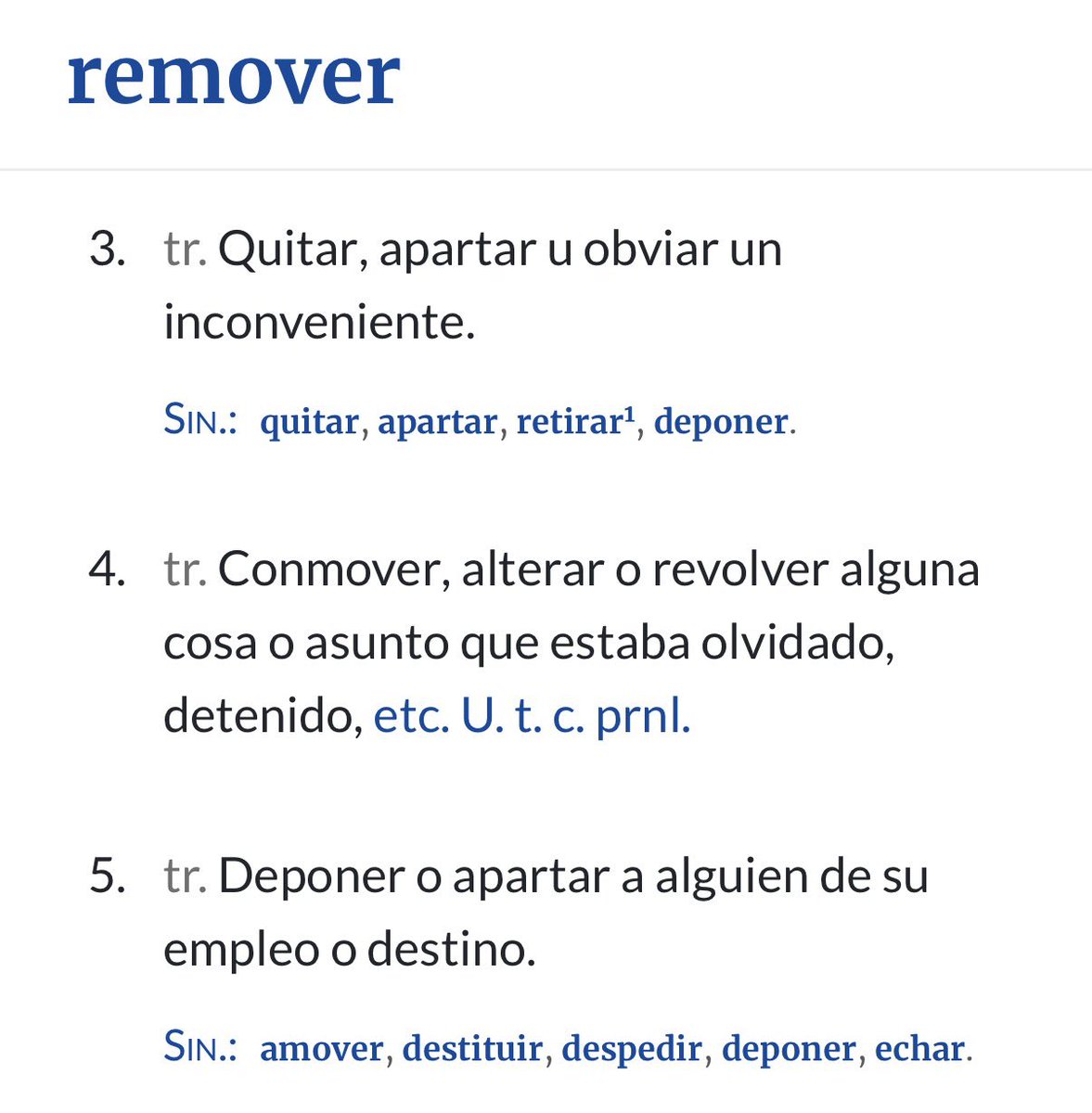
@dherche95@dalecooper85@AlertaNews24 Las decimos, esas palabras siguen existiendo con igual significado y otra ortografía en ambos lados del Atlántico. “Remover” como se ve también tuvo el uso en cuestión en España y lo perdió hace relativamente poco, no es un invento de “panchitos”.
@dherche95@dalecooper85@AlertaNews24 Toma
https://t.co/0BBEdd17gq
¿Panchito era el que escribió “Tales deven ser removidos de la aministraçión fasta que fagan buena penitençia” en 1325?
@clipcinco@AlertaNews24 Bajo un gobierno al que no le gustes (y que posiblemente no esté lejano, considerando el nivel de popularidad del gobierno actual), la bandera que llevas 🏳️⚧️ y las ideas que expones podrían ser consideradas elementos de odio. Cuidado con dar herramientas a futuros verdugos.
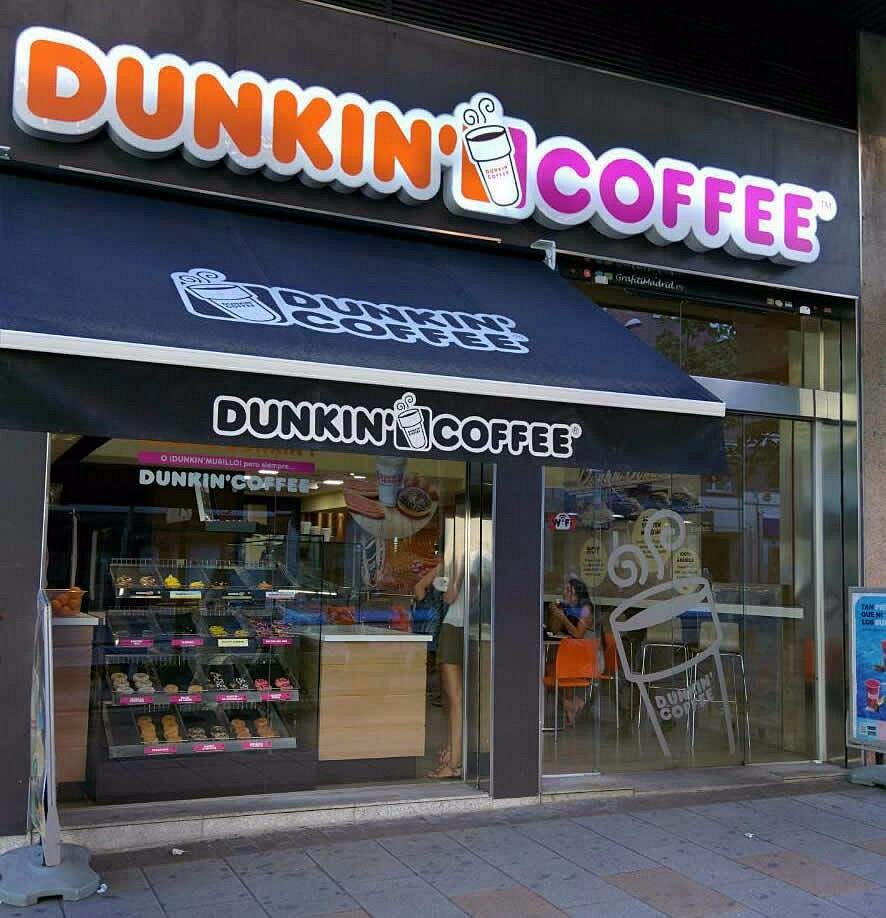
@byspencerthomas Hi, random person with random fun fact here: back when they used the full name “Dunkin’ Donuts”, they were forced to call themselves “Dunkin’ Coffee” in Spain because some other company had the trademark for “donut”.
@disident_ass@guillermolangle@Magdalo19@oleemequivocao Son ambos casos de alternancia (code-switching) libre, ¿no? Cuando dice algo como “for this time of the year it’s very muy apetecible”, ¿hay reglas sistemáticas que determinen qué debe decir en español y qué en inglés? Me parece que no, y un cubano de Miami podría decir lo mismo.
@noahpasaran You must believe Francia Márquez is a green-eyed Celt, then. And even if Germania Rodríguez was given Germany’s Latin name due to her supposed ancestry (which we don’t know), so what? Her opinion is not worth more or less because of the color of her skin.
@GordonDanning@SobonBet@dimestorepaglia It means different things in different contexts.
In general yes, “New York, New York” could be short for “the City of New York in the State of New York”. The 5 boroughs.
In postal contexts it’s Manhattan, as other boroughs & neighborhoods kept their postal names when annexed.
@JorgeAndTri@Nikatorum Los tres países son muy diversos a la interna. Por ejemplo, en acento, estilo de vida, temperamento, forma de relacionarse, un guayaquileño se parece más a un barranquillero que a un quiteño.
@townhallcom Paxson made a mistake when she said "that's not a system we would ever use in the case of an active shooter", but the rest is correct: the warning system is supposed to get people off the street and into buildings and in this case it would have been counterproductive.
@DarrellRoot@townhallcom Paxson says it and the document also says it: "Students, faculty, staff, and visitors who hear the siren should seek shelter by immediately going inside of a nearby building."
It's clearly for situations where the danger is in the streets, not inside a building.
@jonspce@brezhneviano La lista de países probablemente no está completa. Por poner un ejemplo, sería muy raro que se use en México, Honduras y Nicaragua pero no en El Salvador y Guatemala.