Indian nuclear energy startup building 10 MWe microreactors, standardized, manufactured and deployed wherever power is needed. Incubated by @india2047vc 🇮🇳
Good point. We’re using conventional LEU UO₂ fuel partly because we want to stay as close as possible to an established PWR fuel form rather than introduce another big qualification challenge. But you’re right, our specific fuel geometry and operating conditions will still need to be qualified, and irradiation, PIE access and the licensing pathway are things we need to figure out early. Would love your thoughts on how you’d approach this in India.
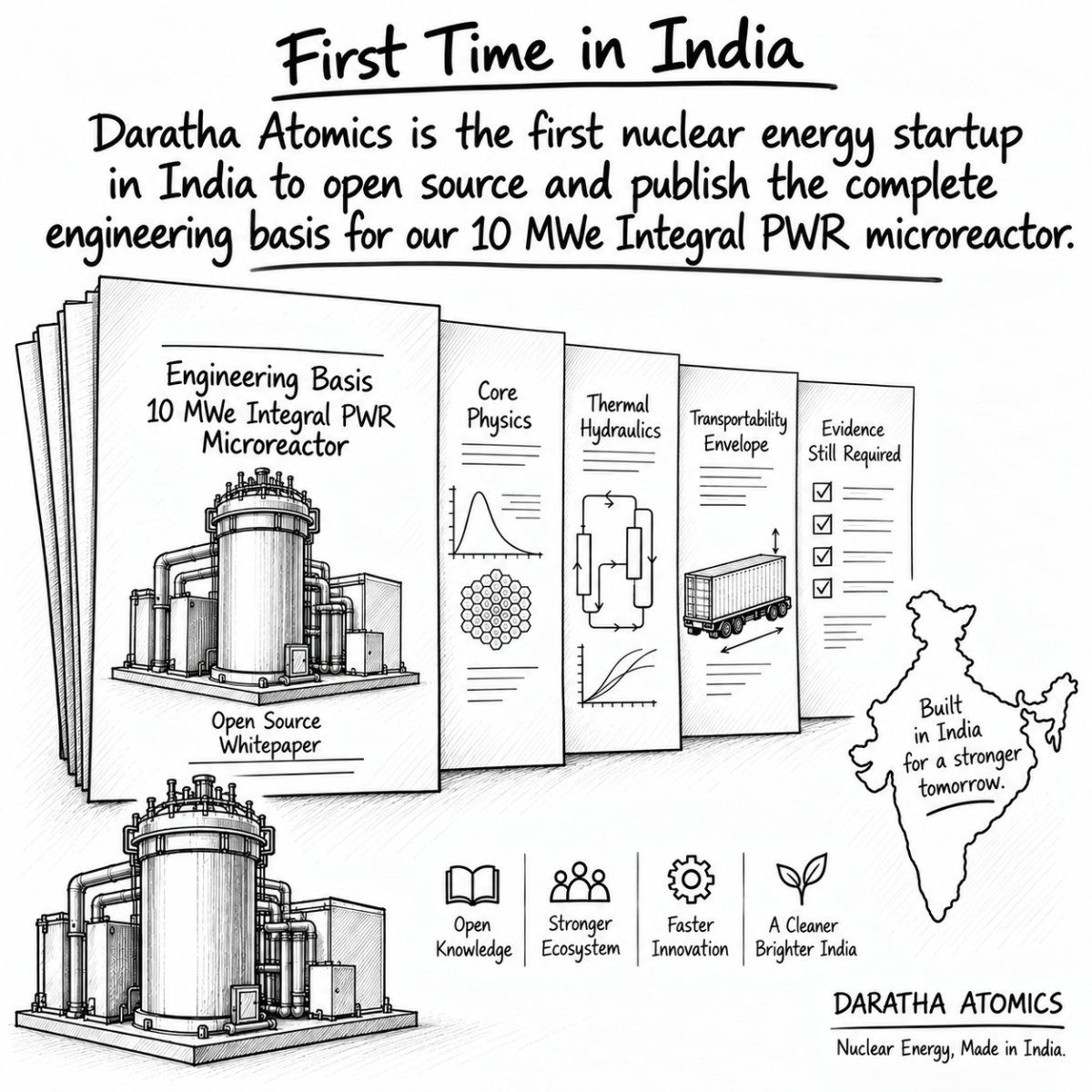
We are building a 10 MWe nuclear energy microreactor in India, and we’ve made our technical whitepaper public. We want engineers, researchers and the nuclear energy community to challenge our assumptions, give us feedback and help us build it better. https://t.co/HT5S37E2ge
Today we are making history by becoming the first Indian nuclear energy startup in India to open source the technical whitepaper for our 10 MWe microreactor. Please read it, challenge it and help us improve 👉 daratha dot com
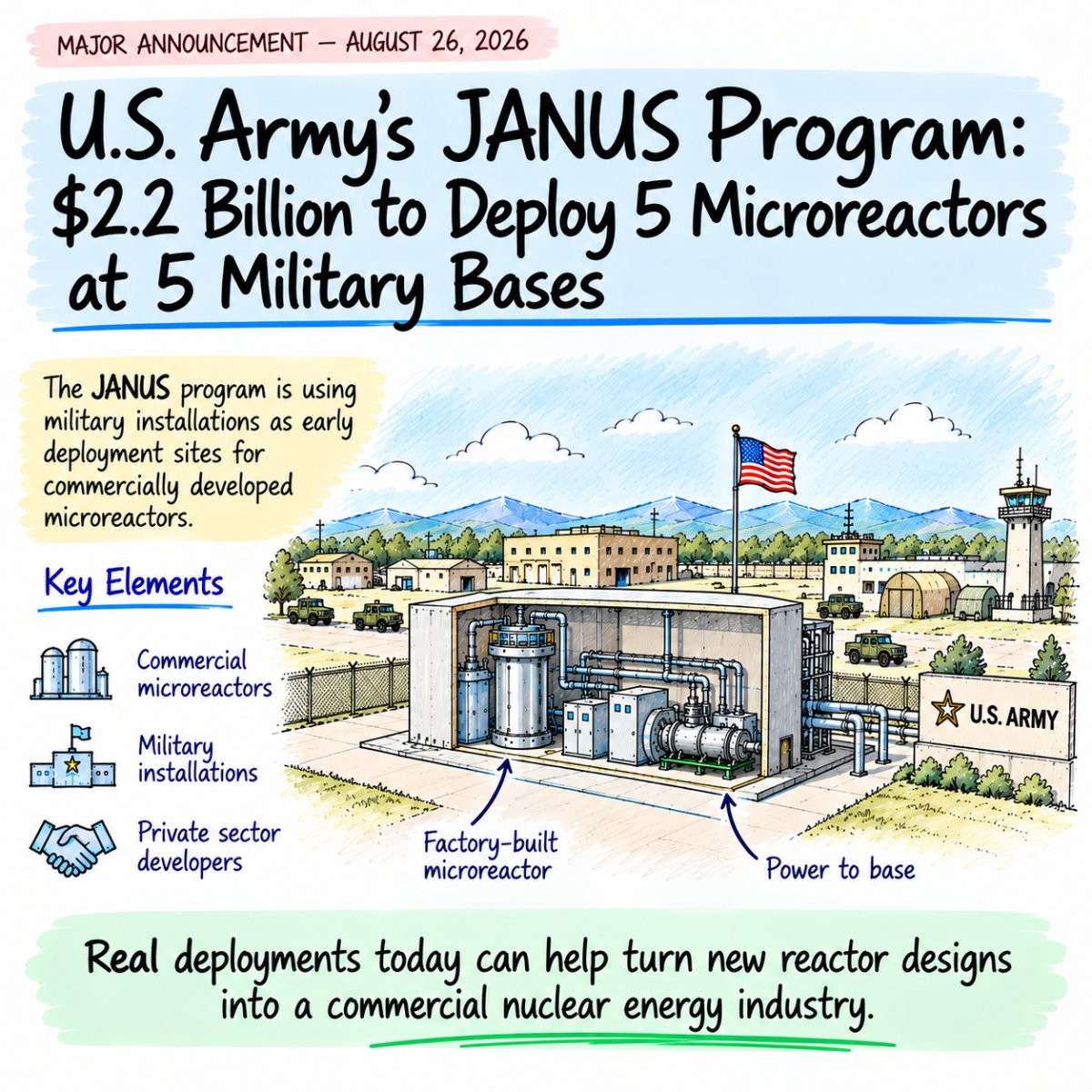
A great initiative by the U.S. Army and a great use case for microreactors. We’re designing our microreactors to power applications like these and many others.
India’s new nuclear energy industry will need a new generation of engineers, operators, researchers, technicians, manufacturers and builders. Tremendous opportunity to build a new manufacturing base in India.
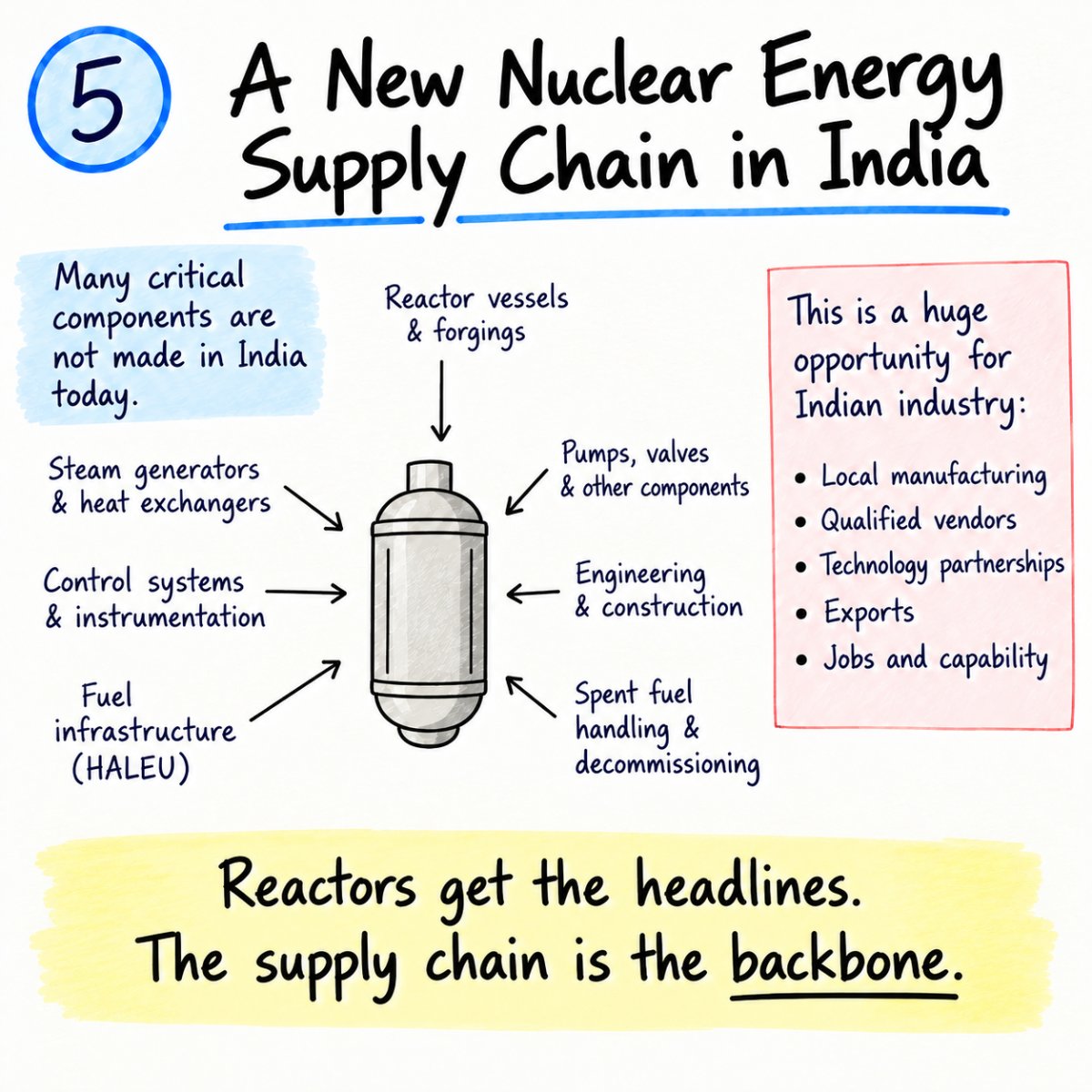
We have an opportunity to build a whole new nuclear energy industry in India. Not just new types of reactors, but the entire supply chain around them: components, manufacturing, engineering, technology, talent and jobs. 🇮🇳
@ANI Private participation in India's new nuclear energy sector will require established private players as well as new upstarts to come together to collective achieve the 100GW goal by 2047. We are here to serve.
@ANI Yes, ghe passing of the Shanti Act is a tremendous step towards private participation in the industry. We are here to support in this mission. We hope to be the first private startup in India to develop a 10 MWe micro reactor.
Opening India’s nuclear energy market is only the first step. Now we need faster licensing, clearer regulations, predictable approvals and support for first of a kind projects.
India will need large reactors, SMRs and microreactors to reach its 100 GW nuclear energy ambition. A once in a lifetime opportunity to build India’s nuclear energy industry. We are here to contribute to this mission.
Hello world 👋 What if we put a 10 MWe nuclear energy microreactor + data center on the same floating platform? Factory built reactor, modular compute, seawater cooling. Instead of bringing energy to the data center, bring the data center to the energy. This is the future we’re exploring at Daratha Atomics.
@vikbharati This new industry in India will have to create a new trained workforce of more than 100,000 professionals. This is a massive opportunity to industrialise the energy sector in India.
India has set a target of 100 GW of nuclear energy by 2047, up from around 9 GW today. That’s an 11x opportunity to build an entirely new nuclear energy industry: reactors, engineering, manufacturing and supply chains. At Daratha Atomics, we’re building for this mission.
There is a new nuclear energy industry rising around SMRs and microreactors, but there are still a lot of unknowns around how the economics and business models will play out. We are early in the technology and cost curve, and the next 10 years will likely be about figuring this out, much like the early solar industry.
Here is how we are thinking about it at Daratha Atomics: build and standardize the reactor technology, develop the supply chain around it, deploy reactors across multiple industries, and then stay with those reactors throughout their operating life through O&M, fuel, monitoring and upgrades. Over time, the installed fleet becomes the economic engine, creating recurring revenue, manufacturing scale, lower costs and more operating data.
There are still a lot of unknowns. How do you think the SMR business model will evolve?