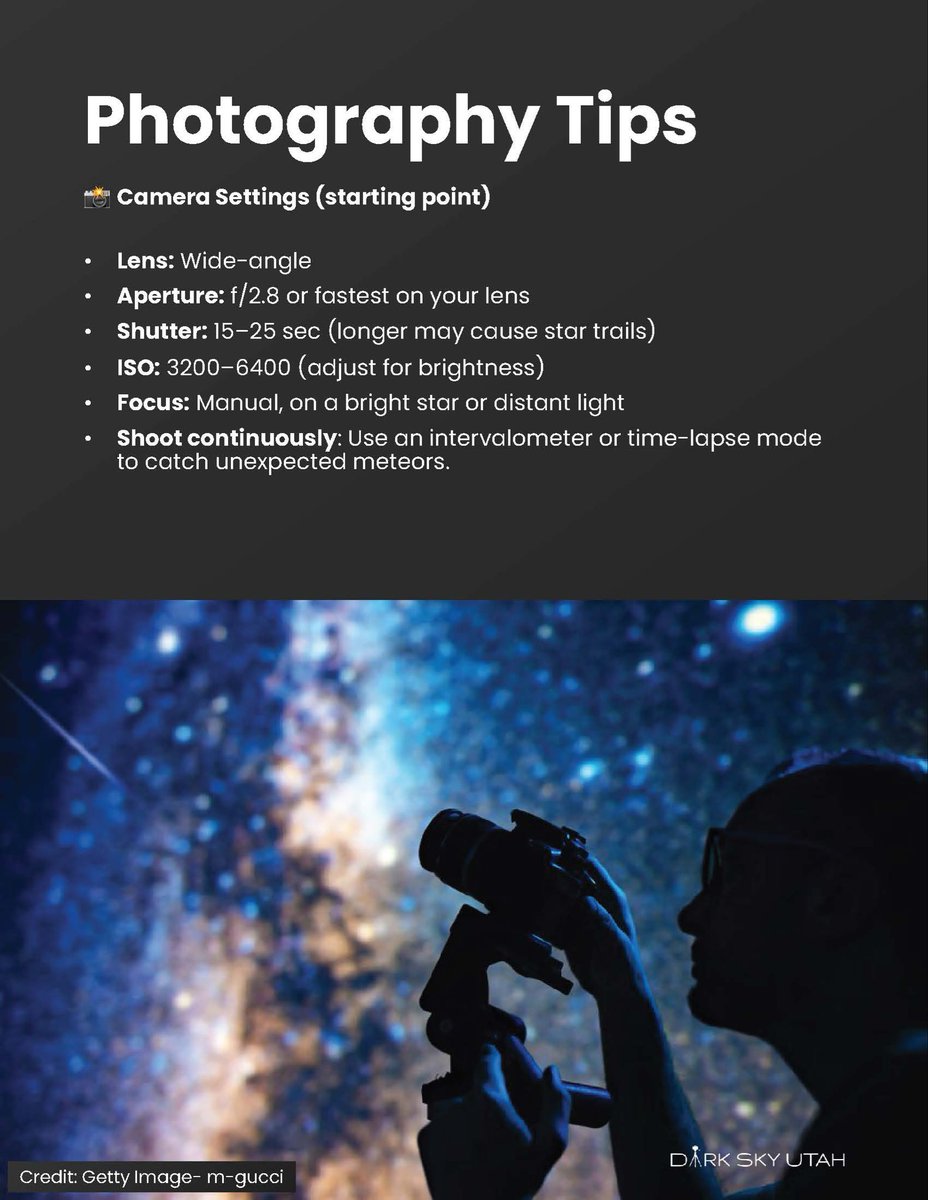
The Perseid meteor shower peaks August 12–13, 2026, and this year we get excellent conditions with a new Moon and no bright moonlight washing out the meteors.
In this video, I’ll show you how to photograph the Perseid meteor shower.
https://t.co/WQEgThYf2M
The brightest meteor shower of the year is almost here
This year’s Perseids are here during the new Moon. Get to clear and dark skies to see up to 80 meteors per hour.
Want personalized settings for your camera gear? https://t.co/aMZfE2B6XO
Whether you are inside the path of totality, watching a partial solar eclipse, or planning for a future eclipse, this guide will help you know what to expect and how to prepare.
https://t.co/mwesWI5Iva
@meder_o Yes I’ve been out twice to capture the comet. You can see it with your eyes, but can’t really make out the tail. With binoculars you can see the tail. It does photograph well though.
Taking Milky Way pictures in the fall can be tricky because you have a short window to capture images. So you have to plan. The benefit of fall Milky Way photography is that you can catch the golden hour, sunset, blue hour, and the Milky Way within hours and fall asleep early…
This image is a blend. The sun images were taken throughout the eclipse with a solar filter. This shows the stages about every three minutes. Clouds sometimes messed up the timing. I took the foreground after the eclipse without a filter.
The Moon's shadow passed over Sevier Lake, Utah on October 14, 2023, creating an annular solar eclipse.
Located in the Great Basin region of the American West, Sevier Lake is one of the few remnants of the massive ancient Lake Bonneville. ..
However, the lake bed is only dry near the surface, and drivers enter the area at their peril.
While observing the eclipse, I wished I could get a glimpse of the last time an annular eclipse passed over this landscape. I'm sure it looked very different.
You could see it better when I set the composition, but then Lady Aurora kicked it up a notch and stole the show.
October 06, 2024, in Iceland
259 image time-lapse
Canon EOS 6D 13.0 sec at f - 3.2 ISO 3200 on the TAMRON SP 15-30mm F-2.8 Di VC USD A012 lens
So much was going on above our heads, I just had to point my 15 mm lens straight up and let it run.
If the frost hadn’t been starting to form, I would have lain down in the grass and just watched. I’m kind of sad I didn’t.
Of course, I had to work the Milky Way in there..
On this night, the sunset was at seven, and the core was visible from eight-thirty to ten-thirty. I took this image around nine. A nice feature of the Photopills app is that I can look back at certain dates and locations to find sunset and blue hour information for my photos…
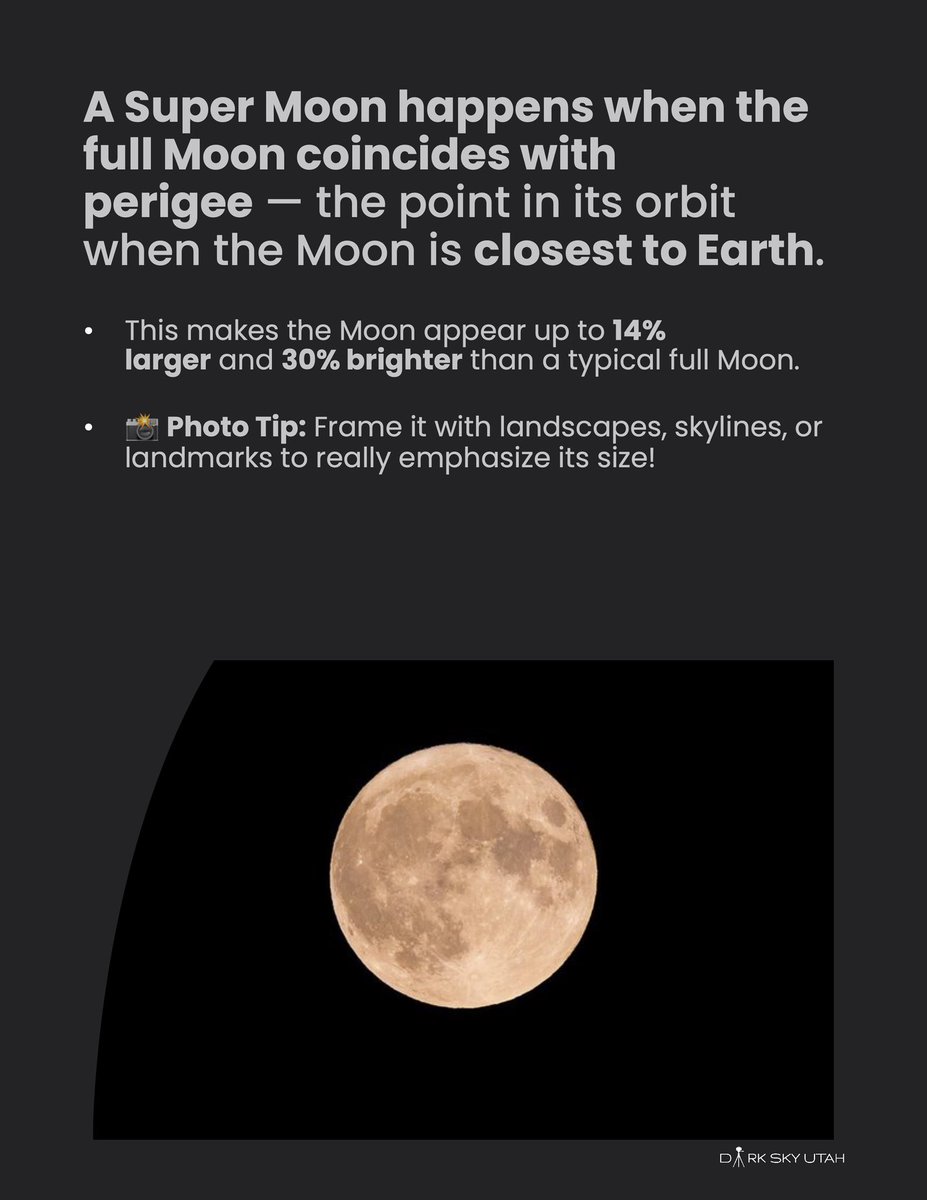
Harvest Super Moon rising in the night sky last night. A Super Moon happens when the moon is closer to us in its orbit, so it looks larger in the night sky. This is most apparent when the Moon is rising or setting. A Super Moon is brighter too.
This time-lapse was taken a few hours after the moon peaked above the horizon. Sometimes I like to set up my camera, take a picture every few seconds, and let the Moon slowly move out of frame. There is something sad and beautiful about the darkness it leaves behind.
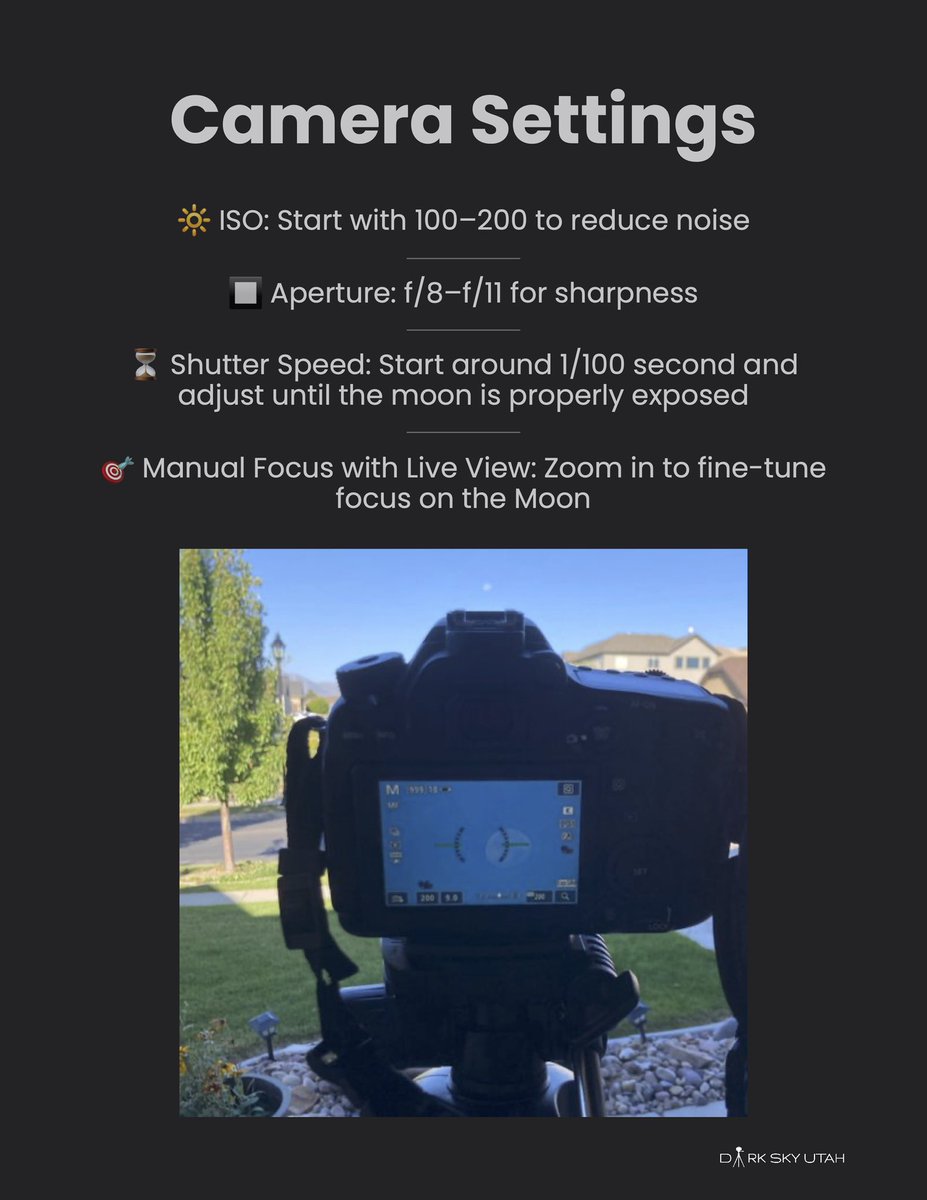
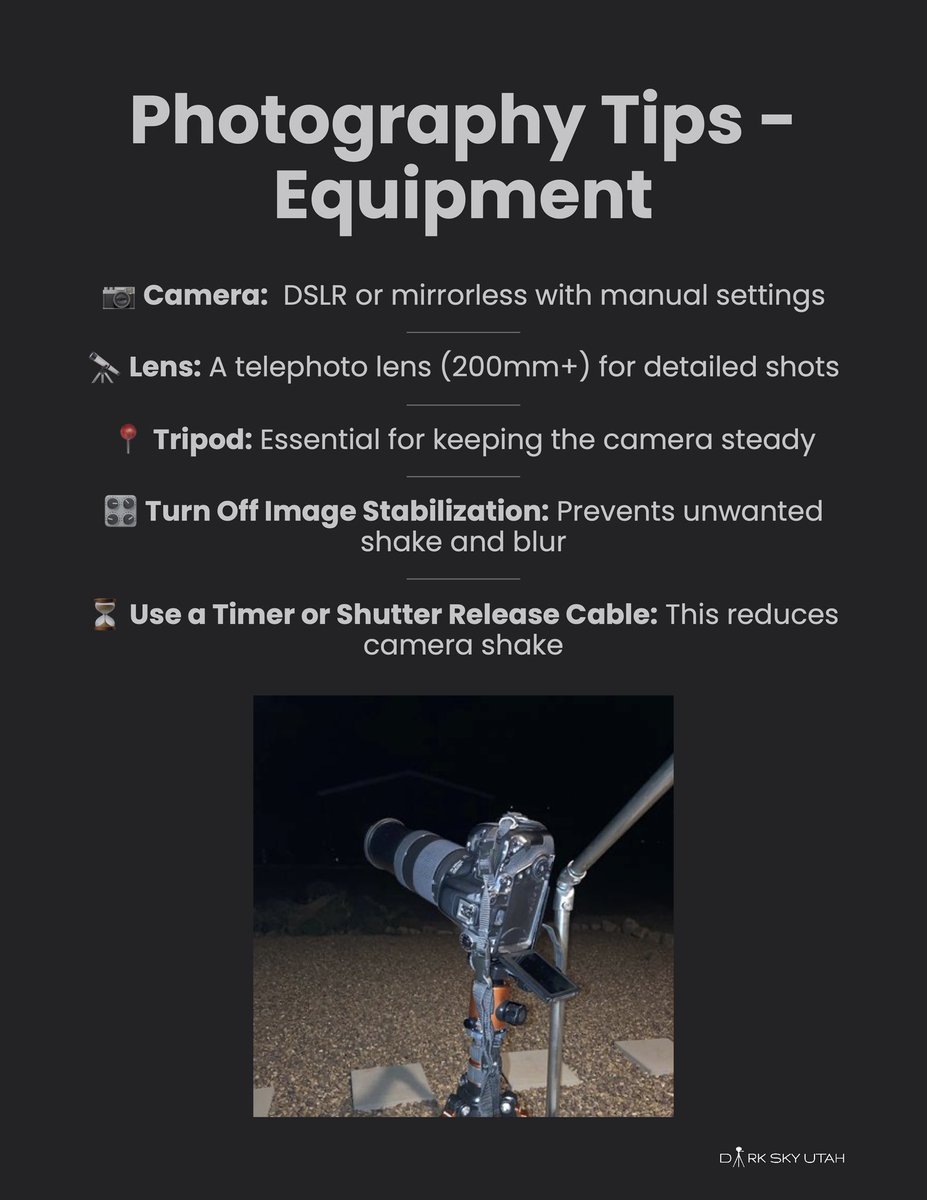
The October Supermoon is here, I’ll show you how to photograph it.
Swipe through these slides to find settings to help you capture the magic.
#Supermoon#OctoberSky#Astrophotography#moon
The October Supermoon is here, but will it live up to the hype?
Some say that the human eye can't notice a 14% difference, but a full moon is always a good reason to grab your camera and get outside.
Swipe through these slides to find dates, times.
#moon