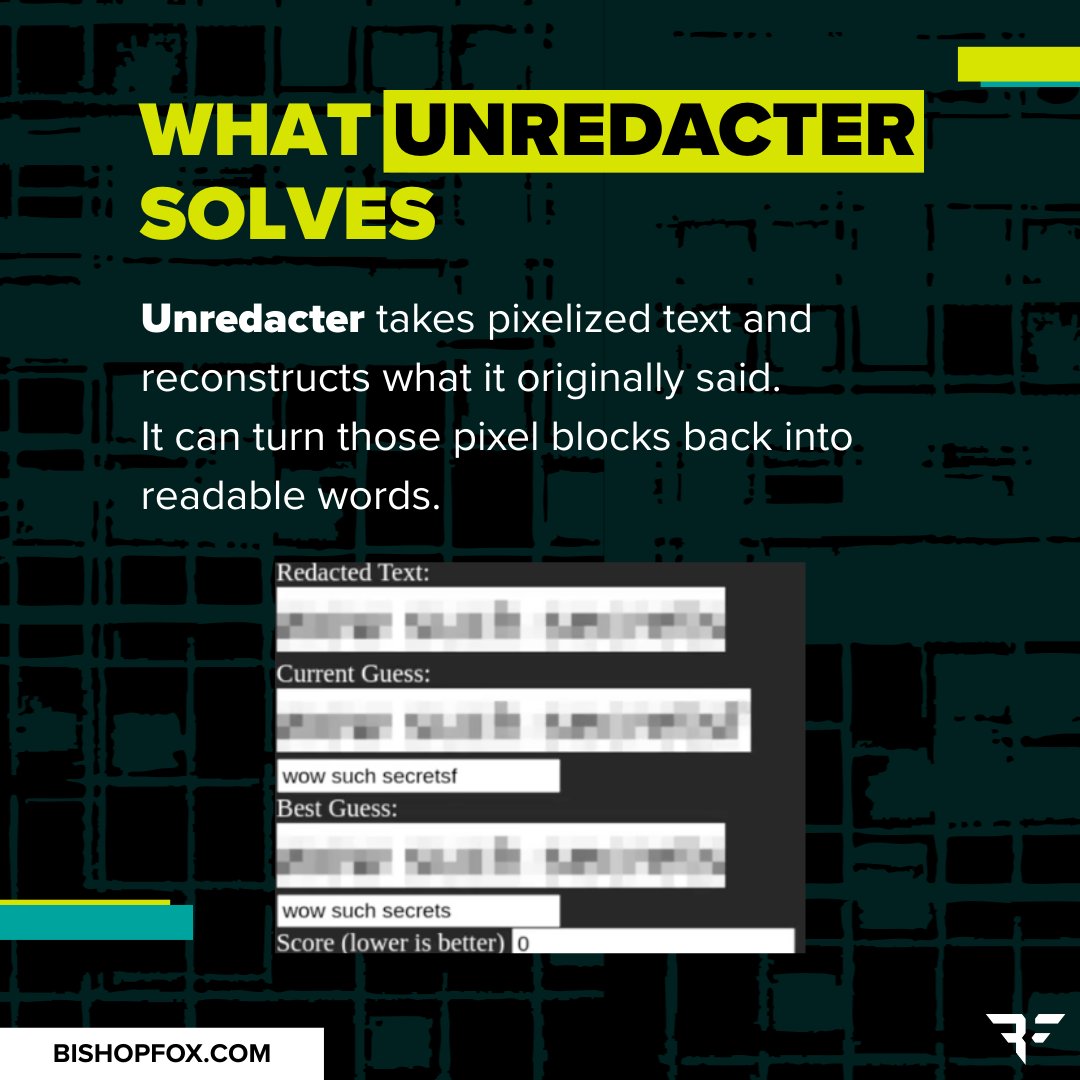
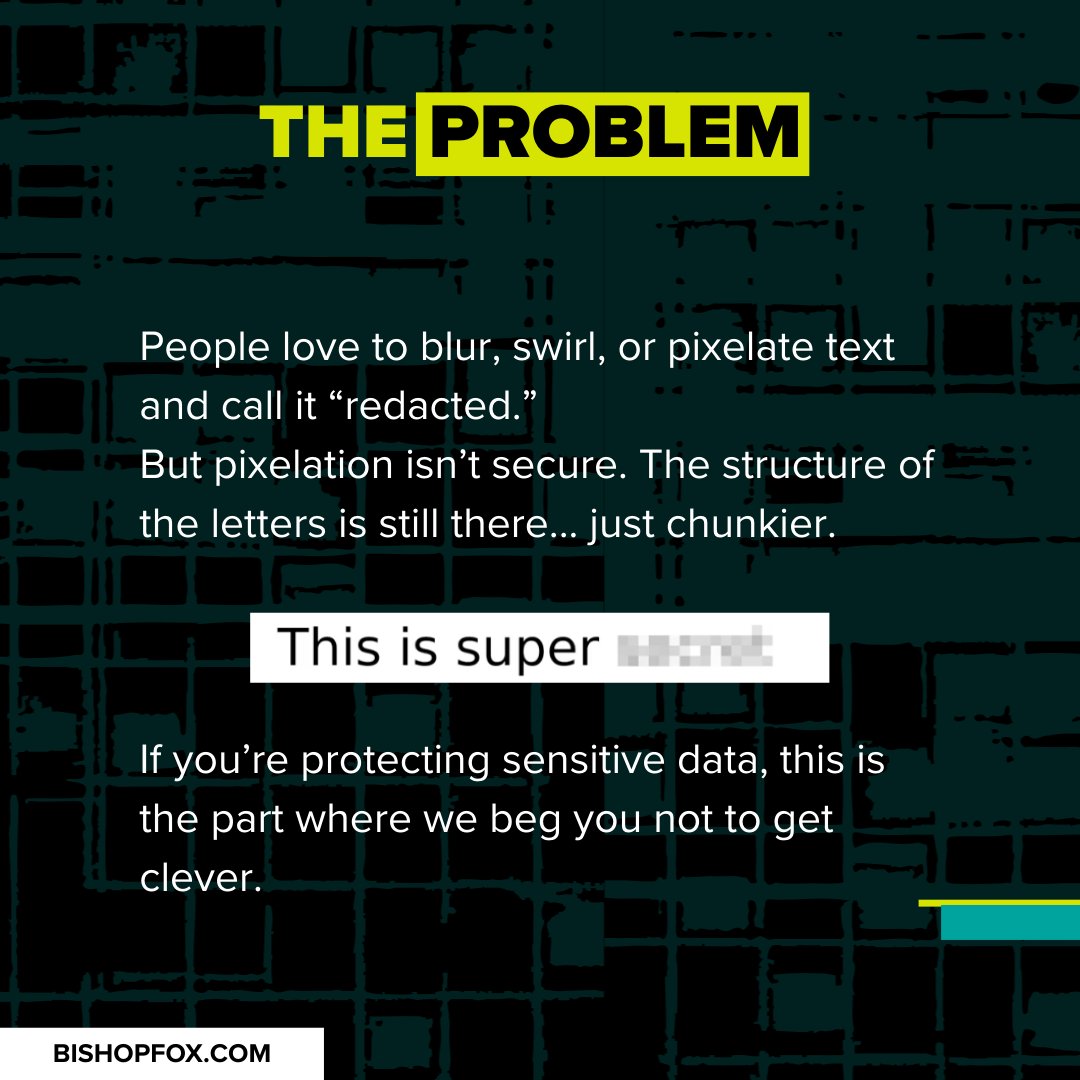
Bishop Fox acaba de liberar AIMap, plataforma open-source a nivel masivo para descubrir y probar sistemas de IA expuestos en Internet
https://t.co/jveoedFZC2
NIST is changing CVE enrichment.
You still get the vulnerabilities.
You just get less context for many of them.
So what does a security team do with this?
Senior Managing Operator Richard Brown breaks it down: https://t.co/XfCoTYGl73
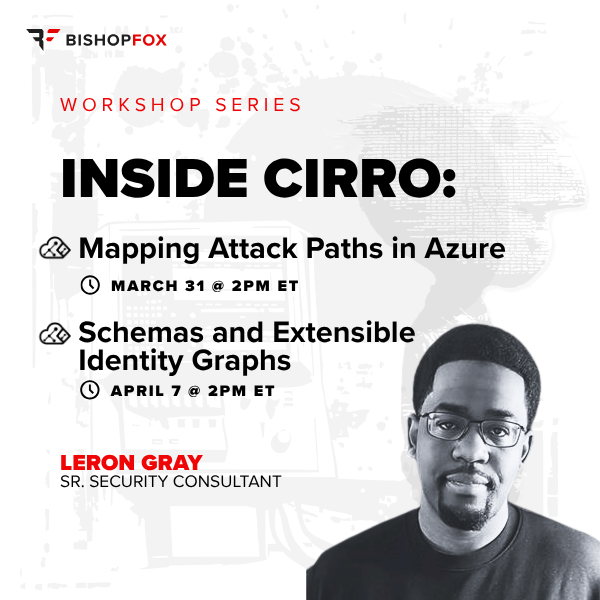
We’re launching a new open-source tool on March 31: Cirro
To walk through it, we’re hosting a 2-part workshop on:
• Mapping Attack Paths in Azure
• Schemas and Extensible Identity Graphs
Register once for both sessions: https://t.co/SvrAGxRiW7
strongSwan EAP-TTLS integer underflow allows unauthenticated DoS of VPN servers
• Impacts 15+ years of versions
• Low-effort exploitation
• Sometimes requires just 2 connections
Upgrade to 6.0.5 or disable EAP-TTLS
Details & testing tool: https://t.co/SvcpZMUdax
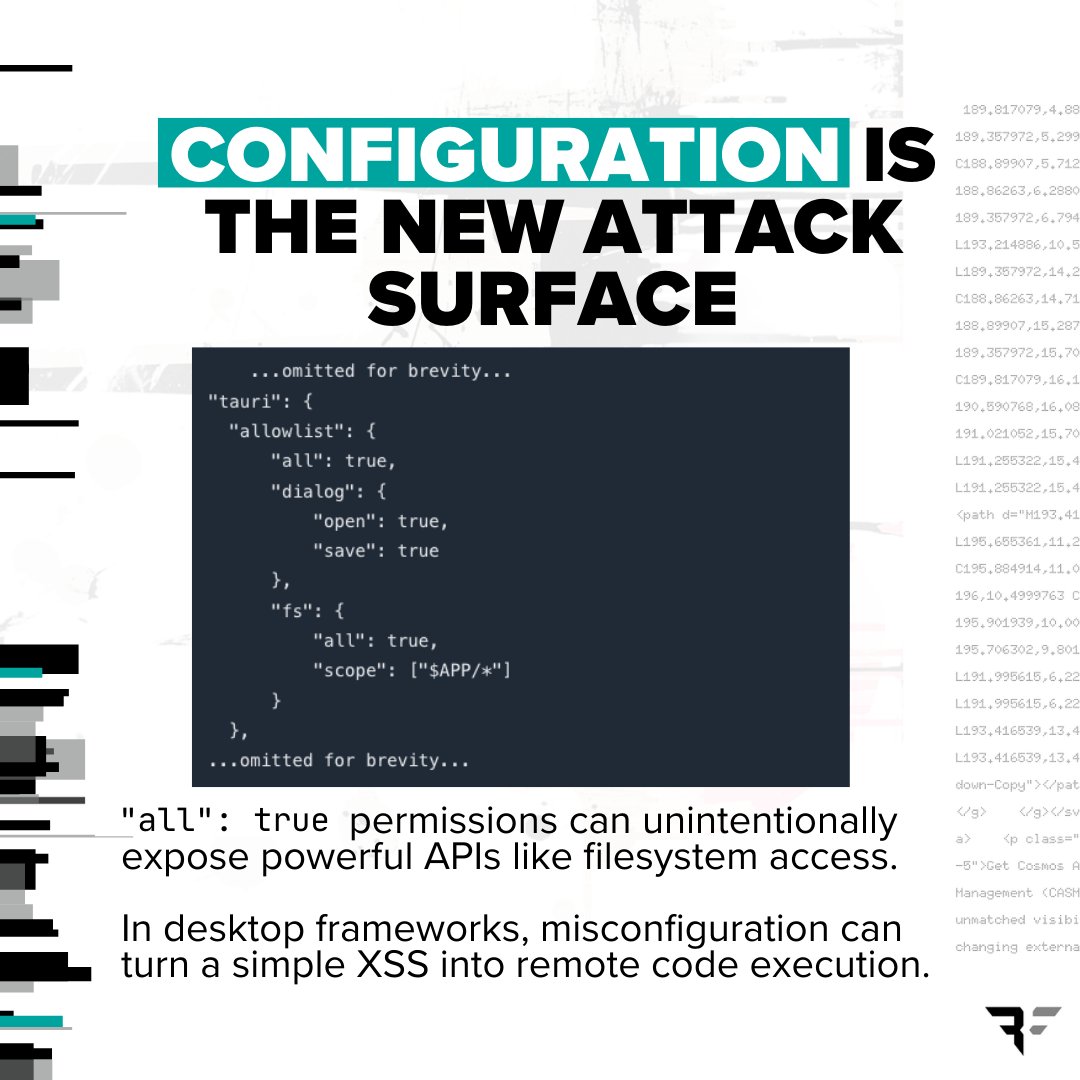
Moving from Electron to frameworks like Tauri doesn’t necessarily eliminate risk, but it does change the mechanics of exploitation.
New Bishop Fox research shows how XSS & permissive configuration can still lead to RCE in desktop apps.
Full scoop: https://t.co/UXRrrwdREP
AI risk is very different from traditional software risk.
For starters:
No CVE-style ecosystem.
Infinite input space.
Major supply chain blind spots.
@KrisKimmerle of @RealPage from our recent AI & Security Risk cyber leadership panel:
(Full write up: https://t.co/W39bF6j1EI)
Giving AI control over infrastructure isn’t sci-fi anymore.
Vinnie Liu, Nathan Case (TPO Group), and Zach Moreno on OpenClaw / MoltBot, early-stage AI tooling, and why basic security hygiene still matters especially now.
From this week's Initial Access: https://t.co/SDjAHDThAi
Cloud enumeration can eat up your whole day.
Spend ~60 minutes with us and we’ll fix that.
Live Discord workshop with Mitchell Sperling on CloudFox - Aug 21.
Aug 21 | 2pm EST | https://t.co/BHcmeG8WWz
¡Gracias por ser parte de esta increíble edición de #BSidesCDMX !
Nos emociona seguir creciendo junto a esta comunidad 💙
🎥 Ya puedes ver las charlas en nuestro YouTube:
https://t.co/spNycK5fS2
📸 Y revivir los mejores momentos con las fotos oficiales:
https://t.co/f4sBYiaXYv
Want a peek into what our red team really uses on engagements?
This breakdown hits on some of the tools we rely on to get the job done stealthily.
Some familiar names, some underrated gems: https://t.co/PhGnVRfbqT https://t.co/RiioEiN3nw
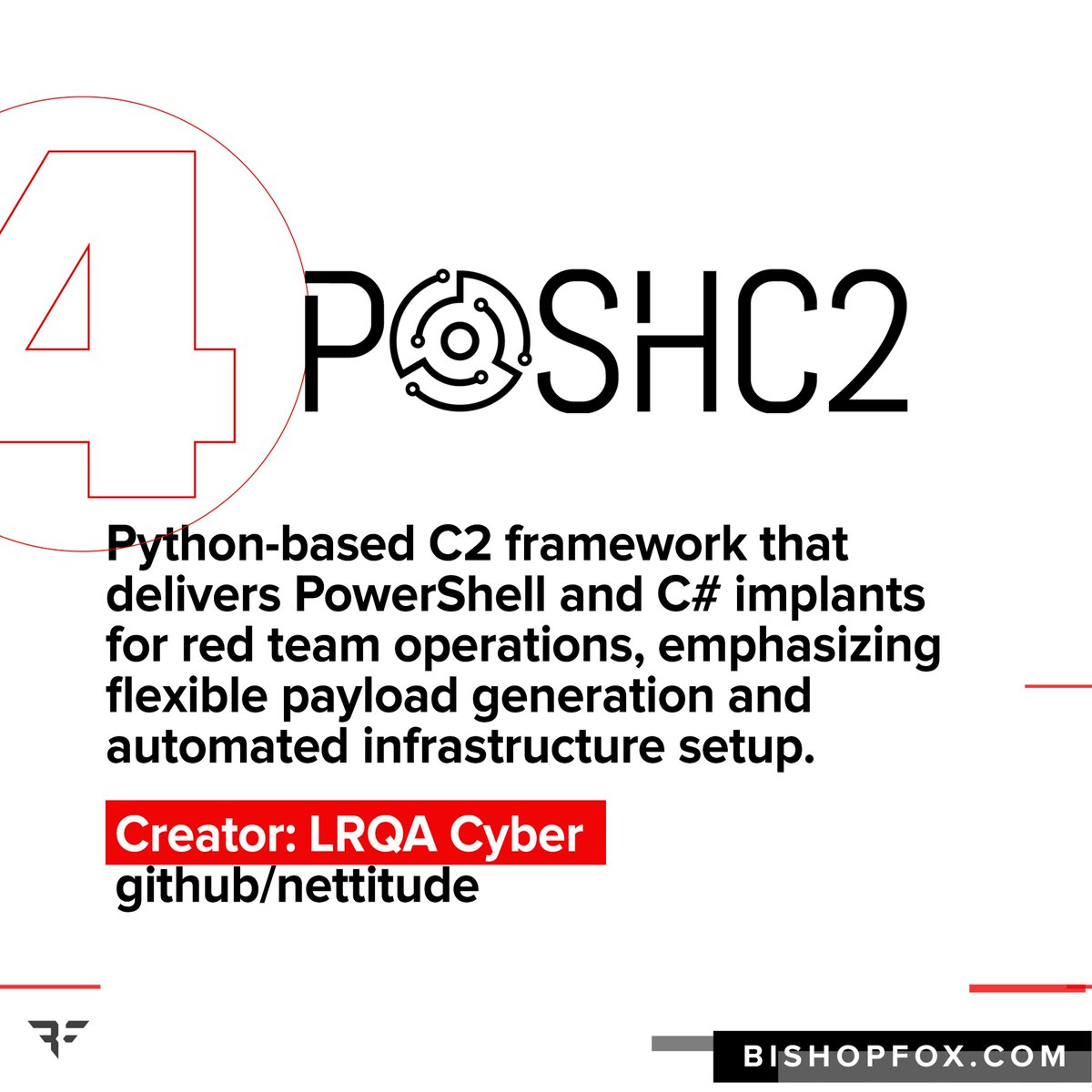
Tools don’t make the hacker, but they can make the job faster, stealthier, and way more effective. These are the C2s our Red Teamers reach for. Featuring
open-source tools by @LittleJoeTables, Ronan Kervella, @its_a_feature_, and @Ne0nd0g.
Take a look: https://t.co/fwhE9qnXJR
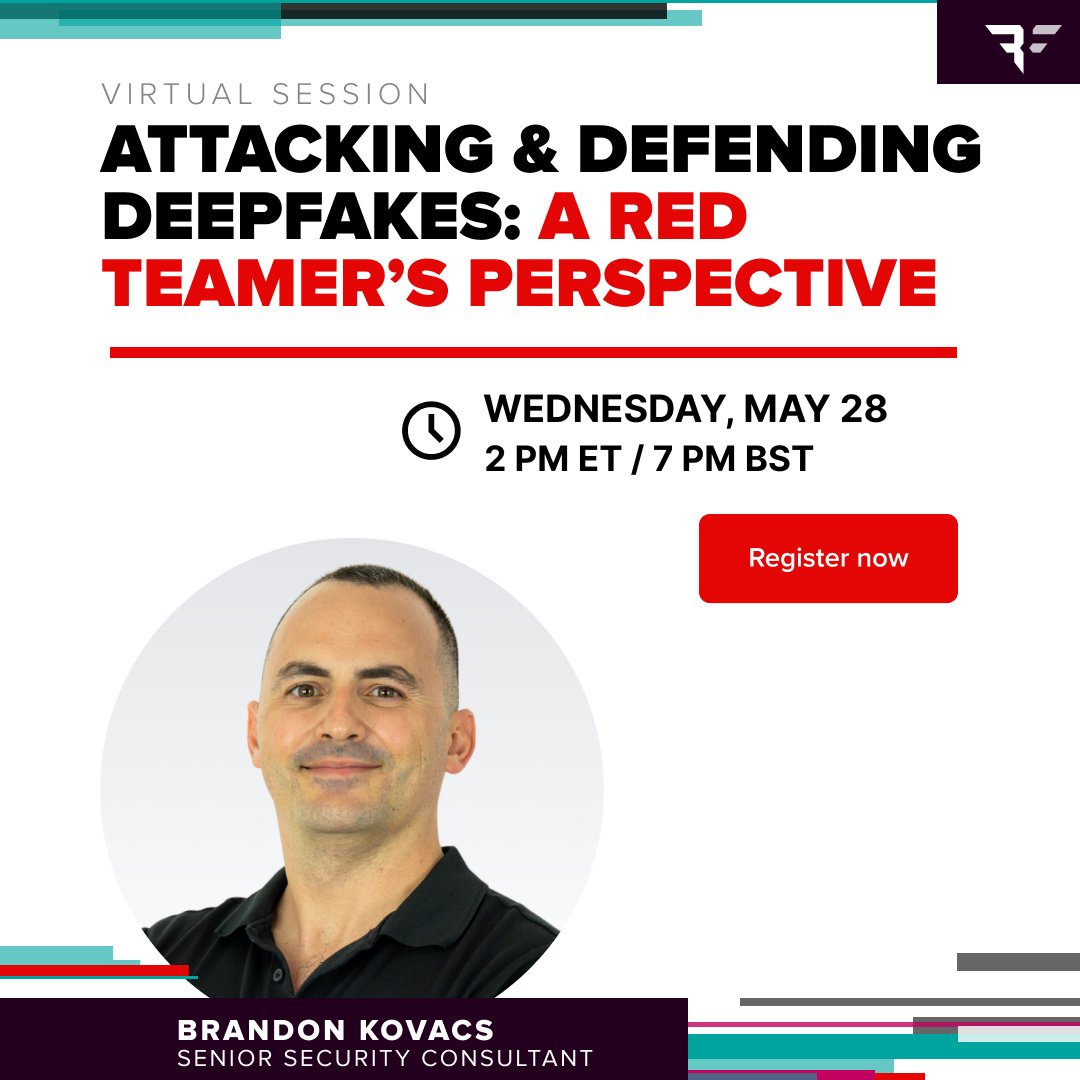
Really excited for this one. @brandonkovacs is discussing how red teamers are attacking and defending against deepfakes.
Super relevant with how fast AI threats are evolving. Should be a great session.
Come hang out on May 21!
https://t.co/Nk3DV6SfLV
The one and only @TomNomNom’s keynoting NahamCon tomorrow!
His talk "Good Vibes Only: Should You Still Learn to Code?" gets into what it really takes to grow as a hacker today.
Definitely worth checking out if you’re into red teaming or bug bounties.
https://t.co/T2C6gHlb2h
Can @rustlang outpace C in malware development?
Bishop Fox consultant Nick Cerne joins @thecyberwire’s Research Saturday to explore Rust’s stealth advantages, OPSEC tradeoffs, and red team value.
Listen: https://t.co/kZqbfe390E
Roger Schank argued that “we learn by doing,” not by memorizing for exams, learning should be experience based. Removing grades can reduce stress, but without meaningful alternatives, we risk losing accountability.
📚 https://t.co/EiH3qefazH
I saw some of my students now say grades don’t reflect learning and ask to skip evaluations. But are we mistaking evaluation for punishment? What about effort and commitment? It’s not about no evaluation — it’s about better evaluation.