@NTsadzikidze Thank you for bringing up these minor issues with Bishop Spyridon, Bishop Anania, and Bishop Abraam. These are minor errors on our part that do not affect the overall picture. We could not find any information about Bishop Dositheus' education here: https://t.co/JnWDrhCsMf.
The Holy Synod of the Georgian Orthodox Church is meeting tomorrow, possibly to clarify the election rules. Here's how bishops meet the requirements for the candidacy. According to current regulations, only 11 out of 39 bishops are eligible to become #Georgia's next patriarch.
Caucasus Barometer (CB) by @crrcgeorgia is Georgia���s best source for independent public opinion data, period. With the information space getting tougher, keeping this unbiased source alive is absolutely crucial. Please consider giving your support to help save CB!
For 20 years, the Caucasus Barometer has tracked what Georgians think. Now, lack of funding threatens the 2026 survey, risking the loss of Georgia's most reliable, independent longitudinal data. We must save it.
Support & share! ⬇️ https://t.co/JZKu60A2mO
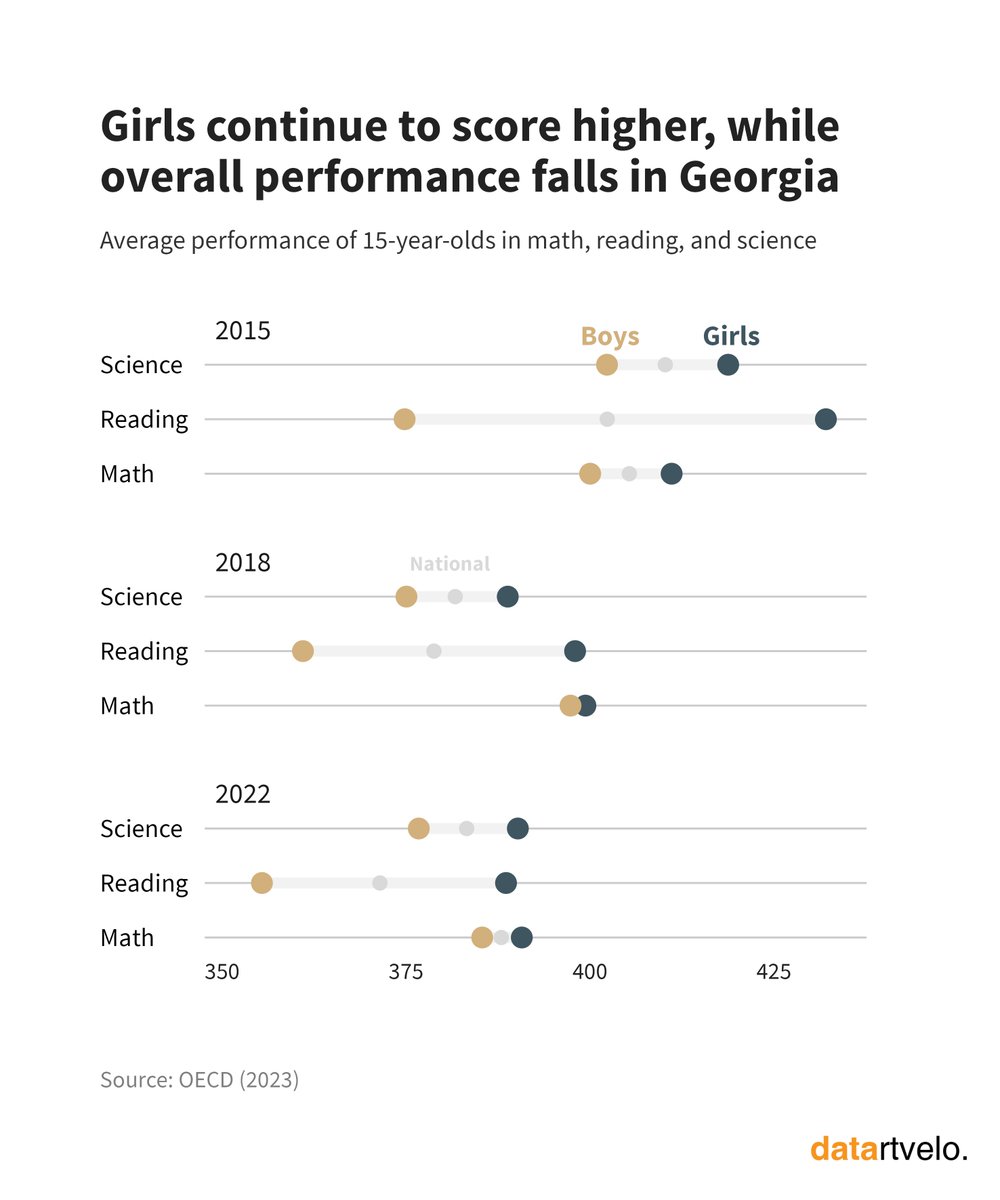
Since 2015, #Georgia has seen steady decline in student performance. Girls are still doing better than boys, especially in reading & science, but that's not the whole story. Narrowing of gender gap isn't because boys are doing better, but because scores are dropping for everyone.
Despite years of political polarization, Georgian public remains clear: majority holds #Russia primarily responsible for the past armed conflicts in #Georgia. Regardless of politics, broader public views Russia's role in the outbreak and escalation of these conflicts as central.
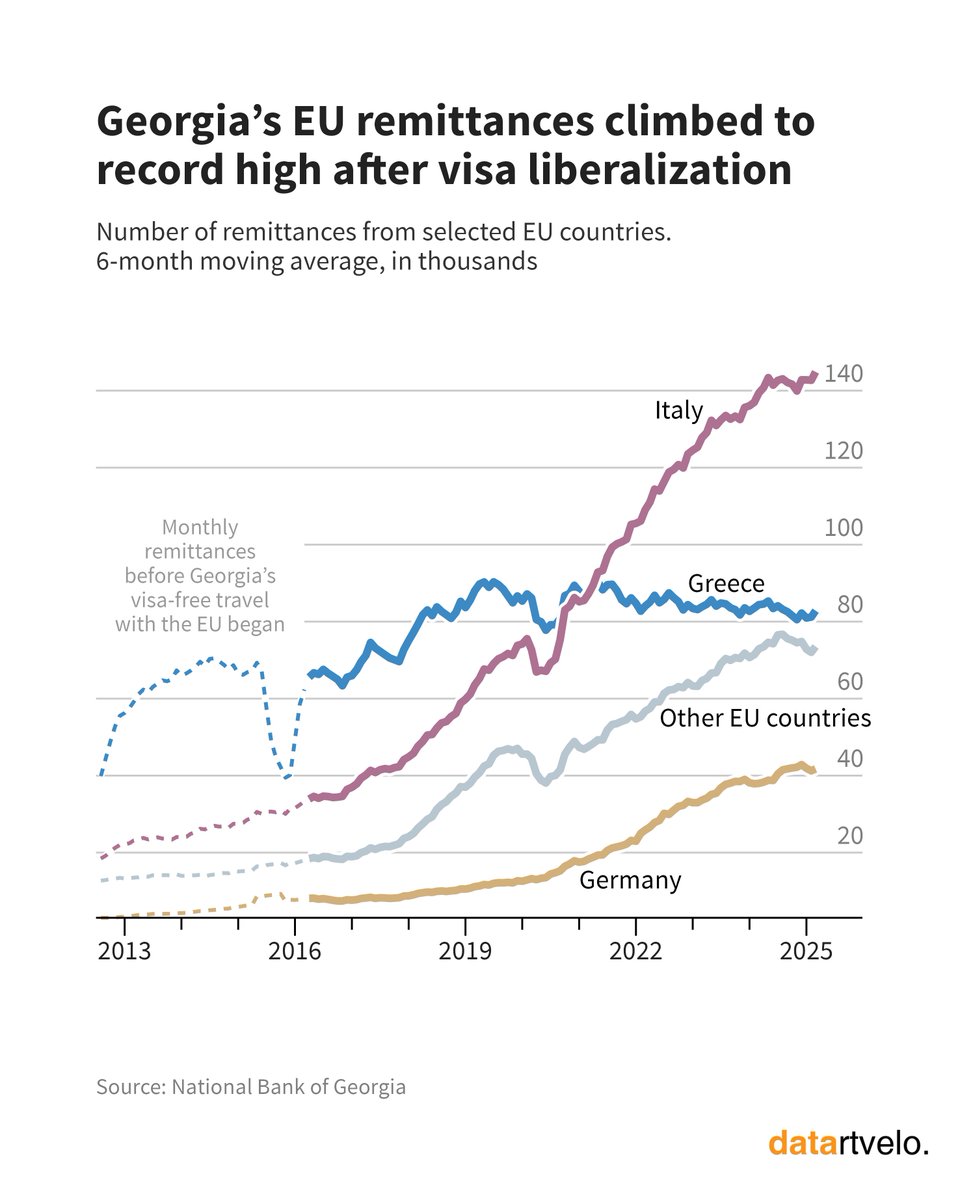
Remittances from the EU surged after #Georgia secured visa-free travel, offering vital support to families back home. Revoking that access would hit both migrants and the economy hard.
@HansGutbrod Based on the methodology and question wording information provided by GESIS, we believe this information is useful and should not be dismissed simply because of GORBI.
Who did the fieldwork wasn't clear when this post was written.
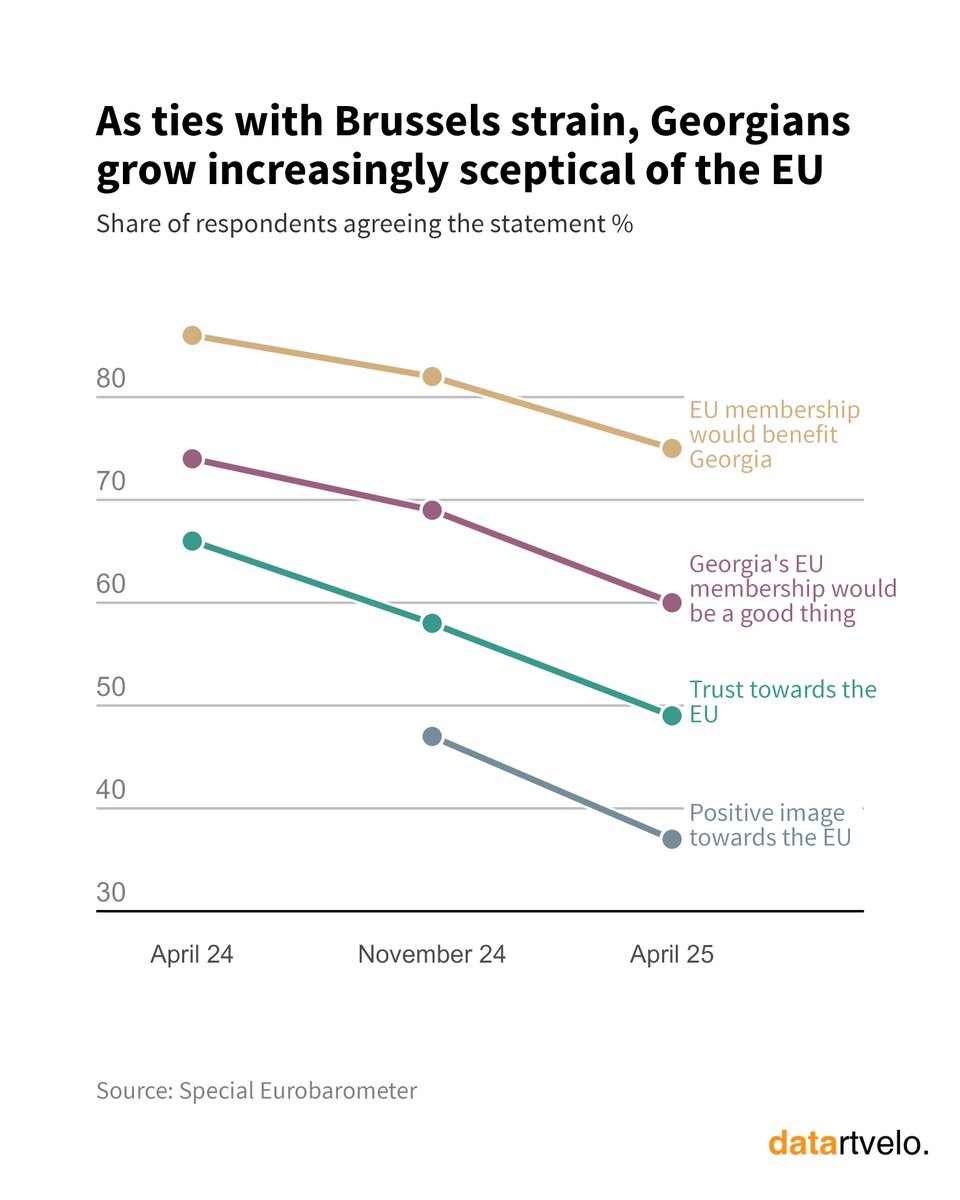
Georgians are becoming increasingly skeptical of the European Union. Over the past year, trust in the EU, support for #Georgia’s membership, and belief in the EU’s benefits have all declined. The shift comes as political tensions between Tbilisi and Brussels continue to mount.
Since 2010, support for# Georgia's UN resolution on the return of displaced persons from Abkhazia/Tskhinvali has more than doubled. Western countries have remained in favor, while Central Asian countries and China continue to abstain.
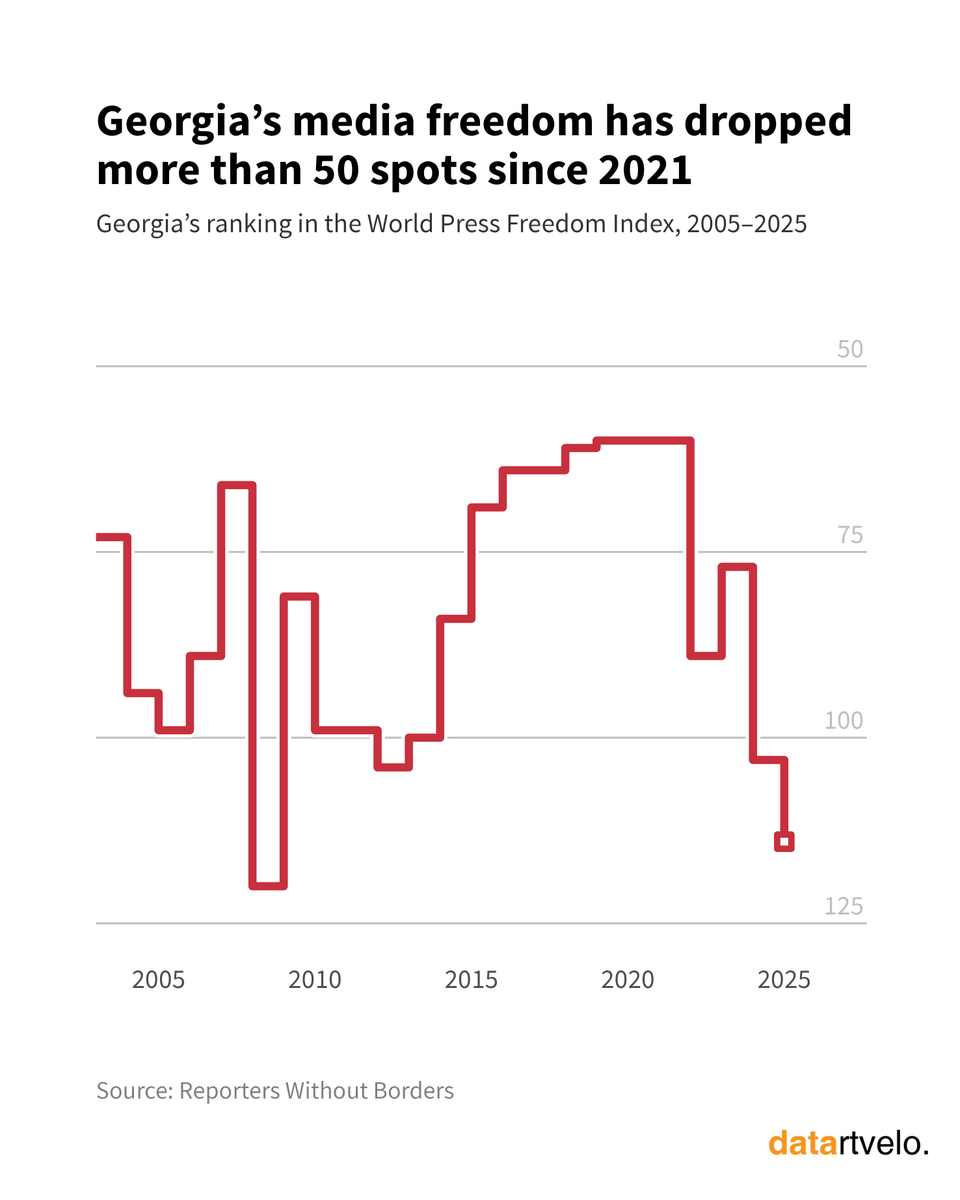
#Georgia has dropped from around 60th to 114th in the World Press Freedom Index, marking a significant decline that reflects mounting pressure on independent media. @RSF_en
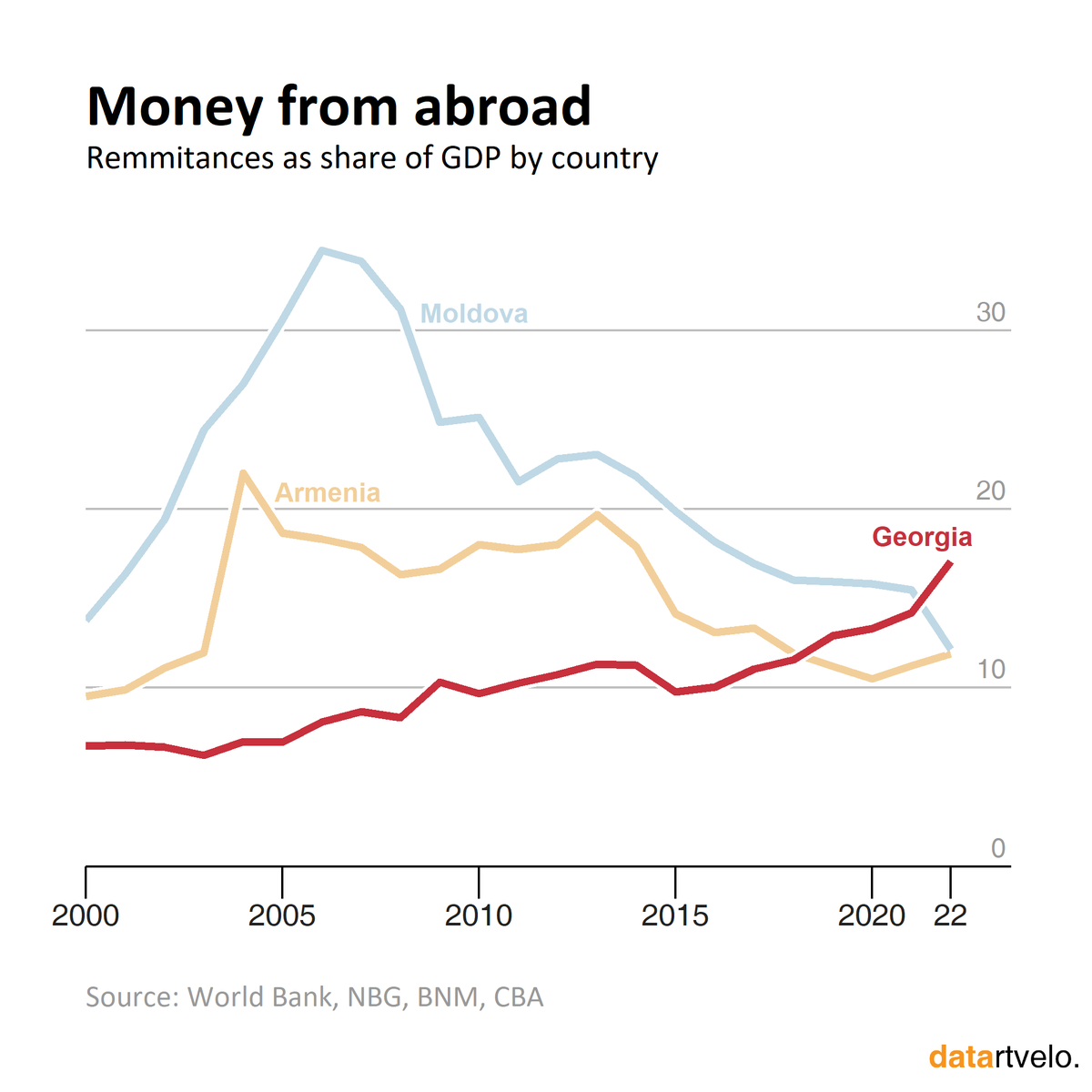
In 2022, remittances from abroad hit a record high in #Georgia, totaling more than 2 billion USD and accounting for 17% of GDP, surpassing countries with an extensive reliance on remittances like #Armenia and #Moldova.
Remittances from the EU surged after #Georgia secured visa-free travel, offering vital support to families back home. Revoking that access would hit both migrants and the economy hard.
Since 2015, #Georgia has seen steady decline in student performance. Girls are still doing better than boys, especially in reading & science, but that's not the whole story. Narrowing of gender gap isn't because boys are doing better, but because scores are dropping for everyone.
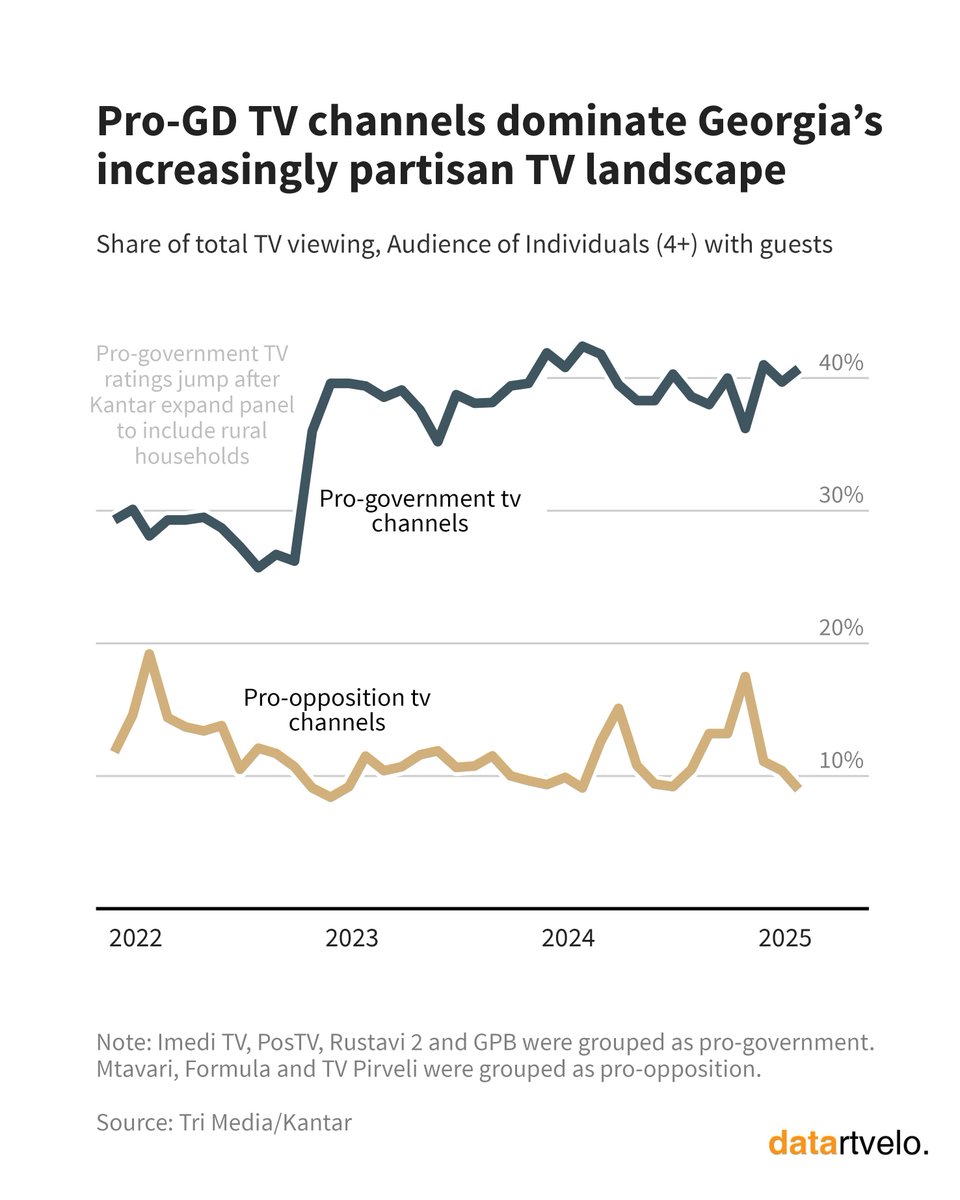
Tuning in to Government? Since late 2022, TV ratings in #Georgia have tilted further in favour of pro-GD channels. A revision to the panel, expanded beyond 7 major cities to include rural households, has coincided with a widening gap between pro-government and opposition outlets.
Despite years of political polarization, Georgian public remains clear: majority holds #Russia primarily responsible for the past armed conflicts in #Georgia. Regardless of politics, broader public views Russia's role in the outbreak and escalation of these conflicts as central.
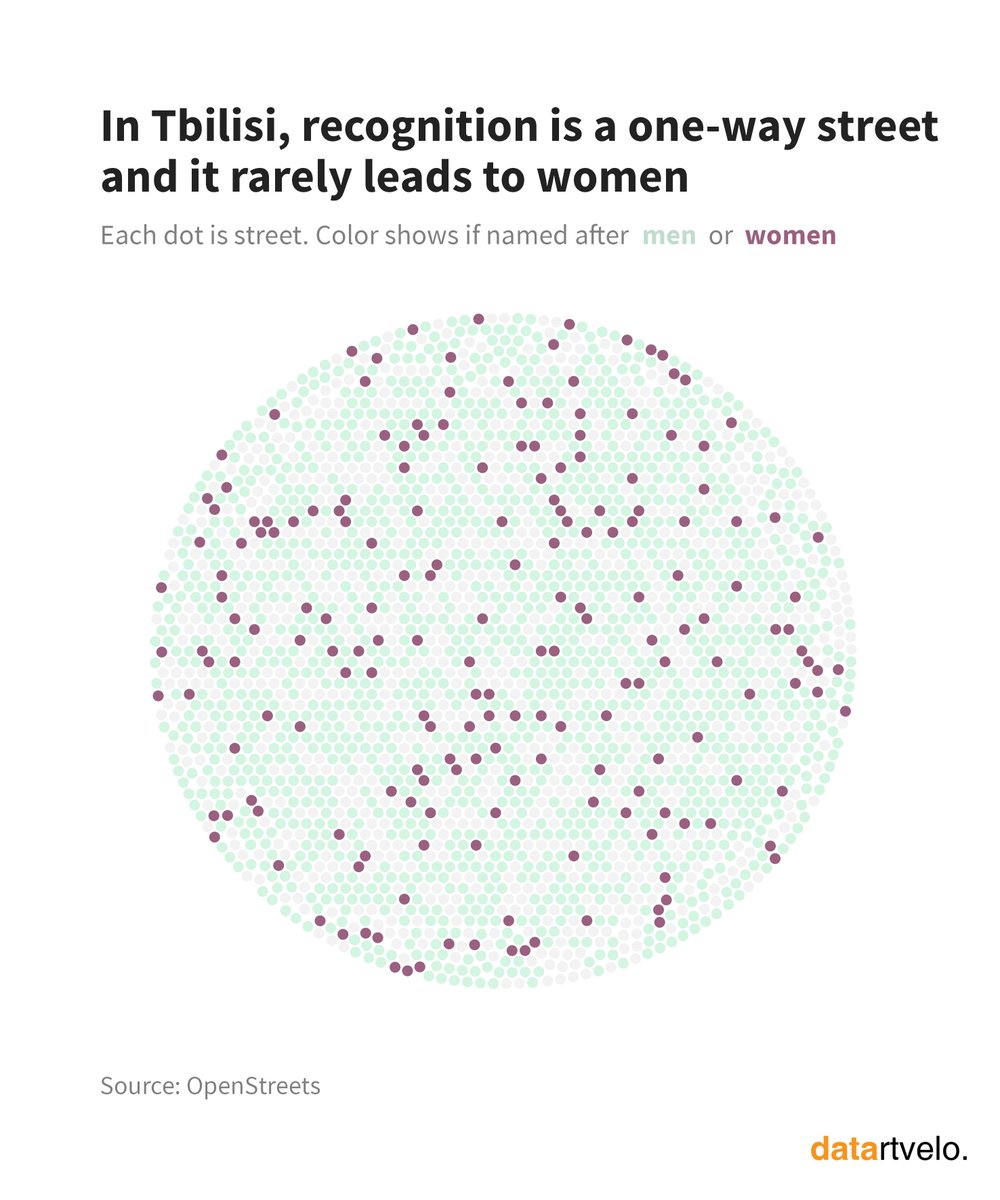
In Tbilisi, the city map reflects a striking gender gap in public recognition. While 57 percent of streets are named after men, only 7 percent bear the names of women. The remaining streets are named after geographical locations, events, or other neutral references.