Ich habe heute versucht, die Chatkontrolle zu stoppen.
Am Wochenende mussten Sibylle Berg und ich Parlamentspräsidentin Metsola schriftlich mitteilen, dass das Durchprügeln der Chatkontrolle im Eilverfahren leider gegen die Geschäftsordnung des EU-Parlaments verstößt. Während Metsola der interessierten Presse daraufhin (fälschlicherweise) mitteilte, dass das schon alles seine Richtigkeit habe, warten wir immer noch auf ihre Antwort.
Deshalb wollte ich es ihr heute bei der Eröffnungssitzung in Straßburg noch einmal erklären. Und musste erstaunt feststellen, dass die Präsidentin doch Regeln kennt: Exakt nach 60 Sekunden hat sie mir das Mikrophon abgestellt. (regelkonform, wird aber selten gemacht)
Dabei hätte ich noch einiges zu sagen gehabt: "Frau Präsidentin, Sie wachen nach Artikel 22 über dieses Regelwerk (mit der ausgedruckten Geschäftsordnung wedelnd) - erklären Sie den Eilantrag für unzulässig. Wir sind hier schließlich nicht auf Malta! Die aktuelle Fassung der Geschäftsordnung überreiche ich Ihnen gerne persönlich. In der MEP-Bar."
Wie es nun weitergeht? Morgen wird über das Eilverfahren abgestimmt, obwohl diese Abstimmung gar nicht stattfinden dürfte. Wenn der Antrag erfolgreich ist, kommt die Chatkontrolle Donnerstagmittag zur Abstimmung ins Plenum. Um sie noch zu stoppen, müssten 361 Abgeordnete - eine qualifizierte Mehrheit - DAGEGEN stimmen.
Die schlechte Nachricht: Donnerstag ist der letzte Tag vor der Sommerpause und viele MEPs dürften bereits auf dem Weg in den Urlaub sein. Ein Schelm, wer Böses denkt bei dieser Terminierung... Smiley!
Wenn die Chatkontrolle durchgeht, dürfen die Plattformen (also die US-Tech-Bros) wieder & weiterhin fröhlich & ganz legal Ihre Nachrichten scannen. Schreiben Sie also gefälligst etwas unterhaltsamer in den kommenden Wochen... ZwinkerSmiley!
#MSDyn365BC development tip: STOP writting the code in your language. Use English!!! If you don't know English stop development at all. In fact - this tip is for all dev languages.
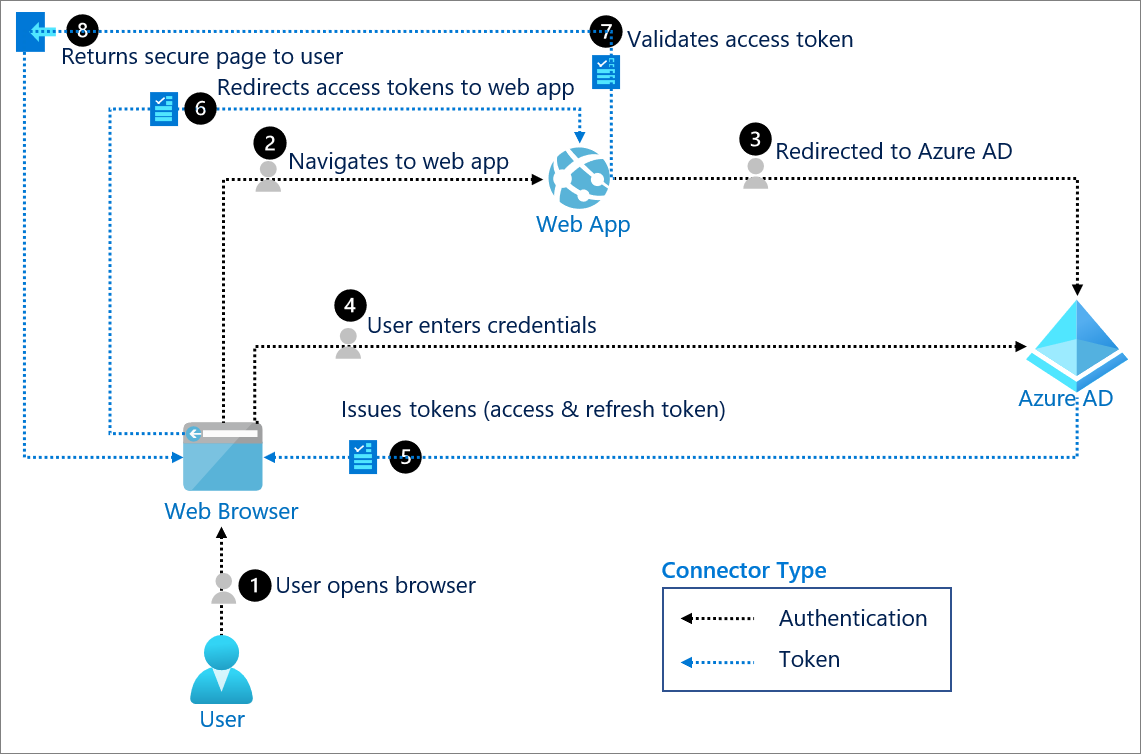
Ever wondered how your login works?
Let’s break it down. Whether you’re a tech enthusiast or just curious, this post has something for you. Stay tuned! 🚀
❌ In the pre-modern authentication era, users would present their credentials (like username, password, and IP address) to the server, which is weak, burdensome, and static. It cannot cope with the demands of the remote work economy, the digital transformation, and the cloud-based services and apps. It also exposes users and organizations to data breaches and cyberattacks.
✅ Modern Authentication
A multi-functional authentication & authorization method that ensures proper user identity and access controls in the cloud. It uses modern protocols such as SAML, OIDC, OAuth2 to establish trust, make risk assessments, and enforce policies.
- 🔽 SAML
https://t.co/rh0dTtZclx
- 🔽 OIDC
https://t.co/5NBSje0Vr7
- 🔽 OAuth2
https://t.co/VRgiq1KhSg
✅ Identity Provider (IdP)
Modern authentication introduced the concept of an identity provider. It acts as a trusted intermediary between the client (user) and the server. The client obtains a security token from the IdP, which serves as proof of the user’s identity. Now, instead of sending credentials to the server, the client fetches a security token from the identity provider.
https://t.co/vDWvZQOiLu
✅ Security Tokens
These tokens are the heart of modern authentication. The client can obtain this security token through various methods - smart card, authenticator app, and more. The critical factor is obtaining the security token. Then the client presents the security token to the server. The server, with its trust relationship with the identity provider, can verify the legitimacy of the token.
The Microsoft identity platform authenticates users and provides security tokens, such as access tokens, refresh tokens, and ID tokens.
- 🔽 Access token
https://t.co/dPFAuTQepS
- 🔽 Refresh token
https://t.co/dqjvx17sON
- 🔽 ID token
https://t.co/ZR81NE0HQt
✅ Claims
A token is a cryptographically signed document containing 'claims' - information about the user. Claims are attribute-value pairs that provide the identity details using the service. Common claims include 'subject' (an immutable identifier), 'issued at' (token issuance time), and 'expiration' (token expiry time). Another vital claim is 'audience'. It ensures the token is for the intended server, safeguarding against token misuse and enhancing security.
https://t.co/HSZR7avt1G
🔽 Reference Diagram:
https://t.co/v7pFqZXPOn
🔄 Found this post useful? Repost and share the knowledge! Follow for more insights into the world of #Azure, #CloudComputing, and more. Let's grow together! #oauth2 #security #OIDC #entraid #SAML #authentication
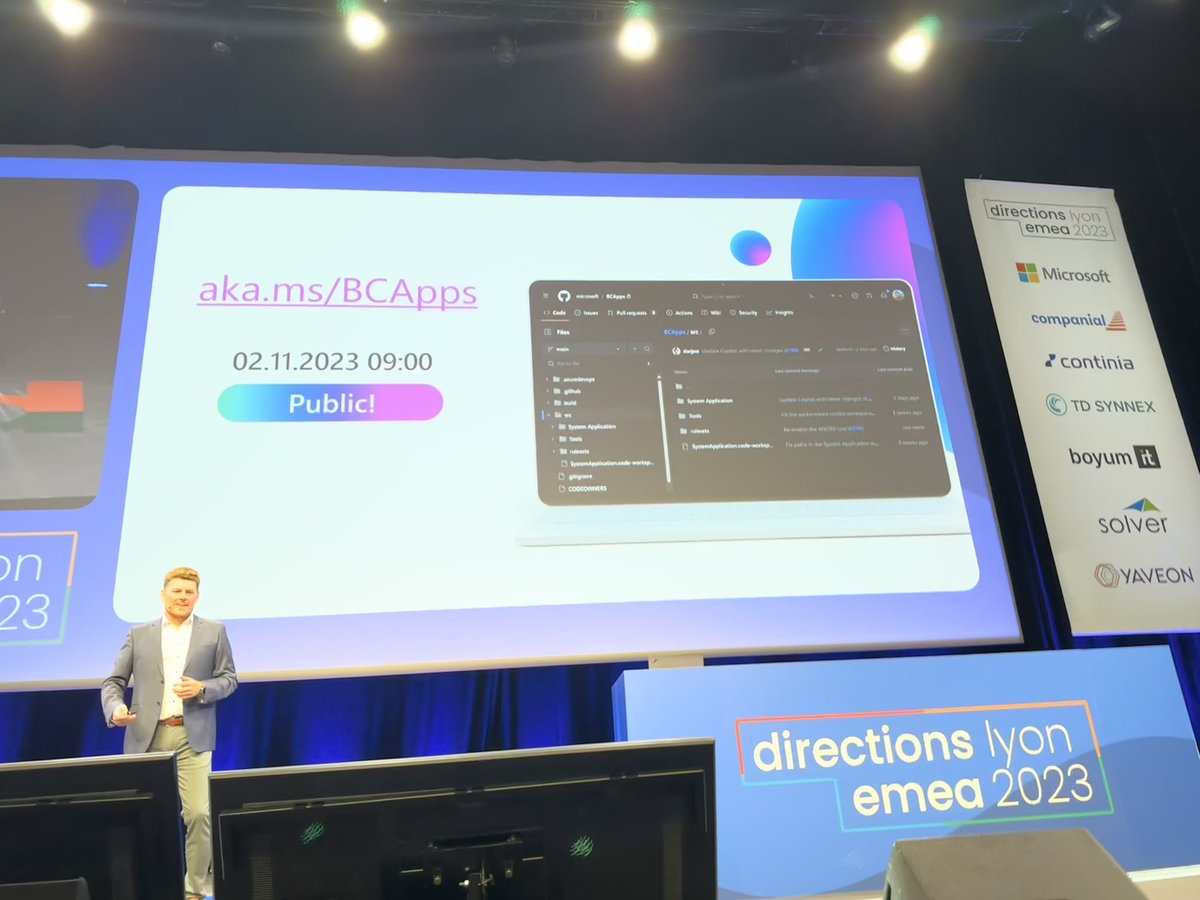
I’ve been waiting patiently for this moment for 5 years now. Finally the moment is here: the first logical layer, the system application, is now fully open source on the new BCApps repository 🥳 Going forward, you’ll find all pull requests from the #MSDyn365BC team on GitHub too! This is the beginning of a new era, where Microsoft and our magnificent partner channel move even closer together 💪 I couldn’t be happier 😀 And that concludes my covering of day 2. Boom 🤯
I know I was showing it already #MSDyn365BC But I was asking for it soooo many times so I now will say that I love it also soooo many times :) @JesperSchulz@nibmike finally ;)
#Microsoft released the new #Dynamics365#BusinessCentral 2023 #Wave1 (version 22) on the first days of April. In this article, @demiliani emphasizes some of the most important topics and features of this new version👉 https://t.co/GV8bN8KPr6