Procrastinators and "doers" have structurally different brains. You can see it on an MRI.
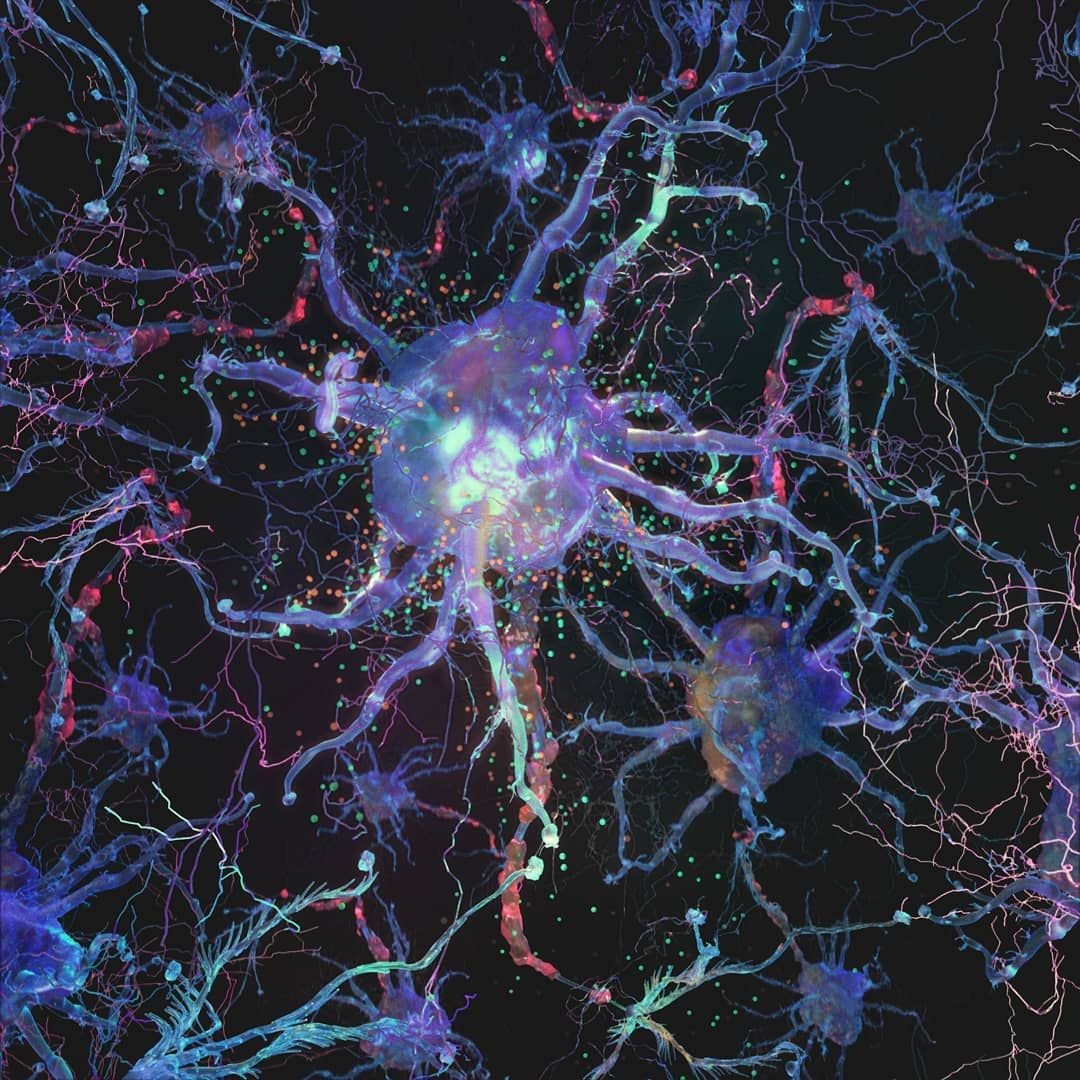
Did a deep dive on the neuroscience here. A 2018 study scanned 264 people and found that chronic procrastinators have a physically larger amygdala, the brain region that detects threats and triggers the fight-or-flight response. The same region that fires when a bear charges you also fires when you open a spreadsheet you've been avoiding. Researchers call it an "amygdala hijack." Your brain reads a hard task as danger, floods you with anxiety, and your emotional system steamrolls your planning system.
Procrastinators also have weaker wiring between the amygdala and the dorsal anterior cingulate cortex, the region that's supposed to override those panic signals and keep you focused. The alarm is louder, and the off switch barely works.
It gets stranger. Stanford fMRI research by Hal Hershfield found that when you think about your future self, your brain lights up the same way it does when thinking about a complete stranger. You're not putting off your own goals. Your brain genuinely doesn't register "future you" as you.
About 20% of adults are chronic procrastinators. Twin studies show it shares significant genetic overlap with impulsivity, meaning some people are wired for it from birth.
But brains rewire. A recent double-blind trial gave chronic procrastinators seven sessions of mild electrical stimulation to the left prefrontal cortex (your brain's self-control center). Procrastination decreased and remained low at a 6-month follow-up. The surprise: it didn't make tasks feel less unpleasant; it made people value the outcome more. The brain began to care about future rewards.
University of Pittsburgh research shows 8 weeks of mindfulness meditation physically shrinks the amygdala and thickens the prefrontal cortex. The connections between them rewire too, weakening stress responses and strengthening focus.
The real fix is emotion regulation (not motivation). Pre-planned decisions - "if it's 9 am Monday, I open the document" bypass the emotional system entirely, so the amygdala has nothing to hijack in the moment.
Cubicles aren't full of lazy people. They're full of overactive amygdalas and underconnected prefrontal cortices 🧐