She walked into a store with two dollars in her hand for a bottle of orange juice that cost $1.79.
The owner accused her of stealing it, grabbed her by the sweater, and — as the girl turned to leave — shot her in the back of the head.
Latasha Harlins was 15. Los Angeles, March 1991.
The security camera recorded all of it. The money was still in her hand when she fell.
The owner was convicted of voluntary manslaughter. The maximum was sixteen years.
The judge gave her probation, four hundred hours of community service, and a five-hundred-dollar fine. No prison. Not one day.
Latasha Harlins was thirteen days past the Rodney King video. Los Angeles held both of those facts at once for a year, and when the King verdicts came in, the city exploded — and a great many people in it were thinking about a girl and a bottle of juice.
Her family says she wanted to be a lawyer.
Fifteen years old. A dollar seventy-nine. Five hundred dollars.
Compare those last two numbers for a moment. That is the whole post.
Latasha Harlins was 15. Her life was worth more than $500.
And hers is not the only story where the value placed on a Black life was painfully different from the consequences that followed.
We documented up to 150 of those stories in 150 Crimes Against Black America They Never Answered For.
The names, the cases, the unanswered questions—they’re all there. Get yours https://t.co/V6OJtayKnF
A 25-year-old artist was arrested for writing on a subway wall with a marker.
He arrived at the hospital thirty minutes later in a coma, hogtied, covered in bruises. He died thirteen days later.
Michael Stewart. New York City, September 1983.
Eleven transit officers were involved in some part of the arrest. Six were charged. All were acquitted in 1985.
The medical examiner's findings changed over time, in ways that the city's own investigators found troubling. Stewart's eyes had been preserved for examination and then, somehow, were not available.
He was a young Black artist in the downtown scene — he knew people, he was part of that world. And his death terrified the people in it.
Jean-Michel Basquiat, who was 22 and already famous, painted a picture of two police officers clubbing a faceless Black figure. He called it "Defacement." He reportedly said afterward: it could have been me.
Basquiat died five years later. The painting still exists. It is one of the most important things he ever made and almost nobody knows what it is about.
A kid with a marker. Thirteen days. Zero convictions.
This far out hoodie inspired by Marty McFly's game-changing footwear (and foot-guided transport on the lining) will skew your timeline into a sweet new tangent. We're workin' on the power drawstrings.
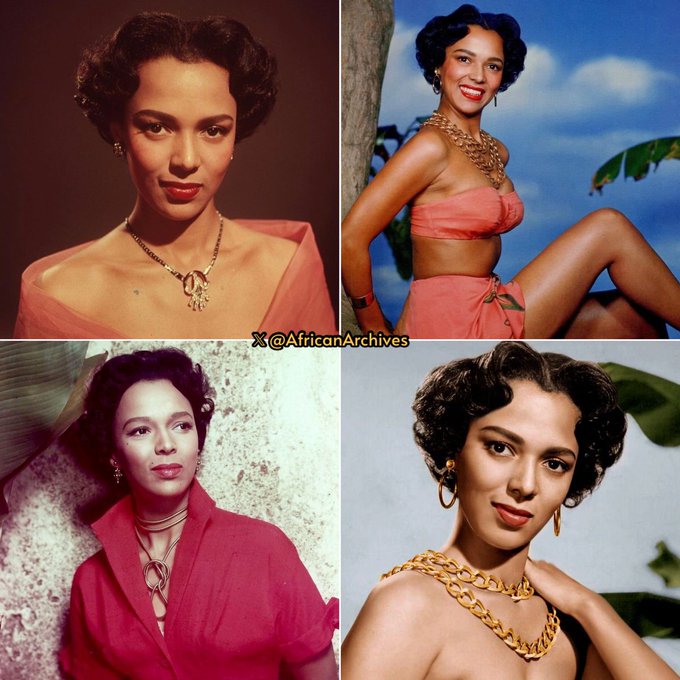
On this day in 1965, Hollywood starlet Dorothy Dandridge died. She was 42.
Dorothy Dandridge was a trailblazing black actress and singer. She rose to prominence in the 1950s as one of the first black actresses to achieve mainstream success in Hollywood. Dandridge's talent and beauty captivated audiences, and she became a symbol of elegance and grace. She starred in notable films such as "Carmen Jones," for which she earned an Academy Award nomination, and "Porgy and Bess." Dandridge faced racial discrimination and limited opportunities in the film industry but left a lasting impact on the entertainment world. Her legacy as a talented performer and barrier-breaking artist continues to inspire generations.
Nolan Wells’ story is fading from the timeline. Every like, comment, share, and repost helps keep his name — and the fight for answers — alive.
Please don’t let his story disappear.