1/ I just finished one of the best books I've EVER read.
Comes out next week.
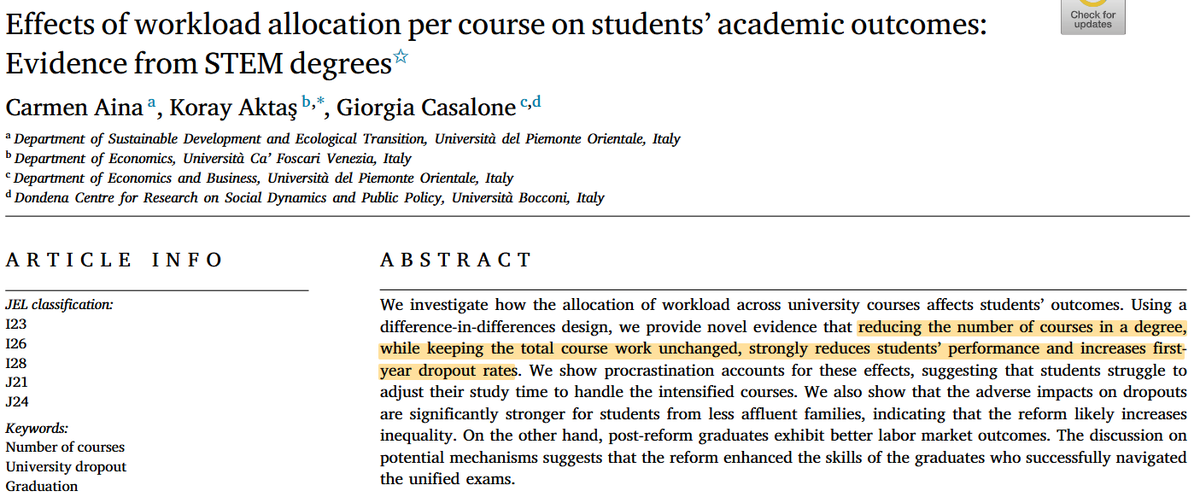
My friend @DavidEpstein (Range, The Sports Gene) has written a masterpiece on the virtue of constraints, of not thinking OUTSIDE the box but "INSIDE the BOX"...
As a few quick excerpts that 🤯...
@clevelandteams@andrewrsorkin@TheAnkler It's so good. Made me realize how little I knew about that era. And Andrew tells it through fascinating personal narratives.
Thank you @andrewrsorkin for recommending my book in @TheAnkler ’s summer reading list! Your book 1929, is my favorite read of the year. I’ve been pushing it on people, both for the incredible history and the present-day parallels.
Link in bio for more info and links for my new book, Inside the Box, in which I share science and stories that show how constraints can make you more creative, productive, and satisfied.
Norway gives every kid a participation trophy. No scores, no rankings before age 13. That country, smaller than metro Atlanta, just made the World Cup knockout round. Meanwhile the US picks "elite" 7-year-olds, forms travel teams, and mostly just selects for kids born early in their birth year. One system keeps the talent funnel wide. The other confuses maturation with potential. Which one is showing up in the results?
@tylandxela "Elite" may be too strong a word. But I lived across the street from the meeting place for a U8 travel soccer team that did selection. It's not uncommon.
Ideas come fast at first, but the best ones come later.
Researchers call the mistake the Creative Cliff Illusion: we think creativity is dropping off when it is actually warming up.
They did not close to invent the sports high school. They didn't even invent the Scandinavian version of it. Olympiatoppen and the network of schools are for sure impactful, but the specialization and selection timing is specifically pushed back after that protected childhood phase. I didn't write a book on it, but that's what I saw when I was there reporting on it.
Today's article is an absurdly deep dive into what life was like in America 100 years ago, in 1926, on America's 150th
Some favorite factoids about life in 1926:
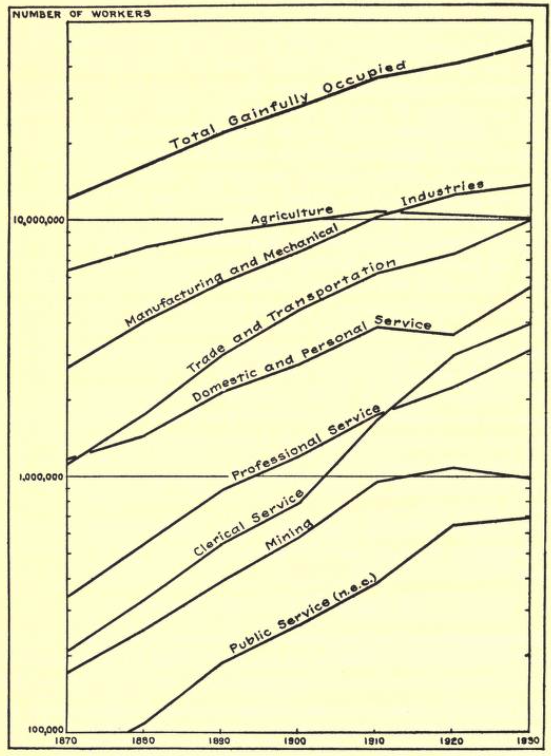
- Farming is collapsing: Agriculture’s employment share fell from 50% in 1870 to <25% in 1926. The price of cotton & corn fell 50% after WWI. percent.
- Manufacturing productivity growth is insane: In 1910, it took ~15 hours to put together a Model T; by 1926, a new car rolls off an assembly line every 10 seconds. A vehicle that cost the avg worker two years’ wages before World War I cost 3 months’ earnings in 1926
- Americans are obsessed, obsessed, obsessed with cars: 1920s Kansas had more vehicles than France
- The influence of flappers on fashion is quantifiable: The amount of fabric in the avg dress fell from 20 yards in 1910 to 7 yards in 1926
- Prohibition killed a lot of people: 12k people died in 1927 from drinking industrial alcohol that the feds had poisoned on purpose to discourage consumption—adjusted for population, that'd be the mortality equivalent of 36k people dying in 2026, which is roughly the number of car deaths
- Sports were very different: No TV means no commercial breaks, and players were in a rush. In one doubleheader against the New York Yankees on September 26, 1926, the St. Louis Browns won 6–1 in 72 minutes and then won 6–2 in 55 minutes with a one-hour break in between
- 1926 might have been the high-water mark for literacy in US history: The number of books published annually had doubled since the 1910s; magazine advertising revenues grew by 500%
- All this change was driving ppl crazy: In Germany, where medical records were better, the number of patients registered in mental hospitals grew from 40,375 in 1870 to 220,881 in 1910. Over the same period, the share of patients admitted to general hospitals for illnesses of the nervous system rose from 44 to 60%.
https://t.co/ThhKO5YWm1
In any case, I'd probably love this book. But from the description it certainly does sound like it's about the magic of double-threshold: "Their secret? Plenty of volume at low intensity, punctuated with hard-fought double-threshold workouts, which seems to turn workhorses into winners"
@GIO3969 Hold on, hold on. The best distance runner of this era is a Norwegian guy. The most bonkers record set this era was anther Norwegian guy. The women recently won the 4x400 at World Relays. With regard to track, you have no idea what you're talking about.
Soccer? Track and field? Ruud and Hovland are both currently 12th. The sports I think you're referring to as small are enormous in countries much larger than Norway (Germany, for example). And even regional interest in a sport in a country like the US will get more raw talent than national interest in Norway. Anyway, I appreciate your perspective, and happy to have engaged, even if not convinced.