I wrote this essay because I was making a work of art. I slipped in stuff which works below the surface, is open to interpretation, and is more than meets the eye. For instance, I'm talking about the narrator not being in charge of the impression he is making on the reader.
My best illustration of my idea about knowing without believing. The Muller-Lyer optical illusion. You can convince yourself of (you can *know*) the truth that the parallel lines are the same length. But you cannot get your perceptual system to *believe* they are the same length.
I wrote this essay because I found it fascinating that some people who denied free will were ALSO declaring that this free will's falsity should not be made public. https://t.co/tnmy4RX81B
I wrote this essay because I had in my hands something I knew I was right about but which lots and lots of people were wrong about. https://t.co/tnmy4RX81B
I write about what we know but do not believe. Robert Sapolsky knows he doesn’t have free will but sometimes he acts like he believes he does. Some others deny free will but they don't want denial to become pervasive. They know but they don't want others to believe.
My best illustration of my idea about knowing without believing. The Muller-Lyer optical illusion. You can convince yourself of (you can *know*) the truth that the parallel lines are the same length. But you cannot get your perceptual system to *believe* they are the same length.
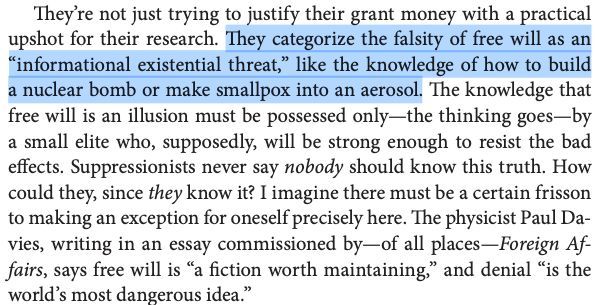
"Suppressionists" categorize the falsity of free will as an “informational existential threat,” like the knowledge of how to build a nuclear bomb or make smallpox into an aerosol.
And, on the third hand: "There are those who say free will is an illusion but that the effects of disbelief would be so detrimental that this knowledge should be suppressed."
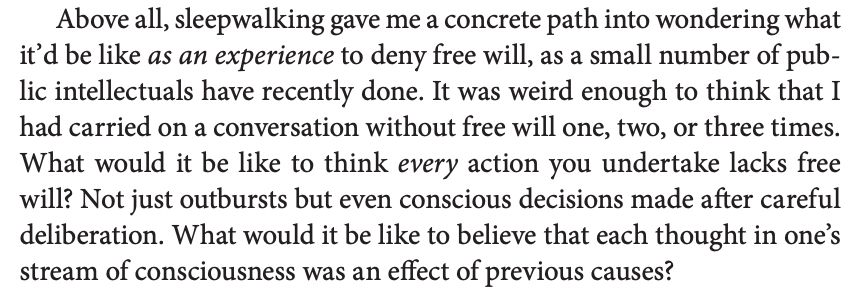
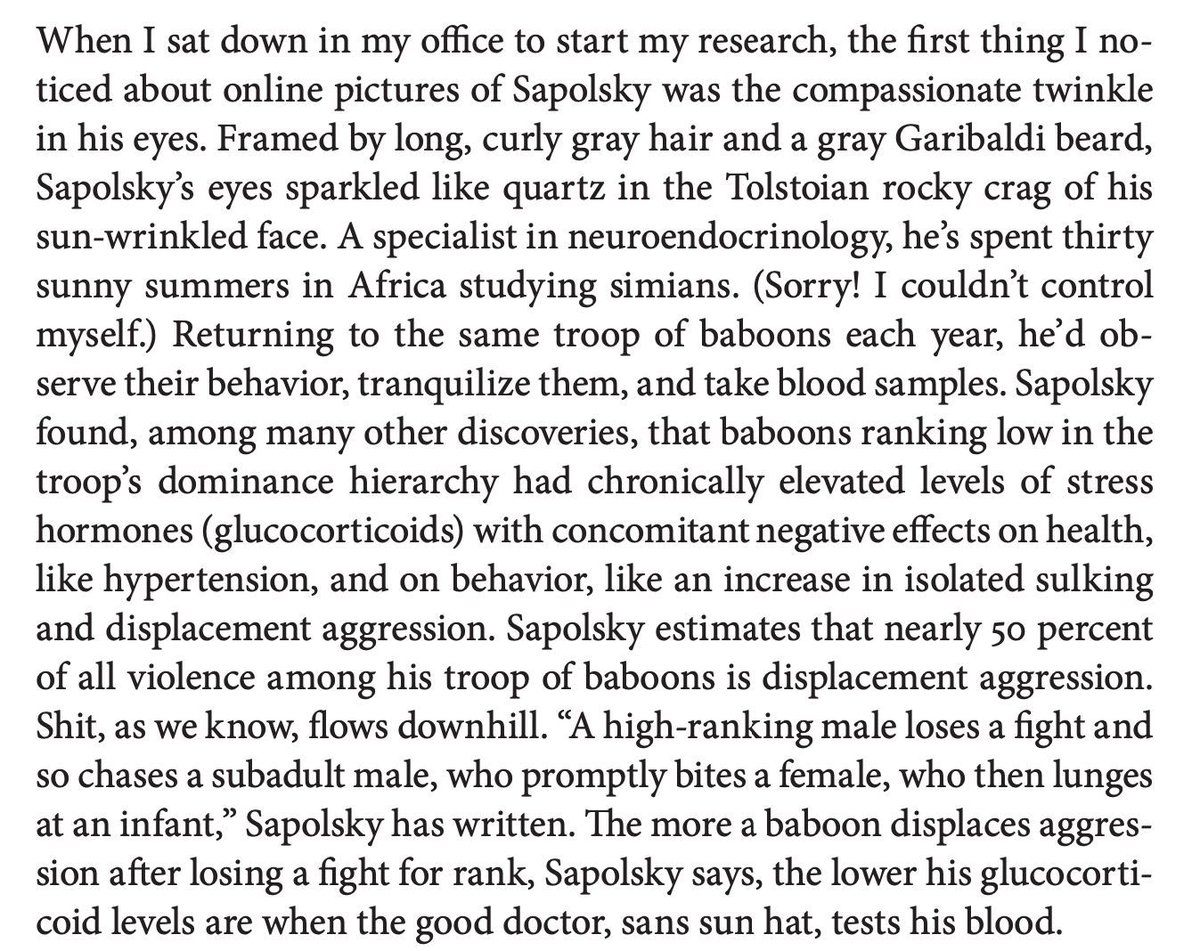
@PhilosophyNow I contributed to Issue 93 on Nietzsche. I have a related essay in the @Missouri_Review this month, July 2026. It's about the psychological effects of denying free will, focusing on biologist Robert Sapolsky. Here's an excerpt. https://t.co/lVkw7rktpV
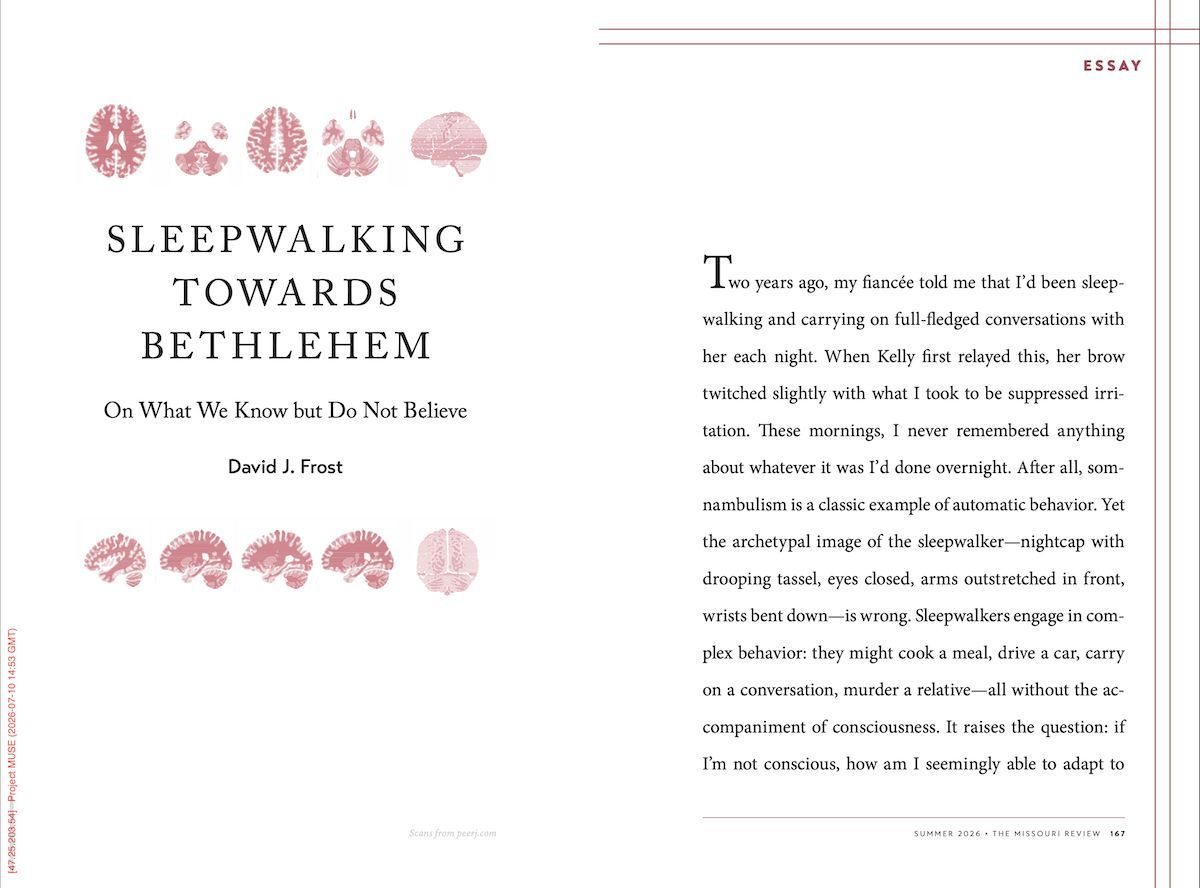
The Missouri Review just published my essay, "Sleepwalking Towards Bethlehem." It's about what it's like, as an experience, for scientist Robert Sapolsky to deny his own free will. Plus lots more. Check out these jpegs of excerpts too. https://t.co/nm2n9eTphk @Missouri_Review
Disbelief in free will causes dishonest, selfish, aggressive, and conforming behavior; reduces helpfulness; hampers learning from one’s misdeeds; curtails thinking for oneself; diminishes recycling; lowers expectations for occupational success and quality of job performance.
"When test subjects are primed with anti-free-will belief (by reading a passage denying free will in Francis Crick’s book The Astonishing Hypothesis), they cheat and steal during real-money lab games in great percentages than subjects in the control group."
"Frost's writing sits at a unique space—like Joe Blow could read it and get something out of it, but so could Adorno." h/t Kevilina Burbank @Missouri_Review https://t.co/qoXmVZR6wp
The knowledge that free will is an illusion must be possessed only—the thinking goes—by a small elite who, supposedly, will be strong enough to resist the bad effects. Suppressionists never say nobody should know this truth. How could they, since they know it?
"Frost's writing sits at a unique space—like Joe Blow could read it and get something out of it, but so could Adorno." h/t Kevilina Burbank @Missouri_Review https://t.co/qoXmVZR6wp