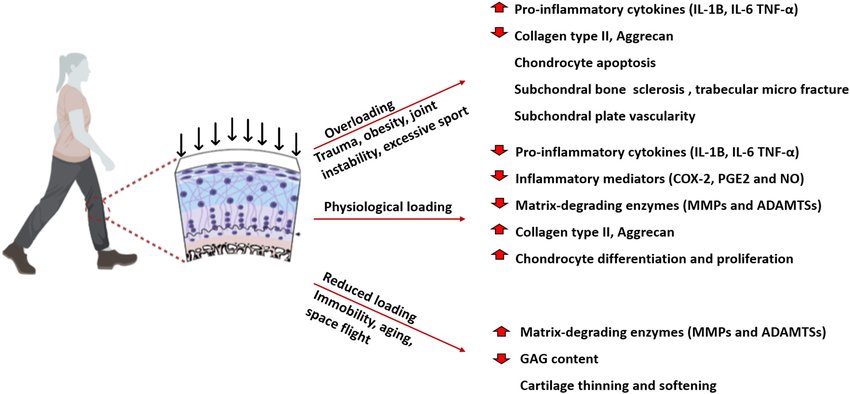
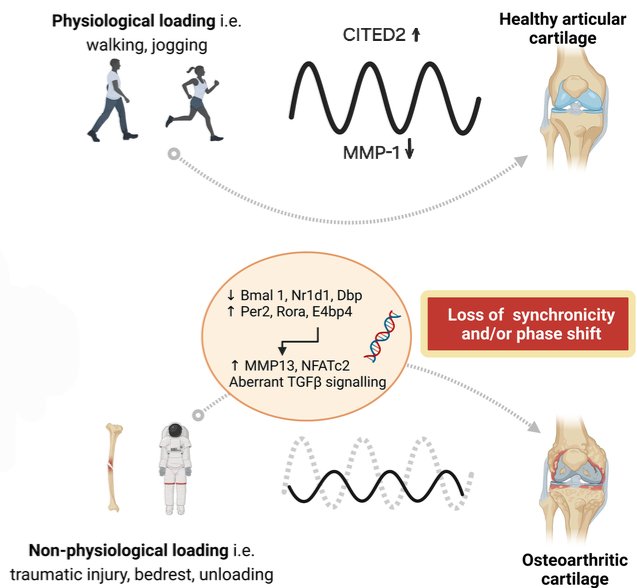
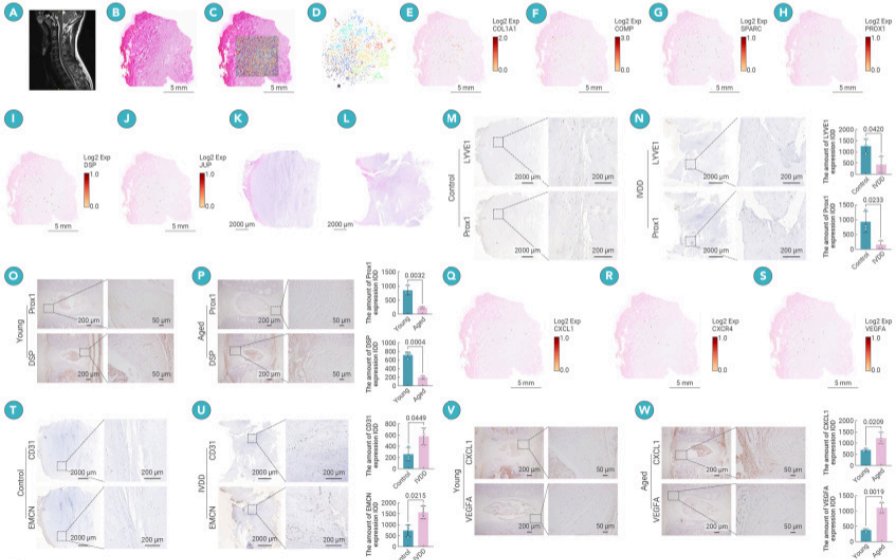
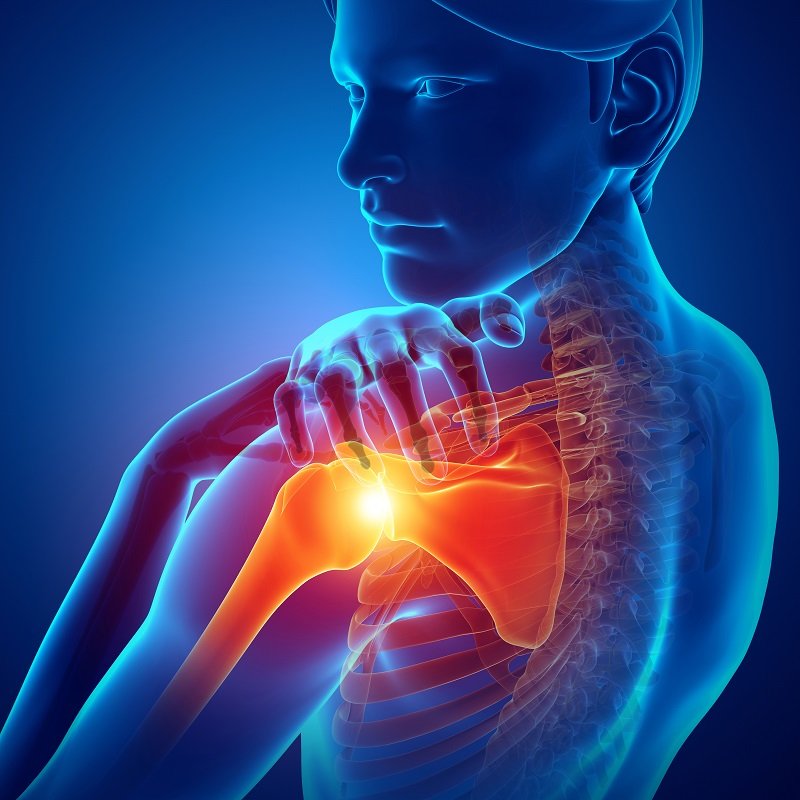
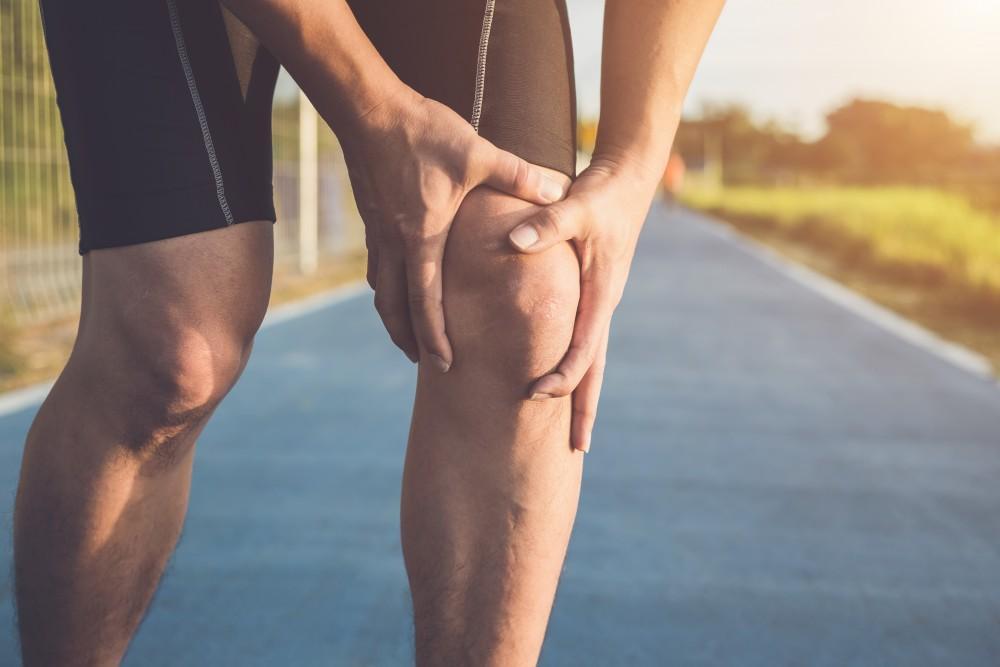
Physiological stress on #joints (walking, #running, and even PROM) causes an upregulation of CITED2, a protein that plays a protective role in joint #health by suppressing cartilage degradation.
Leong et al.
https://t.co/VA7qsA7vRe
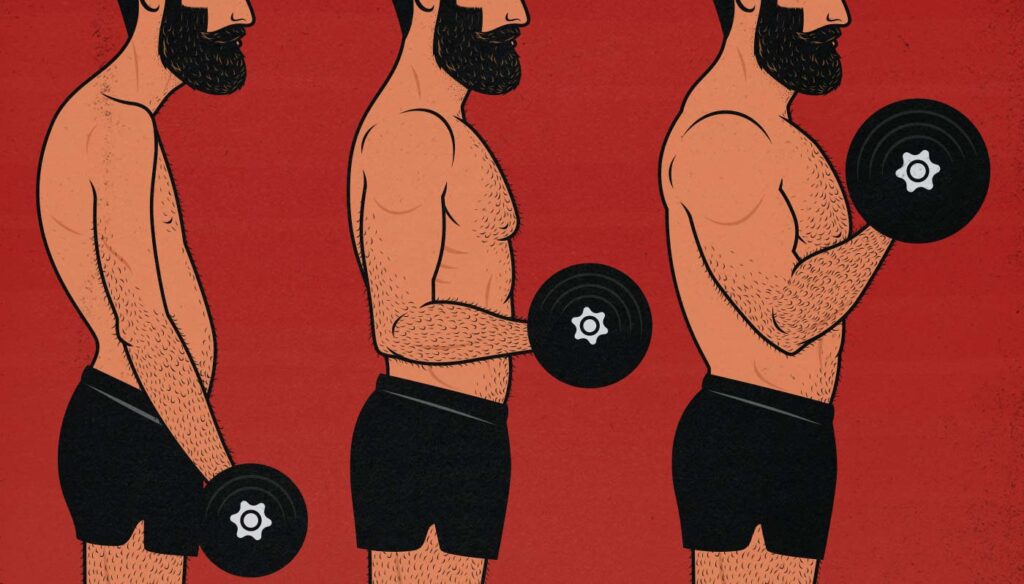
Heavy loads (>60% 1RM) beat light loads (≤60% 1RM) for building maximal strength (1RM gains), but muscle hypertrophy?
Similar results across the loading spectrum when sets go to failure.
Heavy for pure strength, flexible loads for size! 💪
#Strength
https://t.co/jF6rF868rb
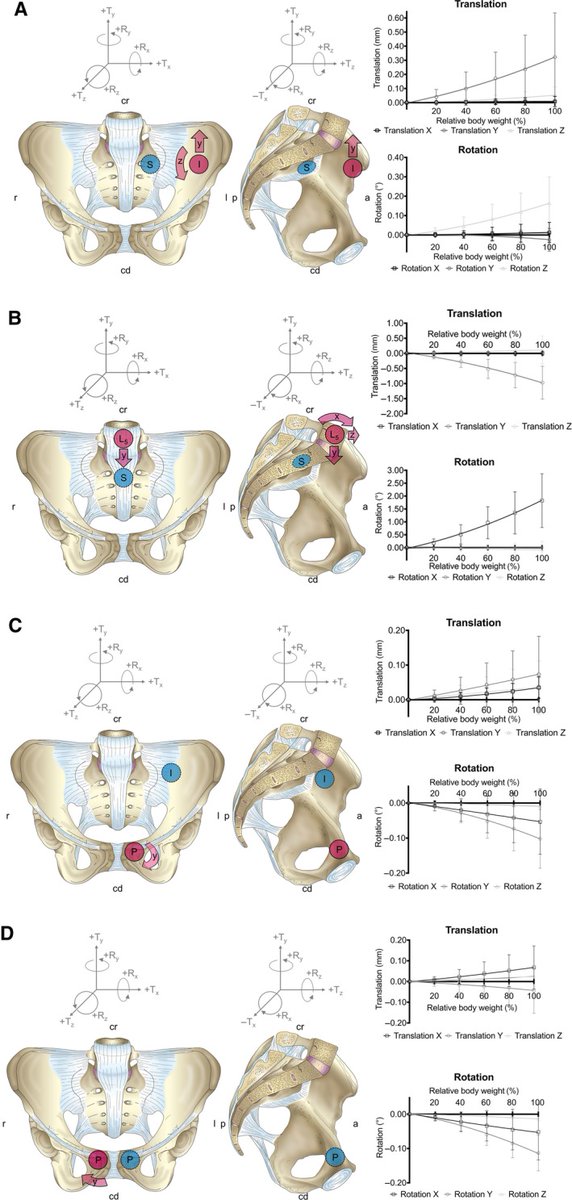
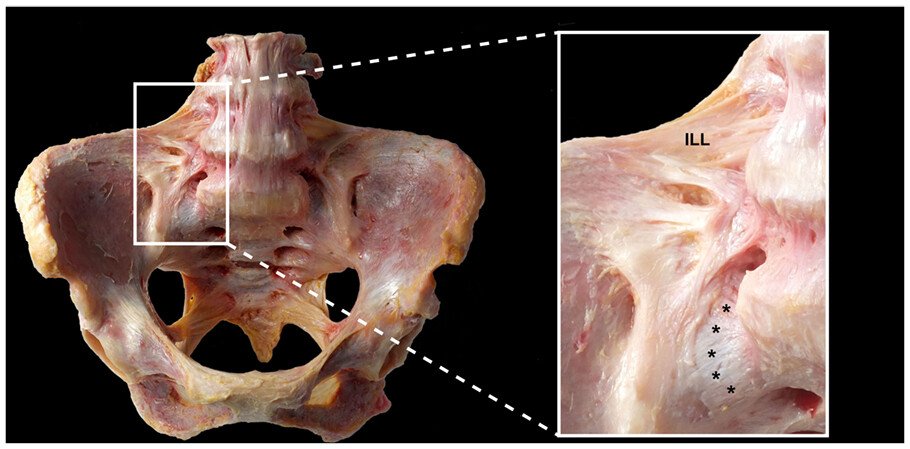
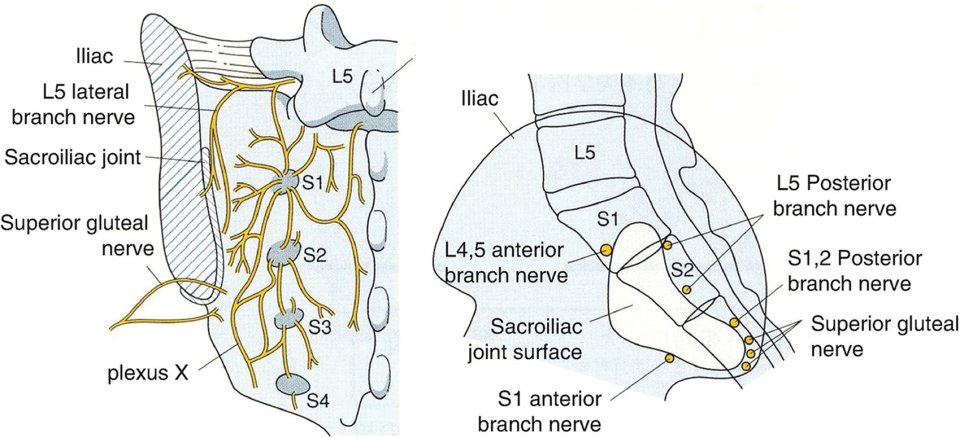
The SIJ receives its innervation from the ventral rami of L4 and L5, superior gluteal nerve, and dorsal rami of L5-S2. Could radiculopathy from spinal nerve root compression/irritation often be the real source of SIJ related pain?
SIJ motion? Barely there. This study supports that SIJ is built for stability, not big movements. Under physiological loads, the lumbosacral junction does the heavy lifting. Is our field overdiagnosing & overtreating SIJ dysfunction?
https://t.co/4ON87jUCjK
SIJ assessments we have considered as gold-standard may be unreliable, including the Gillet test, thigh thrust, Patrick's test, Gaenslen's test, midline sacral thrust, sacral sulcus tenderness, and joint play.
https://t.co/jB3isWRel4
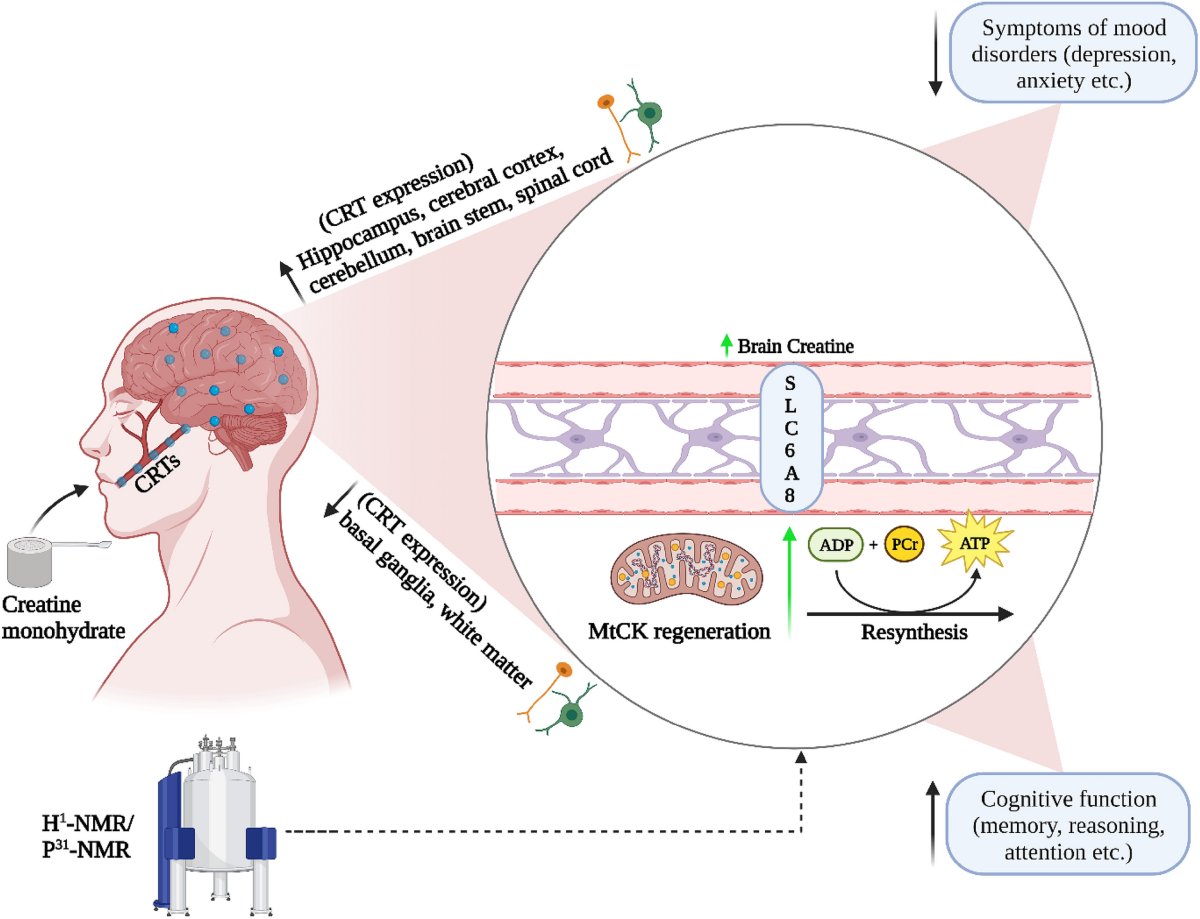
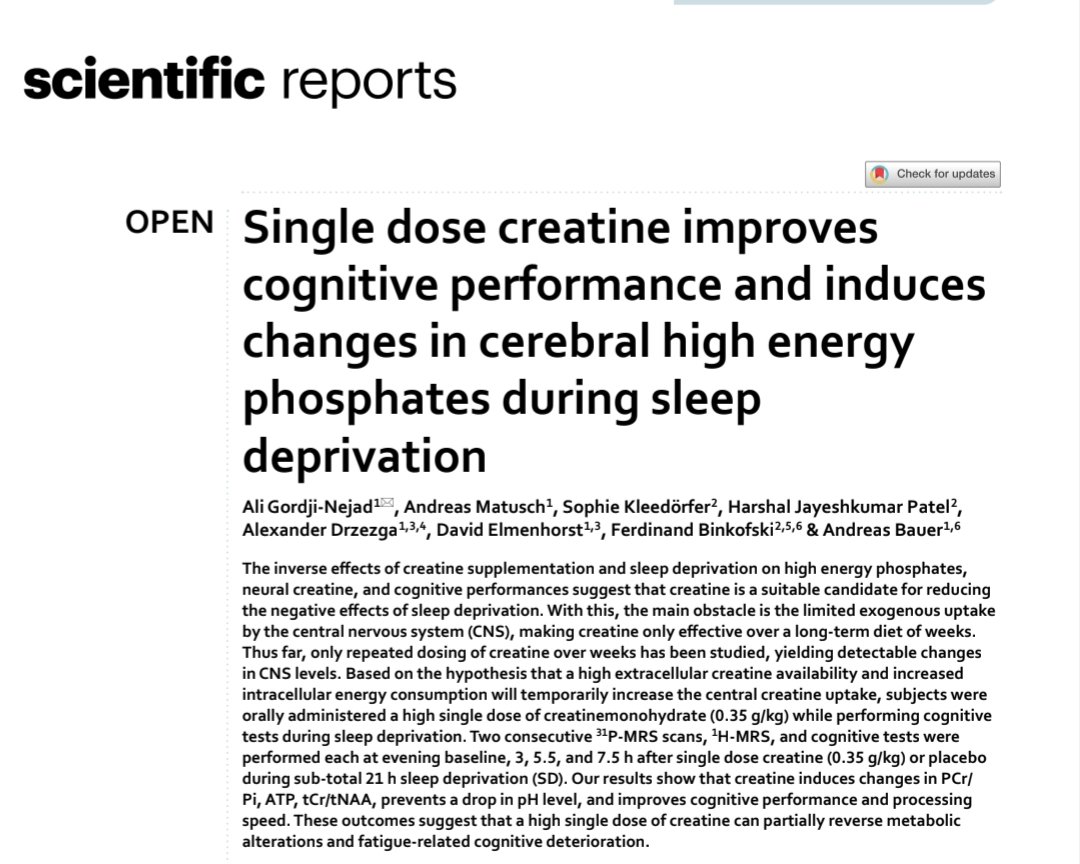
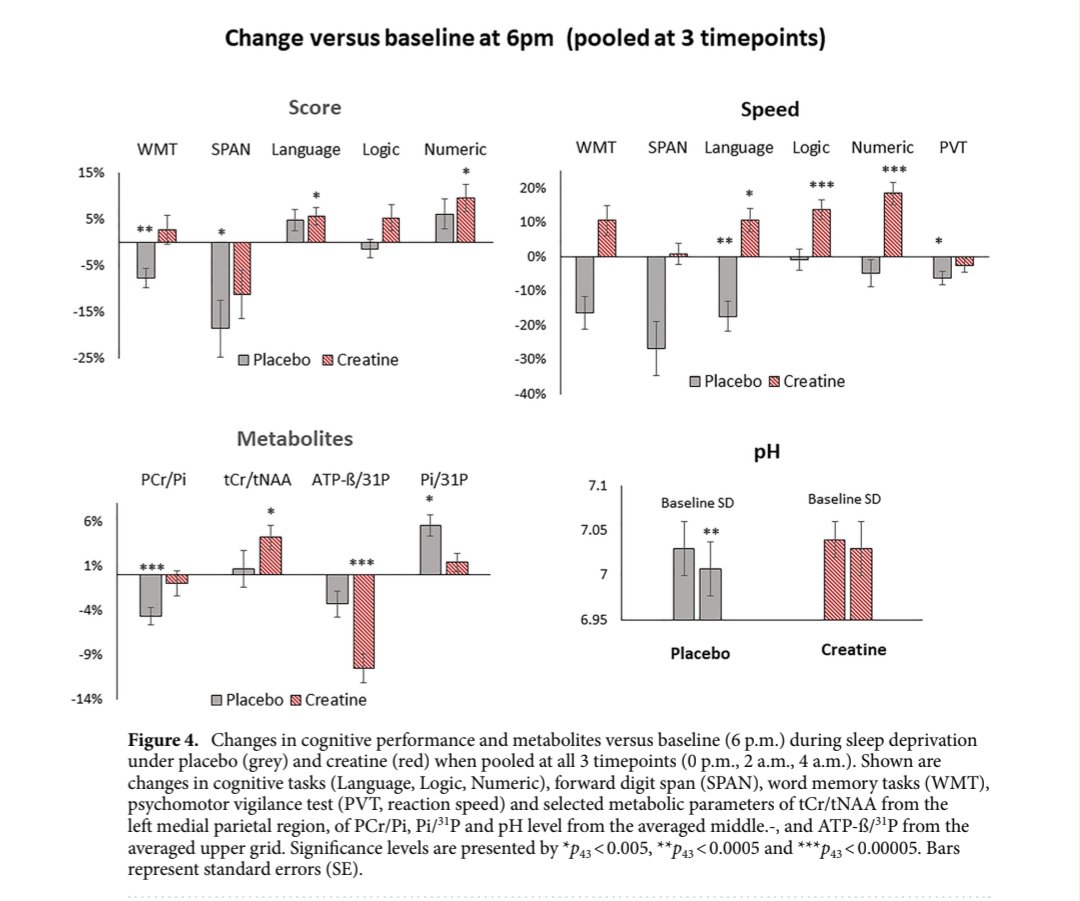
A single, high dose of #creatine (0.35g/kg) can partially reverse the metabolic alterations and cognitive deterioration associated with acute sleep deprivation.
https://t.co/qcYcnTDjlD
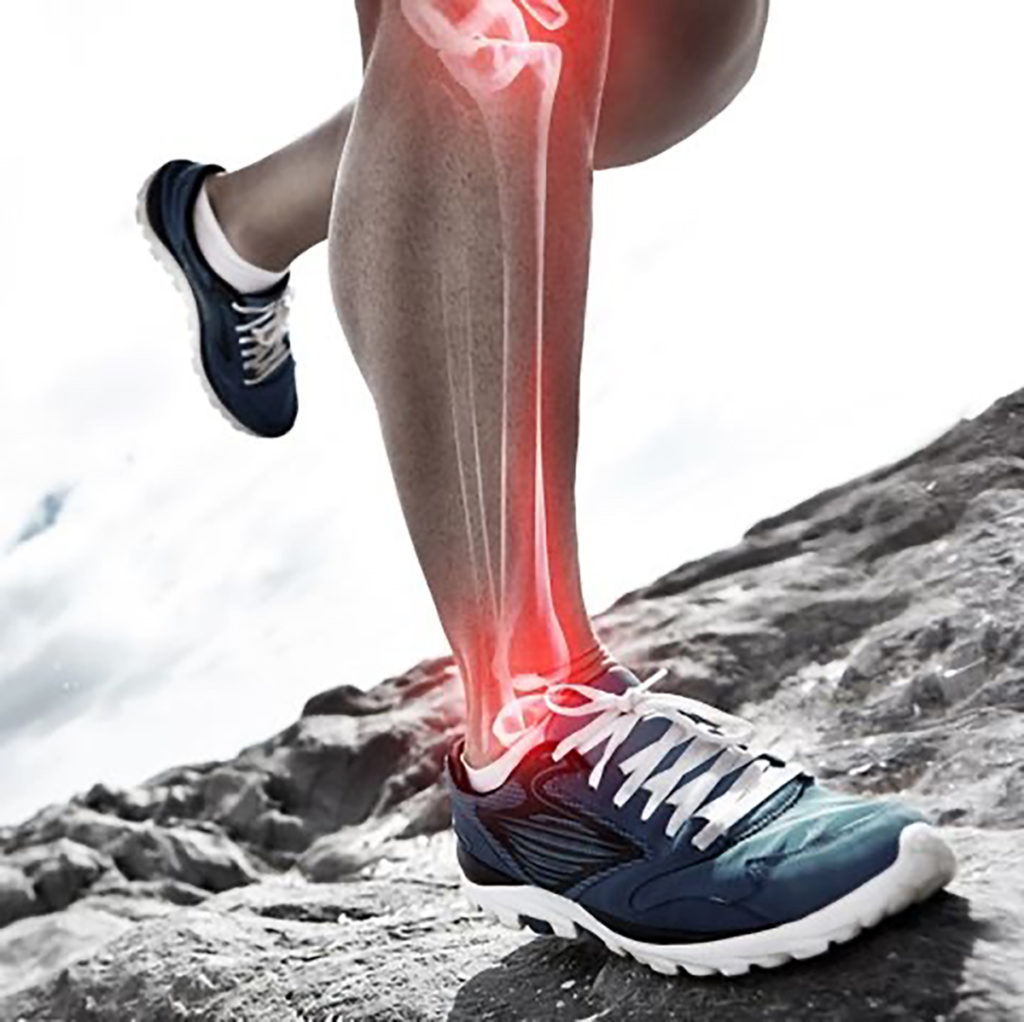
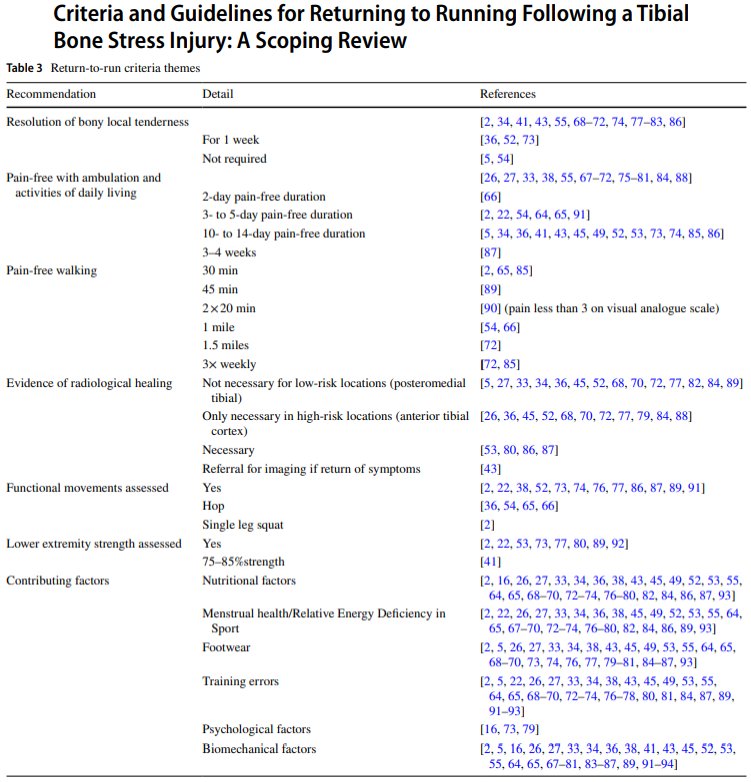
🏃♂️ Recovering from a tibial bone stress injury? Check out this recent scoping review on criteria & guidelines for safely returning to #running. Evidence-based insights to guide your comeback! 💪
https://t.co/papCsg4z55
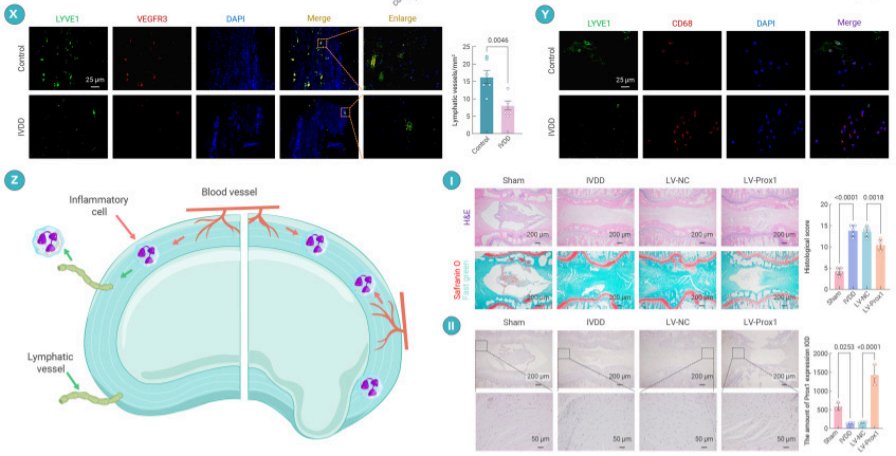
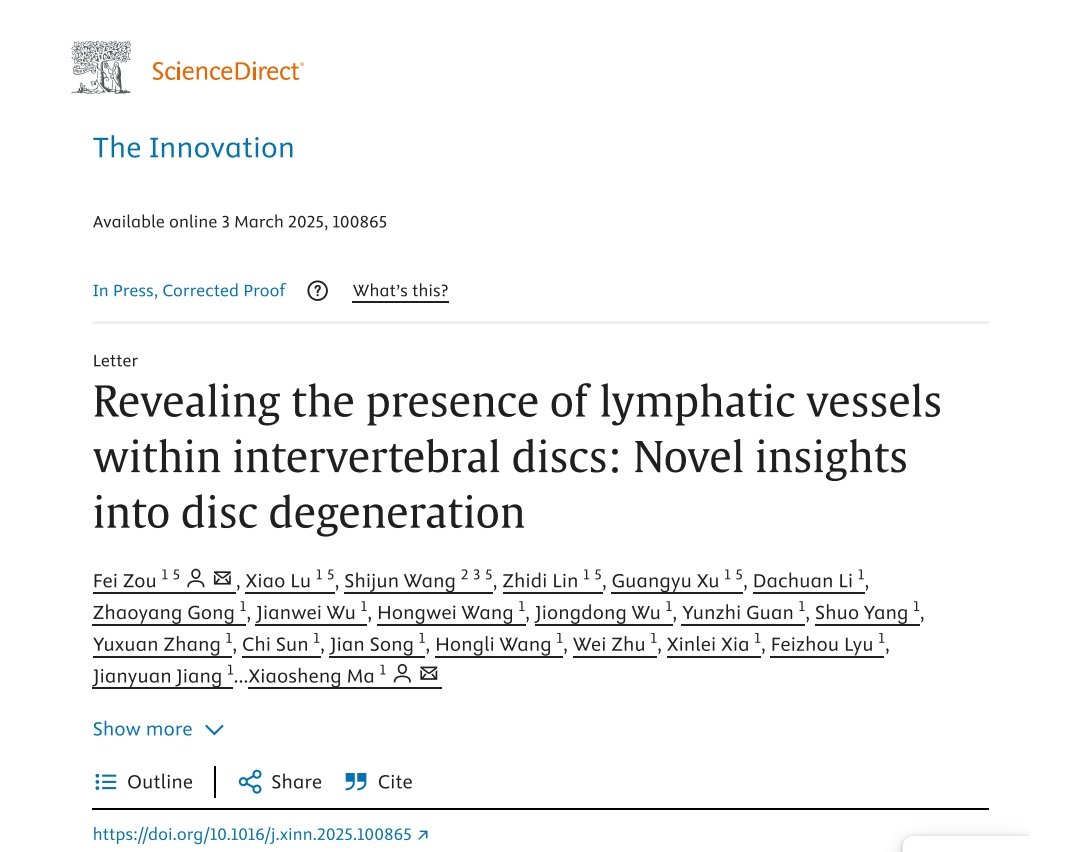
New research challenges belief that healthy intervertebral discs do not have lymphatic supply and suggests it may allow them to alleviate inflammation within the discs. This may open up new possibilities for future treatments of degenerative disc disease.
https://t.co/zfaqCF9kxE
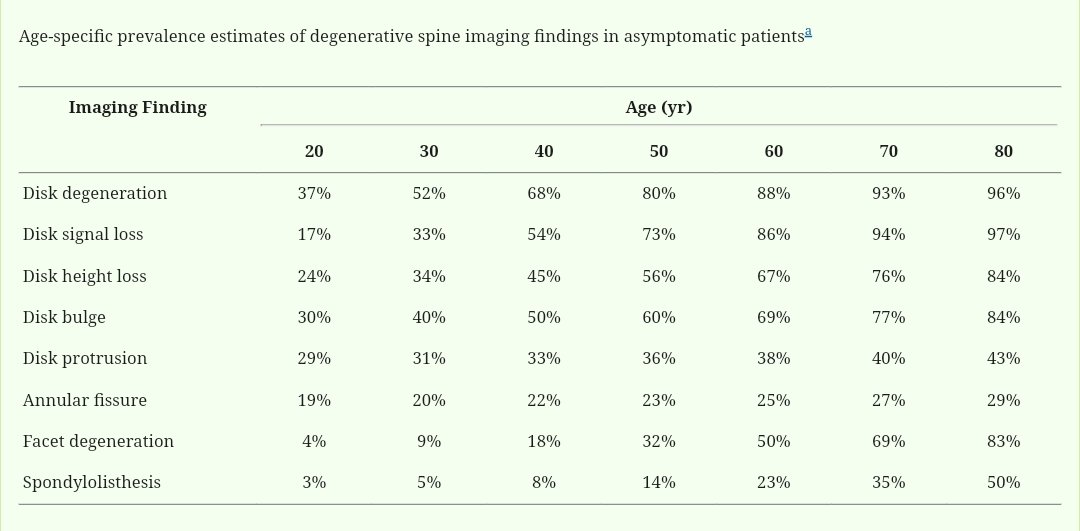
Imaging findings of degenerative spine disease are common in asymptomatic people. Educate patients and advise clinicians to focus on symptoms, using imaging only as a guide in rehab and to rule out red flags 🚩
https://t.co/F1aJyZgtVS
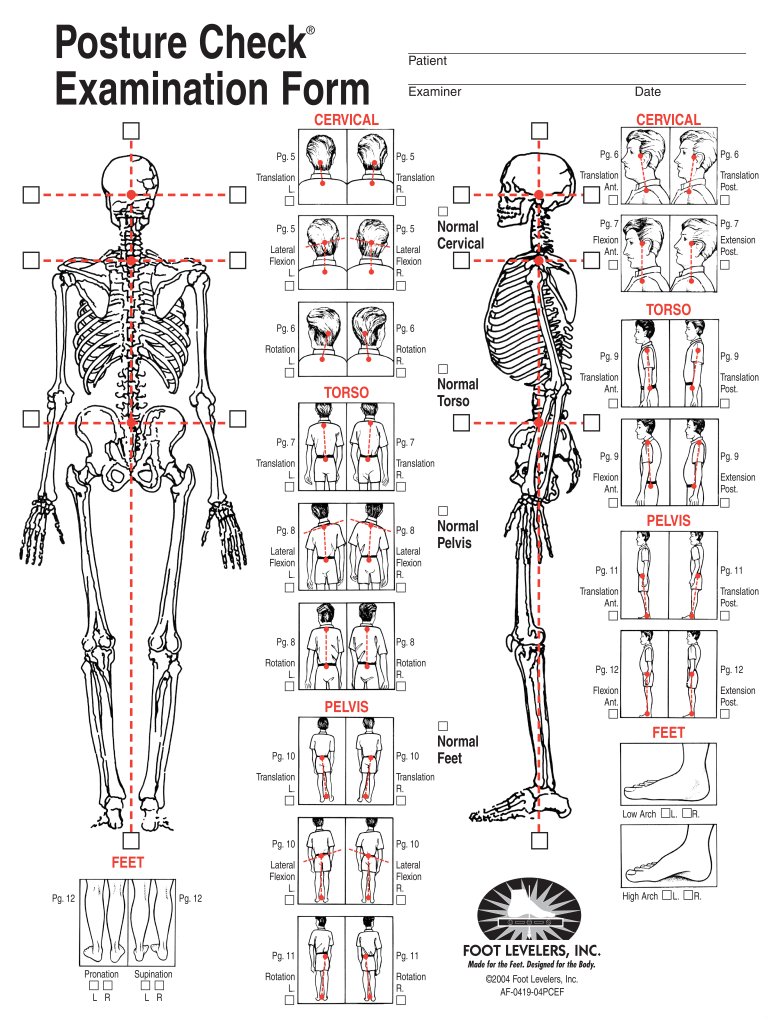
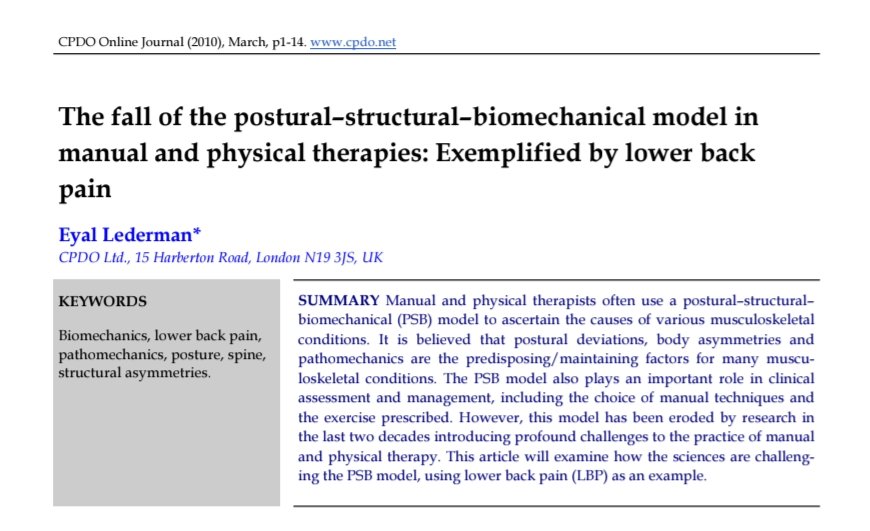
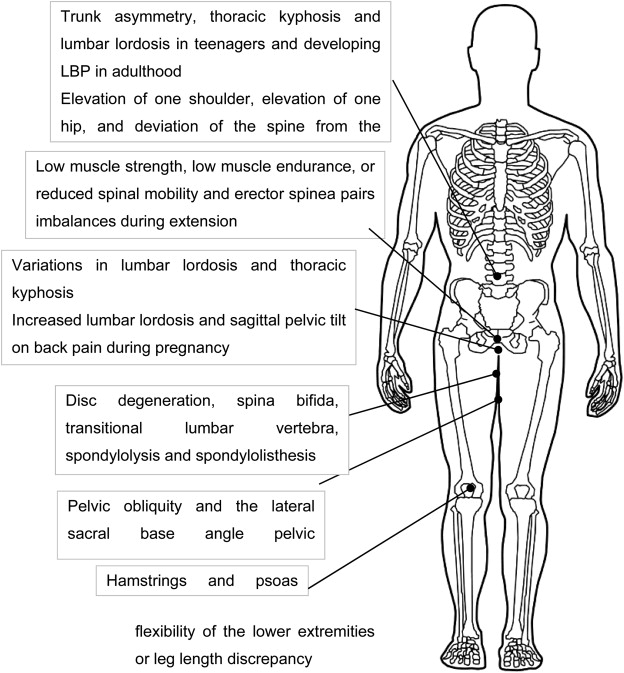
Should we use the postural structural biomechanical model?
Postural/structural asymmetries don't cause back pain; they're normal variations. Correcting these factors is not clinically attainable and unlikely to change the course of lower back conditions.
https://t.co/67f8lNWOIh
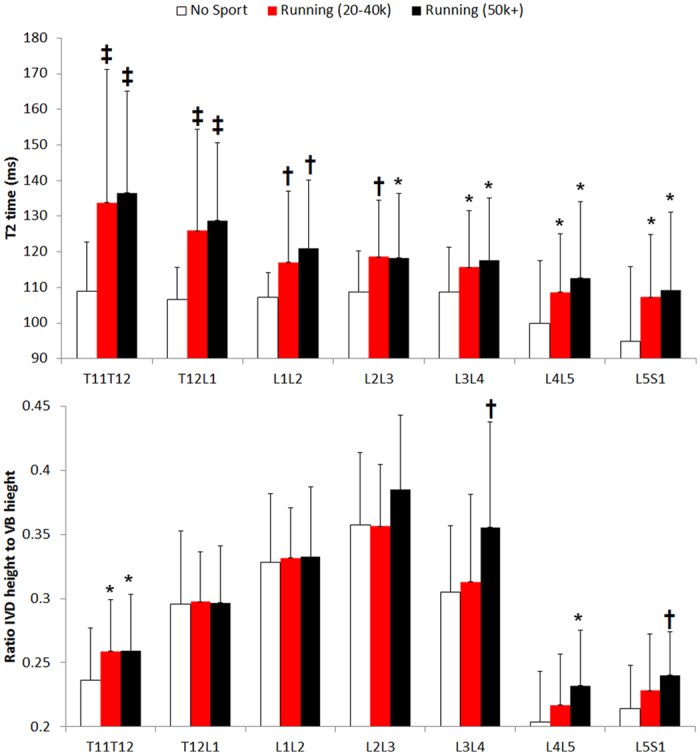
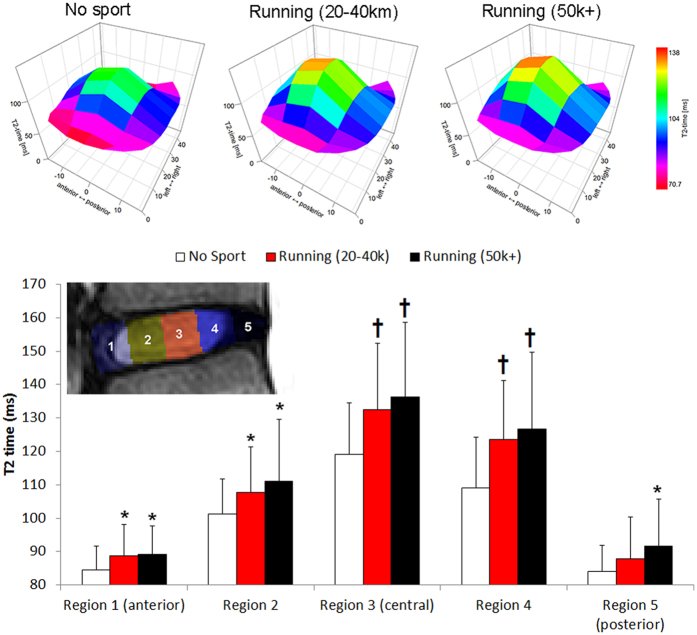
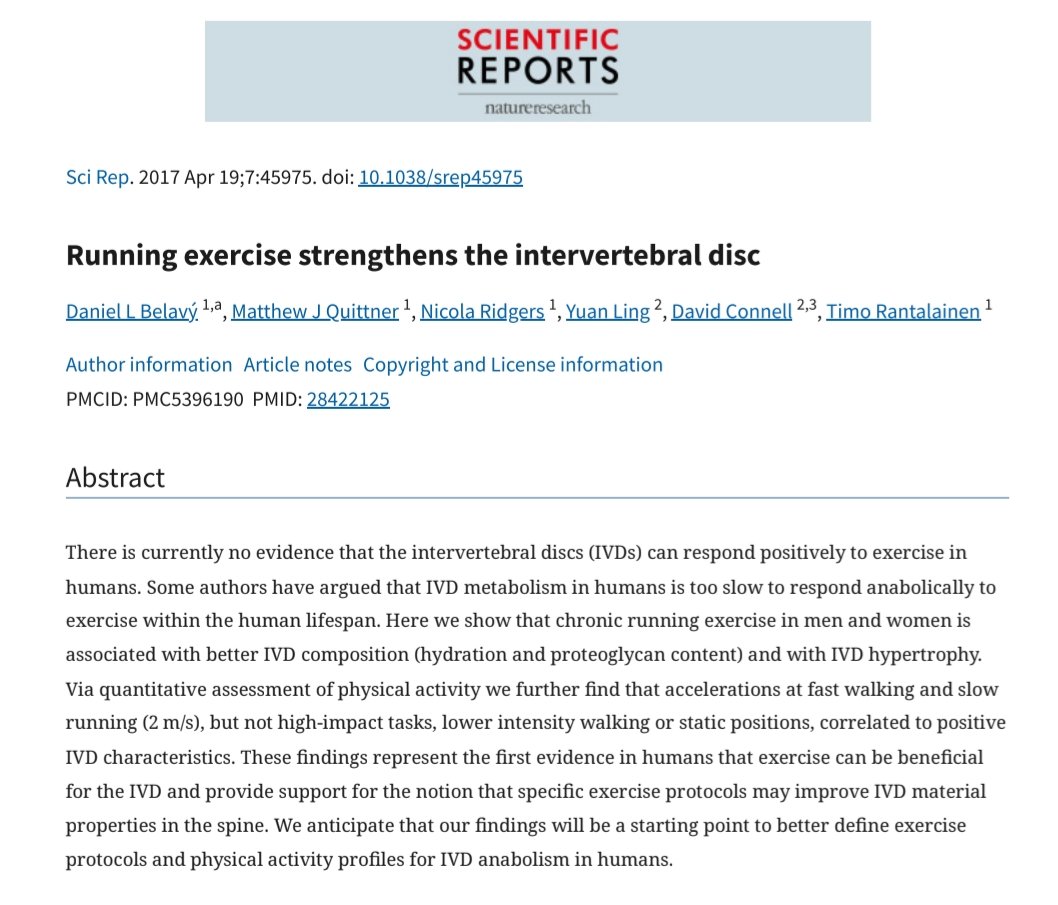
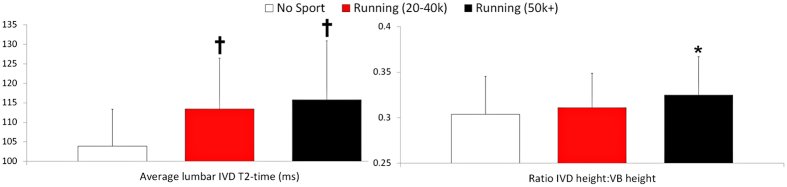
Long-distance runners & joggers may have healthier intervertebral discs with better hydration levels than the sedentary. In long-distance runners, IVDs had hypertrophy in lower segments (L3-S1) that are under higher stress during repetitive axial loading.
https://t.co/qTWDWiozrP
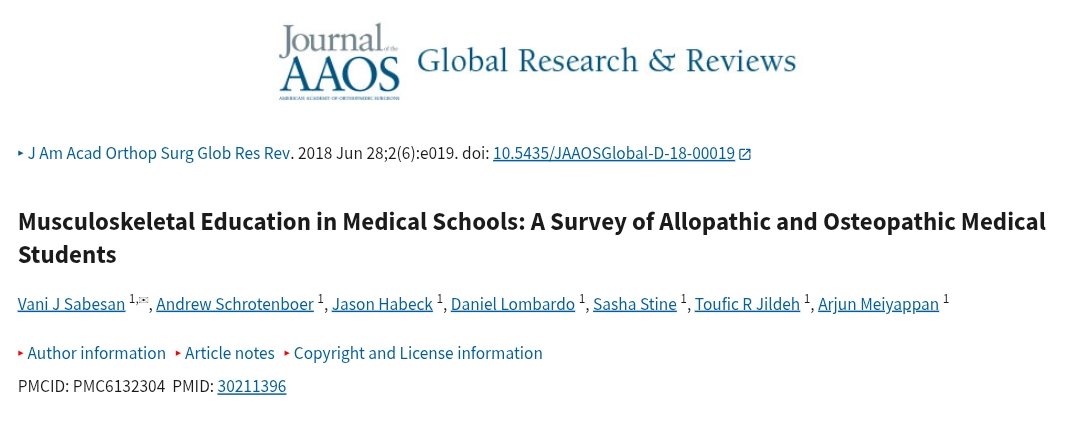
This 2018 survey found that only 83% of med schools require #musculoskeletal courses in their curriculum. 54% of the students surveyed felt that their MSK education was adequate.
Is this enough considering 30-40% of PCP visits are for MSK conditions?
https://t.co/dYeZcD0K3Y
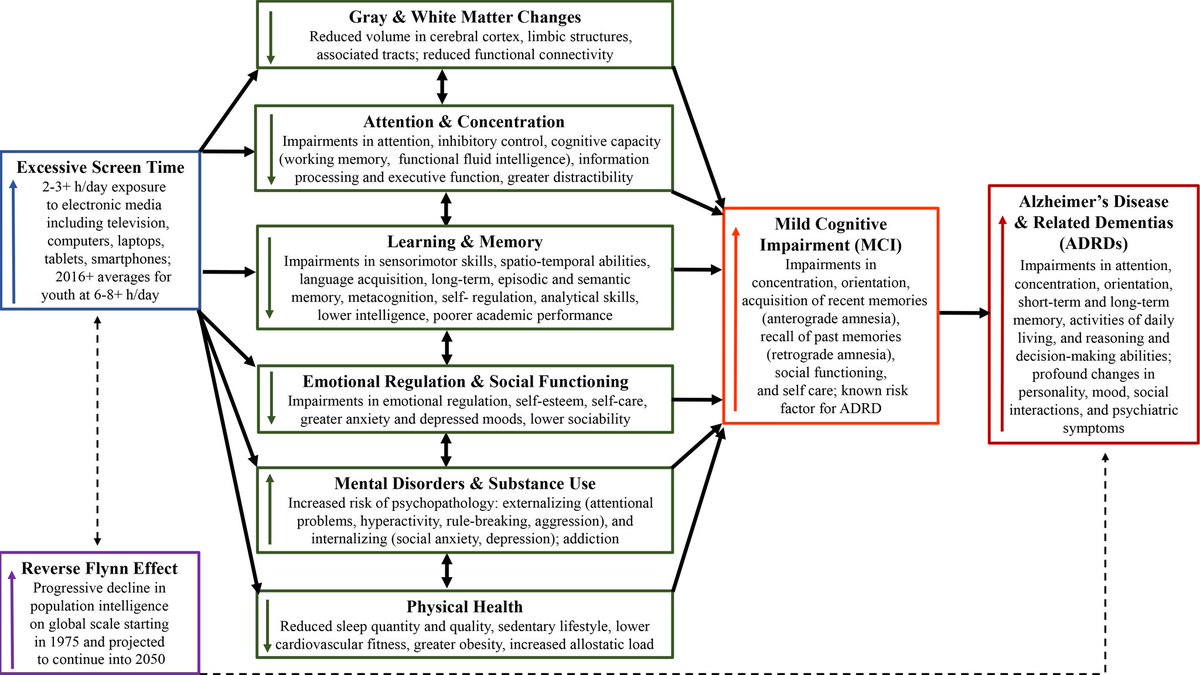
Digital Dementia
Excessive screen time may be linked to immediate & long-term cognitive deficits & decline due to reduced brain volume (especially during development). This may lead to a 2-4x greater risk of dementia into adulthood
https://t.co/bg4ZNXmdZs
https://t.co/Y57B8vjPfE
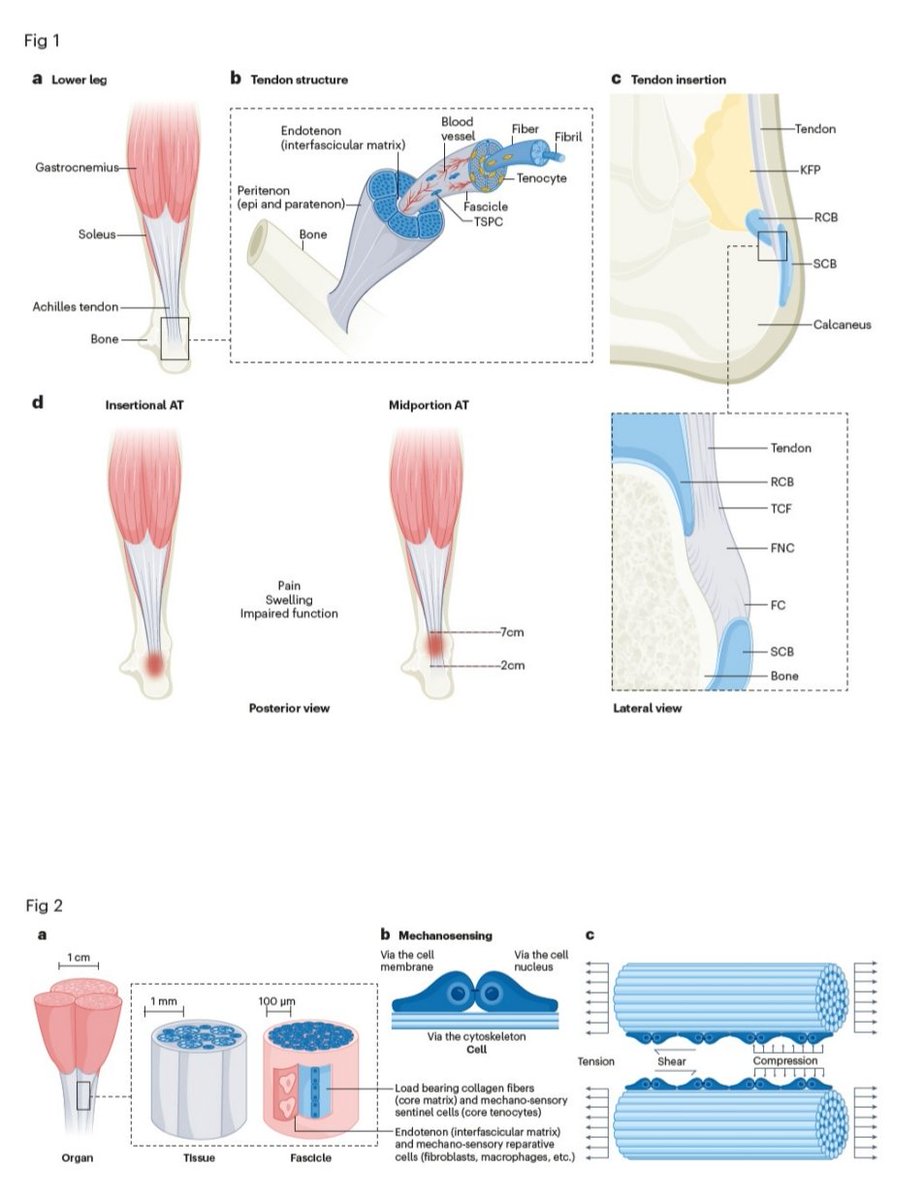
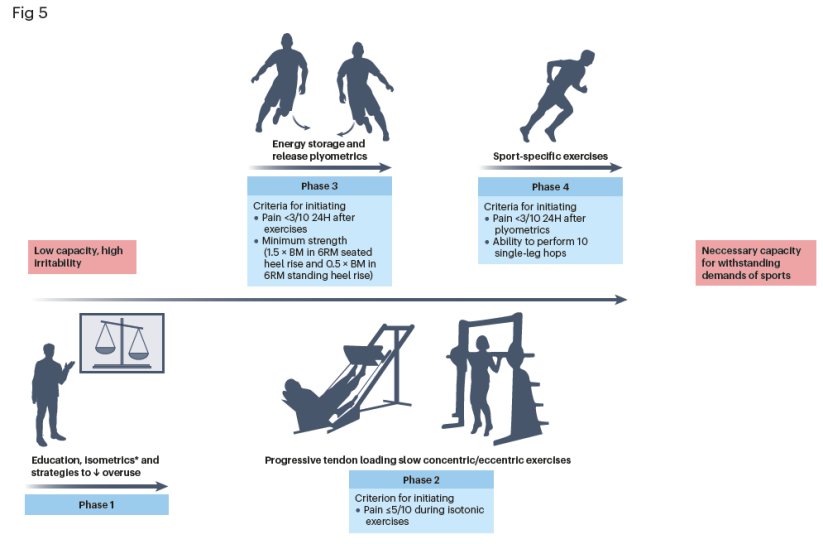
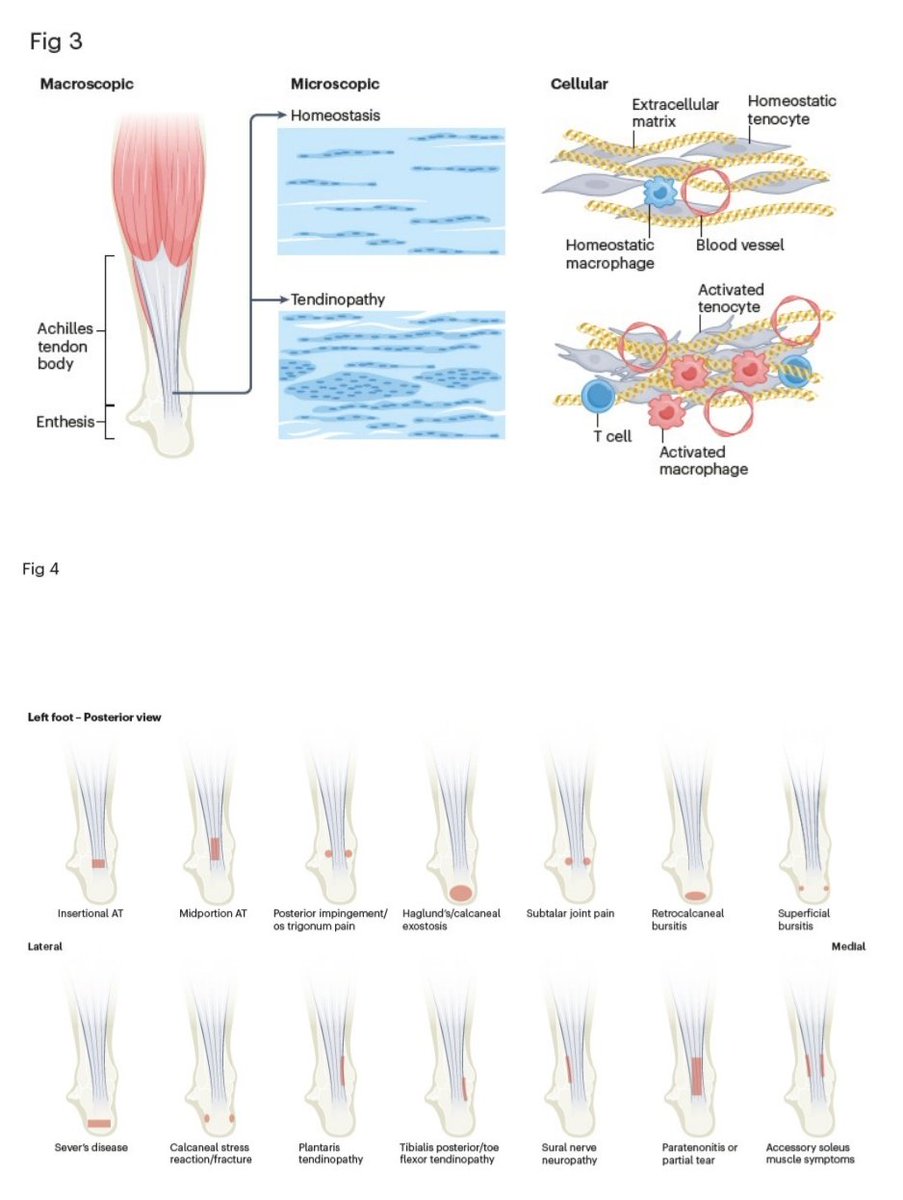
Risk factors that increase risk of developing tendinopathy...
▪️family history
▪️hormone replacement therapy and oral contraceptives in women
▪️age and male gender
▪️ blood type O
▪️obesity
▪️high intensity or highly repetitive sports
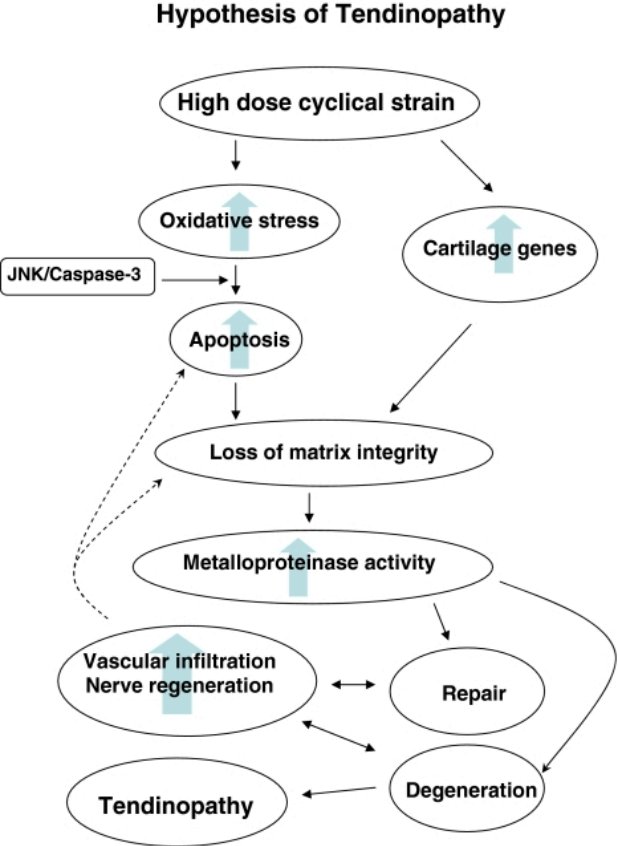
TIMP and MMP imbalances within the tendons after repetitive load injuries result in #tendinopathy. This is due to perpetually higher MMP levels, which contribute to collagen dis-regulation.
Other factors can also increase risk ⬇️⬇️
https://t.co/Vu7PBEZ0FV
https://t.co/UKY3VrRDC8
Effects of #Running on the Development of #Knee#OA
In the short term, running is not associated with worsening PROs or radiological signs of knee OA and may be protective against generalized knee pain.
https://t.co/rEo1eoEKV3