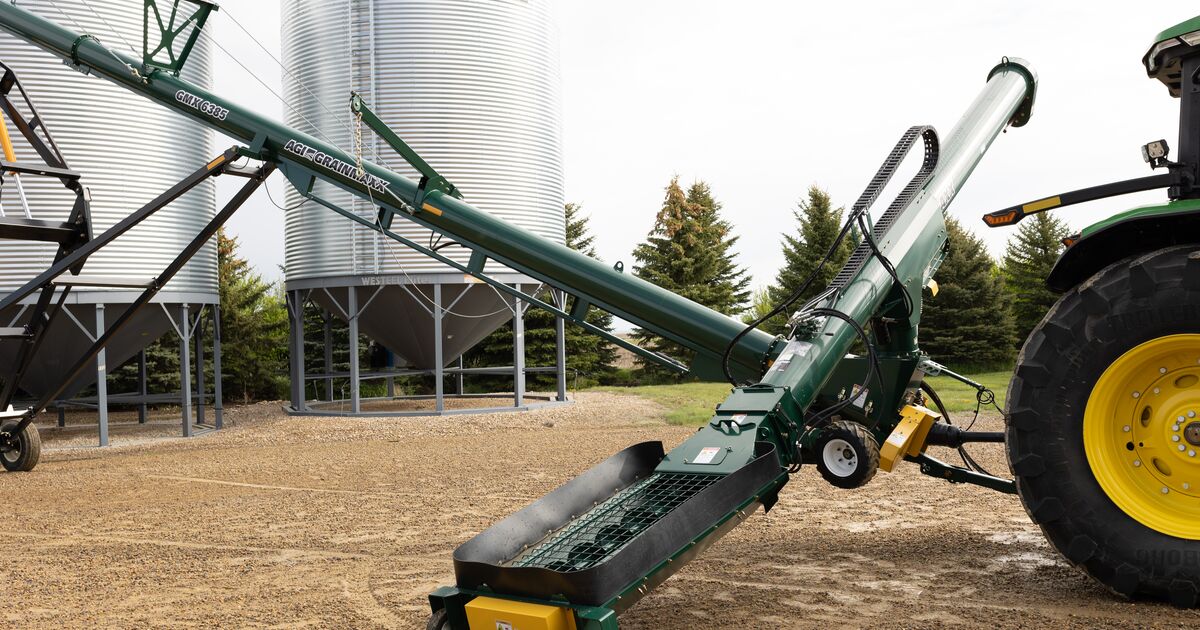
#Safety is one of the most important things in #agriculture, given how much machinery and devices are used. This is a great resource for ensuring you're up to date and following proper #farming safety protocols!
#DYK Between 2011 and 2020, 66% of agriculture-related fatalities involved machinery. Maintenance & repairs are a part of farming. Equipment breaks and machinery needs upkeep. Learn how to complete the work safely: https://t.co/i3tYe04tsE
@planfarmsafety#harvest24#AGISafety
AI doesn’t necessarily struggle because the numbers are messy. It struggles because the story behind those numbers isn’t clear. Until data is structured around how decisions are actually made, AI will continue to generate insights that feel disconnected from real workflows.
A lot of conversations about #AI adoption point to “bad data” as the main barrier, but I see a deeper challenge:
Data coherence—the ability to connect information across systems in a way that reflects reality, not just records it. https://t.co/8ooQGrJjXA
Most operations already collect plenty of information. The problem is that these datasets don’t speak the same language. One system tracks decisions, another tracks conditions, another tracks outcomes, and none of them contextualize the others.
Truthfully, I don't think most “innovation” in #agriculture is as innovative as it looks. Sensors, drones, and software are great, but farmers need tools that improve judgment. Machines analyze data, but people weigh trade-offs. Tech only helps when the info is actionable.
Most companies don’t address #burnout until it becomes visible, but by the time it's made itself obvious, you’re just trying to play damage control.
It's better to be proactive, but that requires businesses to understand what their people struggle with. https://t.co/GuR85KZ1FO
Decision fatigue needs simplification, not time off. Emotional strain needs connection and perspective, not solitude. Cognitive overload needs boundary clarity, not more tools. You get the idea.
Great read by David Farrier. Urban ag won’t replace traditional #farming, but it’s a smart example of how people innovate under pressure. Rooftops, containers, basements—small pieces that support the broader system. Not a silver bullet, but a useful tool. https://t.co/GeiMcuXtkk
Competence makes you good. Curiosity keeps you getting better. Too many leaders grow, reach expertise, stop asking questions, and get left behind by evolving markets. Lost curiosity creates lost relevance. Stay uncomfortable if you want to stay ambitious.
So many organizations underestimate the cost of poor communication when things go wrong. They have an understandable desire to fix the issue first, then explain after. But there's a big problem with that. https://t.co/VUsdlnOPQ9
By the time the problem has been "fixed," trust has already been decaying.
People don’t expect perfection, but they do expect acknowledgement. When leaders or companies delay communication, they create an information vacuum that gets filled with frustration.
Innovation is moving faster than trust can keep up in #agriculture. Cost isn’t the biggest barrier to #agtech adoption—belief is. Farmers won’t adopt what they don’t understand. If you want to make an impact, don’t sell change. Prove reliability. Trust is the strongest tool.
They can spot risk before it becomes loss. Saving the grain is important, but we can't ignore that this tech can also protect infrastructure, uptime, and even lives. #Agtech
Most fires on farms don’t start dramatically. They start subtly, with a hot bearing, a pocket of moisture, a fan that runs longer than it should, or any number of other easily-missed factors. https://t.co/H3uvvf701T
Traditional fire prevention plans rely on procedures, but quite frankly, procedures can’t compete with real-time visibility.
And that's exactly what modern bin and #HazardMonitoring deliver.
Really enjoy the framing of this piece. Most employees aren't quiet quitting. They're just asking to be heard. If we only measure outcomes without understanding the "why," we're managing symptoms, not systems. Heather Walker makes an important point: https://t.co/NTqdjtobK4
"We don’t need to feed the drama of division, as if leaders and employees are on opposing sides. In reality, we’re sitting on the same side of the table, facing the same problem: how to create the conditions for work to succeed."
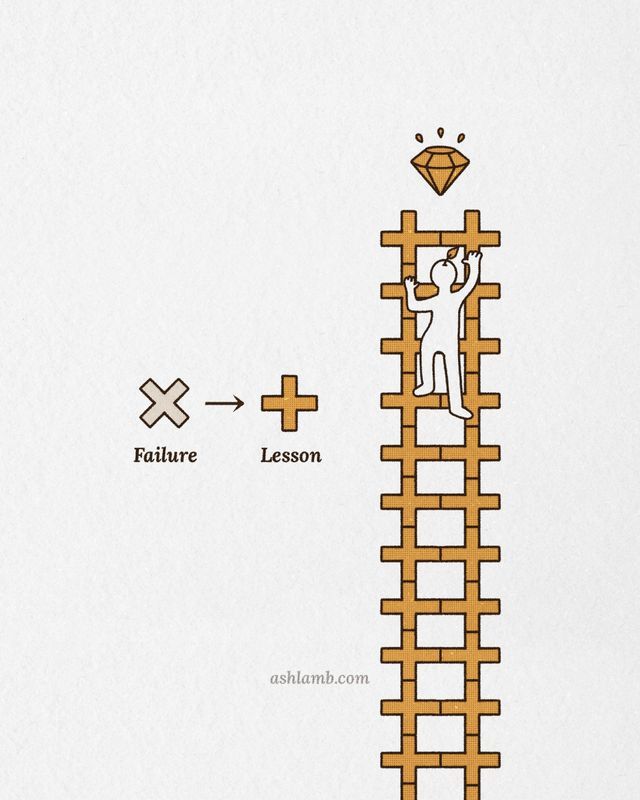
I know that "use failure as a growth opportunity" is easier said than done, but #failure really is what we make of it.
Life is a series of lessons, and we get to choose which ones we carry. Each one we hold onto builds #resilience.