🌊 Friday Ocean Question ⚽
How many countries competing at the 2026 World Cup have no coastline?
Watch the countdown, then see if you got it right.
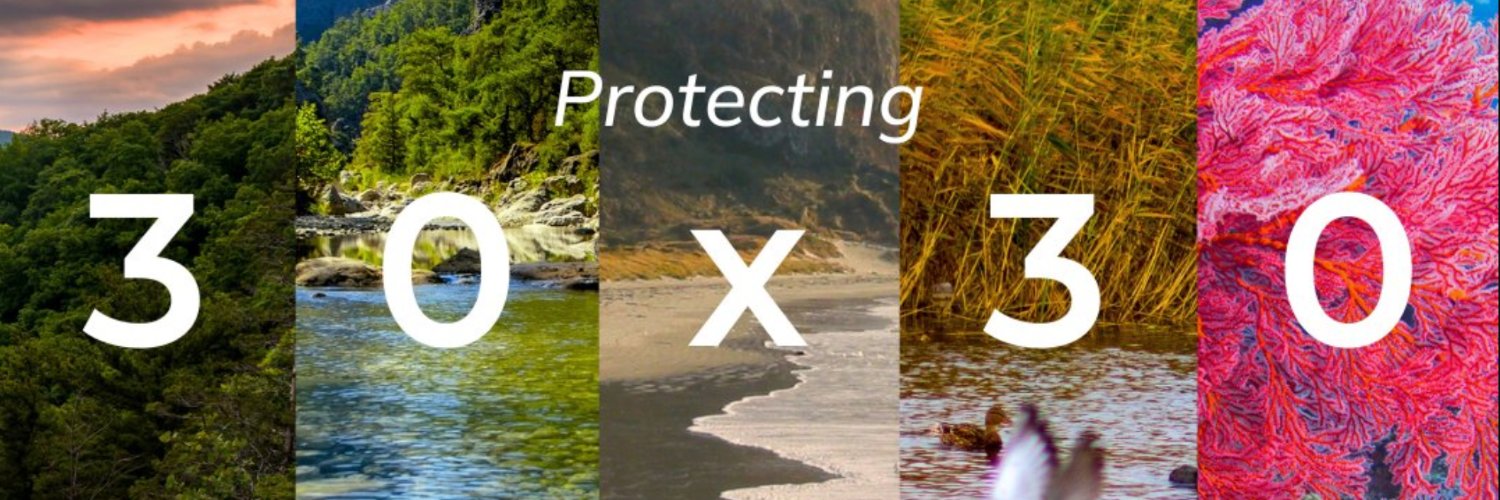
#WorldCupVibes#30x30#WorldCup2026
The ocean covers over 70 percent of our planet and is essential for climate regulation, biodiversity, and global economies.
Yet, it faces serious challenges that threaten its health and humanity's future. The @UN_News_Centre highlights the need to protect our oceans. https://t.co/2aKV6PXuib
El Niño typically has a warming effect on global temperatures, with the strongest influence often felt in the year after it develops.
It typically brings wetter conditions to some regions and drought to others, though effects vary around the world.
More 👉 https://t.co/jMd3hGUX7x
The ocean is an essential component of Earth’s infrastructure of life.
On #WorldOceanDay, we invite you to be part of a rising tide of 🌊 action, including through the implementation of the #KMGBF.
Read the statement by @SchomakerAstrid: 🔗https://t.co/ajKotYb1Nv
One ocean.
From coral reefs to polar ice, from kelp forests to the open sea, the ocean connects us all.
On World Oceans Day, we celebrate the beauty, diversity and wonder of the ocean.
#worldoceansday@UNEP@UNBiodiversity@theGEF
🎥 Lewis Pugh Foundation
The signals are becoming harder to ignore.
Record ocean temperatures. Melting ice. Rising seas. More extreme weather.
What happens in the polar regions doesn't stay there.
The systems that regulate our climate connect us all.
They are worth protecting.
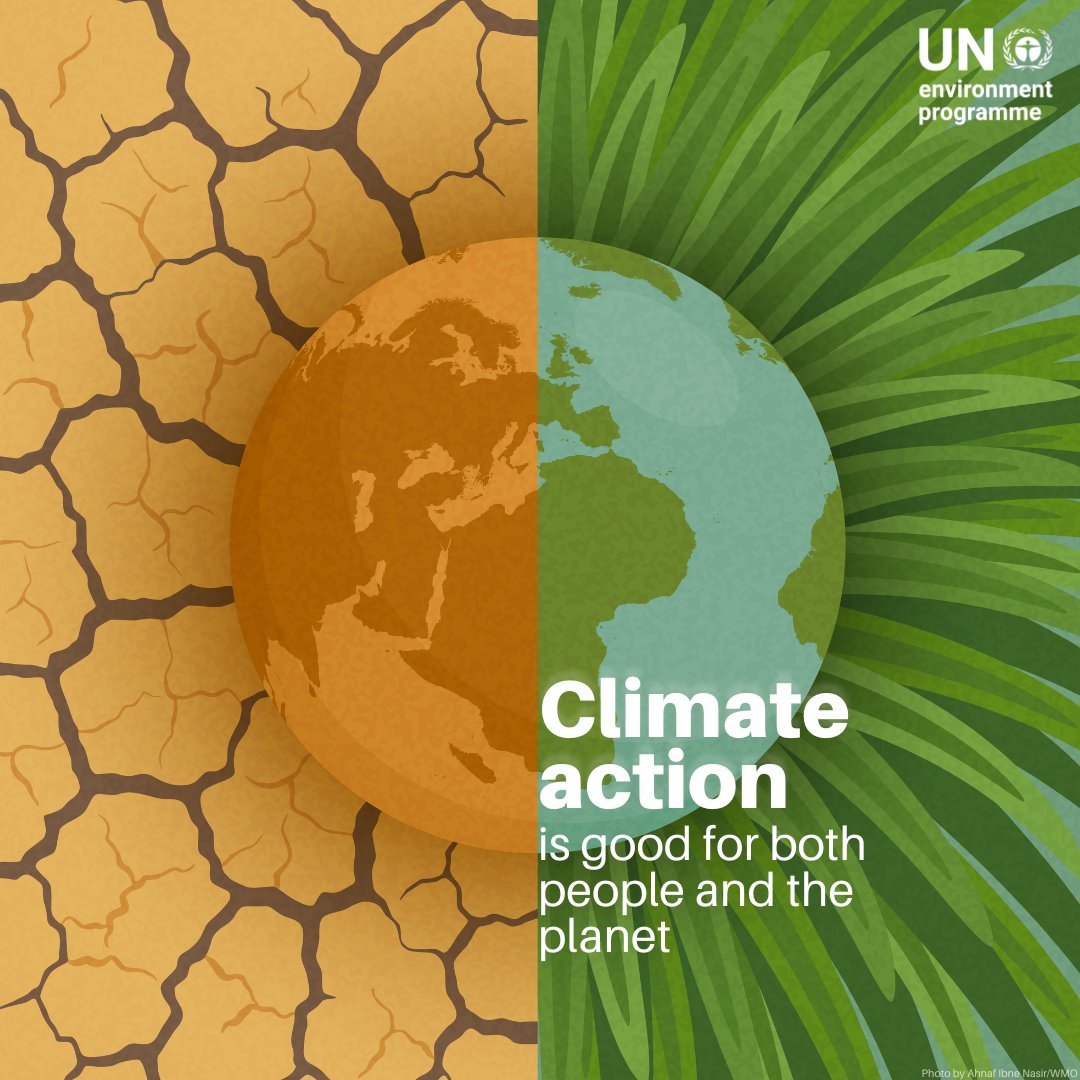
#WorldEnvironmentDay #NowForClimate @UNEP
Every species on Earth relies on a sustainable climate.
Every fraction of a degree matters when it comes to protecting biodiversity and nature.
Everyone can join the push for #ClimateAction by accessing the latest news and data: https://t.co/m58uGfl6ib
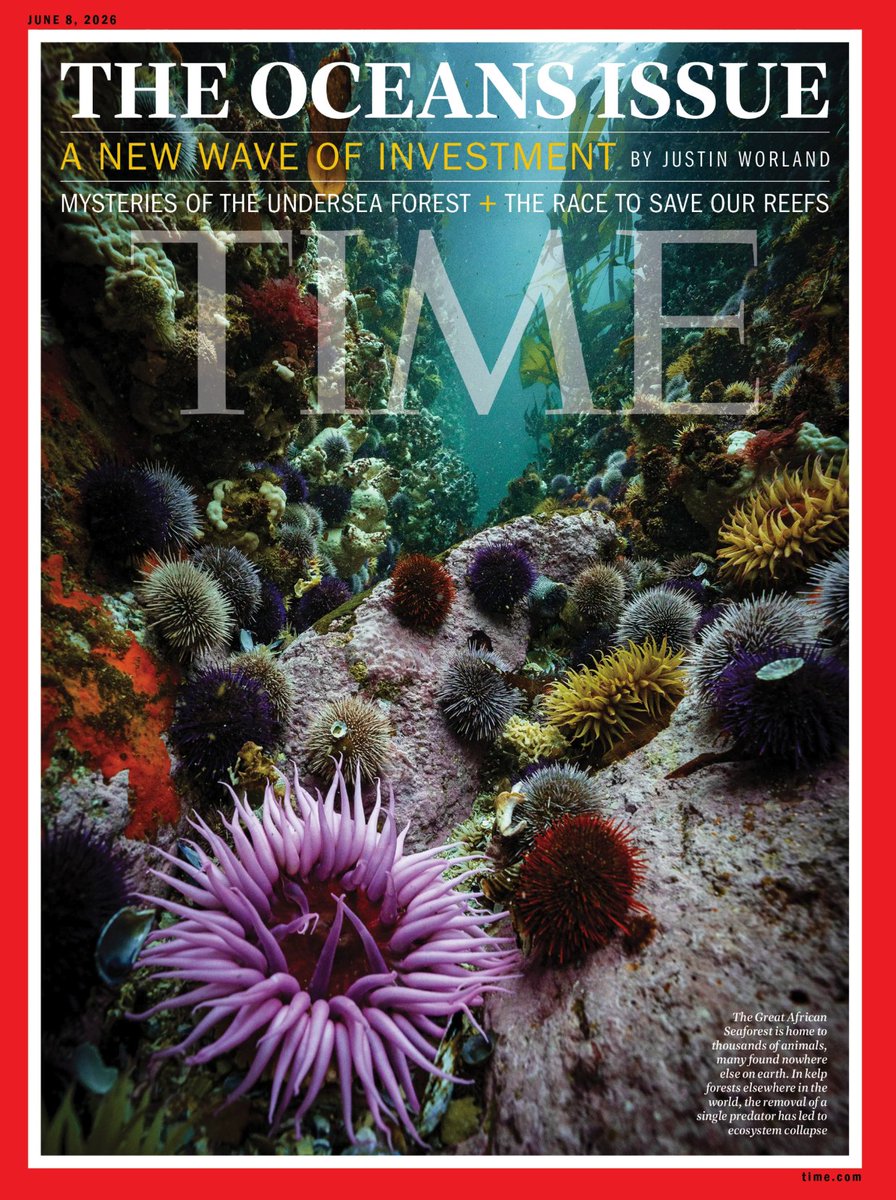
Massive congratulations to our Ocean Hero, Helen Walne.
For years, Helen has helped reveal the extraordinary world beneath the surface of False Bay through her photography, bringing the beauty and biodiversity of the Great African Seaforest to audiences around the world and helping more people discover this remarkable marine ecosystem.
Now her images are reaching an even wider audience through TIME's Ocean Issue, with Helen's work featured on the cover and throughout the accompanying feature.
Congratulations Helen!
Read the feature here:
https://t.co/eDSLZhXjqo
@TIME@CityofCT@saveourseas
#kelp #oceans @SouthAfrica@GovernmentZA
Chances are you know the climate is changing, and that means trouble.
From rising emissions to melting permafrost and economic risks, these 7 graphs break down the climate crisis today.
Ahead of #WorldEnvironmentDay, explore UNEP data and why the world must act #NowForClimate: https://t.co/biQyCggjAC
Whale communication is not static. It's changing.
Orcas, humpback whales and blue whales all experience the ocean through very different acoustic worlds.
Toothed whales such as orcas rely heavily on high-frequency clicks and whistles for communication and echolocation.
Baleen whales communicate at much lower frequencies. Humpback whale vocalisations can sound almost song-like to human listeners. Some blue whale calls are so low-frequency they sit close to the threshold of human hearing, yet can travel vast distances through the ocean.
And over the past few decades, something remarkable has been happening.
Researchers studying several baleen whale species have documented long-term declines in the pitch of whale calls across the world’s oceans.
Exactly why remains uncertain, but there are possible links to changing ocean conditions and rising levels of human-generated noise underwater.
What is clear is that whale communication is far more dynamic and sophisticated than once imagined.
The ocean is not silent.
And neither are the changes taking place within it.
#BiodiversityDay #Whales @UNBiodiversity
📷 Lars von Ritter Zahony, Noemi Merz / Ocean Image Bank. Blaque X.
🔊 NOAA
Antarctica and its surrounding ocean regulate our climate, store carbon, and support life globally. At #ATCM48, it’s time to act decisively to protect this vital region, for nature and for humanity. https://t.co/hXTagx85LI #ProtectAntarctica
Video with support of @SustainableSueQ
Ocean systems shape life on land.
Parts of the Pacific Ocean reached record surface temperatures in April, and scientists are now warning about the possible development of a major El Niño later this year.
This matters globally.
When oceans warm, the consequences do not stay at sea. More extreme rainfall. More severe drought. Greater wildfire risk. Pressure on food systems, fisheries, coral reefs, and ecosystems worldwide.
We understand the science. Increasingly, we are going to feel the consequences first-hand.
👇
https://t.co/Me76JOZJtE
#Ocean #ElNiño #Climate #MarineScience @WMO@esaclimate@CMEMS_EU
Graphic: Copernicus Climate Change Service / ERA5 ECMWF
With under 3 weeks to #BiodiversityDay (22 May), the message is clear: action starts where you are.
ES @SchomakerAstrid highlights that local actions drive global impact under the Global Biodiversity Framework.
Take action 👉 https://t.co/JldBrzZ10u
#LocalAction#ForNature
Indigenous traditional medicine is not a nostalgic exercise—it's a forward‑looking investment in inclusive health systems, ecological restoration, and resilience. See how traditional medicine in Kenya improves forest and human health: https://t.co/wDpHo8I2BV
#UNPFII@UNDPplanet
King Penguins of South Georgia all start like this. Sailors used to call them “oakum boys”.
Brown, fluffy, useless in the water.
Then everything changes.
Happy Penguin Day!! 🐧
#PenguinDay#Antarctica2030@AntarcticaSouth#penguins#oceans
🎥 The Lewis Pugh Foundation
Eaktas06
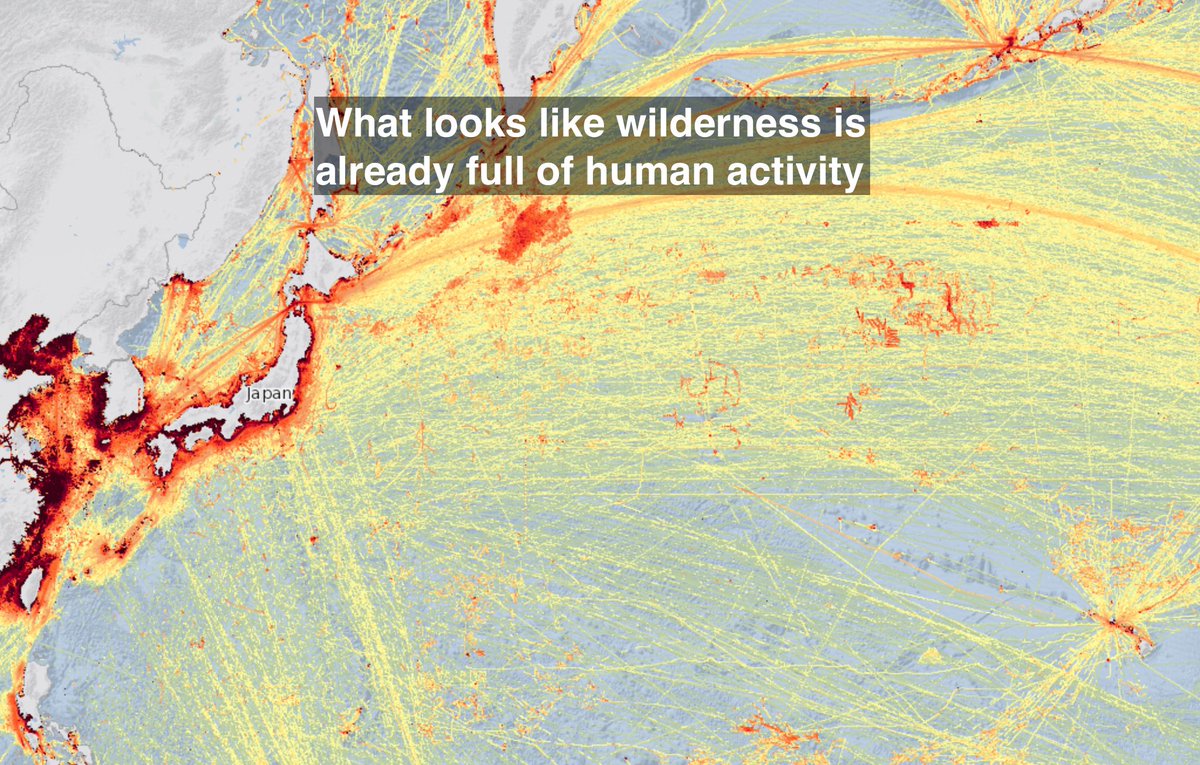
Most of the ocean isn’t empty anymore.
Ship traffic, tracked using AIS signals.
We are everywhere.
Antarctica is still different.
That’s why protecting the Southern Ocean matters.
@AntarcticaSouth#Antarctica2030#CCAMLR#HighSeasTreaty@WWF_Antarctica#Antarctica
Source: Global Maritime Traffic Density Service (AIS data)