Hematologist-oncologist. @AjaxThx CMO. Former Edward P. Evans Chair in MDS @DanaFarber, @HarvardMed & @MayoClinic faculty, @NovartisScience hematology head.
Since the number of #HematologyTweetstory threads has grown (these are about the intersection of history, etymology, science and clinical practice), I made an index so readers can find ones they are interested in: https://t.co/koNg3jOcg5
I was at a coffee shop in Concord this weekend behind some guys dressed up as Revolutionary War re-enactors. Was disappointing when the barista called out their names as Bob, Steve and Tom instead of something authentic like Josiah, Ebenezer or Jebediah.
https://t.co/yBYmabRjHW
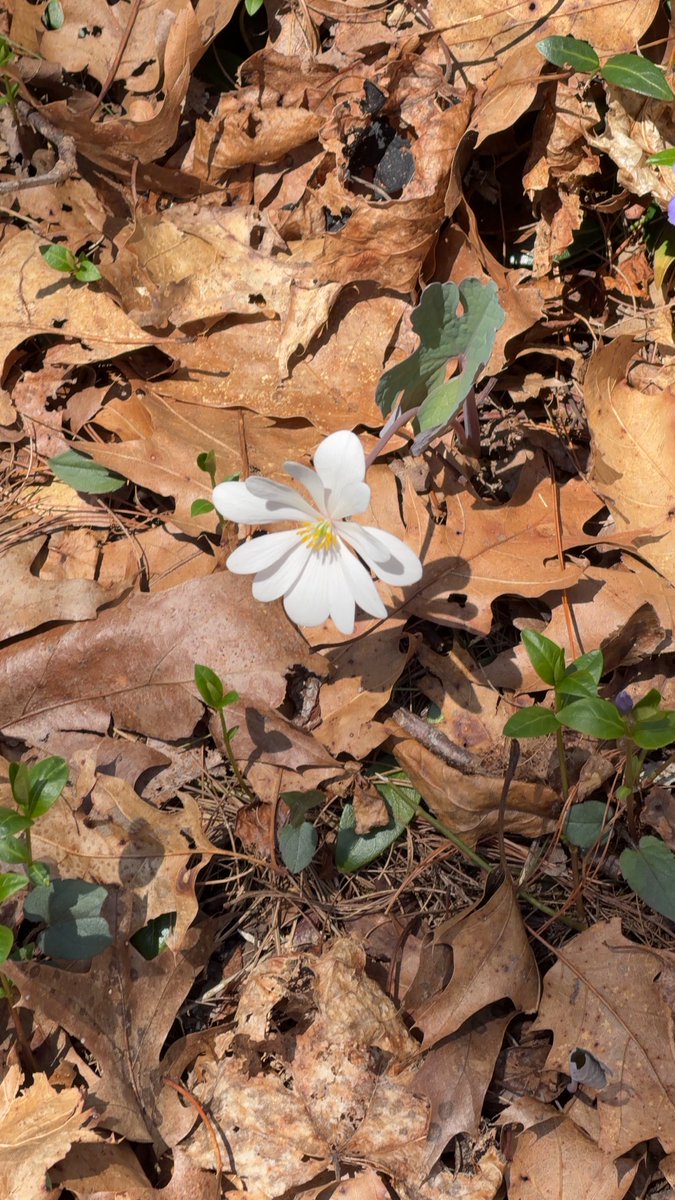
Bloodroot (Sanguinaria canadensis) - named after the red rhizome & sap - in the woods behind our home today. Sounds like a fitting flower for a hematologist’s garden or @ASH_hematology mascot🩸but the alkaloids in the sap are nasty - can burn skin and cause an eschar.😳
#NEWS 🚨: Artemis II crew experienced issues with Outlook this morning and had to ask ground crew for assistance
"We have two Microsoft Outlooks and neither one is working"
@PearlF Airport shop
To their credit, a lot of the hospitals in the Boston area have reorganized dining areas to nudge visitors in a positive direction - putting the healthy food out in front and making junk food and soda harder to find, etc
@lane_andy@spectatorindex I’m sure everyone in that program is super, but is it enough to make MIT the 11th best university for “Medicine” in the world?
They must be counting all the research at the Whitehead, Koch, Rogan, McGovern and other MIT-affiliated institutes
No one should have to suffer pain like this. This @nytimes writer's post-operative nephrectomy pain for renal cancer was mismanaged, a consequence of the opioid crisis and overreaction that now makes it difficult to prescribe adequate pain medication.☹️ https://t.co/YJ7MwIVKxh
You raise an important point. The patient education component is probably the most important part of such clinics, and definitely the most time consuming. Patients often came to me in our Precursor Clinic @DanaFarber having been told they had a mutation in their blood that could turn into leukemia, but that was more likely to cause a heart attack or stroke… true, but helping them understand their real (usually very small) risk always felt like priority number one.
PI fees are a tiny fraction but I’ve been involved in the budgeting side for dozens of centers in the last 18 months: Academic centers do routinely receive 6 figures per patient, and rates are going up on all the administrative fees especially as they try to make up for reductions in NIH indirect costs. Money to fund the infrastructure has to come from somewhere.
Investigators at academic centers don’t see this since even the PI component rarely influences protected time, salary, etc (never did for me in 20+ years of doing trials as an academic, and I think that’s typical) and they often only see part of the budget.
Chlorambucil continued to be used as a control arm in CLL trials for some
time after better approaches were available and as prescribing of it outside studies dwindled, and many of us criticized these “straw man obsolete-SOC control arms meant to make the novel therapy look better. For example, see this analysis:
https://t.co/e3k7gVY2Qa.
@nihardesai89@ASCO@ASH_hematology@TheEBMT "Yes, I hate it" is not really answering the poll question. People are going to select "I hate it" when it has not really ever been a barrier to submission. How about just "Yes" or "No"?