The international community should distinguish between aggression and defense. Taiwan's efforts to strengthen its security are a response to sustained military intimidation—not the cause of it. Preserving peace requires recognising that difference.
Taiwan has rejected Beijing's claim that its defense preparations are "provocative." A democracy strengthening its defenses against persistent military pressure is not provocation—it's a sovereign responsibility. @TaiwanSpecial
Peace across the Taiwan Strait cannot rest on unilateral disarmament by Taiwan. Stability depends on credible deterrence, responsible defense planning, and reducing coercive military pressure—not rewarding it.
China's public messaging should therefore be evaluated alongside its military developments—not accepted or rejected at face value. Strategic intent is best understood through sustained patterns of capability, deployment, and behavior over time.
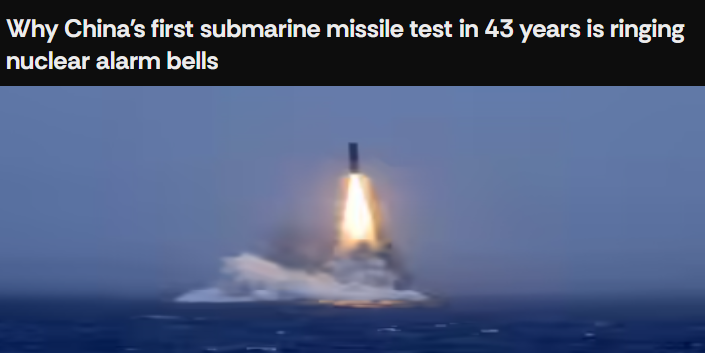
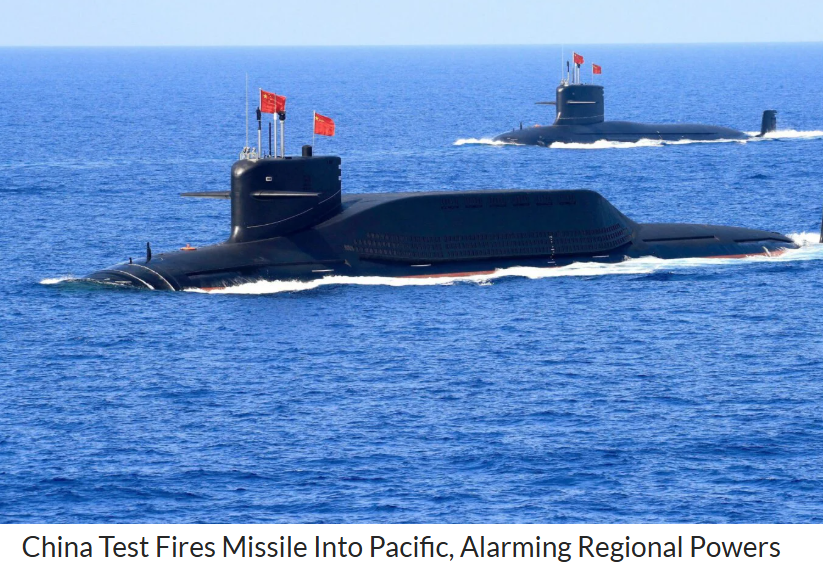
China has described its recent submarine-launched ballistic missile (SLBM) test as "routine" exercise. But strategic signaling is embedded in what governments call routine. This launch deserves to be viewed in context of Beijing's broader military trajectory, not in isolation.
For countries across the Indo-Pacific, the key issue is not whether Beijing labels an exercise as routine. It is whether the cumulative pace of military modernization is altering the regional balance of power and raising the risks of coercion or miscalculation.
China's expanding strategic capabilities are reshaping the Indo-Pacific security landscape. They also ensure that debates over military modernization, deterrence, and regional stability will remain central to Asian geopolitics for years to come.
There is a contradiction between opposing other nations' defense buildups while simultaneously accelerating one's own. Supporters of Beijing, however, contend that China's military modernization is defensive and intended to safeguard its national security.