Overjoyed to share our new paper "Tropical wet and dry forest tree species exhibit contrasting hydraulic architecture" and its juicy details in this thread (1/7)
https://t.co/d5x0ALWqjn
@Deborah_Apgaua@SusanGWLaurance#dryforest#rainforests
Looking for a postdoc + interested in tropical wood anatomy and hydraulic traits?
Get in touch if you want to apply for a 2-year fellowship here in 🇸🇪
@PlantEcoEvo_UU
We've been building a dataset of these traits across a rainfall gradient in Puerto Rico. DM for more info!
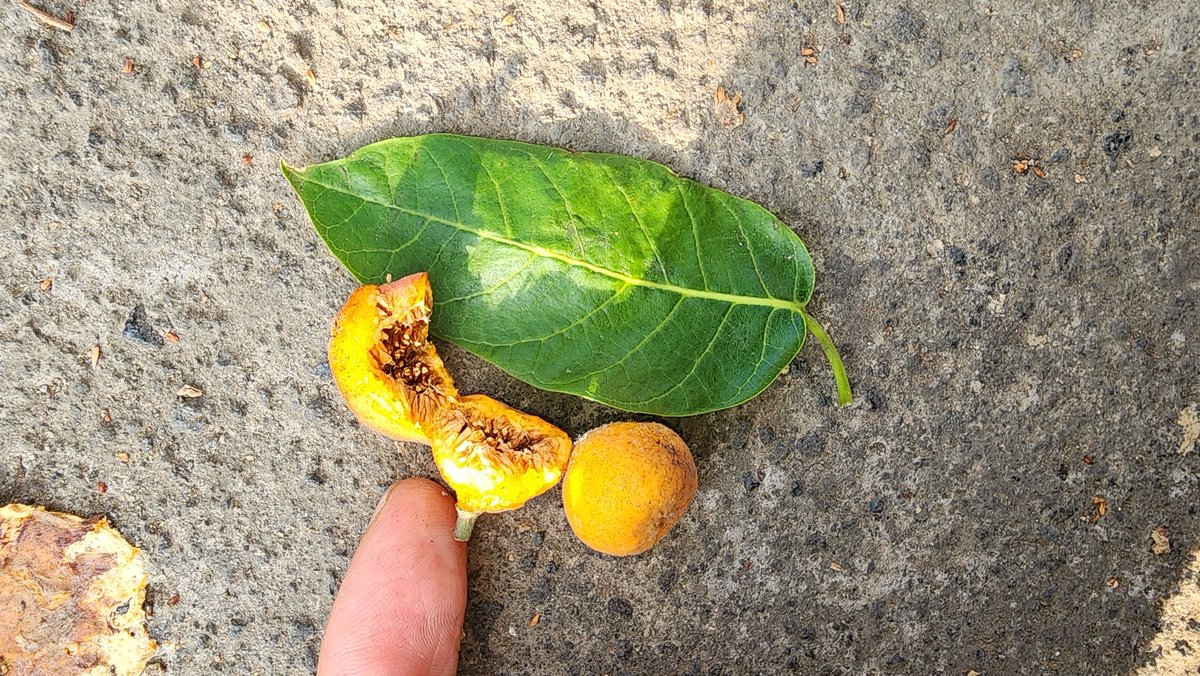
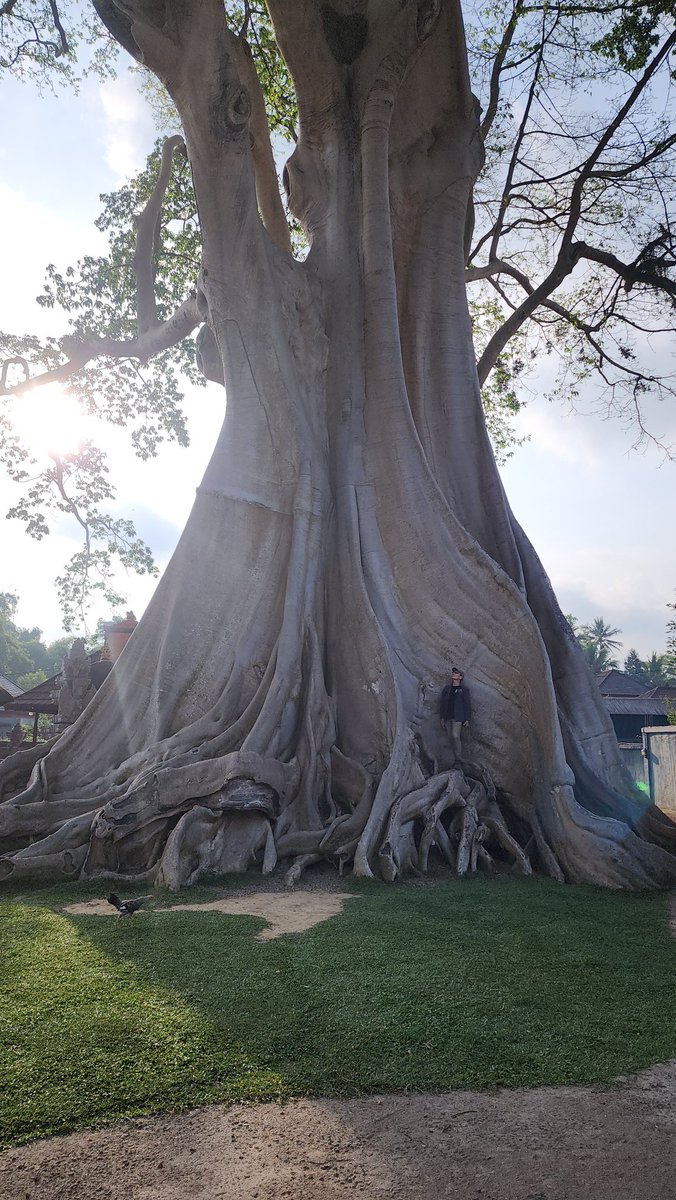
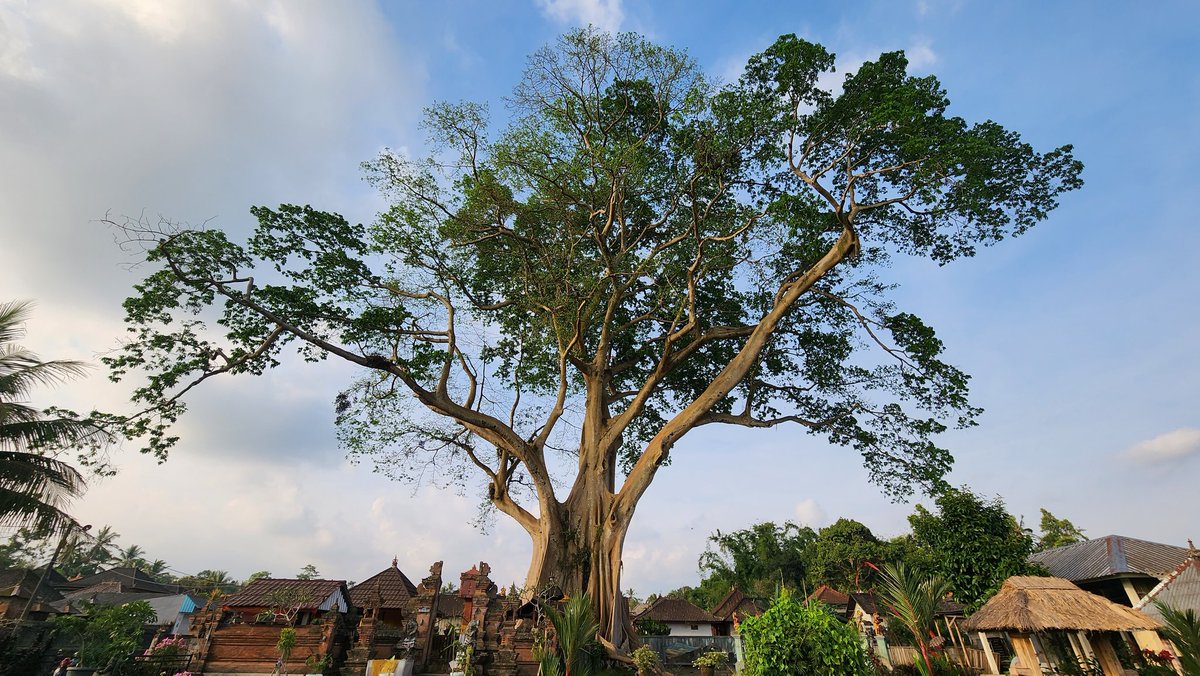
For a few moments as I stood at the feet of this colossus, I felt like I was in a land of myth. This amazing Abbey tree (Ficus albipila) in Bali is estimated to be ~700 years old and no doubt the largest (non-banyan) fig tree I have ever encountered.
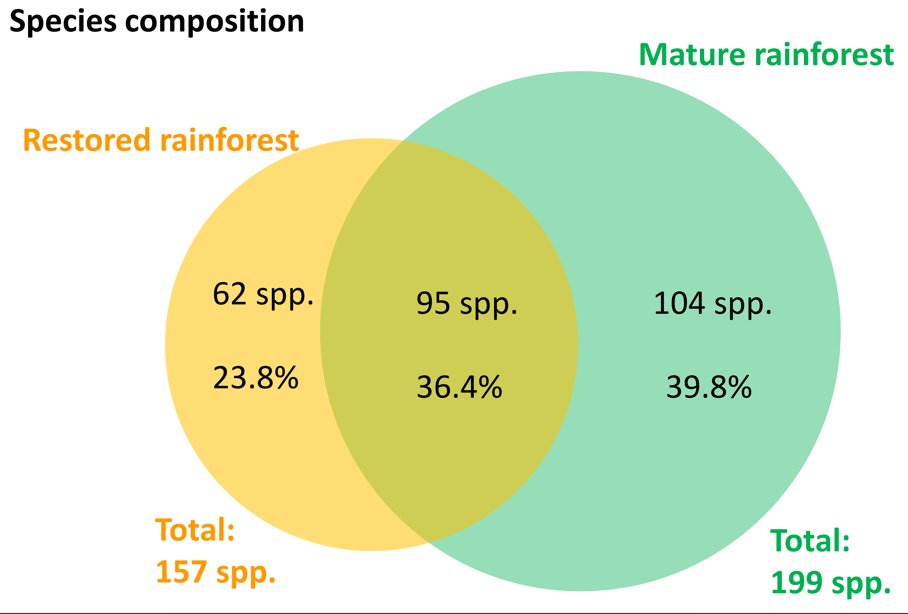
Although the structure of the restored forest was approaching that of mature forest, there is still a bit to catch up in terms of species richness. Promisingly, we did see seedlings of various rainforest species that were not originally planted in the restored sites.
Forest restoration can have positive outcomes for biodiversity and carbon capture. For this reason, we are very pleased to share our recent work where we studied how a 25 yr old restored forest in tropical Australia compares to mature forest. Read free:
https://t.co/5i7zHtD7Zp
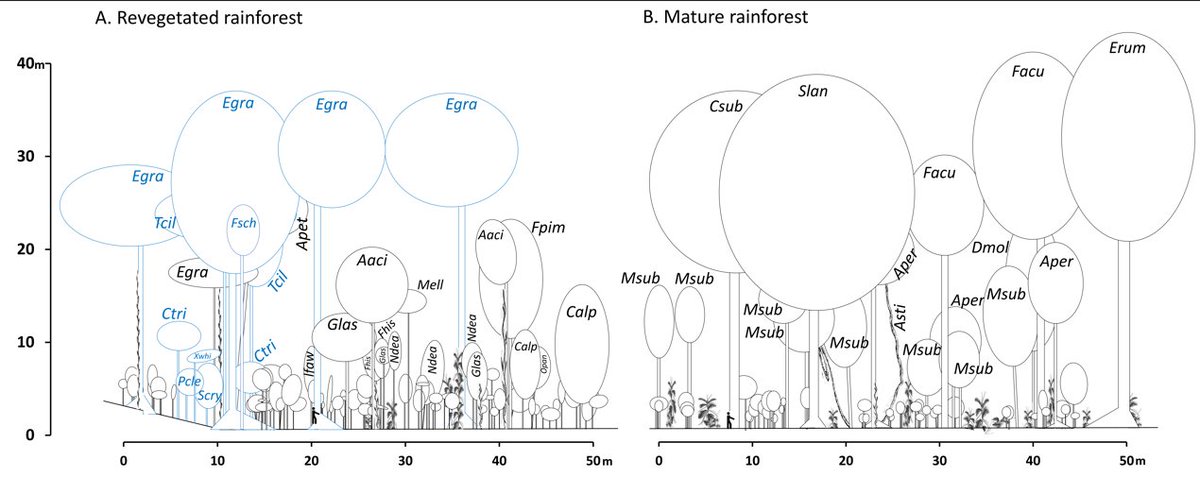
An oldie but a goodie. Was very happy to get to present in our article an old school profile diagram to show that the revegetated forest was becoming structurally very similar to mature forest.
Opportunity to be a Resident Lecturer in Environmental Sustainability and Socioeconomic Values at The School for Field Studies. Please share with anyone who may be interested. https://t.co/QJGyrXFCIr