A biotechnology lab located at the uOttawa Heart Institute focused on the discovery & development of biological therapies for heart disease. PI Darryl R. Davis.
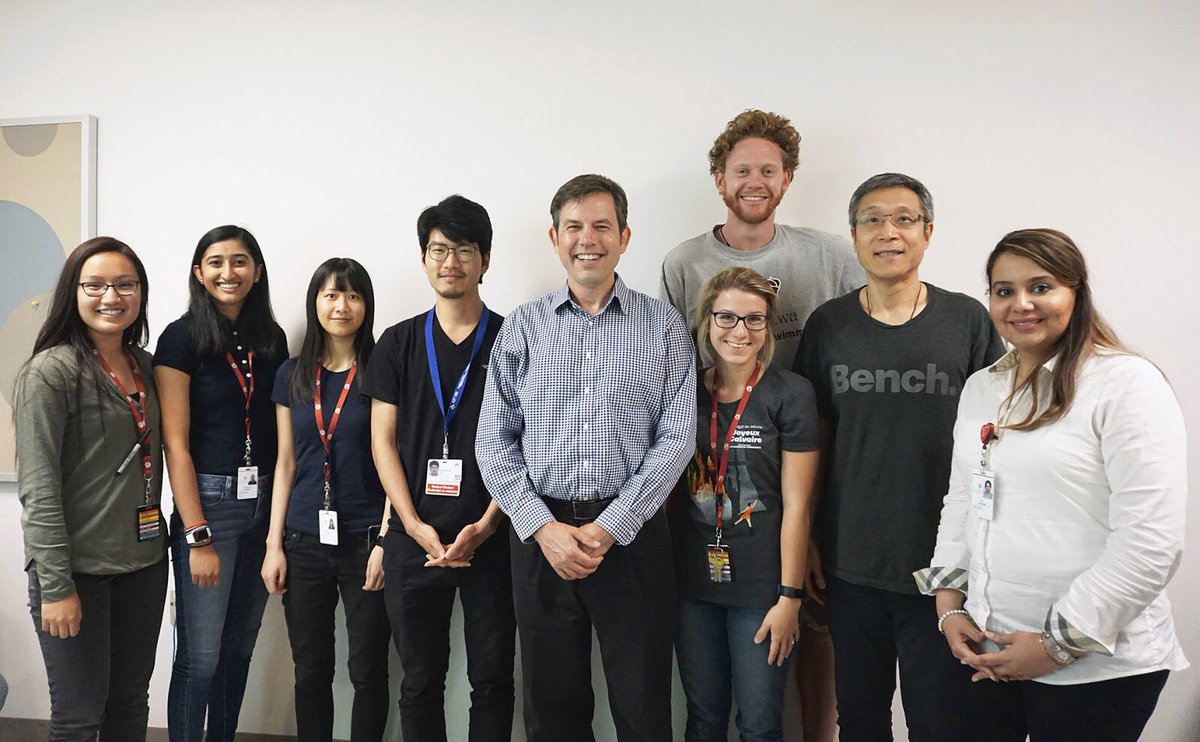
Meet the Cardiac Translational Research team, directed by PI Dr. Darryl R. Davis. We are a biotechnology lab located at the UOHI, focused on the discovery & development of biological therapies for heart disease. @HeartInstitute
Exciting news! 🔬
The @HeartInstitute has helped launch Rhythm Biotherapeutics Inc., a pre-clinical startup company pioneering biologic therapies for heart patients.
https://t.co/Y1rQAqkpmr
À lire!🔬
L'Institut de cardiologie a contribué au lancement de Rhythm Biotherapeutics Inc., une entreprise de développement préclinique qui travaille à la mise au point de thérapies biologiques innovantes pour traiter les maladies du cœur.
https://t.co/GbFoFLskV2
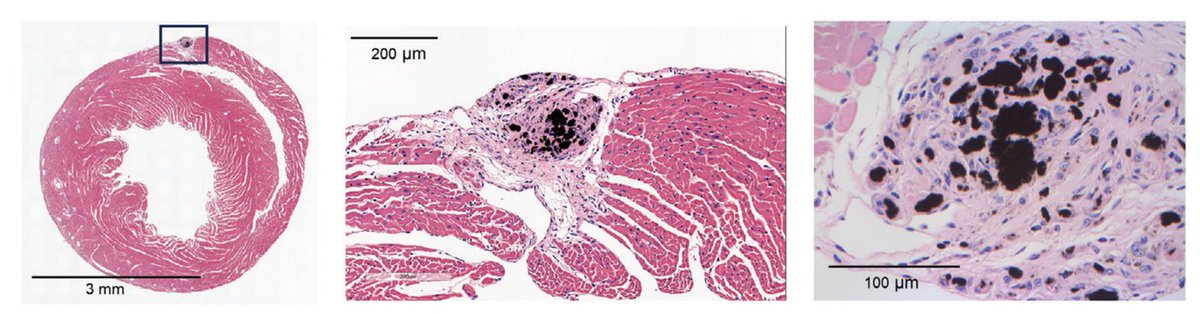
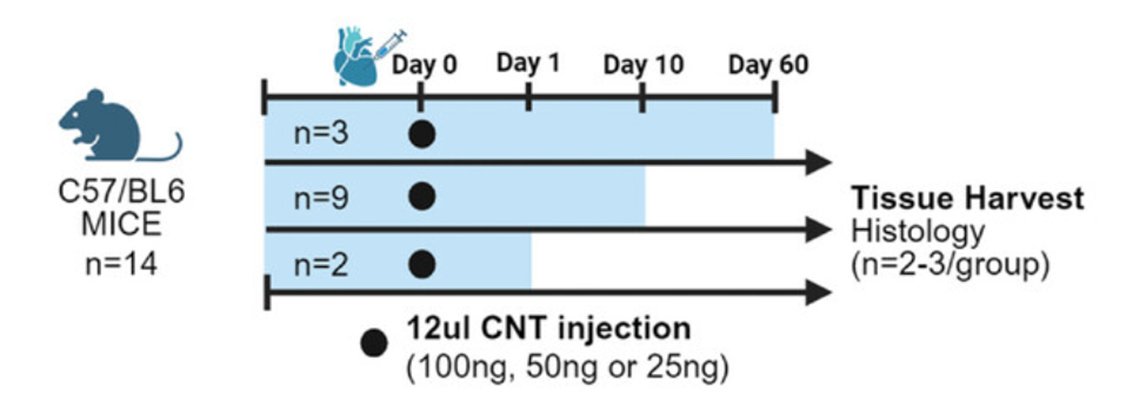
Carbon nanotubes create lesions that closely resemble sarcoid. Sixty days after injecting them into the heart, we observed typical sarcoid granuloma histiocytes co-localizing with the nanotubes (black markings). 🔗doi: 10.1002/adbi.202400238
Exciting news! This study addresses a critical gap in cardiac sarcoidosis research by exploring the use of stressors like carbon nanotubes and transverse aortic constriction to develop one of the world’s first animal models. 🔗doi: 10.1002/adbi.202400238
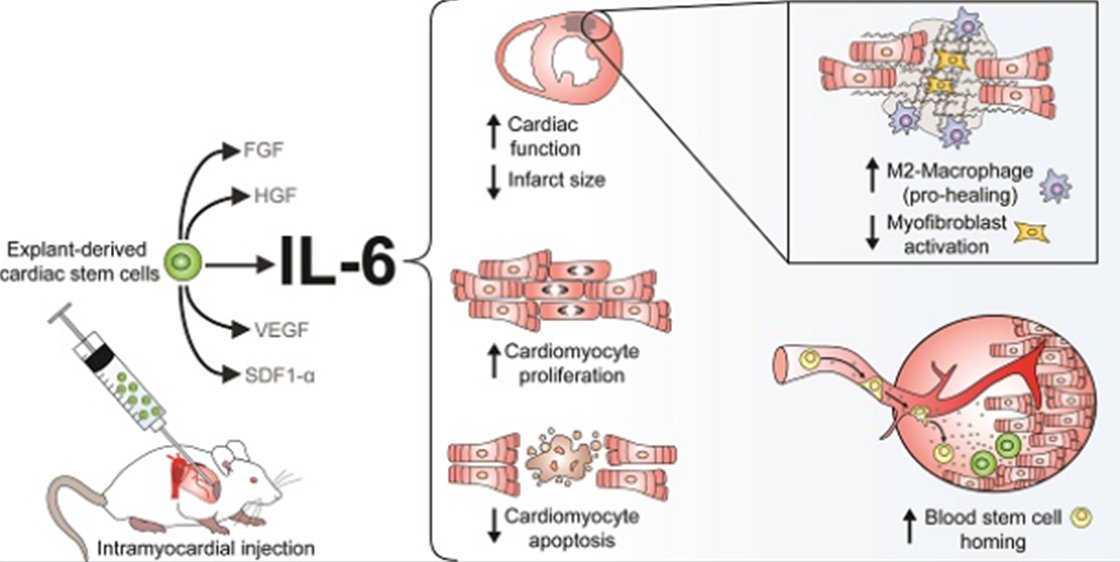
Interleukin-6 (IL-6) is the most abundant cytokine produced by heart explant-derived cells, but its role in cardiac repair remains uncertain. For the first time, this study shows that IL-6 has a pro-healing effect in cell therapy for post-infarct repair.🔗doi:10.7150/thno.19435
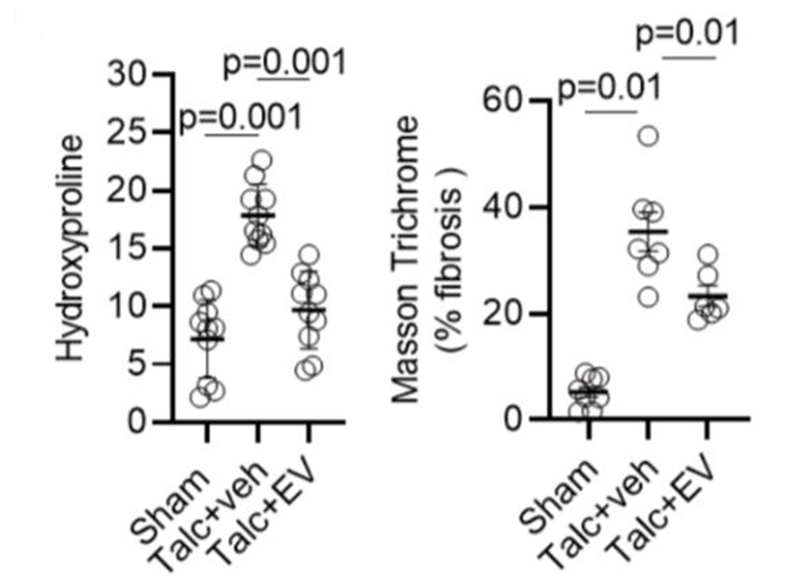
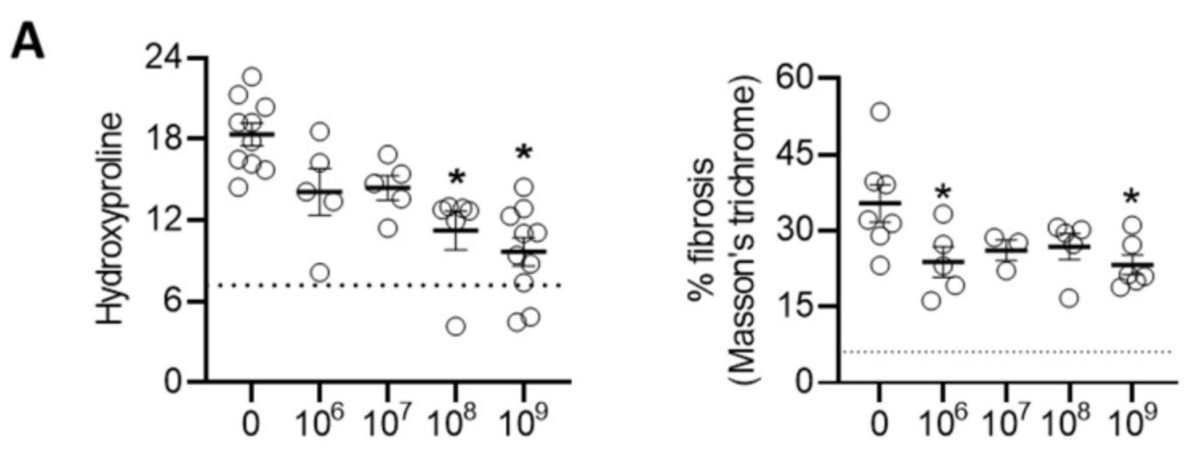
Human atrial extracellular vesicles (EVs) significantly reduce scar burden in the atria, as shown by hydroxyproline and Masson’s trichrome staining, compared to placebo (Talc + veh). Discover the potential of EVs in atrial fibrosis treatment! 🔗 https://t.co/iLAryD0OX2
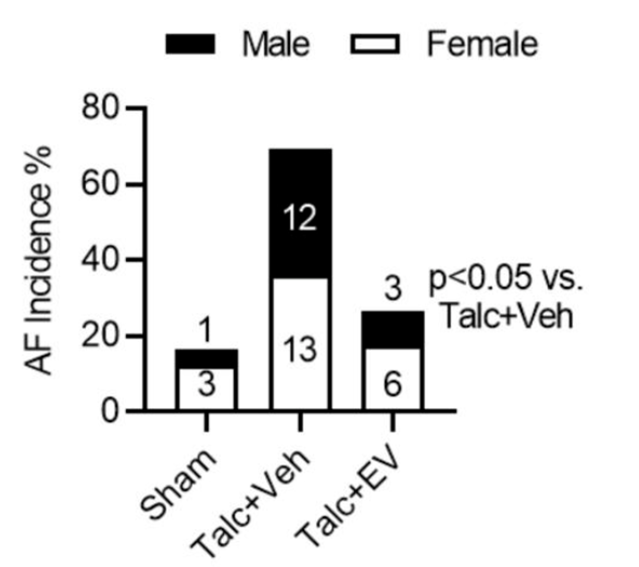
Exciting finding! Human extracellular vesicles (EVs) reduce the risk of atrial fibrillation (AF) in pericarditis equally in both male and female recipients. 🔗 https://t.co/iLAryD0h7u
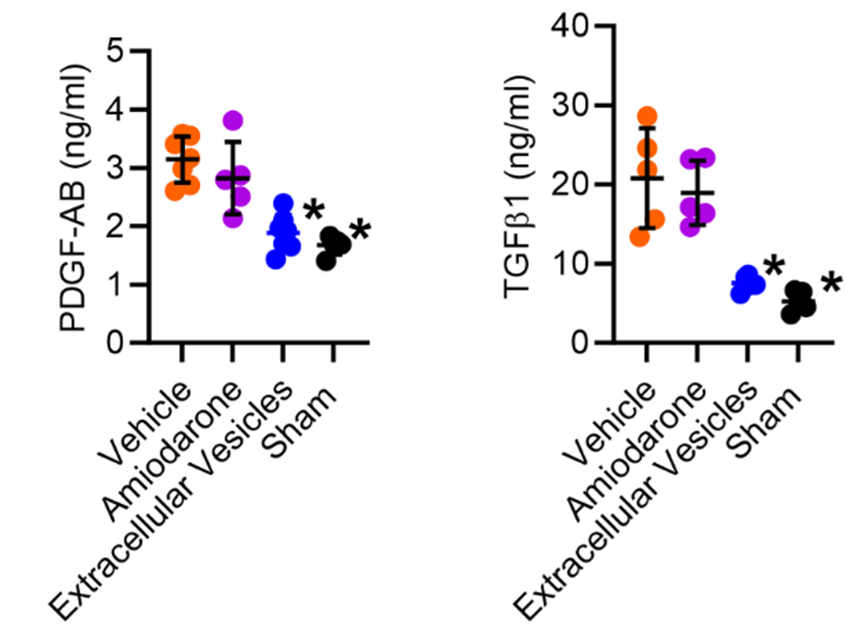
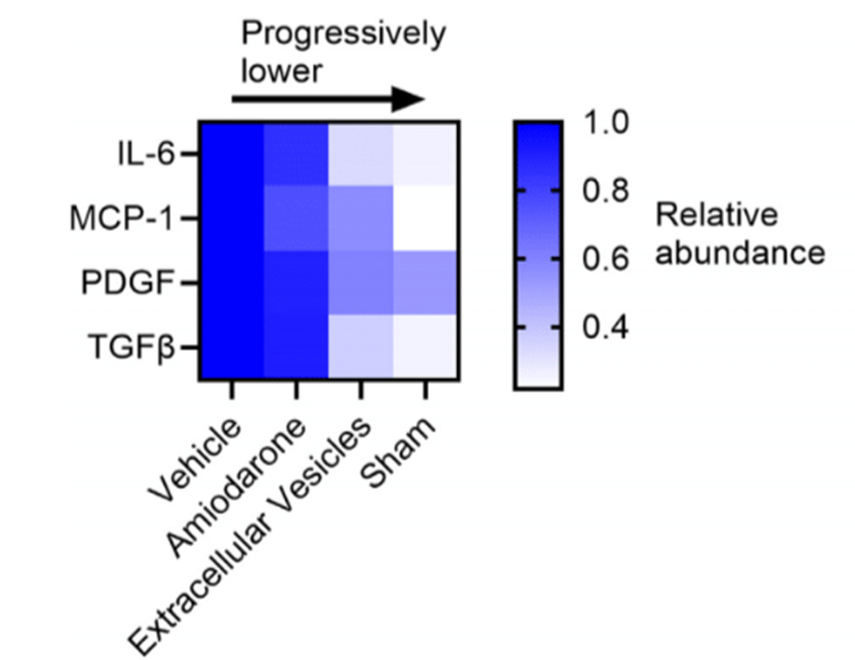
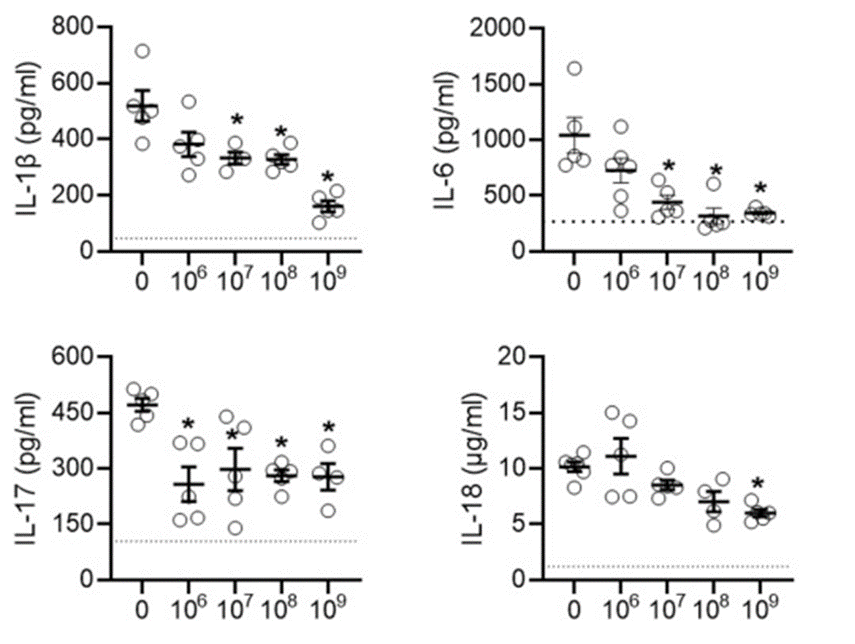
Human extracellular vesicles effectively reduce inflammation (cytokine levels) in atrial tissue, outperforming the antiarrhythmic amiodarone, which targets electrical activity.🔗 https://t.co/IaXr7IdhP3
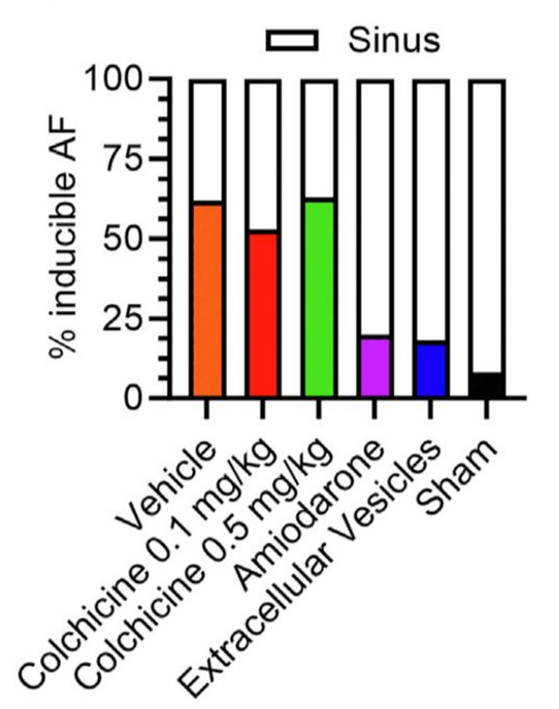
Human extracellular vesicles reduce the probability of going into atrial fibrillation (AF) in a rat model of pericarditis compared to treatment with a placebo (veh) or an anti-inflammatory (colchicine). 🔗https://t.co/IaXr7IdhP3
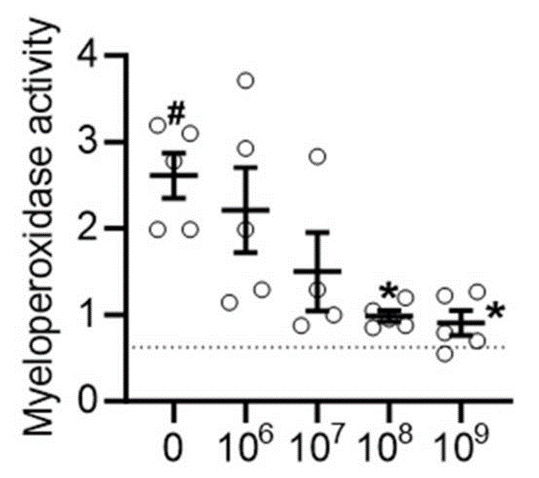
Oxidative stress is linked to an increased risk of heart rhythm problems. We showed that injecting extracellular vesicles reduces oxidative stress in a rat pericarditis model, which may explain how they reduce the risk of adverse heart rhythms.🔗 doi: 10.7150/thno.89520
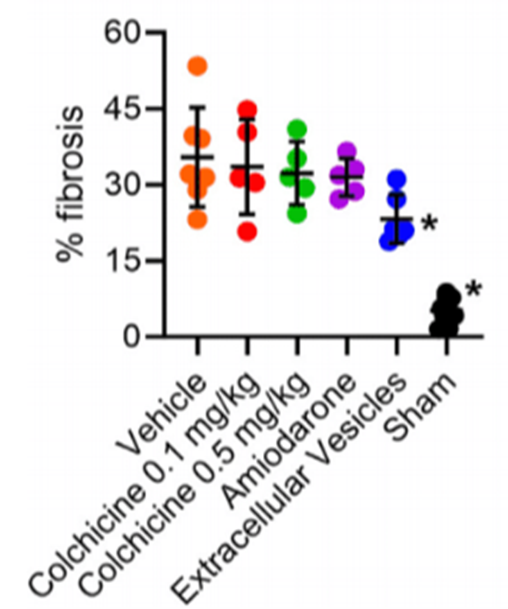
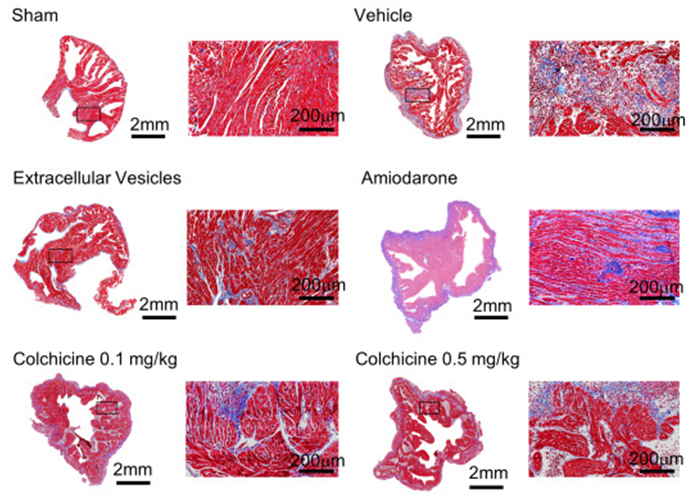
Anti-inflammatories and antiarrhythmics don’t prevent scar formation after pericardial inflammation, but a single injection of extracellular vesicles can significantly reduce scar tissue and arrhythmias.🔗https://t.co/IaXr7IcJZv #AtrialFibrillation
Unlike pretreatment with amiodarone, a single injection of extracellular vesicles significantly reduces atrial cytokine levels and inflammation linked to postoperative arrhythmias. 🔗https://t.co/Lp1OyEJCum
Exciting findings! Extracellular vesicles significantly reduce the cytokines in atrial heart tissue that cause heart rhythm problems. 🔗https://t.co/IaXr7IcJZv #AtrialFibrillation
Human extracellular vesicles act like a drug and progressively reduce scar content in the atria after open-heart surgery. Dive in: 🔗 https://t.co/tm4G1j31pH.
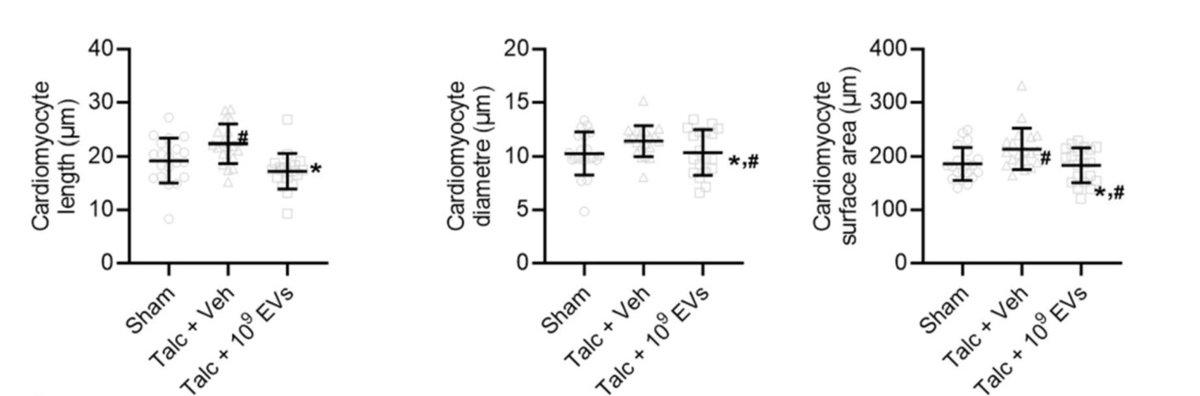
Human extracellular vesicles (EVs) reduce the size of atrial myocytes compared treatment with placebo (veh). Dive in: 🔗 https://t.co/tm4G1j3zff. #AtrialFibrillation
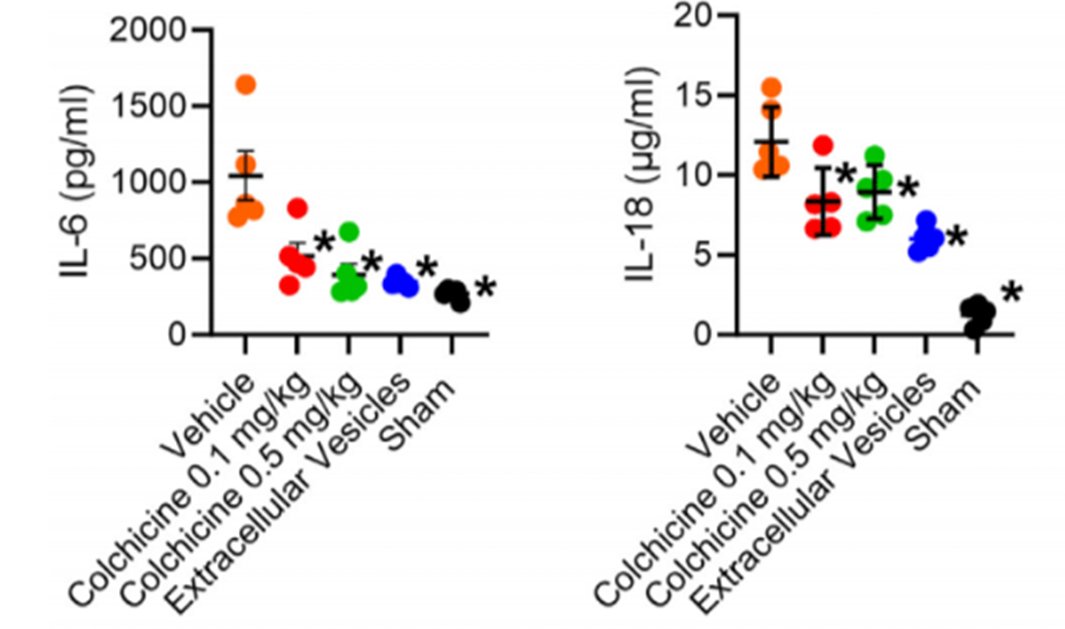
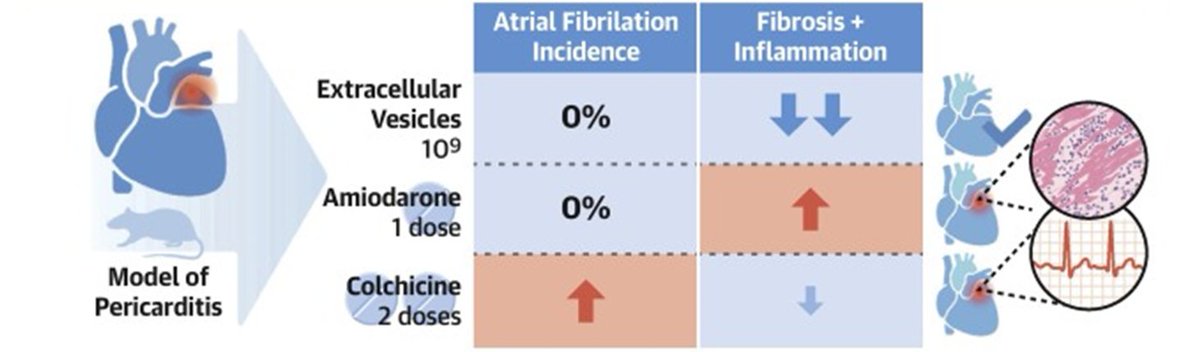
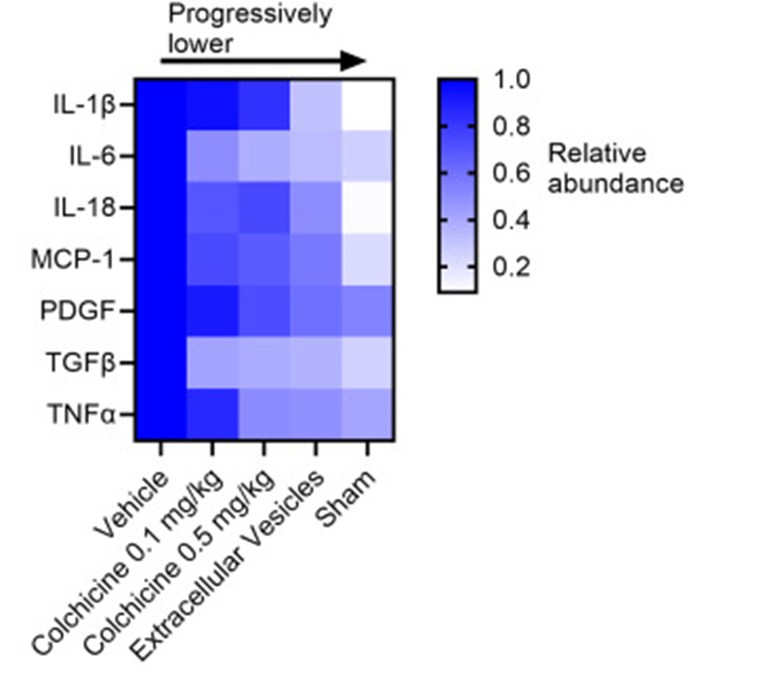
Ever wondered how extracellular vesicles could revolutionize AF prevention? Our study shows they reduce atrial fibrosis, and prevent arrhythmias. Discover colchicine's limited benefits and the hidden risks of amiodarone. 🔗 doi:10.1016/j.jacep.2024.02.019 #AtrialFibrillation
Pericarditis increases atrial scar tissue. While anti-inflammatories offer modest reduction and antiarrhythmics have no effect on fibrosis, a single EV injection eliminates fibrosis and atrial fibrillation! doi:10.1016/j.jacep.2024.02.019 #AtrialFibrillation
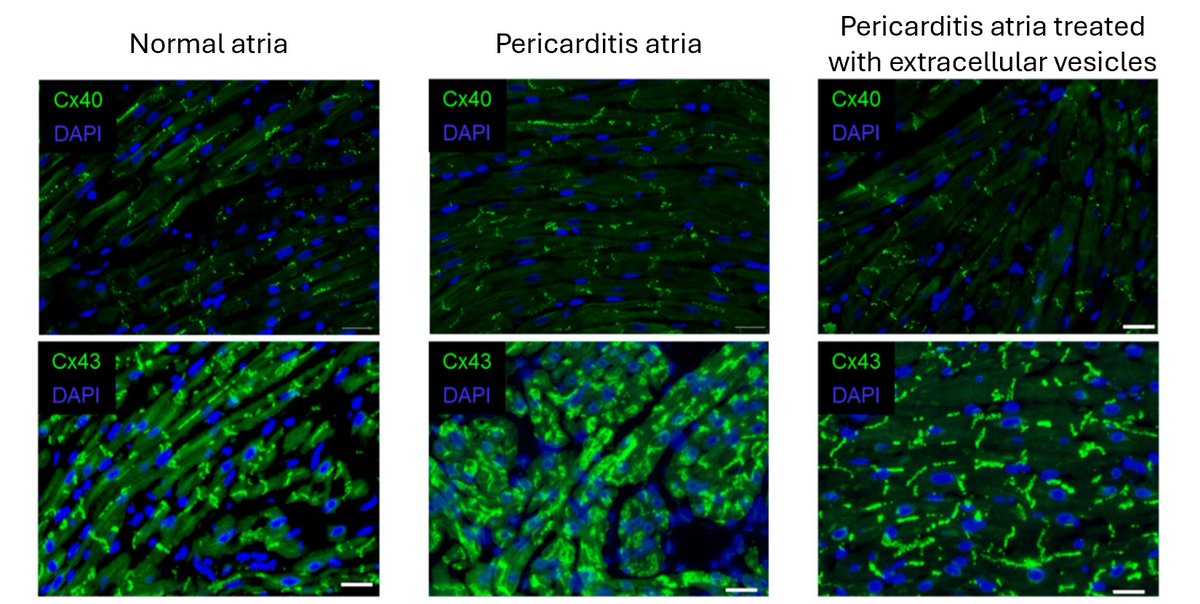
Promising results: Treatment with extracellular vesicles prevents the adverse effects of pericarditis on connexin 43, improving atrial conduction and preventing atrial fibrillation. 🔗 doi:10.7150/thno.89520 #HeartResearch#ExtracellularVesicles#AtrialFibrillation
Exciting findings! 🌟 Although the anti-inflammatory colchicine partially reduces cytokines linked to atrial fibrillation, only extracellular vesicles decrease all implicated cytokines. 🔗 doi:10.1016/j.jacep.2024.02.019 #Cardiology#ExtracellularVesicles#AtrialFibrillation