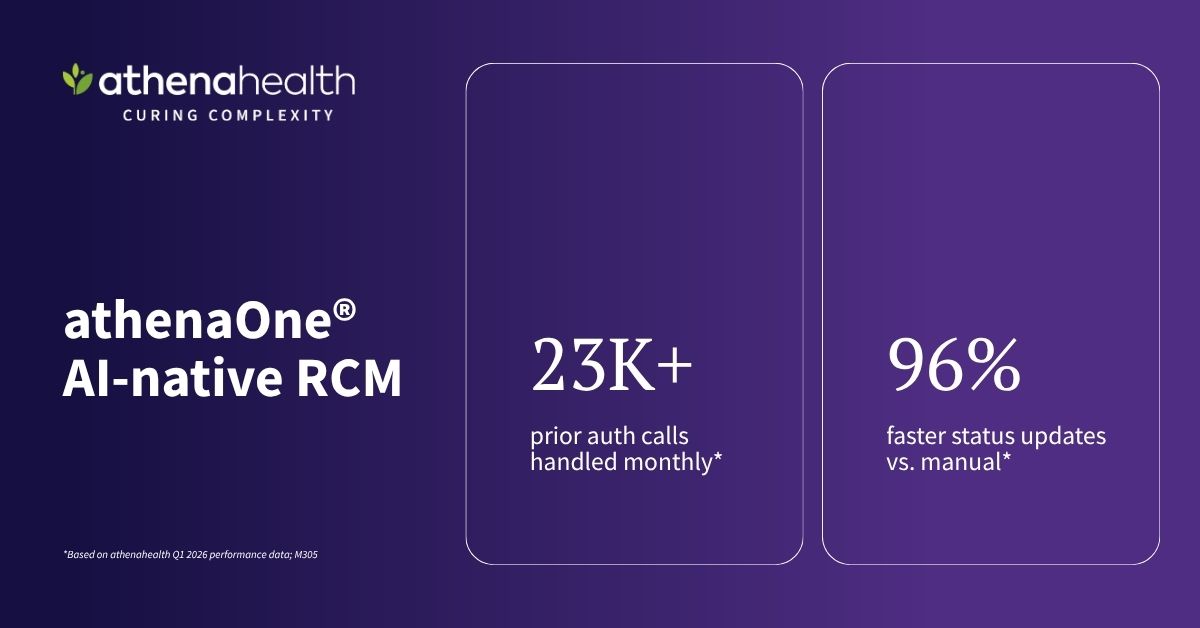
Prior auth follow-up: call, wait, call again, document. Multiply that across a busy practice.
athenaOne® Authorization Management combines the best of expert staff and AI for 96% faster updates.
https://t.co/oh9U135BRC
#AC26#RevenueCycle
When the first messenger RNA (mRNA) vaccines proved effective during COVID, many experts viewed them as a short-term fix. Five years later, the same technology evolved into one of medicine’s most ambitious platforms, with applications now spanning cancer, rare diseases, and chronic conditions that were once considered out of reach.
Currently, mRNA extends well beyond the prevention of infectious diseases. Recent clinical trials have demonstrated potential in oncology, rare diseases, and personalized medicine, establishing it as one of the most active areas of biomedical innovation. Important challenges remain, including improving stability, targeting specific tissues, and extending the duration of therapeutic effects. https://t.co/DEn8xAAkTD
This Memorial Day, we honor the legacy of our heroes and celebrate the dedication of healthcare providers caring for others daily. 🇺🇸
#MemorialDay#Healthcare#EMRFinder
Cleveland Clinic colorectal surgeons have developed a standardized endoscopic grading system to better assess rectal cancer response to treatment. This innovation may improve decision-making around organ preservation and personalized care.
@ClevelandClinic#EMRFinder#EMRSystems
Rectal cancer treatment is evolving beyond a one-size-fits-all approach.
Cleveland Clinic colorectal surgeons developed a new standardized endoscopic grading system to better evaluate how rectal cancer responds to treatment and help guide organ preservation decisions: https://t.co/gTuKvtBBjL
AI chatbots can be helpful for general health information, but they are not always reliable and may sometimes generate incorrect or misleading answers. Experts suggest using them carefully and verifying important medical advice with qualified professionals. @TIME@OpenAI
Should you ask an AI chatbot for health advice? AI chatbots seem to have the answer to everything, but they often hallucinate false information and come up with fake sources for it. But Doctor Sudheesha Perera and Professor Murali Doraiswamy say that there's some helpful things you can try to get more useful answers for your health related questions out of your AI.
TIME tech reporter Nikita Ostrovsky explains their tips for this episode of AI, Explained by Humans. Read their full piece: https://t.co/kgRhYYFN8p
Today, AI is transforming healthcare by making it more accessible, proactive, and always within reach.
In this blog, Dr. Mona Almehaid explores how AI is already reshaping the healthcare landscape: from enabling earlier disease detection and supporting clinical decision-making to providing patients with real-time, always-available guidance when they need it most.
🔗 | Read the full blog: https://t.co/MalysaDqk3
#TheEndOfLimits #HUMAIN
Experts have raised concerns about Australia’s use of involuntary ECT, but some are adamant about its impact on people with severe mental illness.
https://t.co/aUei4T5wGm
he gut–brain connection keeps getting more fascinating—research like this highlights how gut health may play a bigger role in neurological conditions than we once thought. #emrfinder#emrsystem#GutBrainAxis#Neuroscience
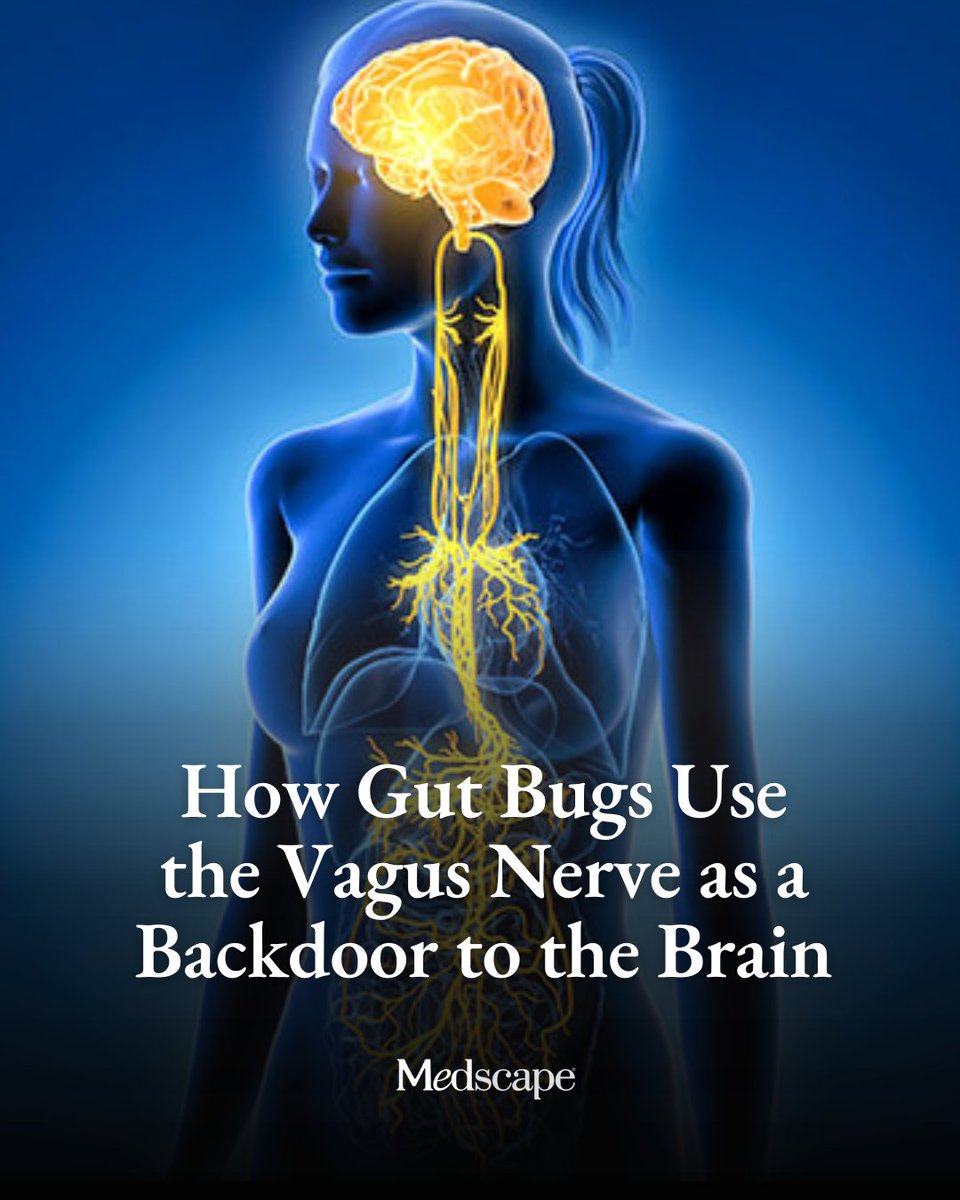
Deep inside the gut, a high-fat diet might be doing more than just driving metabolic shifts — it could be opening a literal gateway to the brain. While researchers have long understood that there’s cross talk between the gut and the brain — even labeling it the gut-brain axis — the paths connecting the two are still being mapped out.
One striking new theory comes from research in mice suggesting that when the intestinal barrier fails, live bacteria can escape the gut and “hitchhike” along the vagus nerve, the massive neural highway connecting the digestive system to the cranium. The study, published in PLOS Biology, adds to a mounting pile of evidence that gut dysfunction could be a hidden driver of conditions such as Alzheimer’s disease, Parkinson’s disease, and autism spectrum disorder. https://t.co/9eXo8hoIPf
Personalized medicine in action—this research shows how genetics can influence who benefits most from vitamin D in preventing type 2 diabetes. Exciting step toward more targeted prevention. #emrfinder#emrsystem#DiabetesPrevention
High-dose vitamin D may delay or prevent the progression of prediabetes to diabetes, but only in people with certain polymorphisms in the vitamin D receptor, new research suggested.
“We identified a common variant in the vitamin D receptor that appears to influence the relationship between high-dose vitamin D and the risk of developing type 2 diabetes,” lead author Bess Dawson-Hughes, MD, senior scientist in the diet & chronic disease prevention for healthy aging research directive at the Jean Mayer USDA Human Nutrition Research Center on Aging at Tufts University in Boston, told Medscape Medical News. https://t.co/eXUsOeoQUk
The Food and Drug Administration blocked the publication of studies that tracked the safety of the COVID-19 and shingles vaccines.
Read more: https://t.co/L6PsxjDSbb
People are talking a lot less than before—about 28% fewer words per day between 2005 and 2019. Maybe we’re just communicating differently now.#emrfinder#emrsystem#communication#change
People are talking less than they used to. A lot less. Between 2005 and 2019, the number of words the average person uttered in a day fell by 28%. That’s according to a recent study from a team of U.S.-based researchers. https://t.co/7mugEvvmDR
So important to spread awareness—chronic fatigue is often misunderstood and many people don’t realize how serious it can be. Conversations like this really help people recognize the signs and seek support. 💙 #emrfinder#healthupdate
Always exhausted, even after rest? Chronic Fatigue Syndrome is more than everyday fatigue—it’s a long-lasting condition that can affect your energy, focus, sleep, and daily life. Recognizing the signs is the first step toward getting the support you need. https://t.co/KbRS0c0ydc
From strategy to execution—progress is taking shape. The latest from JAMA highlights how the FDA is advancing from vision to tangible outcomes in healthcare.
@JAMA_current@US_FDA@JAMANetwork
💡 From rising temperatures to heavy rainfall, environmental changes can have hidden effects on your heart. New research highlights the link between extreme weather and increased cardiovascular risk.
#ClimateHealth#HeartDisease#EnvironmentalImpact#HealthEducation
Heatwaves, cold snaps and heavy rain do more than disrupt your day. They can quietly raise your risk of heart disease, according to a new report in the American Journal of Preventive Medicine.
https://t.co/0Fo2Q9JbMY