The latest issue of Sefarad (2019). Includes an article by José Ramírez del Río, "El Poema de Mio Cid y las colecciones de cuentos árabes y hebreos. Las arcas de los judíos Rachel y Vidas:" https://t.co/BRBh1Z6xvu
I'm looking at Antisemitic stereotypes in Spanish comics and children's literature for my current article. Here, in a 1974 comic, is the villain "Salomon", complete with hooked nose, who is distinguished by his avarice, cowardice and low cunning. #twitterstorians#medievaltwitter
Have you had a look at @britishlibrary's Discovering Sacred Texts website yet?
https://t.co/y6KyACvVKw
It contains 314 collection items, including 29 in #Persian: watch the video and see how to find them!
#AToUnknown
H-O-W is it possible there’s been all this coverage of what @ISASaxonists said at #RaceB4Race, and the genius title of her paper has not been more of a thing? I only discovered it because I followed her on Academia.
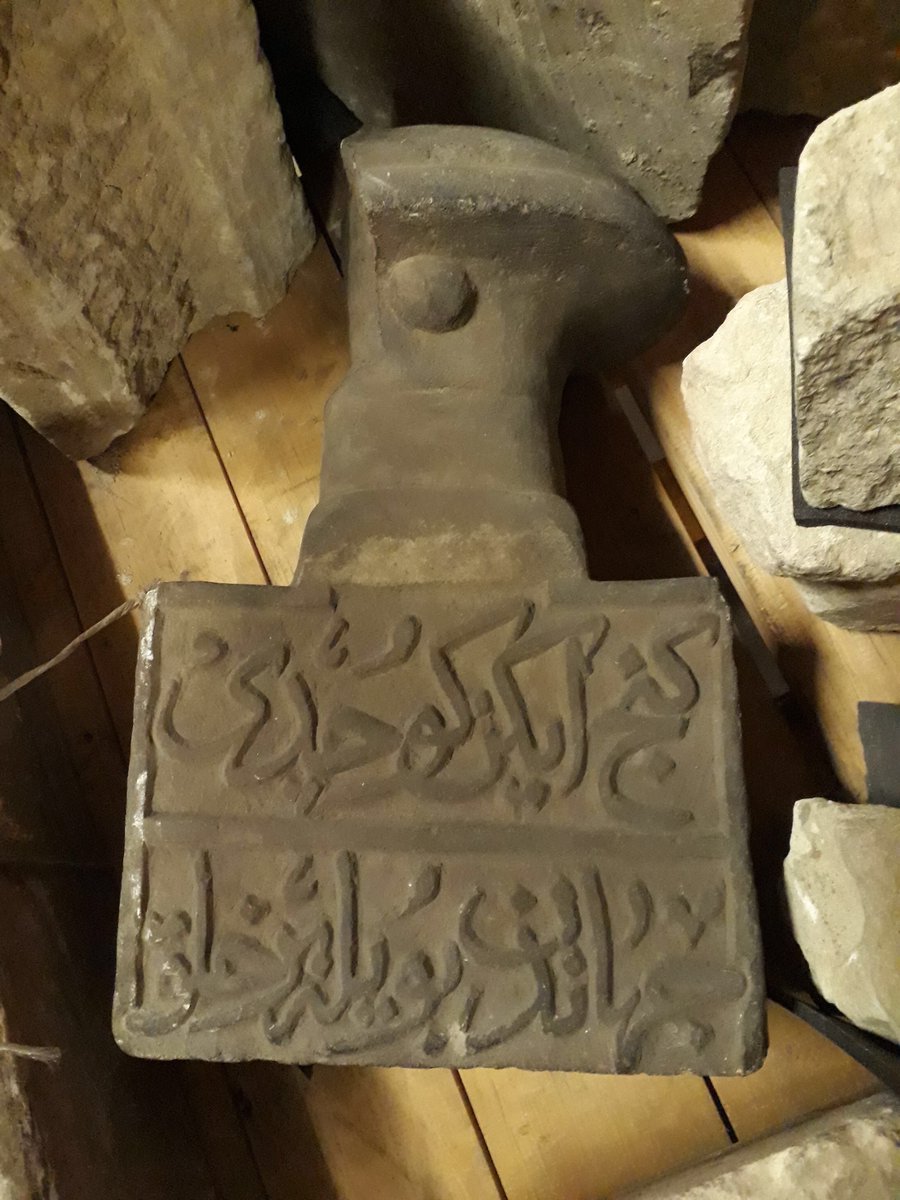
"This language doesn’t resemble any other known language – but includes elements of #Persian#Arabic#Avestan#Turkish and #Hindi."
More on this 'celestial' (āsmānī) language: https://t.co/L1Iadj3DaA
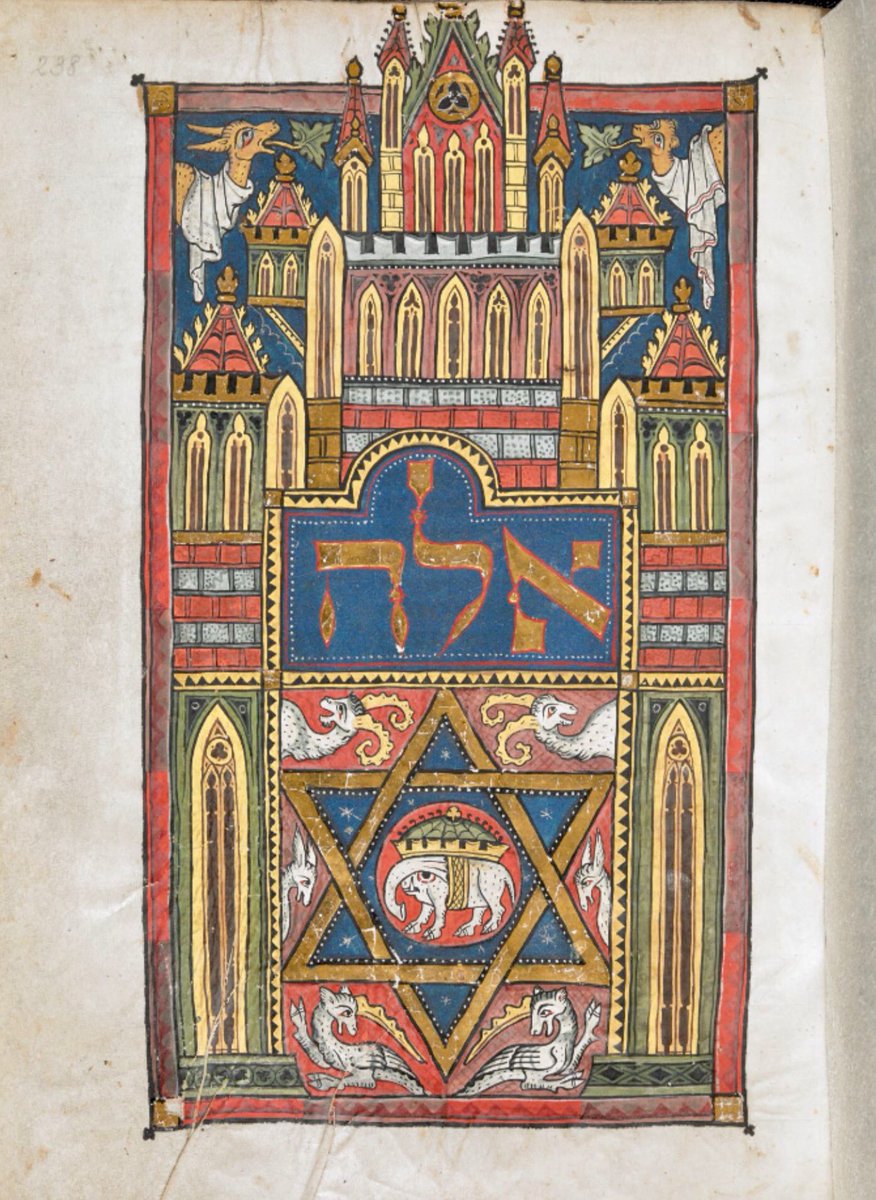
This little 🐘 has travelled well!
@Stewart_Brookes
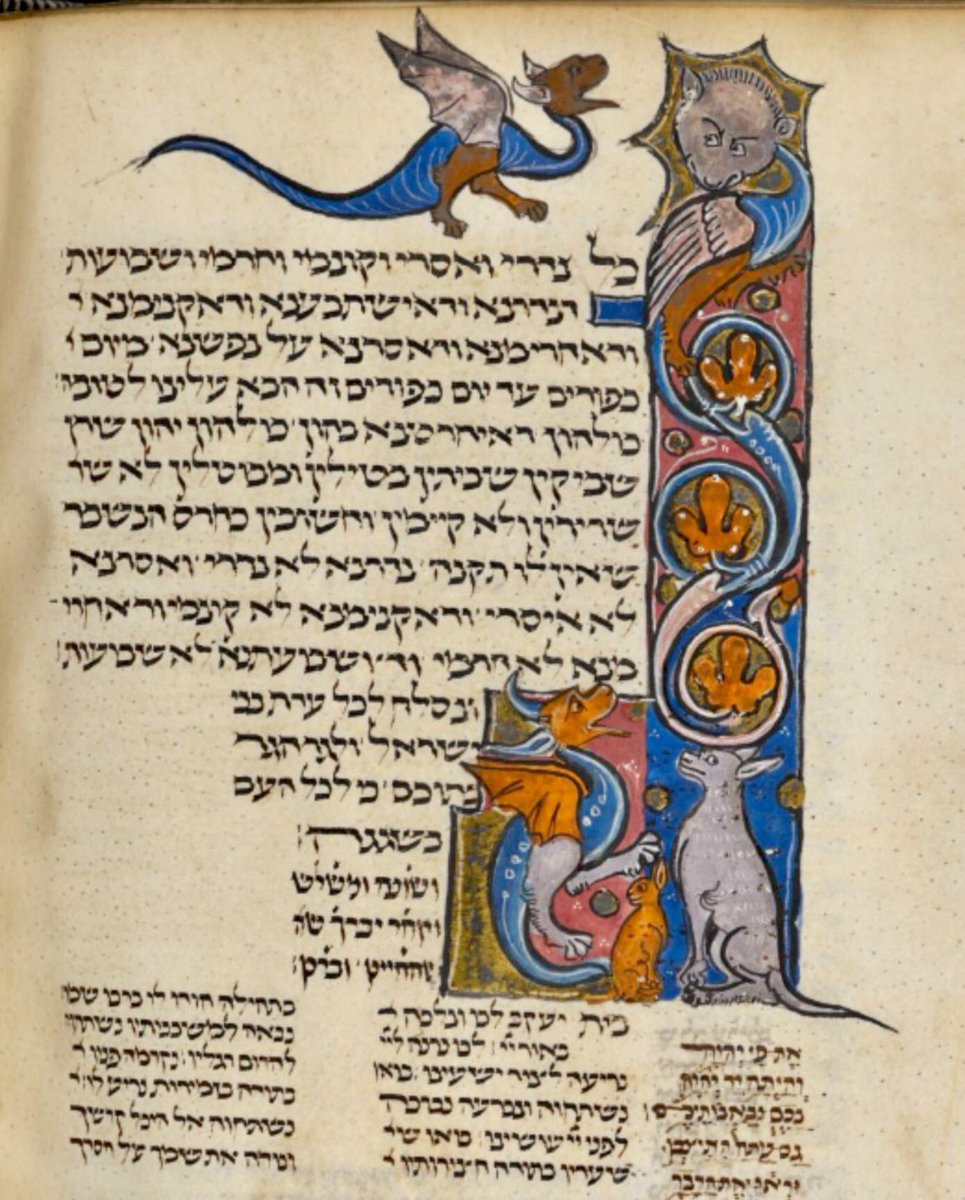
Bodleian Library MS. Michael 619; Maḥzor for the High Holidays (Rosh ha-Shanah & Yom Kipur),Western Ashkenazi rite;1320–1330; f.130r @BDLSS
Add MS 15282; 1300-1324; 'Duke of Sussex's German Pentateuch'; f.238r @BL_HebrewMSS
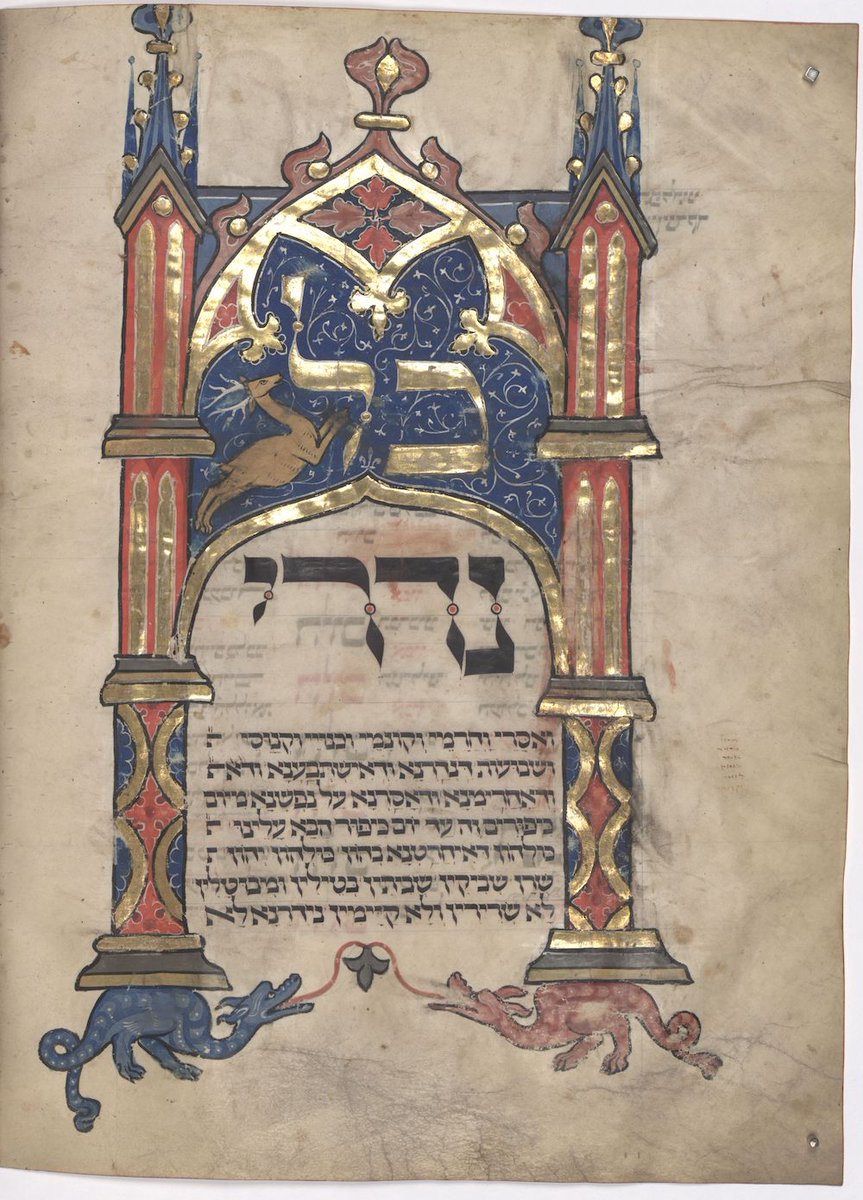
So, it’s nearly Kol Nidre and time to annul all of our vows (כָּל נִדְרֵי)! This resonantly meaningful legal formula is often a colourful set-piece page in Hebrew manuscripts. The image below is from the Leipzig Machzor, c. 1310 (https://t.co/wUdLBbxPt6)
#YomKippur5780
Prenup in Hebrew dated 1048 CE, in which the bride Fāʾiza makes her husband Ṭoviyya promise to give up his bad ways and drinking buddies after marriage—and to not buy a female slave without her express permission! From the Cairo Genizah, at Cambridge: https://t.co/nKdXoutAaq