LDL is not your enemy. But pretending LDL doesn’t matter is dangerous.
The real question is not: “Is my cholesterol high?”
It is: “Is my cholesterol being driven into damaged arteries?”
Let’s crack the cholesterol code:
🚨 Nobody should have Type 2 Diabetes. NOBODY.
It’s not a “chronic disease.” It’s a dietary disease: Preventable and completely reversible.
Prevention is easier.
Reversing it takes discipline, but it works.
If you have it, here’s exactly how you reverse it:
1. Quit sugar and carbs completely.
2. Prioritize animal protein and fat.
3. Stop snacking.
4. Build muscle.
Your body will heal. The results will be dramatic. I’ve taken patients off insulin and other diabetes meds with 8 weeks doing exactly this.
I label people “no longer diabetic” every week. Most people aren’t ready to do what it takes.
Are you?
Jay Shetty just had one of the world's top orthopedic surgeons on his podcast.
Dr. Vonda Wright.
She revealed why belly fat, brain fog, anxiety, and muscle loss are not separate problems.
Here are 5 facts that will change how you age:
1. Walking is not cardio. It is brain medicine.
NOAA released their outlook for the 2026 Atlantic hurricane season this morning… 
Forecasters with NOAA’s National Weather Service are predicting a below-normal hurricane season for the Atlantic basin this year. NOAA’s outlook for the 2026 Atlantic hurricane season, which runs June 1 to November 30, predicts a 35% chance of a near-normal season, a 10% chance of an above-normal season, and a 55% chance of a below-normal season.
The agency is forecasting a total of 8-14 named storms (winds of 39 mph or higher). Of those, 3-6 are forecast to become hurricanes (winds of 74 mph or higher), including 1-3 major hurricanes (category 3, 4 or 5 with winds of 111 mph or higher). NOAA has a 70% confidence in these ranges. An average season has 14 named storms with seven hurricanes, including three major hurricanes.
“With the most advanced forecast modeling and hurricane tracking technologies, NOAA and the National Weather Service are prepared to deliver real-time storm forecasts and warnings,” said Commerce Secretary Howard Lutnick. “Our experts are integrating cutting-edge tools to ensure communities in the path of storms receive the earliest, most accurate information possible.”
“NOAA’s rapid integration of advanced technology, including AI-based weather models, drones, and next-generation satellite data will deliver actionable science to safeguard the lives and livelihoods of the American people,” said NOAA Administrator Neil Jacobs, Ph.D. “These new capabilities, combined with the unmatched expertise of our National Weather Service forecasters, will produce the most accurate forecasts possible to protect communities in harm’s way.”
The Atlantic season is expected to be below-normal due to competing factors. El Niño is expected to develop and intensify during the hurricane season, while ocean temperatures in the Atlantic are expected to be slightly warmer than normal and trade winds are likely weaker than average. El Niño conditions tend to support less tropical storms and hurricanes, while warmer ocean temperatures and low winds support a more active year.
“Although El Niño’s impact in the Atlantic Basin can often suppress hurricane development, there is still uncertainty in how each season will unfold,” said NOAA’s National Weather Service Director Ken Graham. “That is why it’s essential to review your hurricane preparedness plan now. It only takes one storm to make for a very bad season.”
NOAA’s outlook is for overall seasonal activity based on large-scale weather and climate patterns. It does not indicate where or when any storms may affect land as that is determined by short-term and variable weather patterns is not a landfall forecast.
“Preparing now for hurricane season — and not waiting for a storm to threaten — is essential for staying ahead of any storm. Visit https://t.co/l2q4yfsd39 and https://t.co/dMLfzJ0ihJ for important preparedness information,” added Graham.
Most people think processed food only affects weight. It doesn’t.
It changes your brain, mood, focus, cravings, stress response.
Most people don’t even realise it’s happening.
Here’s what ultra-processed food is actually doing to your brain:
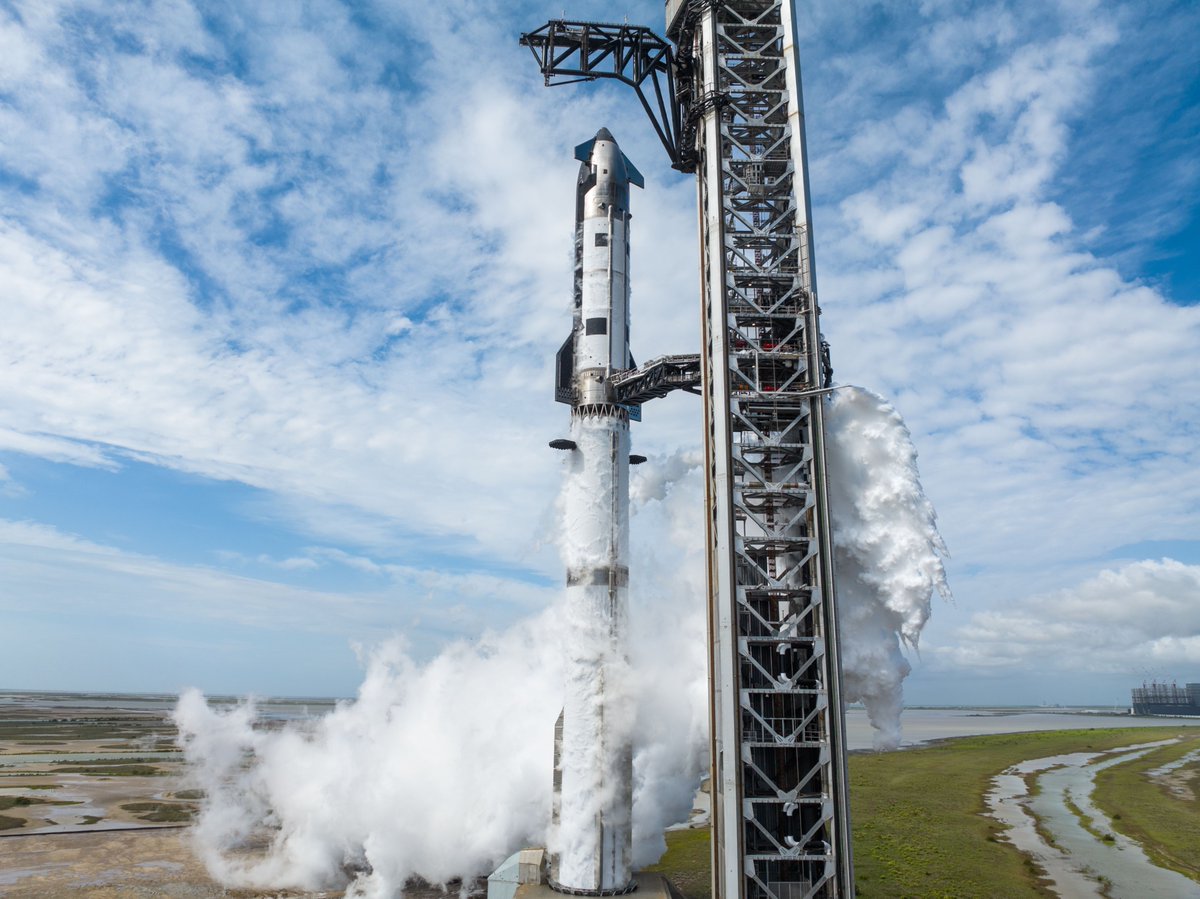
SpaceX has just released a massive new list of changes in Starship V3, which is now scheduled to launch on May 19th:
Super Heavy V3 Changes
Grid Fin Redesign:
• Reduced from 4 fins to 3
• Each fin is now: 50% larger, stronger, repositioned for better catching/lifting
• Lowered on booster to reduce heat exposure during hot staging
• Fin hardware moved inside fuel tank for protection
Integrated Hot Stage:
• Removes the old disposable interstage shield
• Booster dome now directly exposed to upper-stage engine ignition
• Tank pressure + steel shielding protect structure
• Interstage actuators retract after separation for protection
New Fuel Transfer System:
• Massive redesign of fuel transfer tube
• Roughly the size of a Falcon 9 first stage
• Allows: simultaneous startup of all 33 Raptors, faster and more reliable flip maneuvers
Engine Bay / Thermal Protection Changes:
• Engine shrouds removed entirely
• New shielding added between engines
• Propulsion + avionics more tightly integrated
• CO₂ fire suppression system removed
• Simpler and lighter aft section
Propellant Loading Improvements:
• Moved from 1 quick disconnect to 2 separate systems
• Adds redundancy
• Reduces complexity of pad interfaces
Starship V3 Changes
Completely Redesigned Propulsion System:
• Clean-sheet redesign
• Supports: new Raptor startup method, larger propellant volume and improved reaction control system
• Reduces trapped/leaked propellant risk
Aft Section Simplification:
• Fluid + electrical systems rerouted
• Engine shrouds deleted
• Large aft cavity removed
Flap Actuation Upgrade:
• Changed from: 2 actuators per flap to 1 actuator with 3 motors
• Improves:, redundancy, mass efficiency, cost
Faster Starlink Deployment:
• Upgraded PEZ dispenser
• Faster satellite deployment speeds
Long-Duration Spaceflight Capability:
• New systems added for: long orbital coasts, orbital refueling, cryogenic fluid management, vacuum, insulated header systems and high-voltage cryogenic recirculation
Ship-to-Ship Docking + Refueling:
• Added 4 docking drogues
• Added propellant transfer connections
• Directly supports in-space refueling architecture
Avionics Upgrades
Massive Electrical System Upgrade:
• ~60 custom avionics units
• Batteries/inverters/high-voltage systems integrated together
• ~9 MW peak power capability
Better Navigation + Redundancy:
• New multi-sensor navigation system
• Designed for precision autonomous flight
Propellant Monitoring in Space:
• New RF sensors measure propellant levels in microgravity
• Important for orbital refueling missions
Camera + Connectivity Upgrades:
• ~50 onboard camera views
• 480 Mbps Starlink connectivity onboard
• Low-latency redundant communications
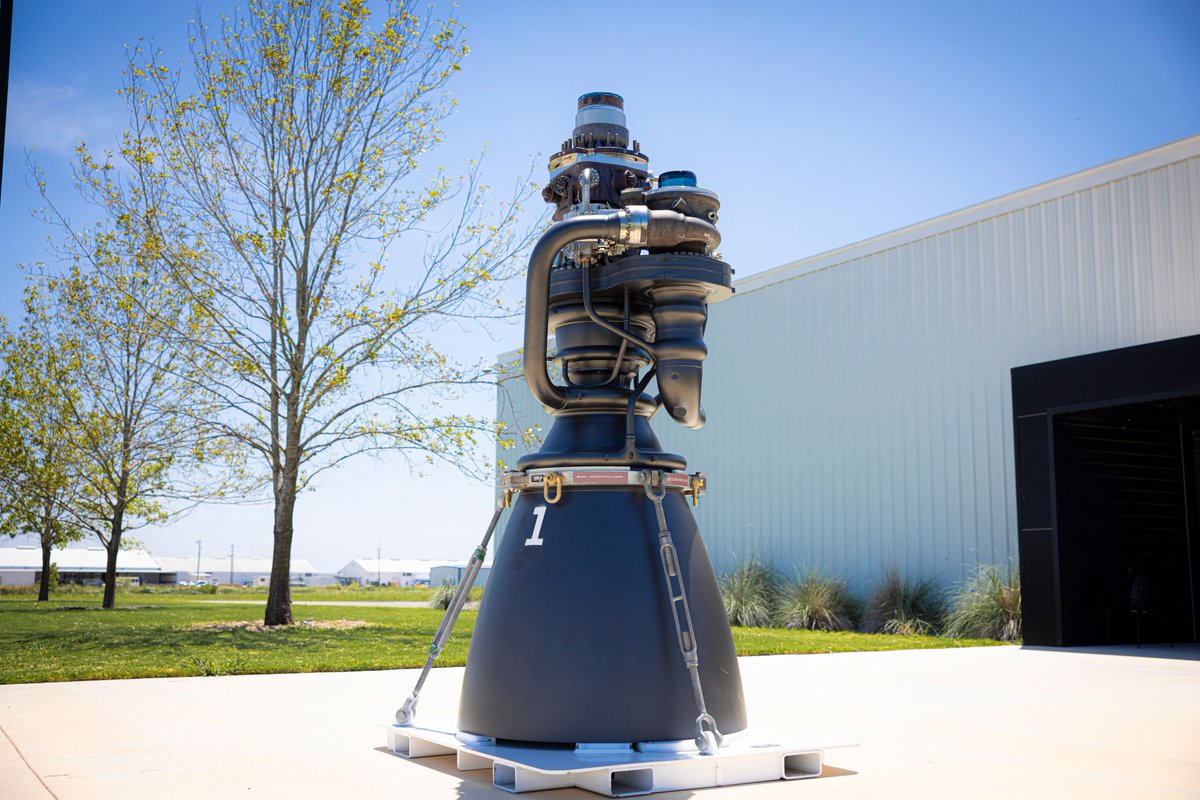
Raptor 3 Engine Changes
Higher Thrust:
• Sea-level Raptors:
• Increased from:
230 tf → 250 tf
507k lbf → 551k lbf
Vacuum Raptors:
Increased from:
258 tf → 275 tf
568k lbf → 606k lbf
Lower Mass:
• Sea-level engine mass reduced: 1630 kg → 1525 kg
Simpler Design:
• Sensors/controllers integrated into engine body
• Removes need for engine shrouds
• New ignition system for all variants
• Huge Vehicle-Level Weight Savings
• ~1 ton saved per engine across vehicle systems
Launch Pad 2 Upgrades (Starbase)
Faster Propellant Loading:
• Larger propellant farm
• More pumps
• Faster fueling operations
Chopstick Improvements:
• Shorter arms for faster movement
• Switched from hydraulic → electromechanical actuators
• Better reliability + redundancy
Stronger Quick Disconnect Arm:
• Reinforced and redesigned
• Swings farther away during launch
Launch Mount Redesign:
• Better load handling
• Improved launch protection
• Improved throwback reliability
New Flame Diverter System:
• Bidirectional flame diverter
• Designed to eliminate ablation/refurbishment after launch
Hardened Propellant Systems:
• Methane and oxygen systems separated
• Valves/filters moved into protected bunker
• Improves safety and reliability
SpaceX: "Together, these new elements are designed to enable a step-change in Starship capabilities and aim to unlock the vehicle’s core functions, including full and rapid reuse, in-space propellant transfer, deployment of Starlink satellites and orbital data centers, and the ability to send people and cargo to the Moon and Mars."
This is going to be an epic flight! 🚀