There was nothing better about Ian Douglas Smith or Rhodesia.
There is absolutely no comparison,bad people are just bad people.
Bad leaders are bad leaders.
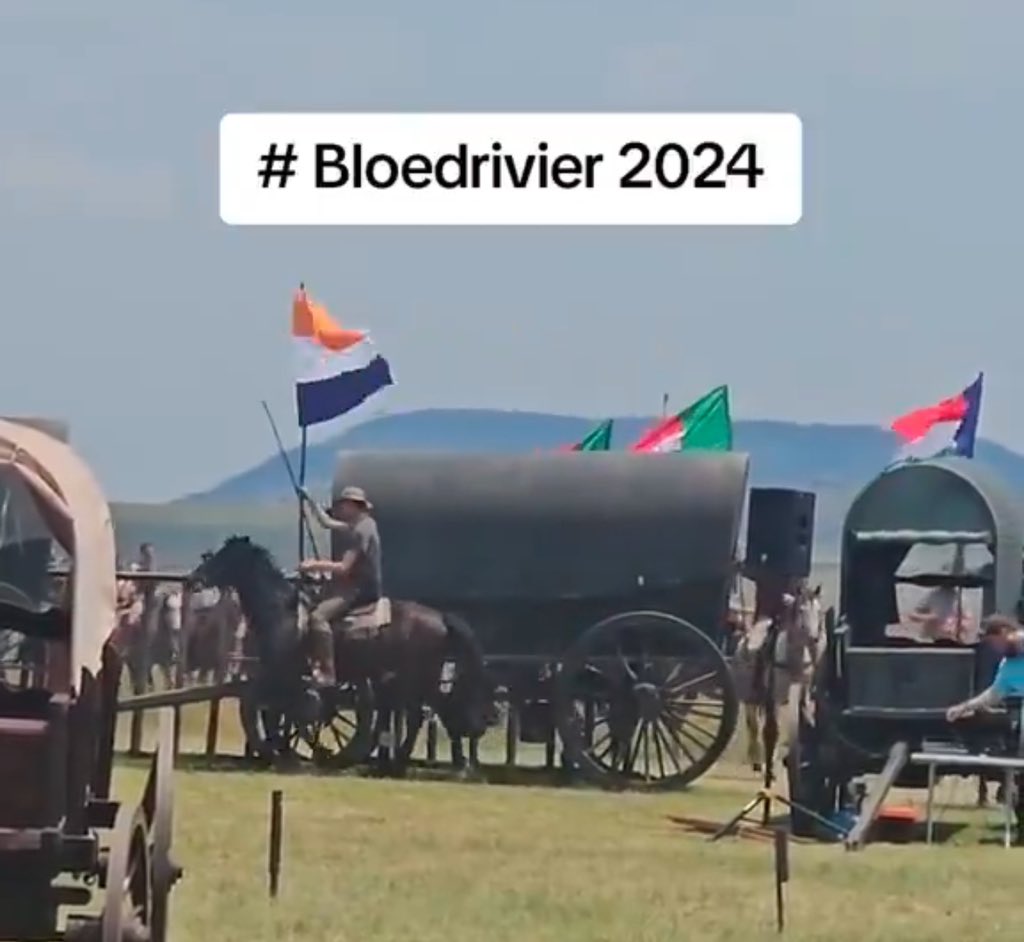
𝗖𝗔𝗣𝗘 𝗜𝗡𝗗𝗘𝗣𝗘𝗡𝗗𝗘𝗡𝗖𝗘 𝗧𝗔𝗞𝗘𝗦 𝗜𝗡𝗦𝗣𝗜𝗥𝗔𝗧𝗜𝗢𝗡 𝗙𝗥𝗢𝗠 𝗕𝗟𝗢𝗢𝗗 𝗥𝗜𝗩𝗘𝗥.
Yesterday in South Africa, the Boers celebrated defeating the Zulus (black people) in the battle of Blood River and taking their land. Nevertheless many black South Africans see black Africans as their enemies and Boers as friends.
More critically, white people are training to use their firearms against natives to hold onto land stolen during these wars and to fight for Cape Independence while black South Africans are dancing, drinking and fighting for spazas. Another Blood River could happen when the Cape fights for Independence to create the new Israel.
Now that President ED Mnangagwa has given cars to the Ministry of Health, what more can critics say? President ED Mnangagwa is building our country brick by brick with these types of investments that improve healthcare infrastructure.
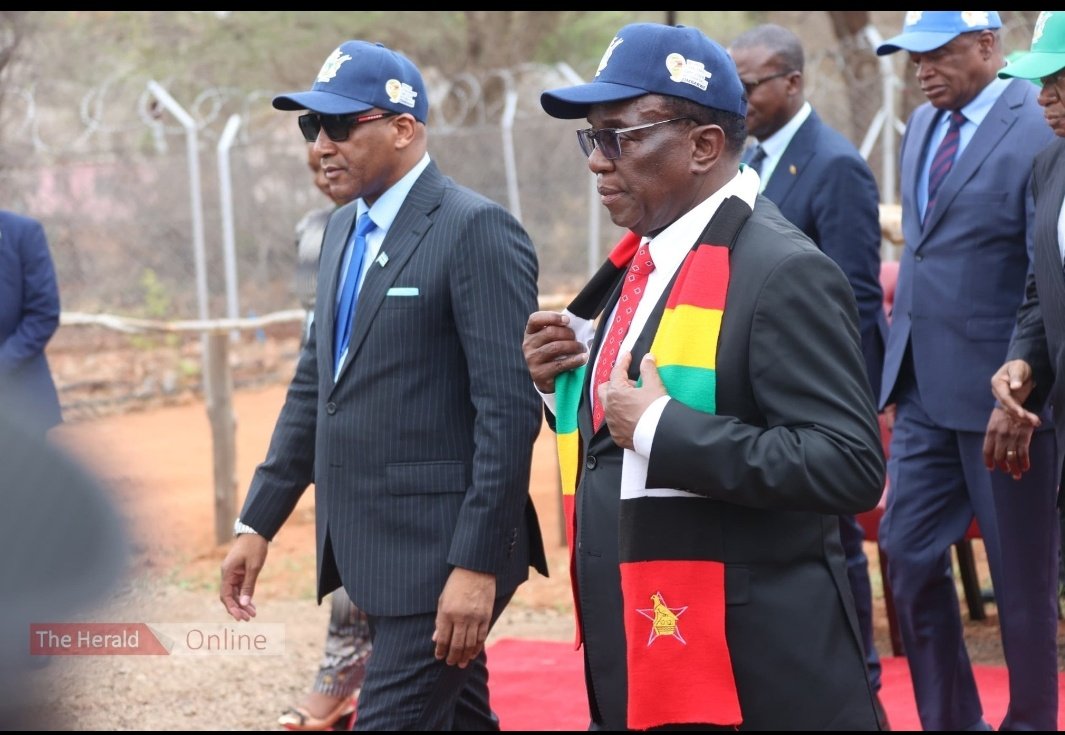
Heads of states !! Botswana President is now into a new league, a league of the Heads of State and ruling party.
What Chamisa can do is to sleep and dream to be the President of Zimbabwe. Only in dreams!!
Don't get too excited about the new dude in Botswana. He’ll follow Hichilema’s path, and soon you'll all be desperately missing what came before.
Handei tione!
𝗠𝗻𝗮𝗻𝗴𝗮𝗴𝘄𝗮 𝗱𝗲𝗺𝗮𝗻𝗱𝘀 𝗮𝗽𝗼𝗹𝗼𝗴𝘆, 𝗿𝗲𝗽𝗮𝗿𝗮𝘁𝗶𝗼𝗻𝘀 𝗳𝗿𝗼𝗺 𝗕𝗿𝗶𝘁𝗮𝗶𝗻 𝗳𝗼𝗿 𝗰𝗼𝗹𝗼𝗻𝗶𝗮𝗹 𝗮𝘁𝗿𝗼𝗰𝗶𝘁𝗶𝗲𝘀.
by Staff reporter
President Emmerson Mnangagwa has called on the British government to formally apologize for the historical injustices endured by indigenous Zimbabweans during the colonial era, which spanned from 1890 to 1980. His comments came during the launch of a study led by the Zimbabwe National Elders Forum (ZNEF) on the untold stories of land dispossession, trauma, and abuse suffered by Zimbabweans under British colonial rule.
The ZNEF study, titled "Land Displacements: The Untold Stories of Crimes, Injustices, Trauma, and Losses Experienced by Indigenous Zimbabweans during the Colonial Era," was initiated as a collective effort to document the extensive impacts of colonial exploitation and advocate for reparations. The forum comprises prominent Zimbabweans from various fields, including the clergy, academia, and business sectors.
President Mnangagwa commended the ZNEF for addressing these historical injustices and restoring dignity to Zimbabwe's people. He highlighted how colonial authorities systematically stripped Zimbabweans of their land and imposed restrictive laws, including the 1931 Land Apportionment Act and the 1950 Native Land Husbandry Act, that marginalized indigenous communities.
"It is pleasing that the Forum intends to comprehensively document the injustices, trauma, and loss of lives experienced by black Zimbabweans due to colonial land appropriation," said Mnangagwa. He added that the proposed study will help establish healing initiatives for affected communities and open channels for reconciliation with Britain.
Drawing parallels with other former colonies, Mnangagwa referenced the recent apologies by the United Kingdom to Kenya's Mau Mau and Germany to Namibia's Herero and Nama people. "We wonder when we, the rest of the former colonies, will receive similar apologies from the British. They must apologize," he stated, calling for acknowledgment of the brutality Zimbabweans endured under colonial rule.
The President emphasized that colonial violence, systematic in its execution, left deep scars on survivors. Recounting Zimbabwe's liberation struggles in both the First and Second Chimurenga, Mnangagwa noted that many freedom fighters were executed or imprisoned in concentration camps known locally as MaKeep.
"A century later, the residual effects of the pain and bitterness are still real. Our people carry the scars of a painful and cruel past," he said.
Mnangagwa also urged for an engagement with Britain to pursue reparations and formal restitution. This initiative complements efforts within Zimbabwe to compensate white former farmers for improvements made on redistributed farmland, though he emphasized that this obligation should have originally fallen to the colonial power.
The President assured the ZNEF of government support for their study, encouraging both Zimbabweans and the diaspora to contribute. Reverend Felix Mukonowengwe, ZNEF chairman, underscored the forum's goal to document the trauma experienced by indigenous Zimbabweans, with hopes of preserving their accounts for future generations.
Reverend Mukonowengwe shared how the remains of several prominent Zimbabwean leaders, including Chiefs Mashayamombe and Chingaira, remain in British museums, a testament to the horrors of the colonial occupation. "These atrocities are examples of the injustices inflicted on our forebears," he said, explaining how colonialism disrupted Zimbabwe's economic prosperity and led to a protracted period of exploitation.
Read more. https://t.co/IkQQDVyui6