🌍 Did you know that the Global Patient Survey on #kidneycancer is available in 18 languages, bringing together the experiences of people affected by kidney cancer from around the world?
💬 Add your voice today and help make a difference: https://t.co/8HSrXfUENa
Only about 7% of patients with cancer in the U.S. participate in cancer treatment clinical trials. That matters, not only for the patients who may miss the opportunity to consider a clinical trial, but for the future of cancer care. Low participation can slow research, delay answers to important scientific questions, and make it harder to turn promising discoveries into new treatment options.
One piece of the challenge is access. Finding trials that may fit an individual patient can be complicated, especially when trial information and eligibility requirements are difficult to navigate.
The KidneyCAN Clinical Trial Navigator was created to make that process easier for people with kidney cancer. The free, AI-powered tool uses information about your diagnosis, treatment history, and location to help identify potential trial matches you can explore and discuss with your healthcare team.
Better access to clinical trials can mean more opportunities for patients—and faster progress toward tomorrow’s kidney cancer treatments.
Explore the Navigator: https://t.co/dq6eUswpbB
#AcceleratingCures
Could #KidneyCancer run in your family? And what could advances in genetics mean for the future of kidney cancer care?
Join us October 28 for our FREE Town Hall, Genetics and Kidney Cancer: From Family Risk to the Future of Patient Care.
Hear from Dr. Brian Shuch, Dr. David Braun, and genetic counselor Lindsey Byrne, MS, LGC—and bring your questions!
October 28 | 5:30–6:30 PM ET
Community Social to follow
Register: https://t.co/gxCeiuwl9x
#AcceleratingCures
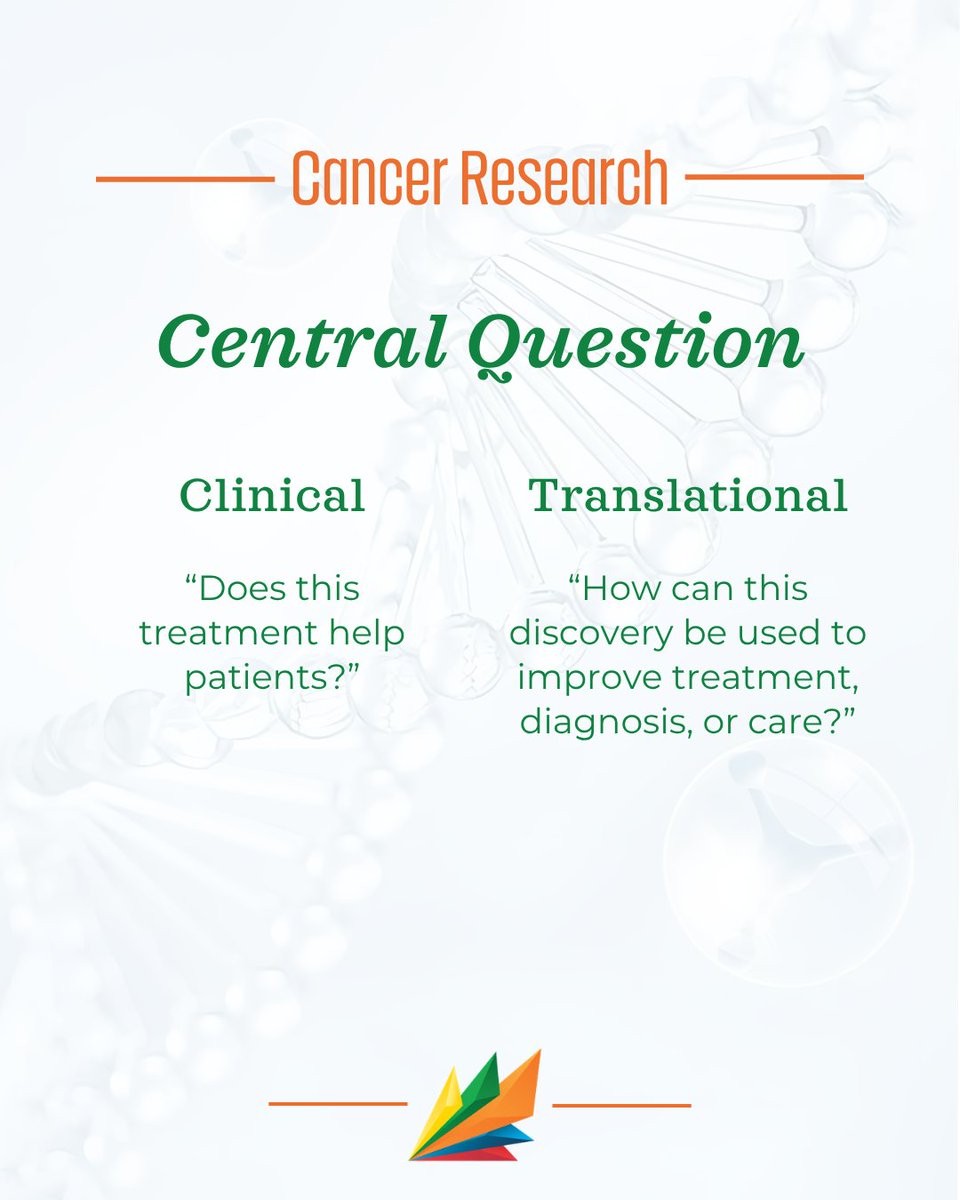
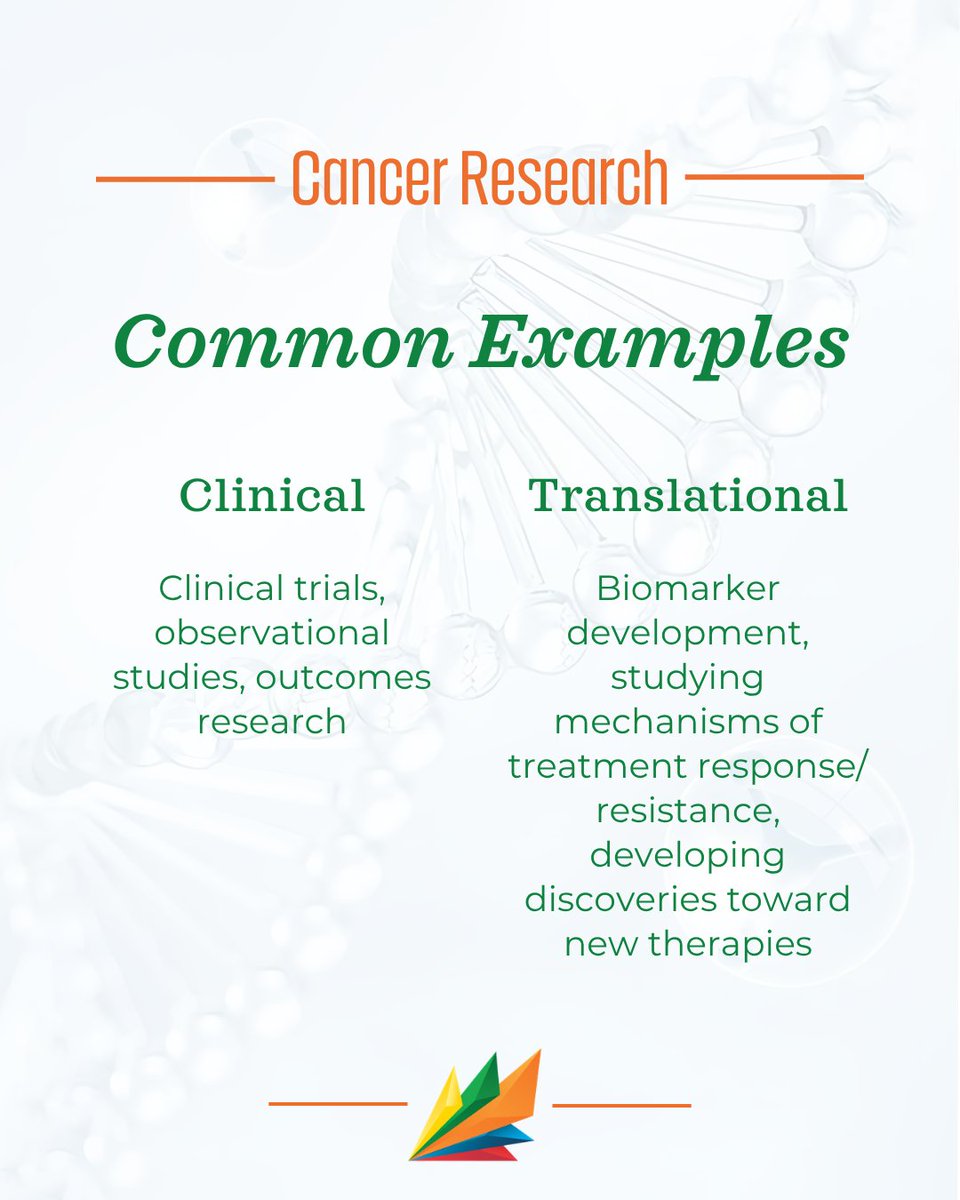
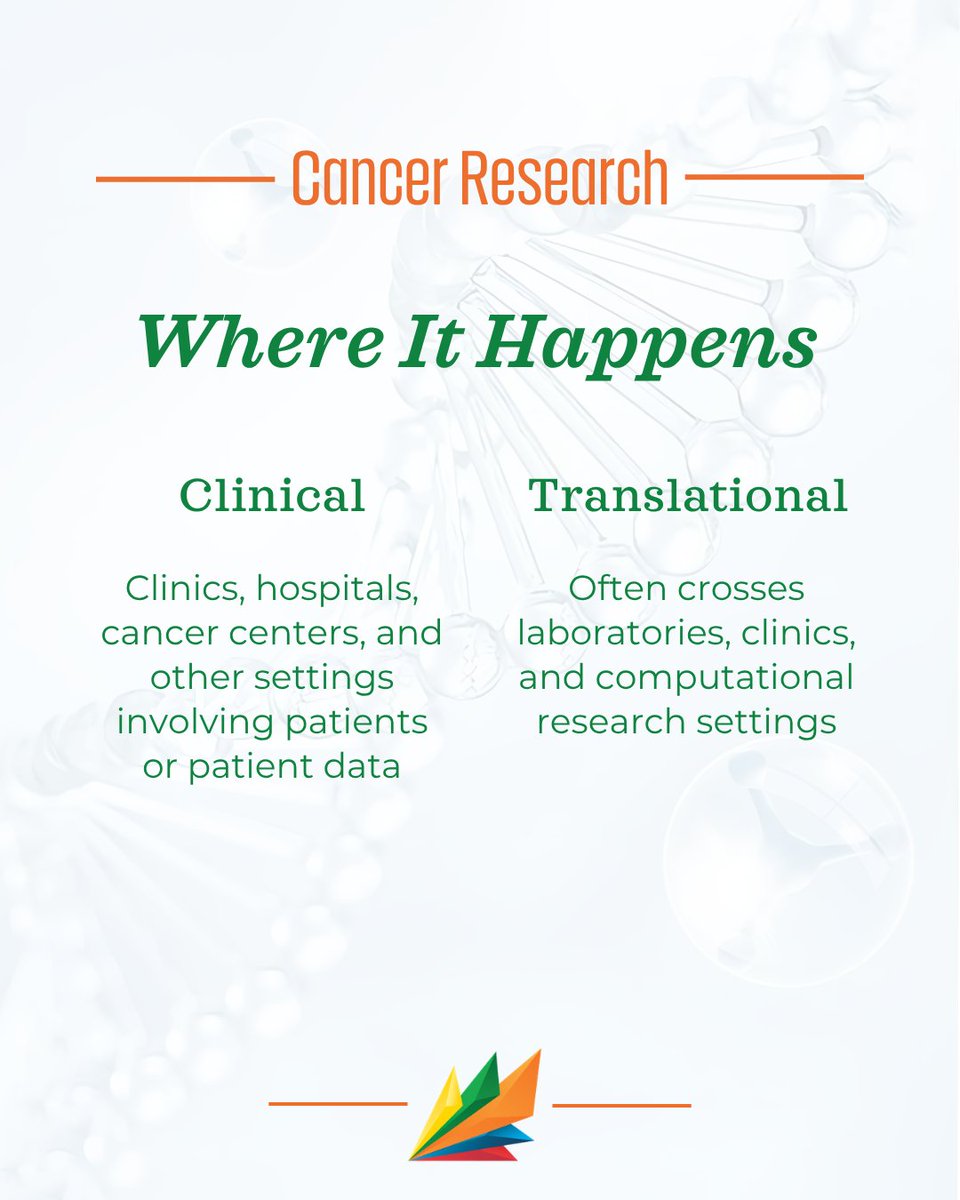
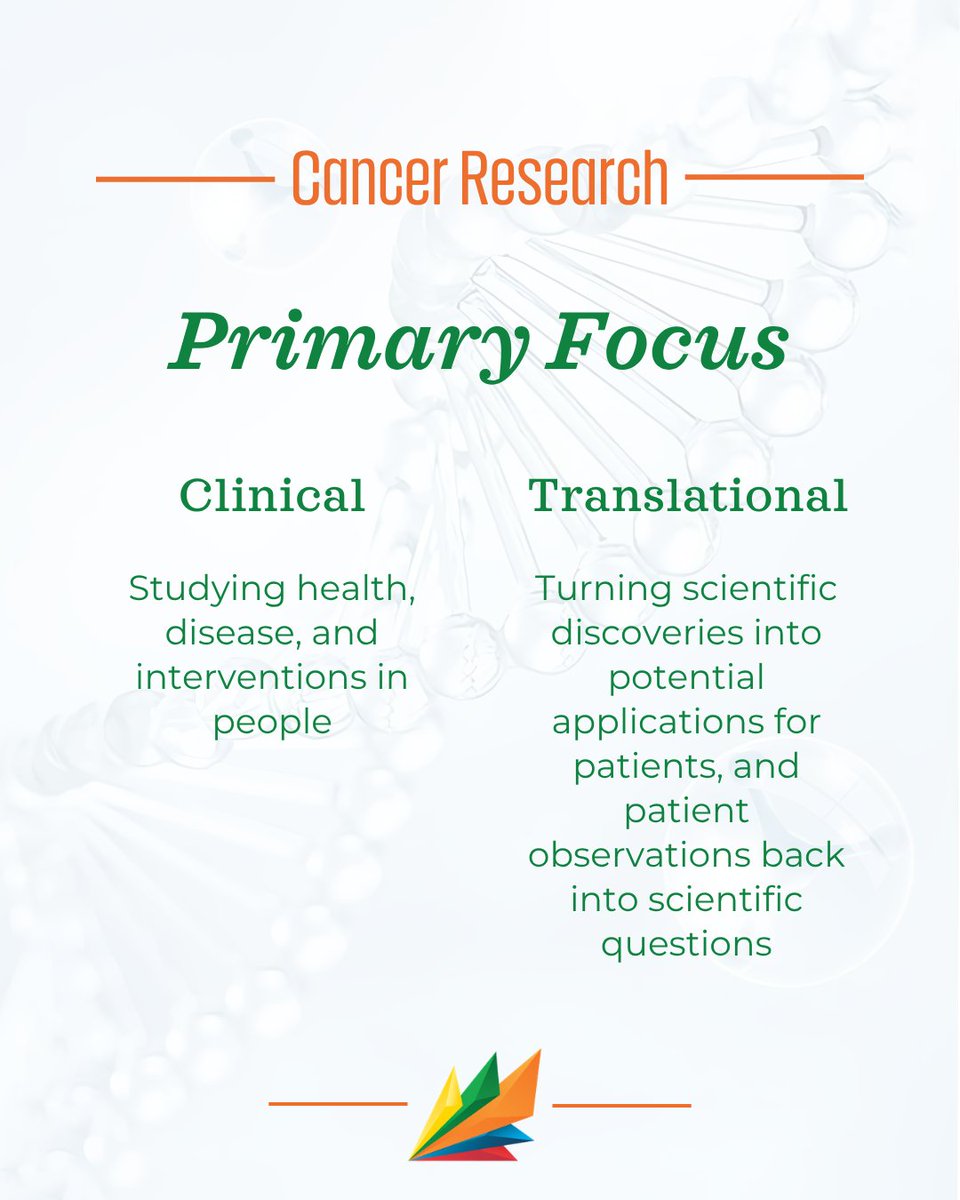
Clinical research. Translational research. You may hear both terms when learning about #KidneyCancer research, but what do they actually mean?
While they approach research in different ways, both play an important role in advancing our understanding of kidney cancer and improving care for patients. Translational research helps bridge the gap between discoveries in the lab and potential applications for patients, while clinical research studies health, disease, and new approaches to care in people.
And the two often work hand in hand. What researchers learn in the lab can help shape clinical studies, while observations from patients can lead to new questions and discoveries.
#AcceleratingCures
The progress we've made didn't happen by accident. It was made possible by researchers pursuing new discoveries, patients participating in research, and advocates making sure #KidneyCancer remains part of the conversation in Washington.
That's why we're speaking up during KidneyCAN Advocacy Days, and why our advocacy continues long after these meetings are over.
Join our advocacy community and help us keep pushing for progress in kidney cancer research.
#AcceleratingCures
Dr. Kathleen Mahoney shares her experience participating in KidneyCAN Advocacy Days and why hearing directly from patients can make such an impact in conversations with members of Congress and their staff.
Today, our advocates are sharing those stories and bringing the experiences of the kidney cancer community directly to policymakers.
And advocacy doesn't end when Advocacy Days are over. Join KidneyCAN's advocacy community and help make sure the voices of patients and families continue to be heard.
#AcceleratingCures
Dr. Michael Serzan explains why robust, sustained funding is essential to maintaining the research infrastructure that makes scientific progress possible, and what can be lost when that support isn't there.
It's one of the reasons we're advocating today. Federal investment gives researchers the resources to pursue new ideas, build on previous discoveries, and continue working toward better options for people with kidney cancer.
And while registration for these Advocacy Days has closed, there are more opportunities to make your voice heard. Join KidneyCAN's advocacy community and help us continue speaking up for kidney cancer research.
#AcceleratingCures
Every person who joins KidneyCAN Advocacy Days helps strengthen our message that federal investment in #KidneyCancer research must remain a priority. You don’t need advocacy experience to participate. We’ll help you prepare so you can focus on what matters most: sharing why this research matters to you.
Register today: https://t.co/xrlRx2CIgi
#AcceleratingCures
A new #KidneyCancer diagnosis can come with an overwhelming amount of information. Knowing what to ask can help you better understand your diagnosis, your options, and what comes next.
Start with these five questions, and don't be afraid to write down your own, take notes during appointments, or ask your care team to explain something again. You deserve to understand the information you're being given and to be an active participant in decisions about your care.
For more information about kidney cancer diagnosis, treatment, finding specialists, clinical trials, living well, and more, visit our Patient Resource Center: https://t.co/MQnQoJAWAA
#AcceleratingCures
Our advocates say it best: showing up and sharing your story can make a real difference.
KidneyCAN Advocacy Days bring patients, caregivers, families, researchers, clinicians, and supporters together to make sure Congress understands why continued investment in #KidneyCancer research matters.
This fall, add your voice to the conversation. We’ll provide all the training, resources, and support you need to participate.
Register: https://t.co/xrlRx2CIgi
#AcceleratingCures
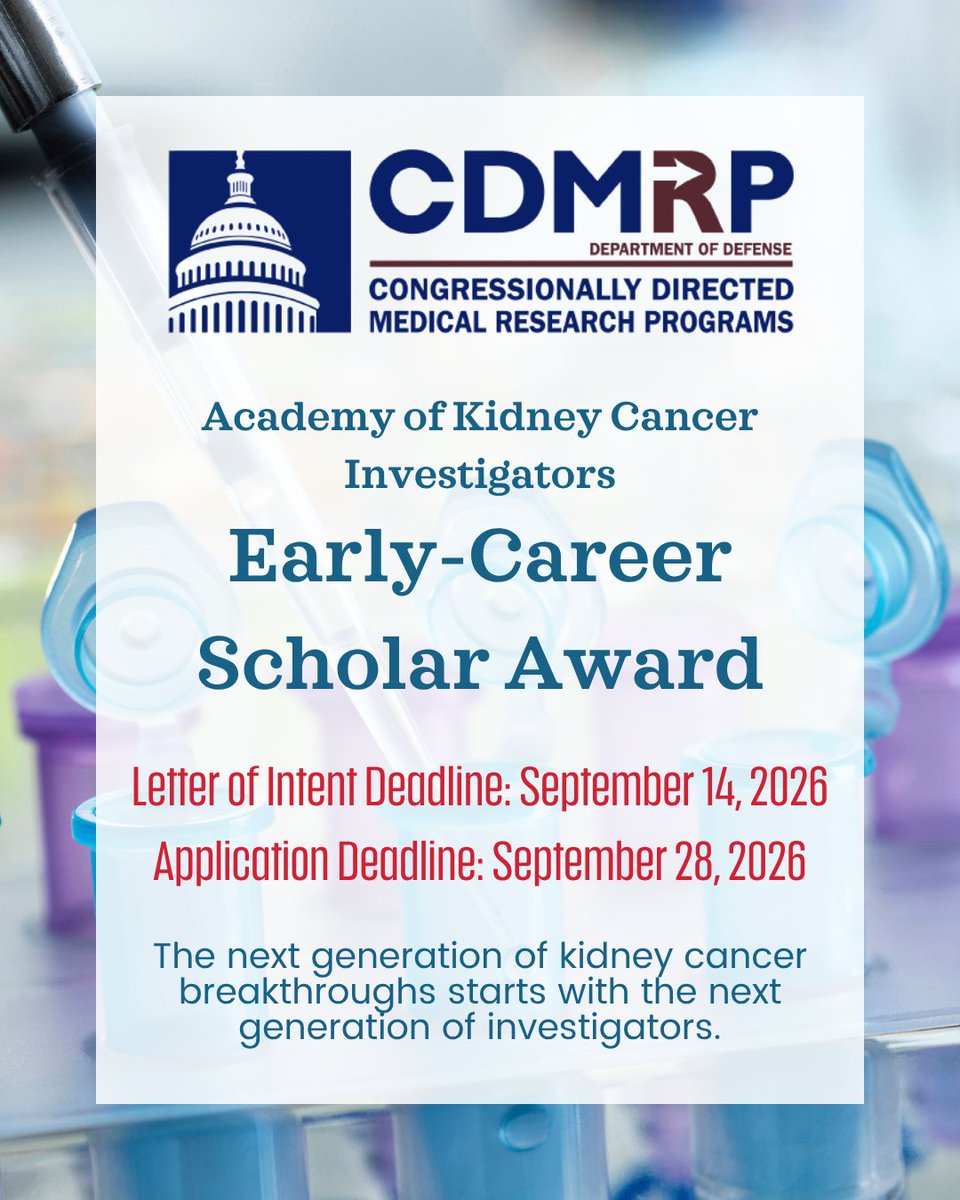
Investing in early-career researchers helps build the future of #KidneyCancer research. The FY26 KCRP Academy of Kidney Cancer Investigators – Early-Career Scholar Award combines research support with intensive mentorship, national networking, collaboration, and a peer community dedicated to advancing the field.
Explore eligibility and application information: https://t.co/8MDmyzAKCc
#AcceleratingCures
What could your research idea mean for the future of #KidneyCancer?
The FY26 KCRP Idea Development Award supports high-impact, hypothesis-driven research that can advance our understanding of kidney cancer and ultimately lead to better outcomes for patients.
Learn more: https://t.co/8MDmyzAKCc
#AcceleratingCures
📣 New cancer research funding opportunity for Florida investigators!
The Florida Cancer Innovation Fund is accepting applications for innovative cancer research and treatment models through the Casey DeSantis Cancer Research Program.
For FY 2026–27, $70 million is available across research grants funded through the program, with an emphasis on innovative approaches, collaboration, and research that can help improve cancer prevention, treatment, and patient care.
Funding is available to Florida-based institutions only.
Upcoming application deadlines include September 25, November 6, and December 18, 2026.
Learn more about the funding opportunity and application requirements: https://t.co/E67nUd8ESD
#AcceleratingCures
Congratulations to Dr. David Braun, recipient of the 2026 KidneyCAN Catalyst Award!
This award recognizes rising leaders whose innovative research and scientific contributions are helping shape the future of kidney cancer research. We look forward to seeing Dr. Braun's continued impact on the field.
Congratulations on this well-deserved recognition!
#KCRS26 #AcceleratingCures
Have an innovative idea that could move #KidneyCancer research forward? The Idea Development Award provides funding for projects built on strong scientific rationale and a well-developed research approach.
Explore the opportunity: https://t.co/8MDmyzAKCc
#AcceleratingCures #KCRP
Your story has the power to make a difference. We need patients, caregivers, family members, researchers, and healthcare professionals to come with us (virtually!) to Capitol Hill. Your voice helps lawmakers understand why kidney cancer research matters.
Join us for Fall Advocacy Days on September 21–22.
Register here: https://t.co/xrlRx2CIgi
#AcceleratingCures
Clinical trials have helped keep me alive for more than a decade. I know firsthand that finding the right trial at the right time can change everything.
That’s why I’m excited about @KidneyCAN’s new Clinical Trial Navigator, helping kidney cancer patients more easily find trials that could provide their next option.
Patients shouldn’t have to become experts at searching for clinical trials while fighting cancer. We need to make it easier to find the science, understand the options and know what to do next.
For some of us, a clinical trial isn’t just research.
It’s hope. It’s another option. It’s more time.
https://t.co/pzpDmFXwxh
Thank you @kidneycan for launching a tool that helps all kidney cancer patients. #ClinicalTrials
Bold ideas drive breakthroughs.
The Idea Development Award supports innovative, high-impact kidney cancer research designed to advance our understanding of the disease and improve outcomes for patients.
Researchers with strong, hypothesis-driven proposals are encouraged to apply! Learn more: https://t.co/8MDmyzAKCc
#AcceleratingCures #KCRP
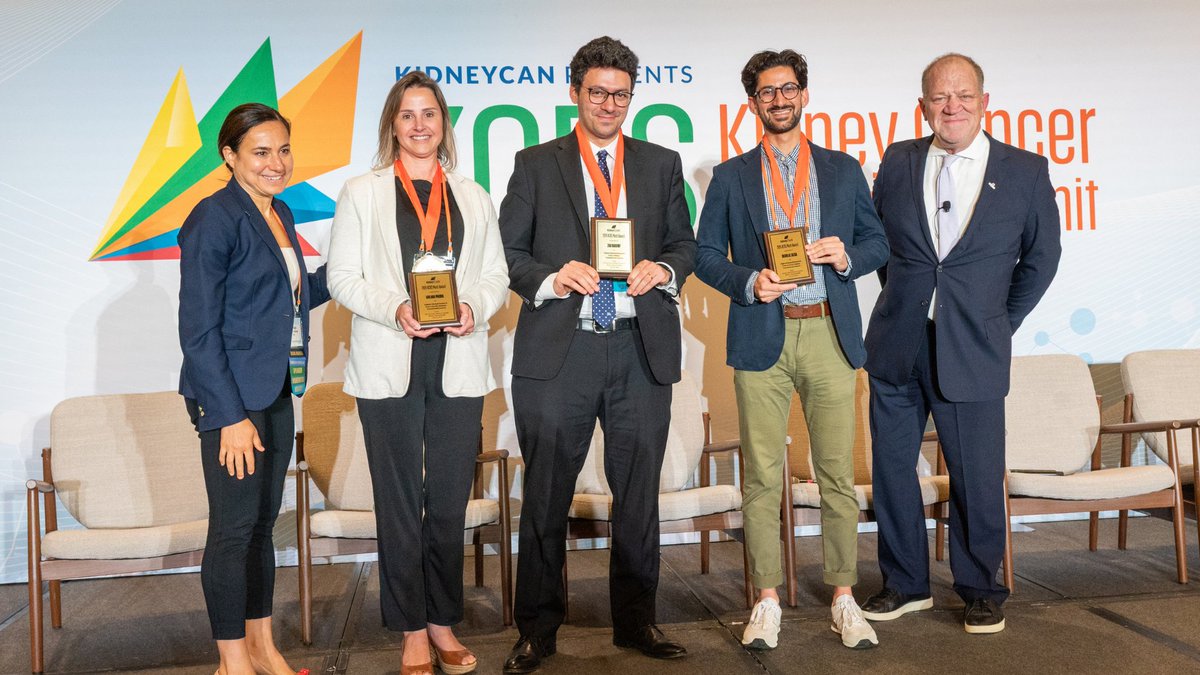
Congratulations to the recipients of the 2026 KCRS Merit Awards for Translational Science!
This year's honorees are:
• Giuliana Mognol, University of California, San Diego
• Ziad Bakouny, Memorial Sloan Kettering Cancer Center
• Nicholas Salgia, Roswell Park Comprehensive Cancer Center
Their outstanding research exemplifies the innovation and scientific excellence that define KCRS and helps accelerate discoveries from the laboratory to patients.
Congratulations on this well-deserved recognition!
#KCRS26 #AcceleratingCures