🚨Job Alert!🚨 @CWRUSOM is looking for a neuroanatomist to join the Dept. of Anatomy! Application details here https://t.co/fyHqHsFIUS Contact @dcpaleo with questions!
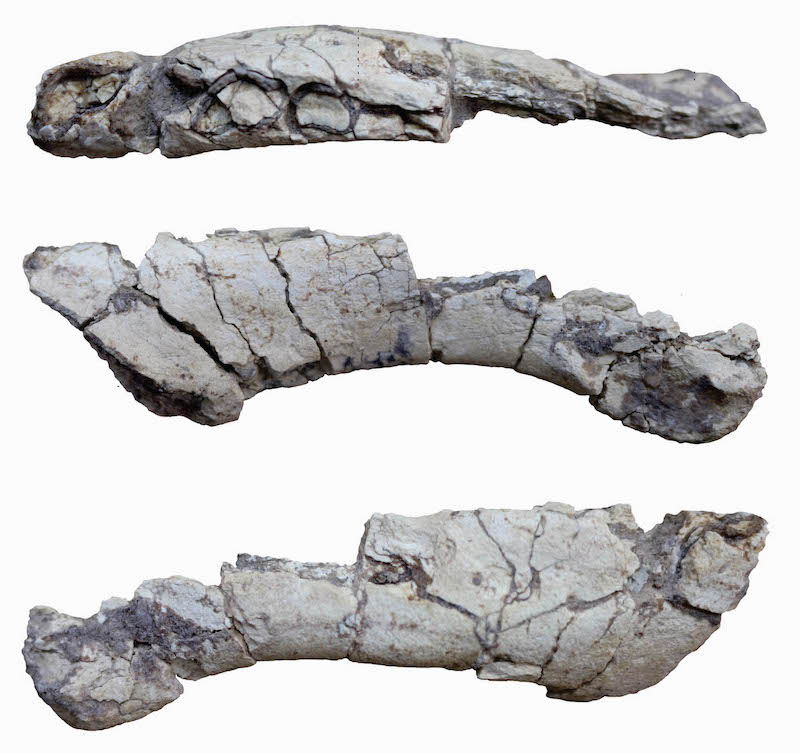
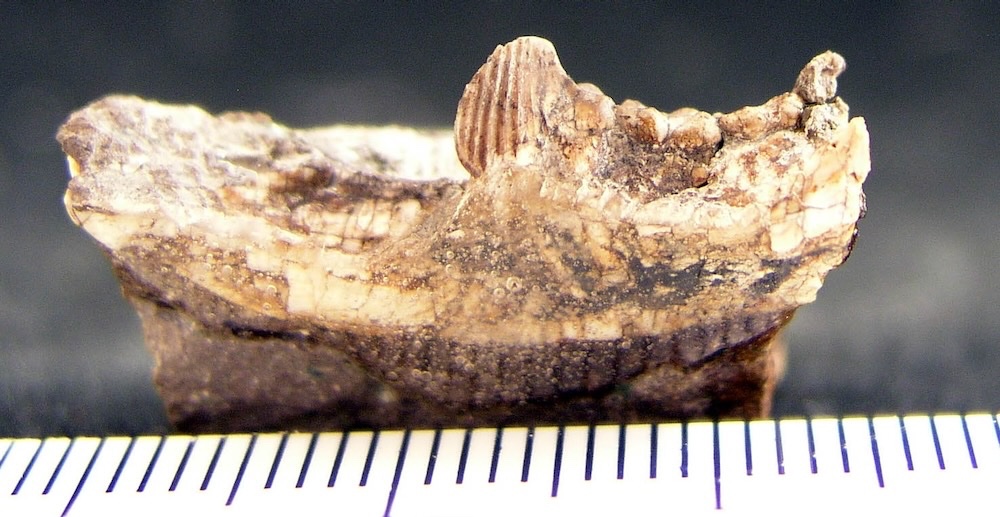
#FossilFriday 🇦🇷Partial lower jaw of the last horned #armadillo (~9-8 million years old): Epipeltephilus kanti from the #Miocene of San Juan, #Argentina. For more info and a discussion of the decline of this group, check out our recently published paper: https://t.co/BmECR4zMjE
#MammalMonday 🐿️🦇🦙🐒 Interested in estimating body mass for extinct groups of #mammals or #paleobiology? Check out our recently published J. of Mammalian Evolution article, which also includes new BM estimates for lots of #notoungulates: https://t.co/jrNFTgvN0p
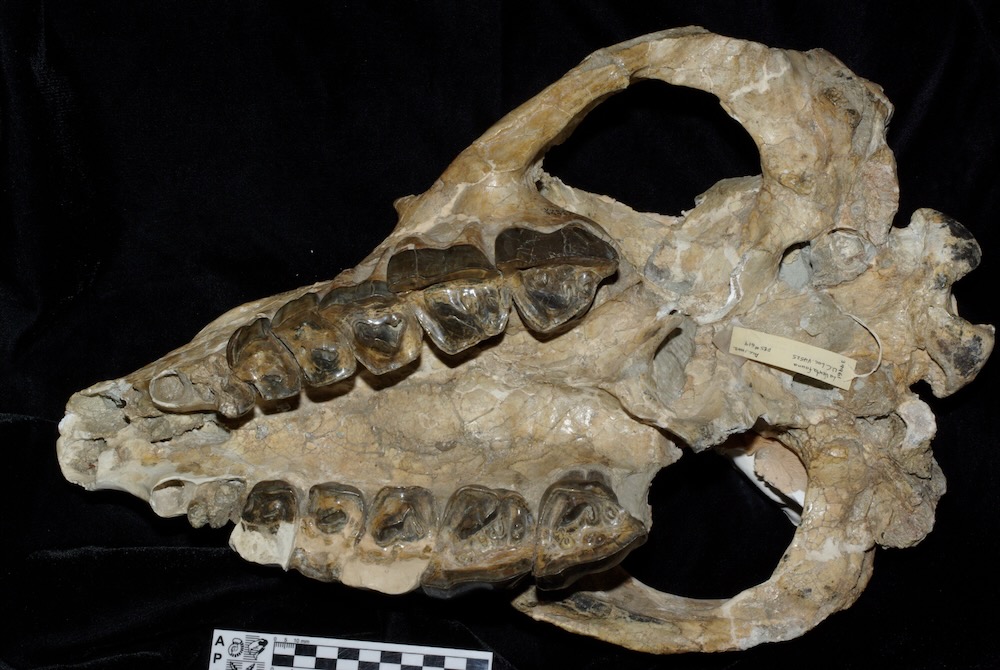
#FossilFriday 🇨🇴Photogenic #skull of the ~13 million-year-old #notoungulate Huilatherium pluriplicatum from La Venta, #Colombia. It was the last surviving member of its family (Leontiniidae) and one of the few #Miocene notoungulates with low-crowned #teeth. 🦷🦷🦷@ucmpberkeley
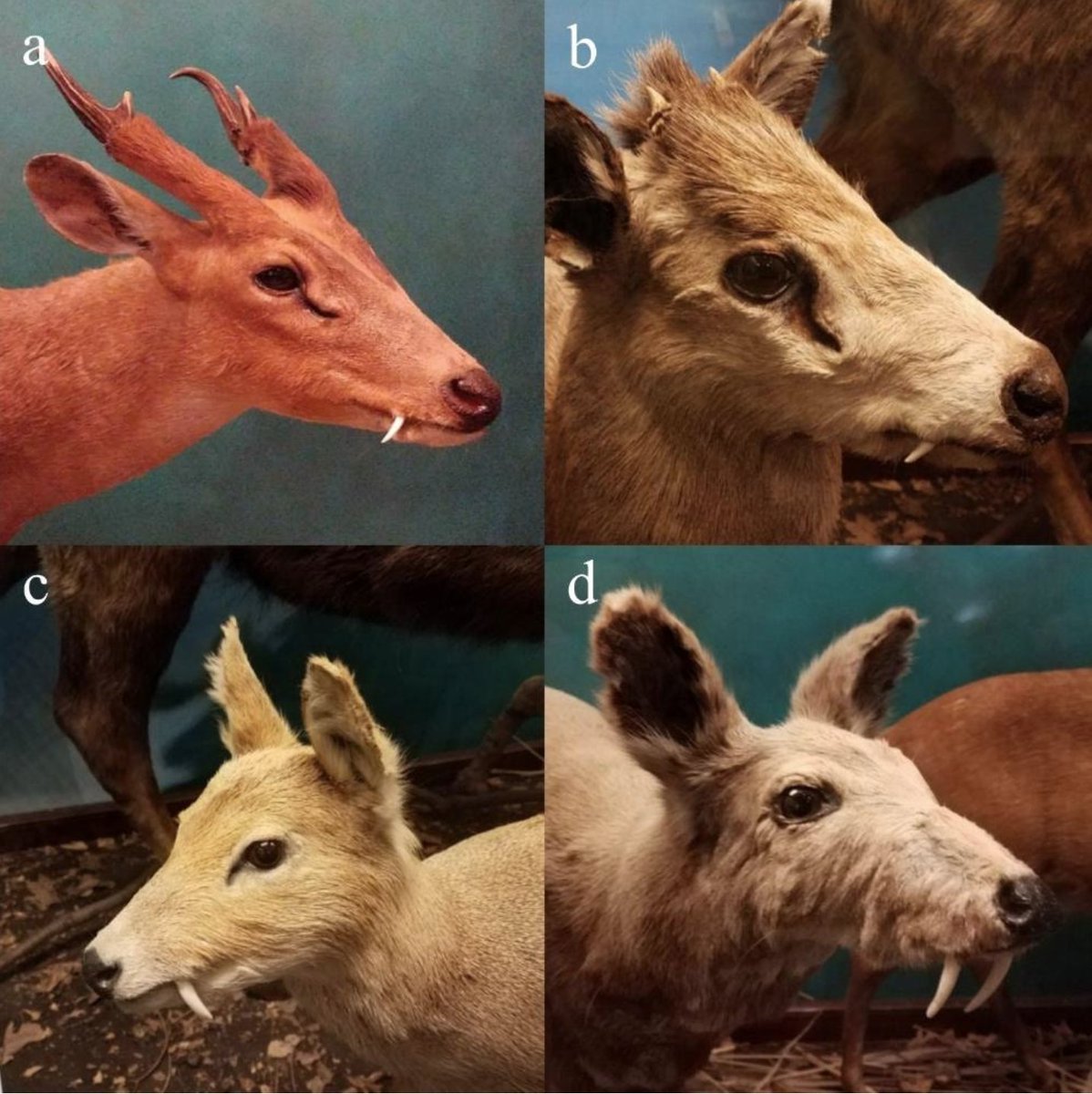
#MammalMonday 🐿️🦇🦙🐒#Deer can have big #antlers or big #tusks but not big antlers AND big tusks. 🦌Check out this article by @CSULBMammalLab from the March J. of Mammalian Evolution, which explores why this might be (using muntjaks and kin). https://t.co/DCaU6AL3Vb
#FossilFriday 🇦🇷 Beautiful articulated armor of the late #Miocene (~ 7 million yrs. old) #armadillo Macrochorobates from northwest #Argentina. About seven movable bands are visible toward the front (left), followed by a solid portion at the back (right). From @FieldMuseum
#MammalMonday 🦷A new histological study of #marsupial#tooth#development highlights differences between woolly opossums and other didelphids. Check out this article in the March issue of the J. of Mammalian Evolution. https://t.co/8hu1cD5TzP
@Thatofarose Probably, but I think it is mostly Paleozoic (> 250 million years old), which is far outside my wheelhouse. But there is also Megaloceros, the giant Irish deer! 🦌🦌🦌(This one is from @FieldMuseum). Check this out for more info on Irish fossils: https://t.co/8Q2ArdSmvV
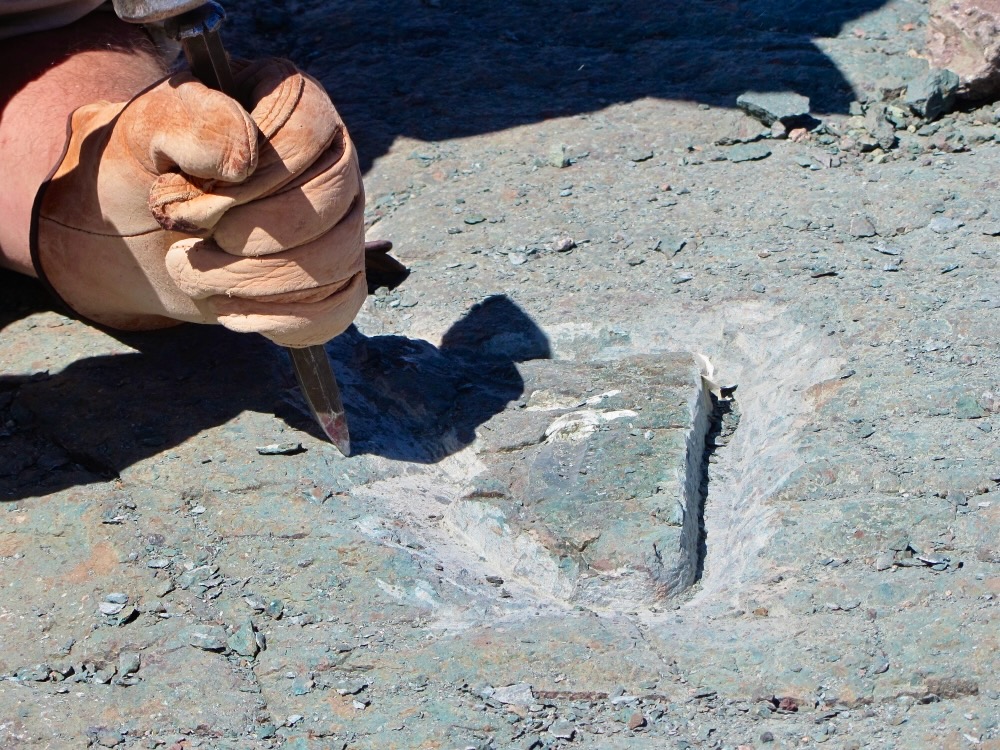
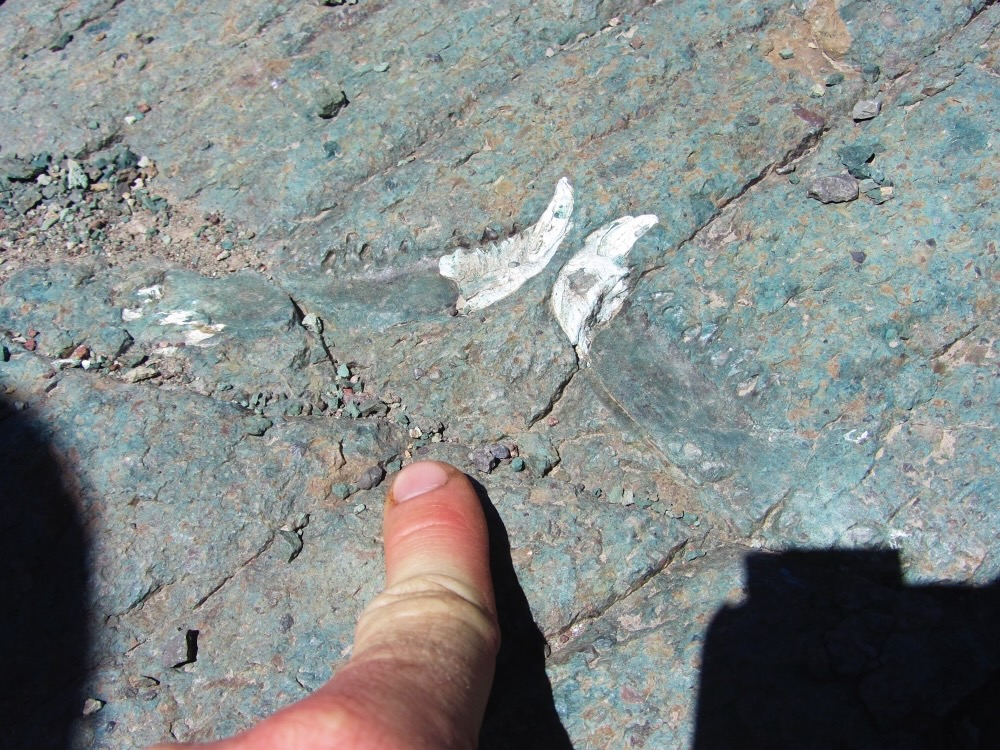
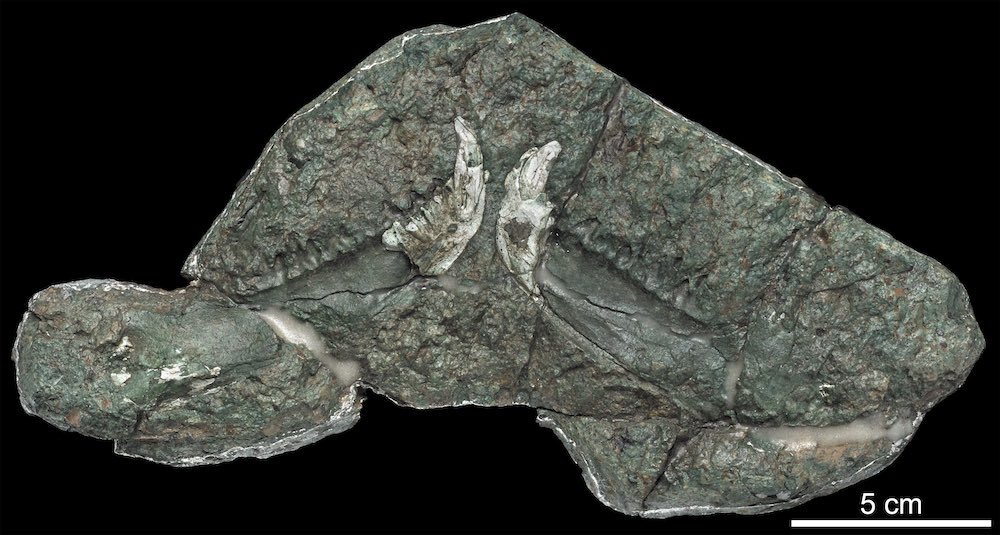
#FossilFriday ☘️🇮🇪☘️For St. Patrick's Day, the "green ghost" from #Chile: 🇨🇱Chlorocyon phantasma, a ~35 million-year-old meat-eating #marsupial, mostly preserved as natural molds of the lower jaw (in 🌋volcaniclastic rock). #OpenAccess details here: https://t.co/BekCD0OwvK
#MammalMonday 🇨🇳🦷🥔🥔🥔Magnificent #multituberculate material from #China tops the TOC lineup for the March issue of the J. of Mammalian Evolution. Read about the new species, Erythobataar ganensis, and its implications for #tooth homologies here: https://t.co/9JKVSqq02U
#MammalMonday 🐎🦴🇨🇦How good is a metapodial #bone for identifying a #Pleistocene#horse? Not very ☹️ (at least in E Beringia) - according to this article by @palaeozoe et al. (incl. @palaeoeco) from the Dec. J. of Mammalian Evolution. Read it here: https://t.co/sEqukqj8UA
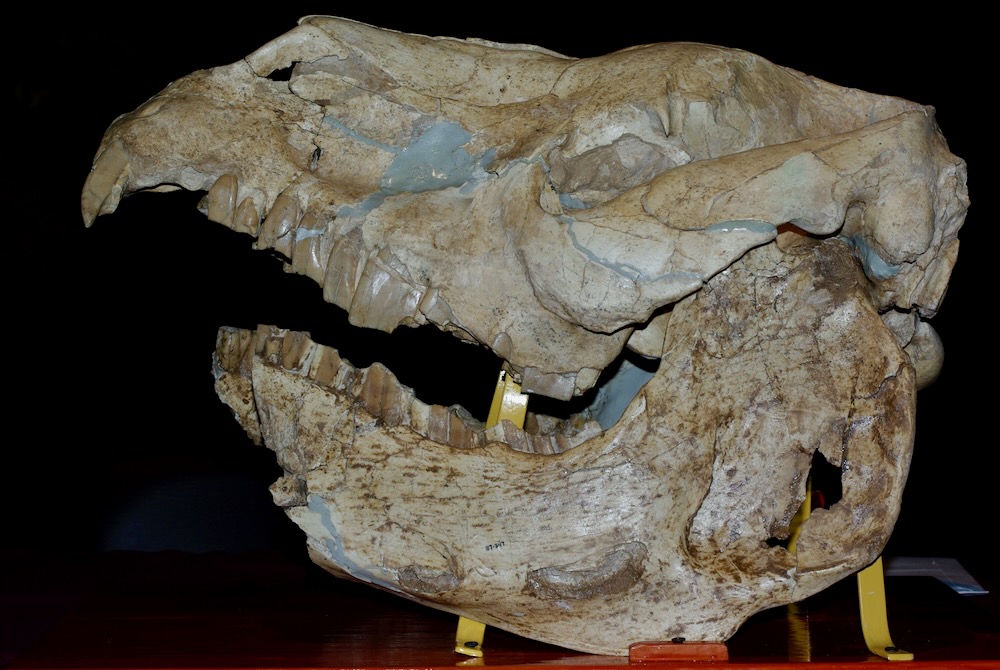
#FossilFriday 🇨🇱 Picturesque skull of the ~15 million-year-old #toxodont#notoungulate Palyeidodon obtusum from southern #Chile. It is the geologically oldest member of its family with ever-growing #molars. 🦷(No scale, but it is a cow-sized skull.) Collections of @MNHNcl
#MammalMonday 🐀🏝️🦷Incisor #enamel microstructure vs. ancient #DNA; which is correct regarding the evolutionary relationships of the extinct West Indian #rodent Elasmodontomys? Check out this recent J. of Mammalian Evolution article for details: https://t.co/bq2DnU9rQJ #teeth
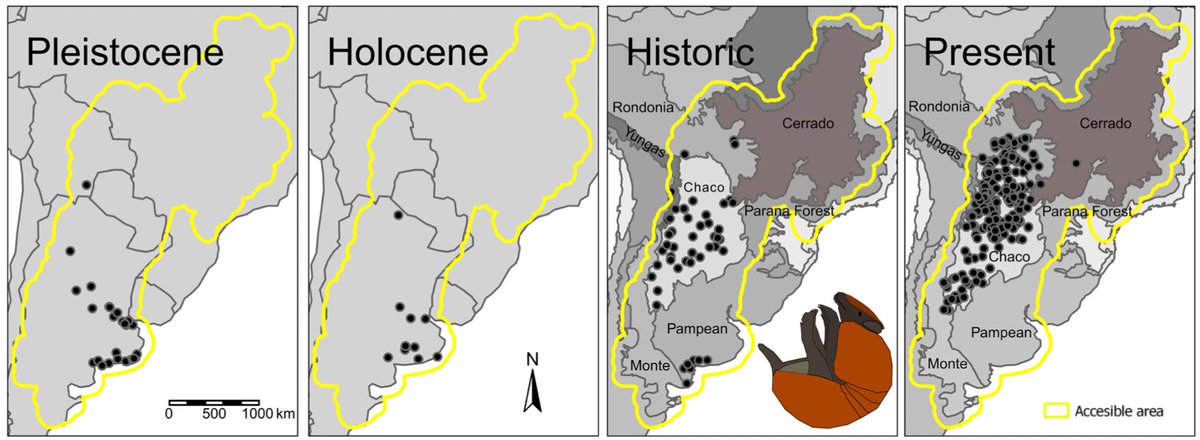
#MammalMonday 🇺🇾🇦🇷Check out this pair of #Pleistocene#armadillo paleoclimate papers from the December issue of the J. of Mammalian Evolution (starring Chaetophractus and Tolypeutes). https://t.co/upsparOXio https://t.co/oaxhraDaSR
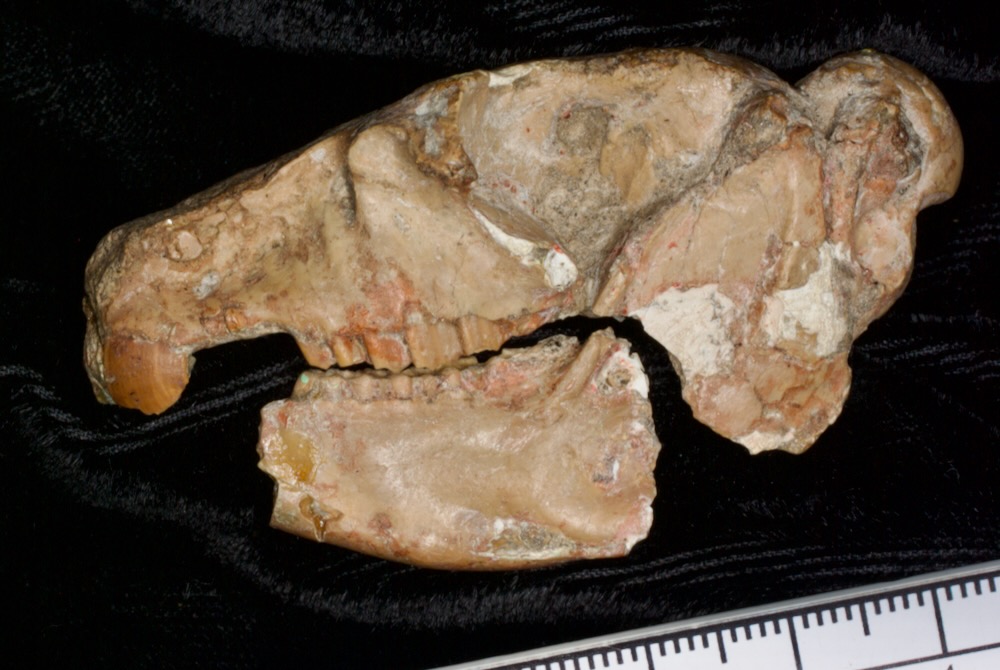
#FossilFriday 🇦🇷💀Partial skull of the tiny (~1 lb./ 500 g) #notoungulate Tremacyllus from the #Pliocene of northwest #Argentina. You would be forgiven if you thought it was from a 🐿️ or 🐇 at first glance!
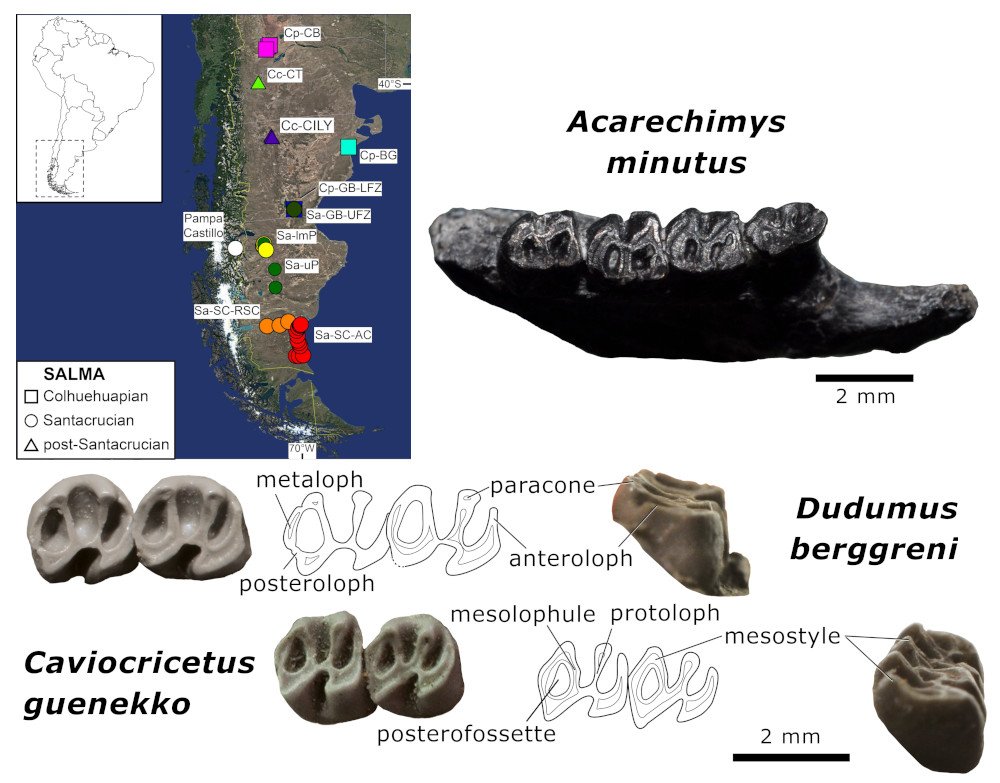
Caviomorphs from Pampa Castillo, Chile: new octodontoid records & biochronological implications https://t.co/Q9T7qsFbDv @dcpaleo@datadryad @wileyearthspace
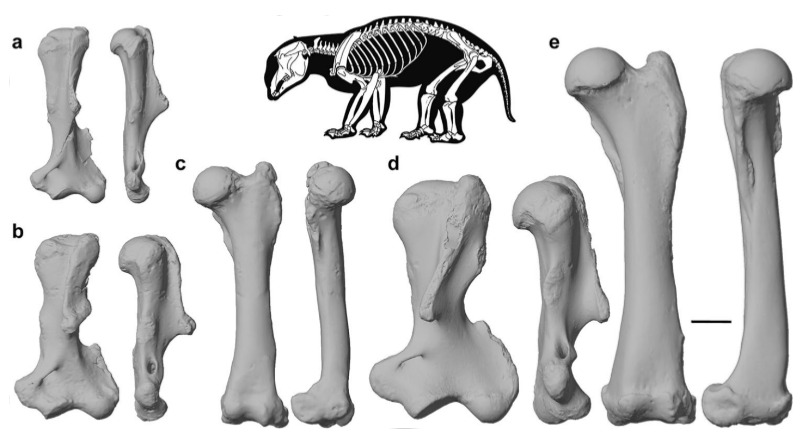
The next paper from my PhD is out now!
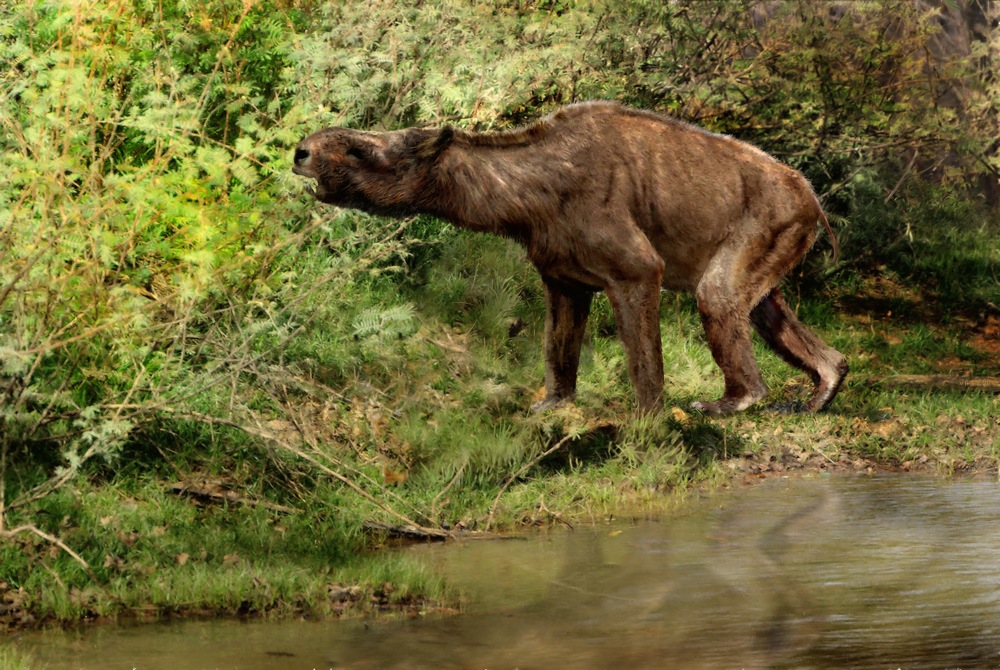
Palorchestid arms are robust and weirdly proportioned relative to their legs. Maybe limb shapes in living species can help us understand what these extinct marsupials were up to?
Journal of Mammalian Evolution: https://t.co/ASkZXIDYyj 1/x
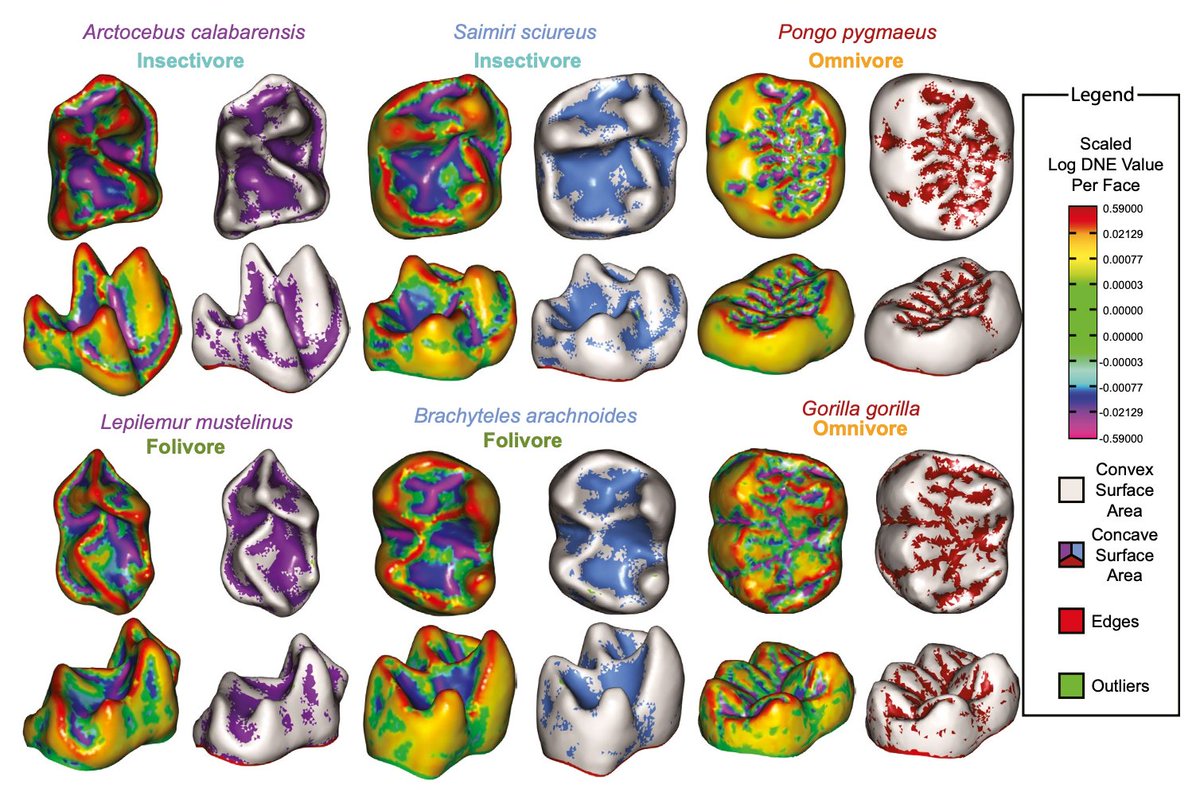
#MammalMonday 🦷🐒🏔️If you are interested in how tooth shape varies with diet in mammals, check out this improved approach for measuring tooth topography using DNE and the R-package molaR - from the Dec. issue of the J. of Mammalian Evolution. #teeth https://t.co/777lcjf6fJ
#FossilFriday 🇨🇱🦷PLUS... the example extends to several groups of #marsupials, as can be seen in this ~17 million-year-old lower jaw of an abderitid from #Chile (which are distant relatives of modern shrew-opossums). But in this group, it is the first molar that is blade-like.
Plagiaulacoid dentition, my favorite example of convergent #evolution. Left, Carpolestes, a #primate relative. Right, Mesodma, a #multituberculate. Both groups evolved blade-like premolars, procumbent incisors, and bunodont molars #FossilFriday@yalepeabody