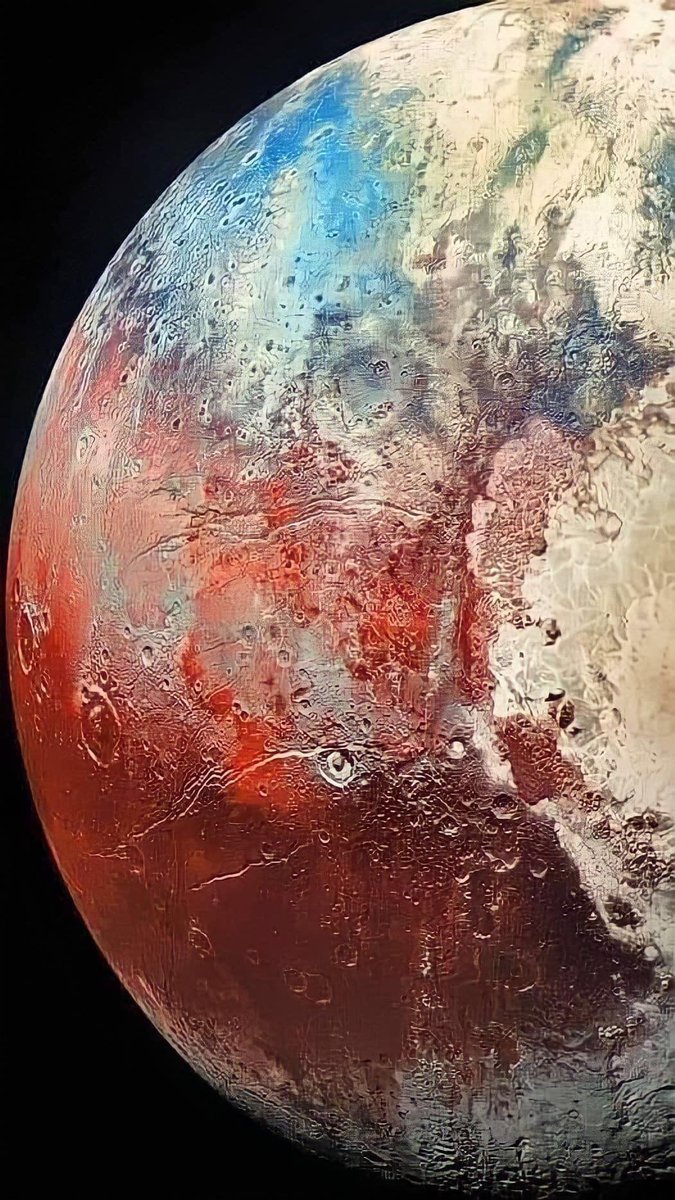
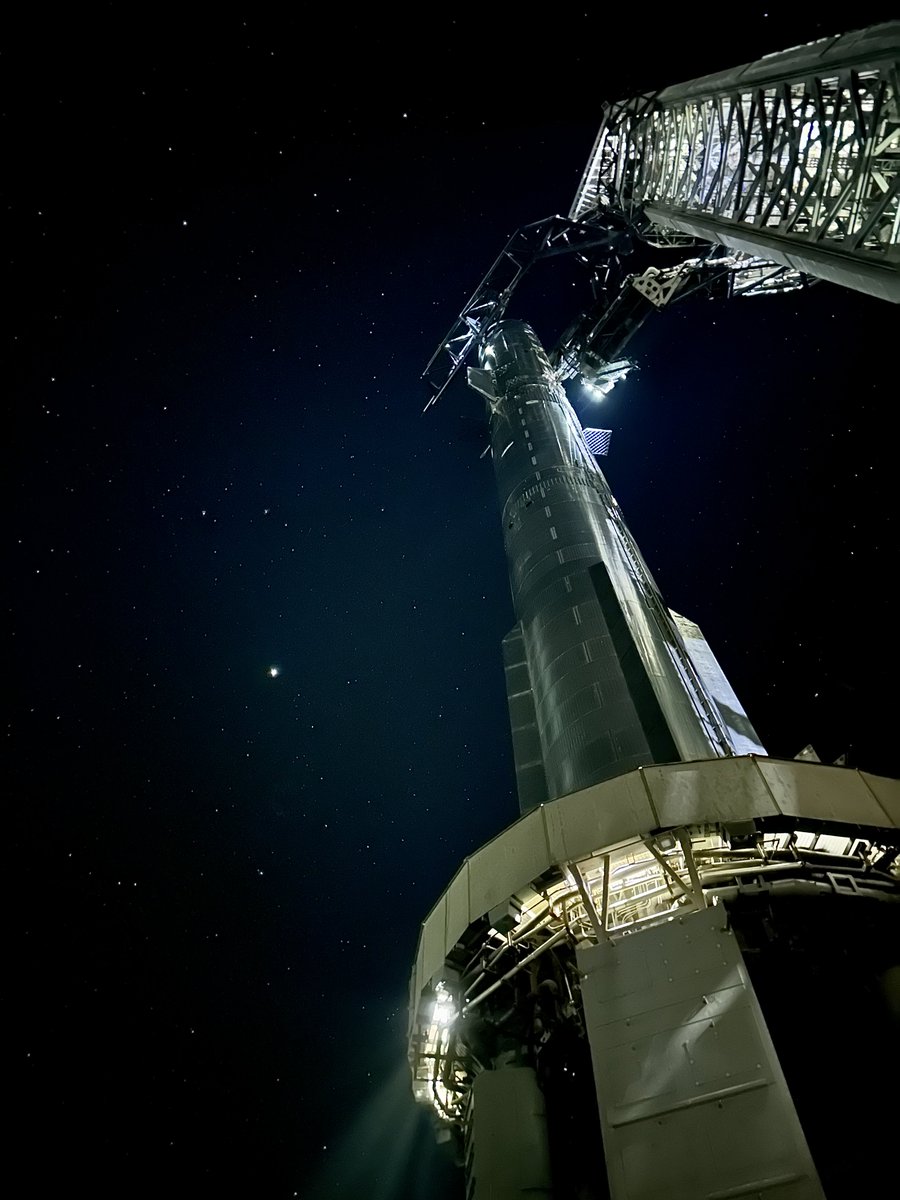
Sagittarius A* (Sgr A*) is a supermassive black hole located at the center of the Milky Way galaxy, with a mass approximately 4 million times that of the Sun. Its proximity offers unique insights into black hole physics and galactic dynamics.
Sagittarius A* is an astronomical radio source situated at the core of our galaxy in the constellation Sagittarius. Identified as a supermassive black hole, it has a mass approximately 4 million times that of the Sun. Despite its significant mass, its apparent size in the sky is relatively small due to its distance from Earth, approximately 26,000 light-years. The study of Sgr A* has profound implications for our understanding of black holes, galaxy formation, and the dynamics of stellar systems in the vicinity of such massive objects.
Sgr A* was first identified through radio observations in the early 1970s. Bruce Balick and Robert Brown provided compelling evidence of a compact radio source at the galactic center. Subsequent observations across various wavelengths, including infrared and X-ray, confirmed the presence of an extremely dense and massive object, consistent with theoretical predictions of a supermassive black hole.
Mass and Size: Sgr A* has an estimated mass of about 4 million solar masses (M☉). The Schwarzschild radius, or the event horizon, of a black hole of this mass is approximately 12 million kilometers. However, due to its distance, the angular size is about 37 microarcseconds, making it challenging to resolve with telescopes.
Event Horizon Telescope: The @ehtelescope project, a global array of radio telescopes, produced the first image of a black hole's event horizon in the galaxy M87 in 2019. In 2022, the EHT collaboration released the first image of Sgr A*, providing direct visual evidence of the black hole's shadow and accretion disk. This image is a critical milestone in understanding the nature of supermassive black holes and testing general relativity under extreme conditions.
Accretion Disk and Emissions: Sgr A* emits across the electromagnetic spectrum, from radio waves to X-rays. These emissions are primarily due to the accretion of gas and dust onto the black hole, forming an accretion disk. The variability in these emissions offers insights into the dynamics of the material surrounding the black hole.
Stellar Orbits: The motion of stars in close proximity to Sgr A* has been tracked over decades, providing critical evidence for the black hole’s mass. The most notable example is the star S2, which orbits Sgr A* with a period of 16 years, approaching as close as 17 light-hours to the black hole.
Flares and Variability: Sgr A* exhibits variability on timescales ranging from minutes to hours. These flares are thought to result from changes in the accretion flow, magnetic reconnection events, or interactions with nearby stellar material.
Galactic Center Dynamics: The region around Sgr A* is dense with stars, stellar remnants, and molecular clouds. The gravitational influence of the black hole plays a crucial role in shaping the dynamics and evolution of the galactic center.
Recent studies (links bellow) have focused on constraining the presence of any potential companions to Sgr A*. Theoretical and observational efforts aim to detect or rule out smaller black holes or other massive objects that could be gravitationally bound to Sgr A*. Such companions could affect the dynamics of nearby stars and the accretion processes, leading to observable deviations in the behavior of the system.
Companion Constraints: The team of Will et al. investigated the possibility of a companion object to Sgr A* by analyzing the orbits of nearby stars and the motion of gas clouds. Their findings suggest stringent limits on the mass and distance of any potential companion, reinforcing the solitary nature of Sgr A* within its immediate vicinity.
Accretion Dynamics: Detailed studies of the accretion disk and the variability of emissions from Sgr A* provide further constraints on the environment around the black hole. The faint X-ray emissions detected by NASA’s @chandraxray, for instance, indicate that much of the material initially captured by the black hole's gravity is expelled rather than accreted.
Testing General Relativity: Sgr A* provides a natural laboratory for testing the predictions of general relativity in the strong-field regime. Observations of stellar orbits and relativistic effects near the event horizon are crucial for these tests.
Black Hole Growth and Feedback: Understanding the accretion processes and feedback mechanisms in Sgr A* can shed light on the growth of supermassive black holes and their influence on galaxy evolution. The energy output from such black holes can regulate star formation and impact the interstellar medium.
Galactic Dynamics and Evolution: The study of Sgr A* contributes to our understanding of the formation and evolution of the Milky Way. The interplay between the black hole and its surrounding environment provides insights into the history of our galaxy.
References.
Will, C. M., Naoz, S., Hees, A., Tucker, A., Zhang, E., Do, T., & Ghez, A. (2023). Constraining a Companion of the Galactic Center Black Hole, Sgr A*. https://t.co/a55nPpwarC
Balick, B., & Brown, R. L. (1974). Intense sub-arcsecond structure in the galactic center. https://t.co/R9bpzq9Isx
Ghez, A. M., et al. (2008). Measuring Distance and Properties of the Milky Way's Central Supermassive Black Hole with Stellar Orbits. https://t.co/eopbFpPjrQ
Event Horizon Telescope Collaboration. (2019). First M87 Event Horizon Telescope Results. I. The Shadow of the Supermassive Black Hole. https://t.co/INczpsMBqf
Morris, M., & Serabyn, E. (1996). The Galactic Center Environment. https://t.co/ZCgHOy9qDg
Yuan, F., Narayan, R., & Rees, M. J. (2004). Formation of Hot Accretion Flows by Sgr A* at the Galactic Center. https://t.co/hEcNYZhXpk
➡️ The Event Horizon Telescope (@ehtelescope) produced the first image of Sagittarius A* (Sgr A*) in 2022. This achievement was a significant milestone in astrophysics, offering a direct visual confirmation of the existence of the supermassive black hole at the center of our galaxy. Here are the key details about how the EHT image of Sgr A* was made:
The EHT is not a single telescope but a global network of radio observatories working in concert to create a virtual Earth-sized telescope. This technique, known as Very Long Baseline Interferometry (VLBI), allows us to achieve extremely high angular resolution.
Telescopes Involved: The EHT network comprises several radio telescopes spread across the globe, including facilities in North America, South America, Europe, and Antarctica. This widespread network maximizes the resolution by utilizing the Earth’s diameter as the baseline.
Observing Campaign: The observations that led to the image of Sgr A* were conducted over multiple nights in April 2017. The EHT collaboration coordinated these observations to ensure all telescopes were pointed at the galactic center simultaneously.
Imaging Process.
Data Collection: Each telescope in the EHT network collected radio waves emitted by the hot gas surrounding Sgr A*. These data were recorded with precise atomic clocks to timestamp the signals accurately.
Data Volume: The amount of data collected was enormous, amounting to petabytes. Due to the sheer volume, the data were stored on physical hard drives and transported to central processing facilities for analysis.
Correlation and Calibration: At the central processing facilities, the data from all telescopes were combined. This process, called correlation, involves matching the time-stamped signals from each telescope to reconstruct a coherent picture of the radio source. Calibration was crucial to correct for differences in the individual instruments and atmospheric conditions.
Image Reconstruction.
Algorithm Development: Specialized algorithms were developed to process and interpret the correlated data. These algorithms are designed to handle the sparse and noisy data typical of VLBI observations. Techniques such as regularized maximum likelihood (RML) and CLEAN were used to produce the final image.
Computational Effort: The image reconstruction required significant computational resources. The data were processed using supercomputers, and the analysis involved numerous iterations and simulations to ensure the reliability of the image.
Final Image: The resulting image of Sgr A* revealed a bright ring structure with a dark central region, which is the shadow of the black hole. The bright ring corresponds to the photon ring, where light from the hot gas orbits the black hole before escaping, while the shadow is the silhouette of the event horizon.
Validation of Theories: The EHT image of Sgr A* provides strong evidence supporting the predictions of general relativity. The observed shadow size and shape match closely with theoretical models of black holes.
Accretion Processes: The image helps in understanding the accretion processes around Sgr A*. By studying the brightness and variability of the ring, scientists can infer properties of the material falling into the black hole and the dynamics of the surrounding accretion disk.
The success of the EHT in imaging Sgr A* paves the way for further improvements. Future observations aim to achieve higher resolution and sensitivity, potentially revealing more details about the structure and behavior of the black hole’s immediate environment. Upgrades to the existing telescopes and the addition of new facilities to the EHT network will enhance its capabilities, enabling even more precise tests of fundamental physics.
So....The image of Sgr A* produced by the EHT is a computer-generated reconstruction based on real observational data. While it is not a direct photograph, it is a scientifically accurate representation derived from sophisticated data processing and modeling techniques. ⬅️
A cubic window is possibly not the most practical design and it's certainly a non-standard architectural solution: howerer, it is so appealing, that it's like a passage to a parallel world
[Design by Lencois Jeju]
Variedad de copos de nieve vistos bajo un microscopio.
Cada copo de nieve es único. Los copos son todos de forma hexagonal; esto es normal, la estructura molecular del agua que cristaliza a baja temperatura siempre conduce a esta configuración con seis ramas.
La probabilidad de que ya hayan caído dos copos de nieve idénticos es ridículamente pequeña. Por lo tanto, parece seguro decir que todos los copos de nieve son únicos.
Hay que decir que cada cristal de nieve por sí solo contiene 1019 moléculas de agua, o diez billones de billones, lo que ayuda a explicar por qué las combinaciones son increíblemente numerosas.
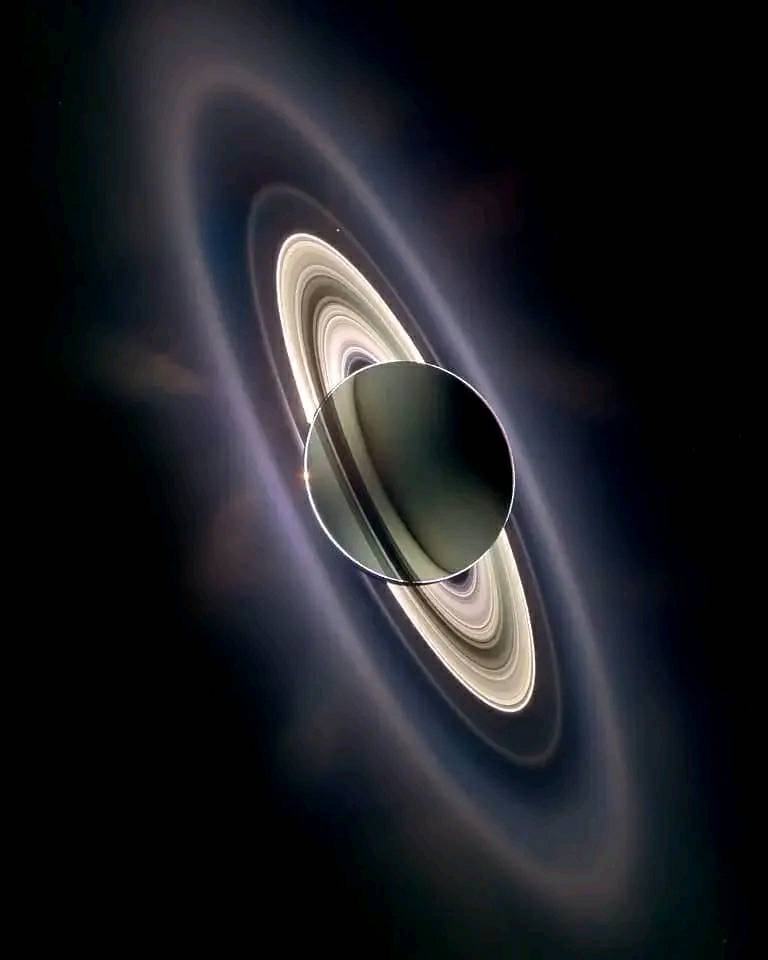
This one is completely different, for in this image, Saturn is eclipsing the sun. At the center of the image is the body of the gas giant, which in itself is partially lit by the reflection of light from its ring system.
📷 NASA/JPL-Caltech
"While #spacewalking I realized something: I used to think I was scared of heights but now I know I was just scared of gravity." Astronaut Reid Wiseman
https://t.co/HlWpHTVLeV





![Rainmaker1973's tweet photo. A cubic window is possibly not the most practical design and it's certainly a non-standard architectural solution: howerer, it is so appealing, that it's like a passage to a parallel world
[Design by Lencois Jeju] https://t.co/aPk7qnRCz9](https://pbs.twimg.com/media/GDOmJRJWYAAxGgZ.png)


![Rainmaker1973's tweet photo. Four seasons in the same place: Žabokreky, Slovakia
[📸 Jozef Morgos] https://t.co/10ua13LKM8](https://pbs.twimg.com/media/F_PWOLVWIAACllR.jpg)