🚨 We’re putting “AI” into everything. But how reliable, safe and trustworthy is it really?
AI-powered language technologies now translate emergency bulletins, mediate everyday conversations, and even support clinical workflows. The fluency is impressive… and that’s precisely the problem: fluency can hide unreliability, unpredictable errors, and uneven performance across languages and user groups.
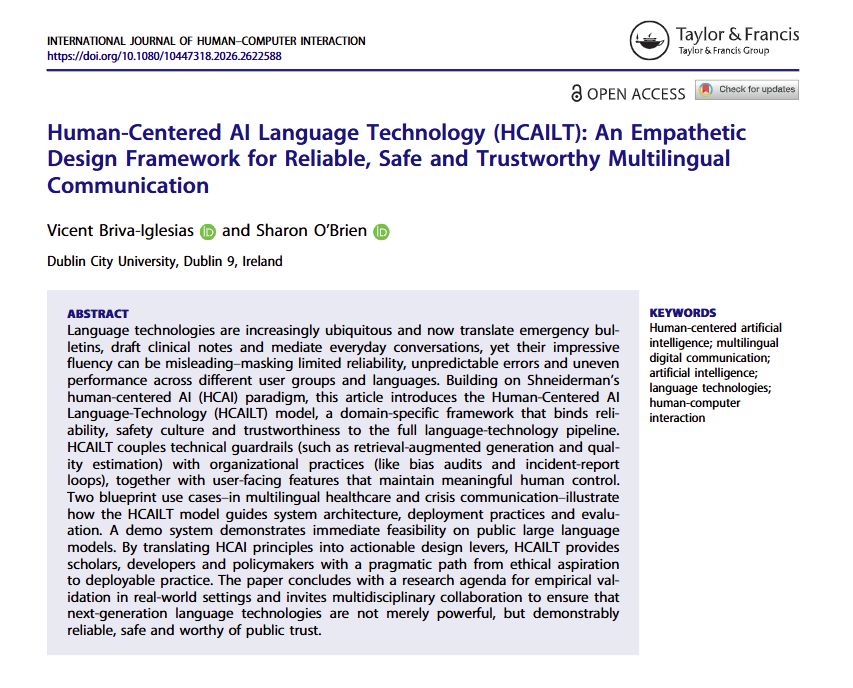
That’s why Sharon O'Brien and I introduce the Human-Centered AI Language Technology (HCAILT) model in a new, open access paper: an empathetic design framework to move from ethical aspiration to deployable practice in multilingual communication, building upon Ben Shneiderman's HCAI paradigm.
HCAILT operationalises three non-negotiables across the full language-tech pipeline:
✅ Reliability (consistent, domain-appropriate outputs)
✅ Safety culture (governance, AI literacy, reporting loops, bias audits, privacy-by-design - not just disclaimers)
✅ Trustworthiness (interfaces that make uncertainty visible and decisions contestable)
What drives HCAILT? Two drivers that keep the focus where it belongs:
1️⃣ Augment human cognition → reduce cognitive load and support accurate decision-making in multilingual settings.
2️⃣ Augment information dissemination → deliver rapid, context-appropriate multilingual communication in both routine and life-critical scenarios.
Two blueprint cases (where failure is not an option):
🏥 Healthcare communication: language barriers affect diagnosis, consent, rapport, and adherence. "Good enough" translation can still be unsafe.
🌪️ Crisis communication: misinformation, ambiguity, or latency can cost lives, and multilingual delivery must work under pressure (and often under connectivity constraints).
A call to the community:
We’re inviting industry, researchers, practitioners, and policymakers to test HCAILT across real multilingual communication settings. Importantly: “reliability”, “safety”, and “trustworthiness” aren’t abstract/utopian ideals, they’re context-dependent design requirements. So, in your specific use case:
- What does reliability actually mean? (Consistency? Domain fit?)
- What counts as safety? (Harm thresholds? Escalation routes? Accountability?)
- How do you define trustworthiness? (Transparency? Contestability? User control?)
And the key question: how can we design for those properties from the very beginning? If you’re working with multilingual AI in any setting (public services, crisis response, education, legal, business…), we’d love to hear what your “non-negotiables” are.
🎉 Two big updates from
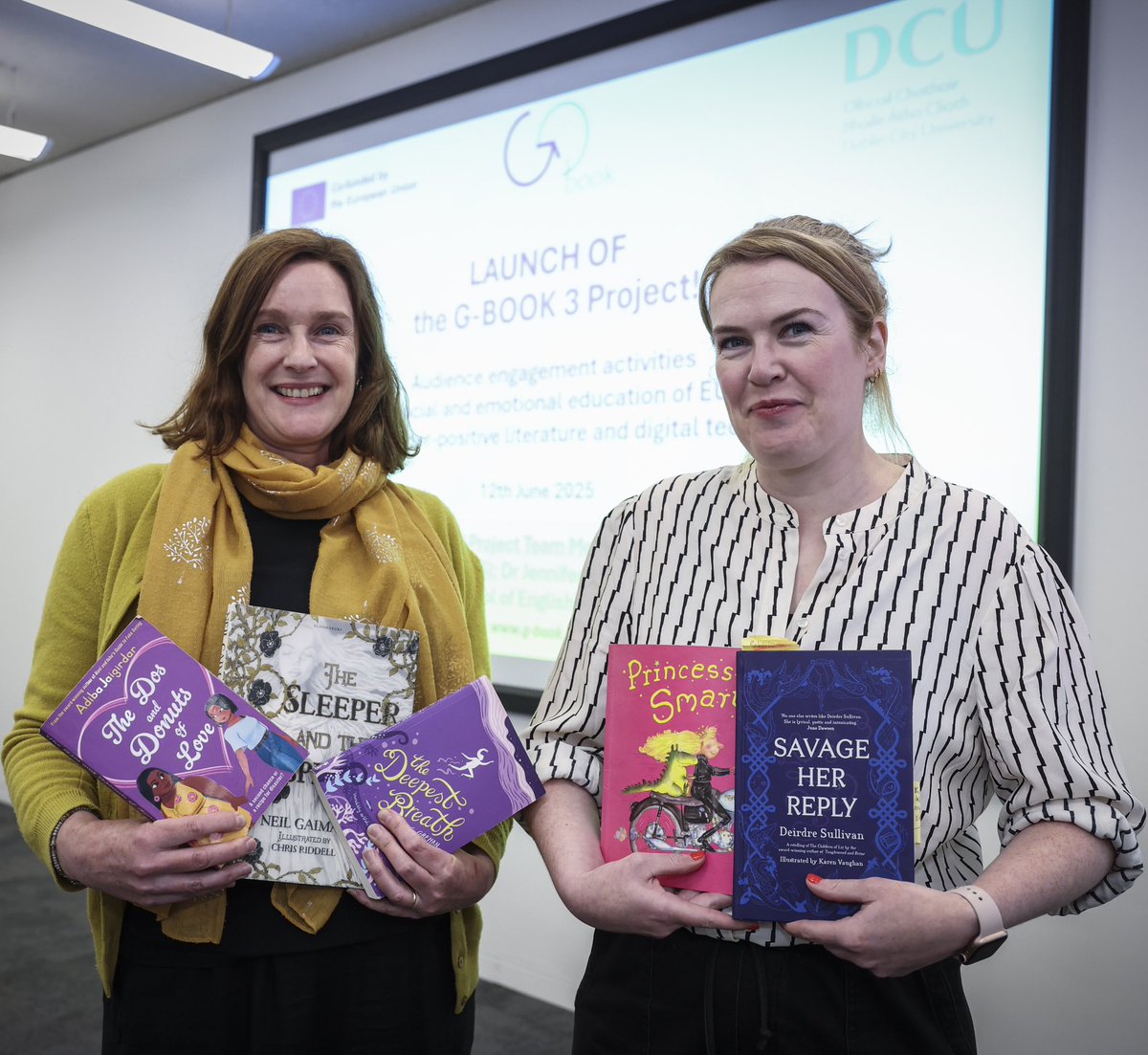
1️⃣ Launch of G-Book 3 at #DCUPride: promoting gender-positive lit in 10 EU languages. DCU awarded €98K! 👉 https://t.co/FZDBCrsqc6
2️⃣ Book launch at #IRSCL2025 📚
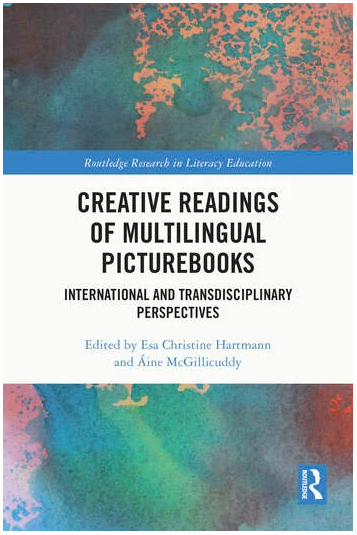
Creative Readings of Multilingual Picturebooks, co-ed. by our Áine McGillicuddy
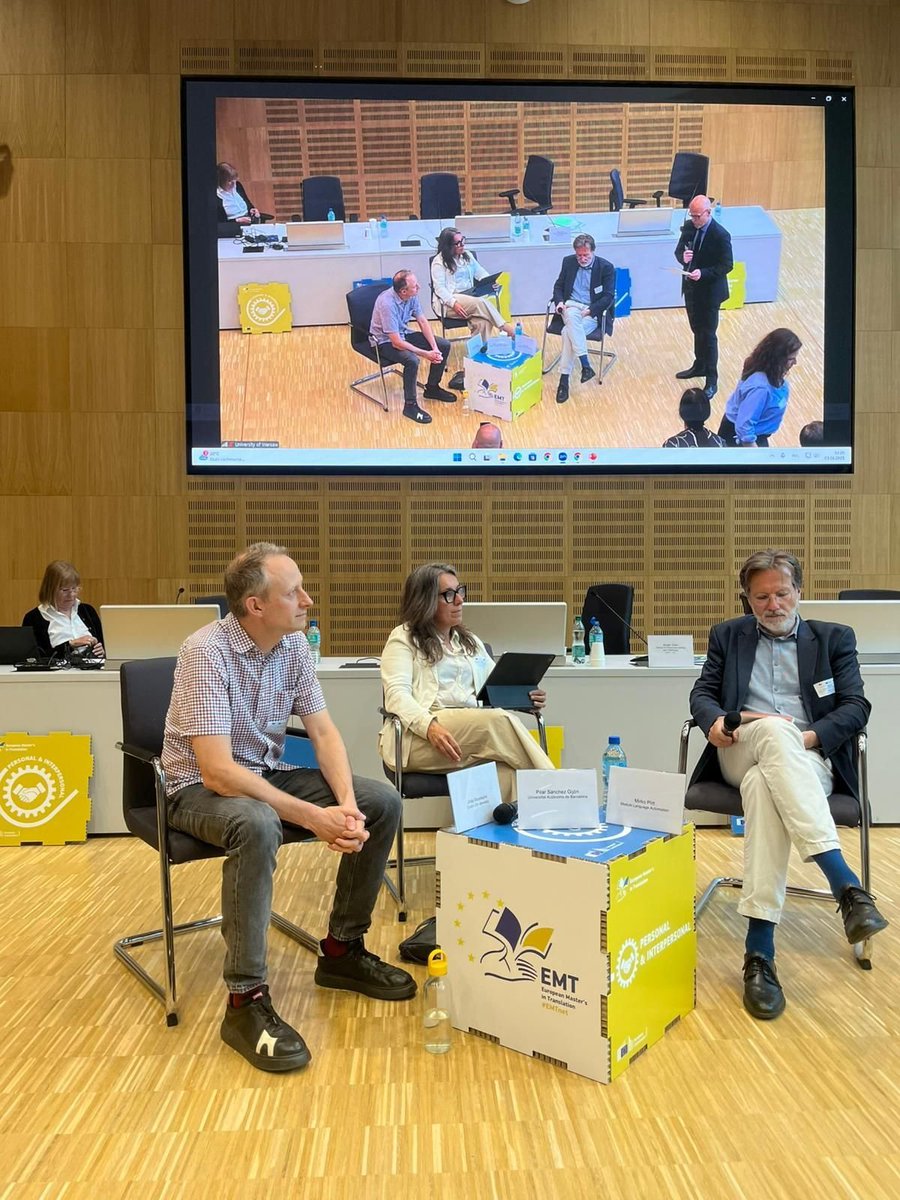
Joss Moorkens and @_SheilaCastilho represented our MA in Translation Studies & MSc in Translation Technology this week at the European Masters in #Translation Network #EMTnet meeting, collaborating with and learning from @translatores and colleagues from across Europe!
I'm delighted to be involved in this exciting and much needed Horizon Europe project on fostering linguistic capital in Europe. Our @DCU@AdaptCentre team will work on WP5: Counteracting digital exclusion: IT tools and resources for lesser-used languages @DcuSalis
Keen to acquire in-depth knowledge relating to societal debates & perspectives around gender & sexuality? Analyse & understand SOGI matters in Irish, European & global contexts: https://t.co/TCHQXG32g7 @DCUSalis@DCUAlumni@TeamDCU
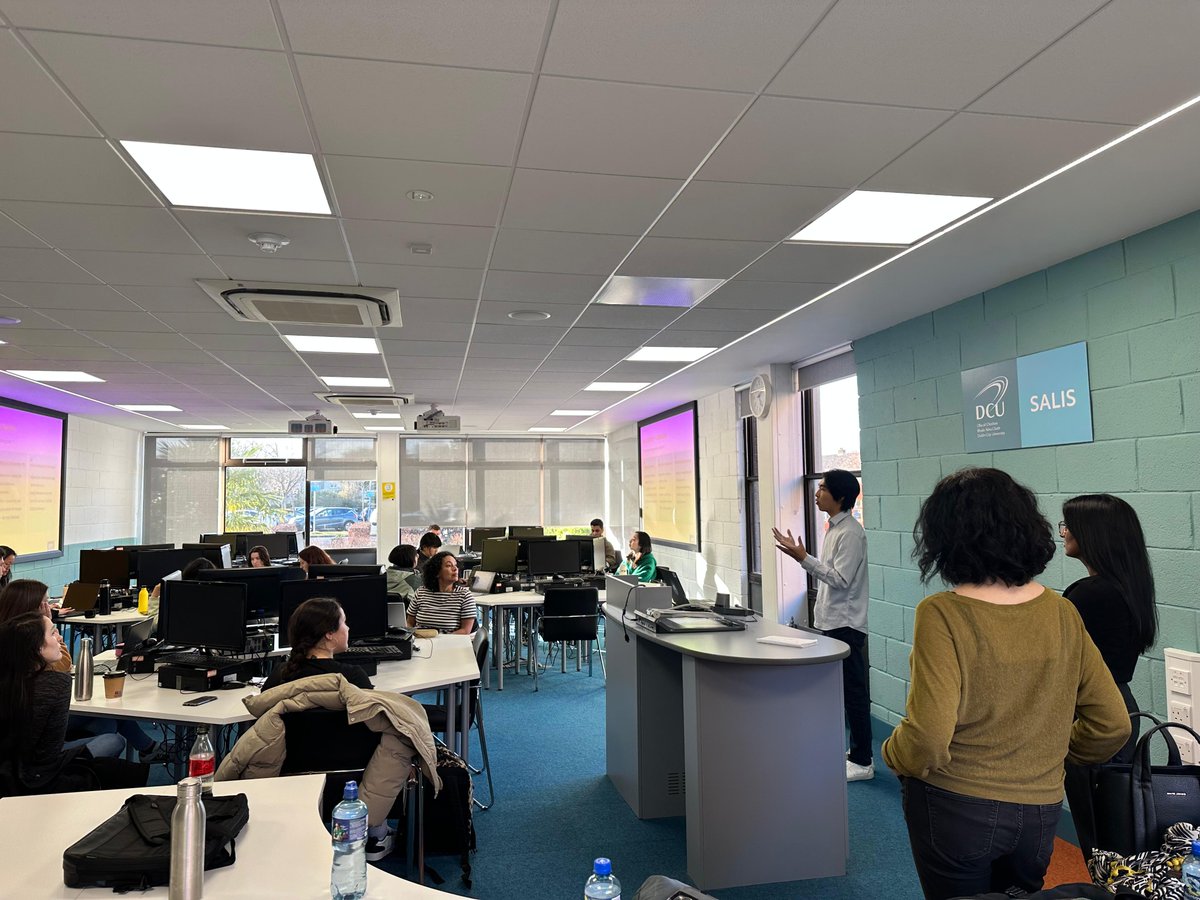
Localisation Guest Talks – Day 3
What a REAL pleasure to welcome not one, but three fantastic professionals from the Globalization team at Zoetis!
Huge thanks to Esther Curiel (Manager), Chandana Gobbi (Product Manager), and Ziyi (Ian) Zhang (MT & LLM Specialist) for such an insightful and eye-opening session—covering career paths and localisation tasks from early to senior levels.
A special moment: Ian, a DCU MSc in Translation Tech graduate, was sitting in the audience just last year. Full-circle and proud professor moment!
Our MTS and MTT students at @DCU/@DcuSalis are lucky to have this access to industry expertise.
Thanks again to Esther for making this visit possible—and to all three of you for your generosity and energy.
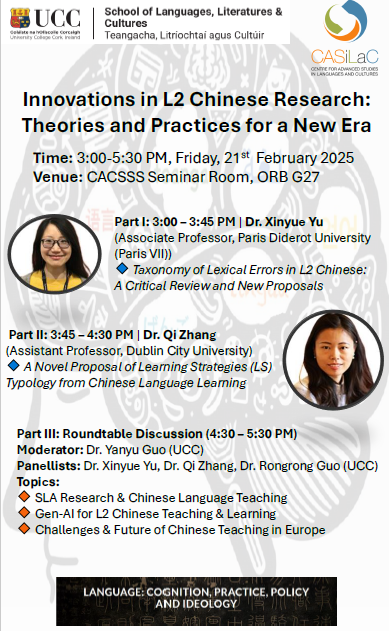
Dr Qi Zhang recently delivered an invited talk on “A Novel Proposal of Learning Strategies Typology from Chinese Language Learning” at UCC as part of the Innovations in L2 Chinese Research event, funded by CASiLaC. #L2Chinese#LanguageLearning#CASiLaC#UCC
📢 New Book Alert! 📚
Our Áine McGillicuddy co-edits Creative Readings of Multilingual Picturebooks (Routledge, March 2025)!
This volume explores how multilingual picturebooks foster language learning, literacy & intercultural awareness across languages & global contexts
Not sure how many people are around here but my latest article is out: 'Language and trust: Struggles for recognition of migrant people in the political realm' @DcuSalis@FuJoMedia Open Access & supported by @IrishResearch & @HumanitiesDCU
https://t.co/5D1xLu6JaN
🚀 Call for Papers – Special Issue in Linguistica Antverpiensia (Q1 Journal)!
🔍 Human-Centered, Augmented Machine Translation (HCAMT) – a paradigm shift in MT research! Instead of just making AI bigger & faster, let’s explore how human-centered approaches can enhance user experience, augment human capabilities, and redefine collaboration between humans & technology.
We're guest-editing a Special Issue (with @SharonNiBhriain/@DcuSalis/@HumanitiesDCU/@DCU) and invite contributions that challenge conventional MT paradigms and push forward augmentation-focused research in translation & interpreting.
📌 Key Topics:
✅ New methodologies for human-MT interaction & UX (MTUX)
✅ How MT can augment rather than replace human capabilities
✅ Diversity, inclusion & ethical challenges in HCAMT
✅ Empowering translators, interpreters & multilingual communication via AI and MT
📅 Deadlines:
🔹 Abstracts: 1 May 2025 (500-1000 words)
🔹 Full Papers: 1 Dec 2025 (~8,000 words)
📩 Submit to: [email protected] & [email protected]
📢 RT & share with your network! Link to full CfP in comments
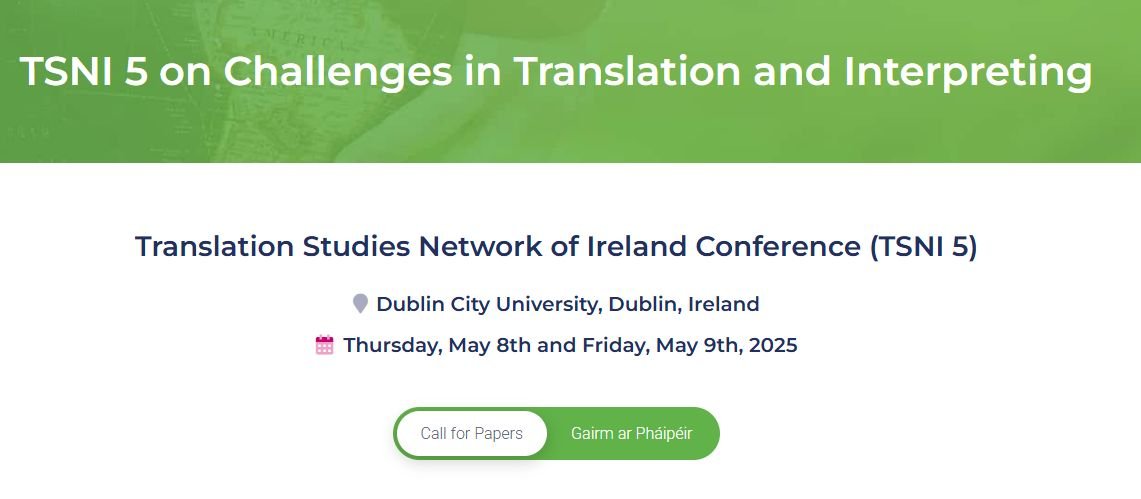
🚨Final Call for Papers: TSNI 2025!
Last days to apply for the "Challenges in Translation and Interpreting" Conference. Open for people in Ireland and beyond.
📅 Deadline: January 31, 2025
📍 Location: @DCU
Submission and additional details: https://t.co/1sP5cSNTbr
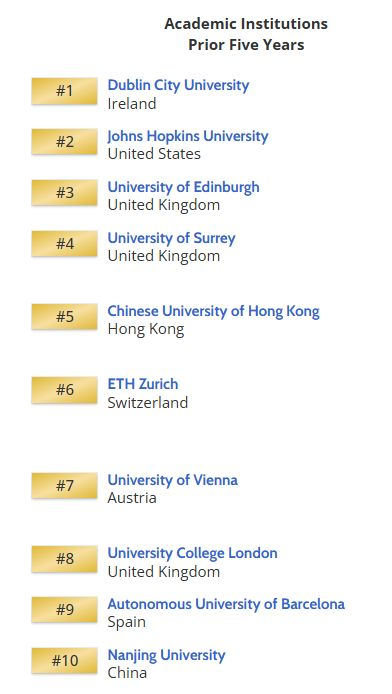
The 2024 rankings from @ScholarGPS place @DCU as the top institution globally for #translation research over the past five years and 6th in the all-time leaderboard, based on publications, citations and scholars. A pretty stunning result!
Details are at https://t.co/b9Gxm2F4vs
Calling all DCU Postgraduate Research Students!
The DCU Graduate Studies Office @DCUGradStudies Research on Walls abstract call is now open.
Submit a photo of your research with a title & 150-word abstract to participate.
More info: https://t.co/zi9bO18Eae
What are we talking about here really? Here is a glimpse:
An interpretation of The Tower, one of the Major Arcana.
Representing upheavals, deconstructions, transformations.
Read more here: https://t.co/tECEjJh3qK
#AnthroTwitter#tarot#ethnography
You saw us bring the wisdom of tarot to ethnography at #EASA2024@EASAinfo
We saw how eager you were for more.
So join us!
@fionae@anaivas and I are delighted to open a crowdsourcing call for contributions to our latest initiative: "The Ethnographic Tarot Project"
#AnthroTwitter
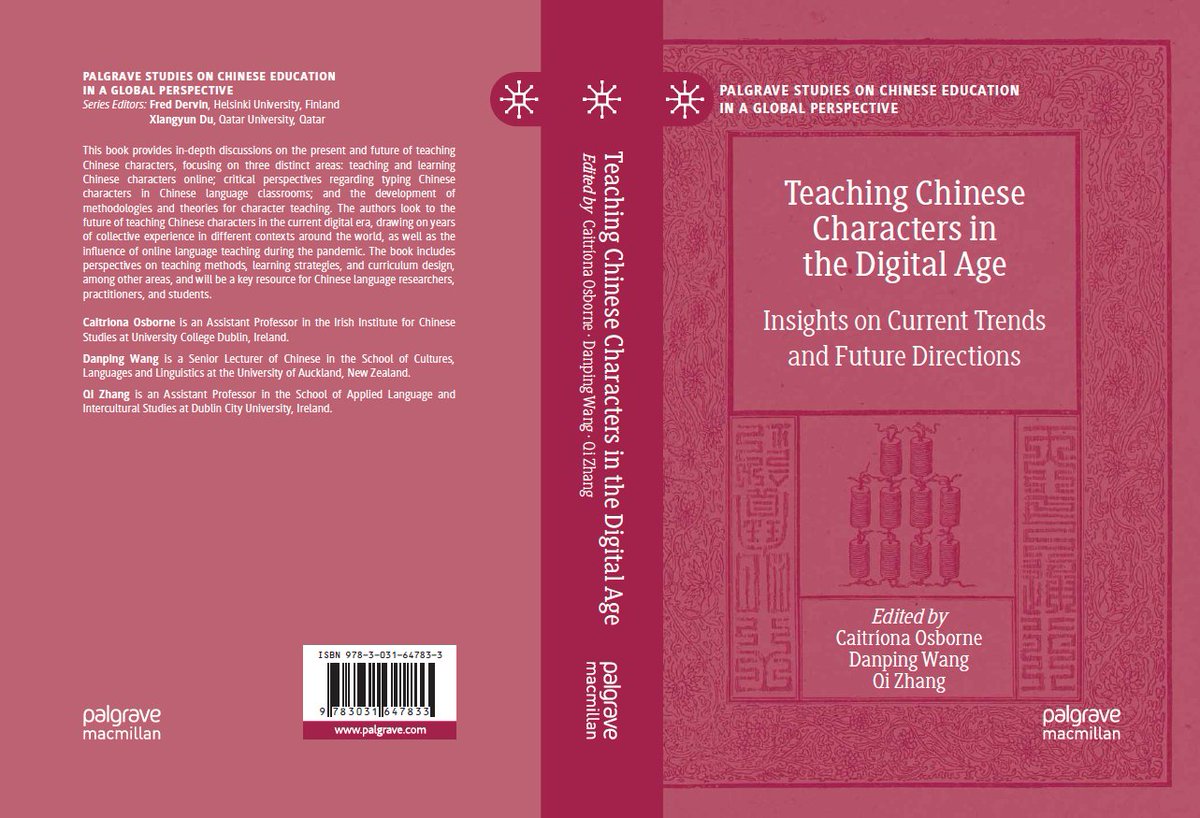
🙏非常感谢 for attending our book launch today!
Grateful for the insightful discussions on teaching Chinese in the digital age + look forward to continuing these important conversations💻
ICYMI: pls get in touch for access to the recording
https://t.co/RJ0qxPgK1Q
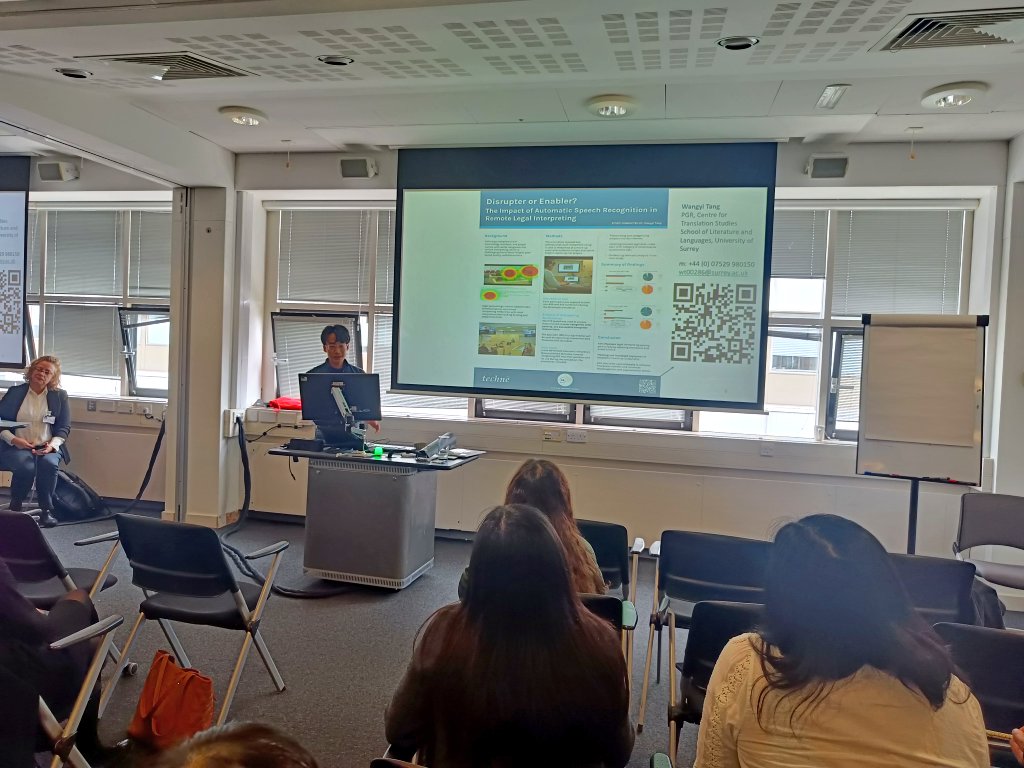
Great to hear from PhD students from @CTS_Surrey, @LeedsCTS and @DcuSalis who are using eye tracking in different areas of #Translation and Interpreting Studies.
We're now engaging in conversations about their projects, questions and findings.
#SubtitlingWarwick