@Kai61605309 From their last earnings call: "In the new transaction model, partners provide a quote to customers, but the actual transaction happens directly between Autodesk and the customer." https://t.co/xvvXer4AIh
@peterdeko At a high level, all construction is p3: designers and constructors have been private partners forever. P3 is a broooaaad label - the big question to ask is “was the contract structured for the owner to abdicate responsibility?”
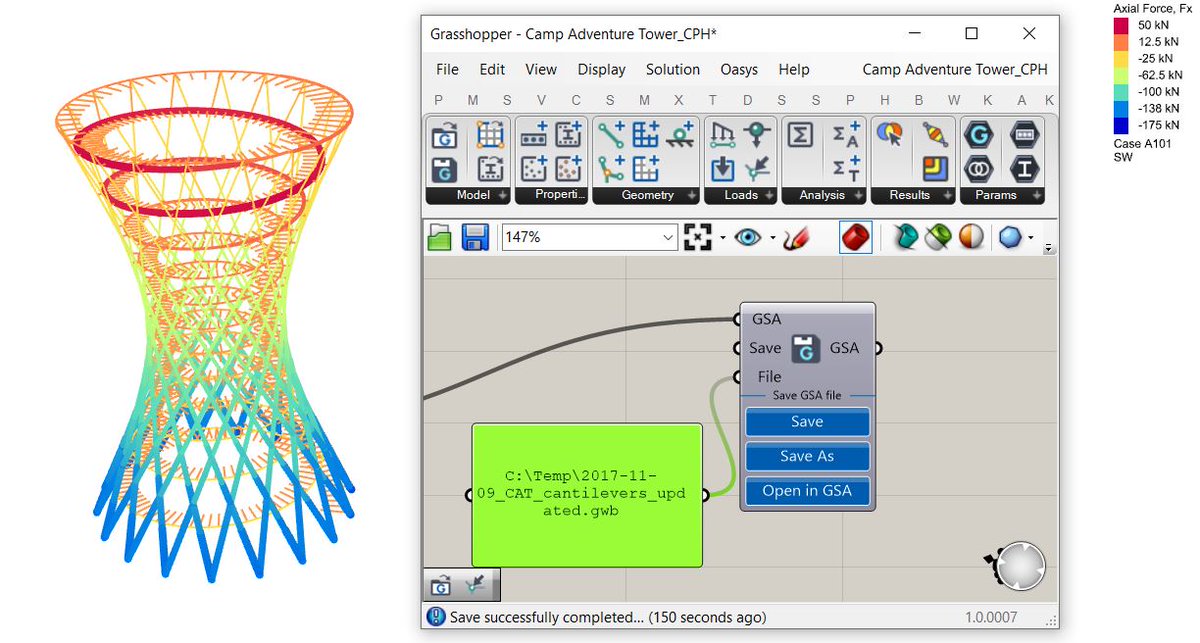
Our upcoming webinar will focus on integrated workflows with #OasysGSA and #OasysAdSec and will explore the visual programming interface that provides a low-level entry to engineers to start coding, #Grasshopper.
Sign up here: https://t.co/XZYW6frjMU
#structuralengineering
With the new .NET APIs for #OasysGSA and #OasysAdSec, it has become possible to stream data directly from an analysis model to design software – and back.
Register for our upcoming webinar to explore integrated workflows with GSA and AdSec: https://t.co/XZYW6f9IVm
#Grasshopper
Make sure to register for our webinar coming up on the 2nd of November exploring our new, cloud-based, geotechnical analysis software, #OasysGofer.
You don’t want to miss out on the opportunity to dig a little deeper into what #Gofer can do for you: https://t.co/M2BF38hMgH
This is so cool - the barrier to material reuse has always been the information. Where did that beam come from, can I trust it, what’s available? @eng_mclare shows that this is a solvable problem!!!
@kettlecorn Your dependency tree approach feels right. With high frequency inputs, you could add filters to drop inputs at certain points along the tree. Loss of fidelity but less re-simulation.
As an architect, I get to hear multiple contractor pitches and see multiple bids. Especially in custom residential, it can really feel like the wild west. So...
The good, the bad, and the ugly:
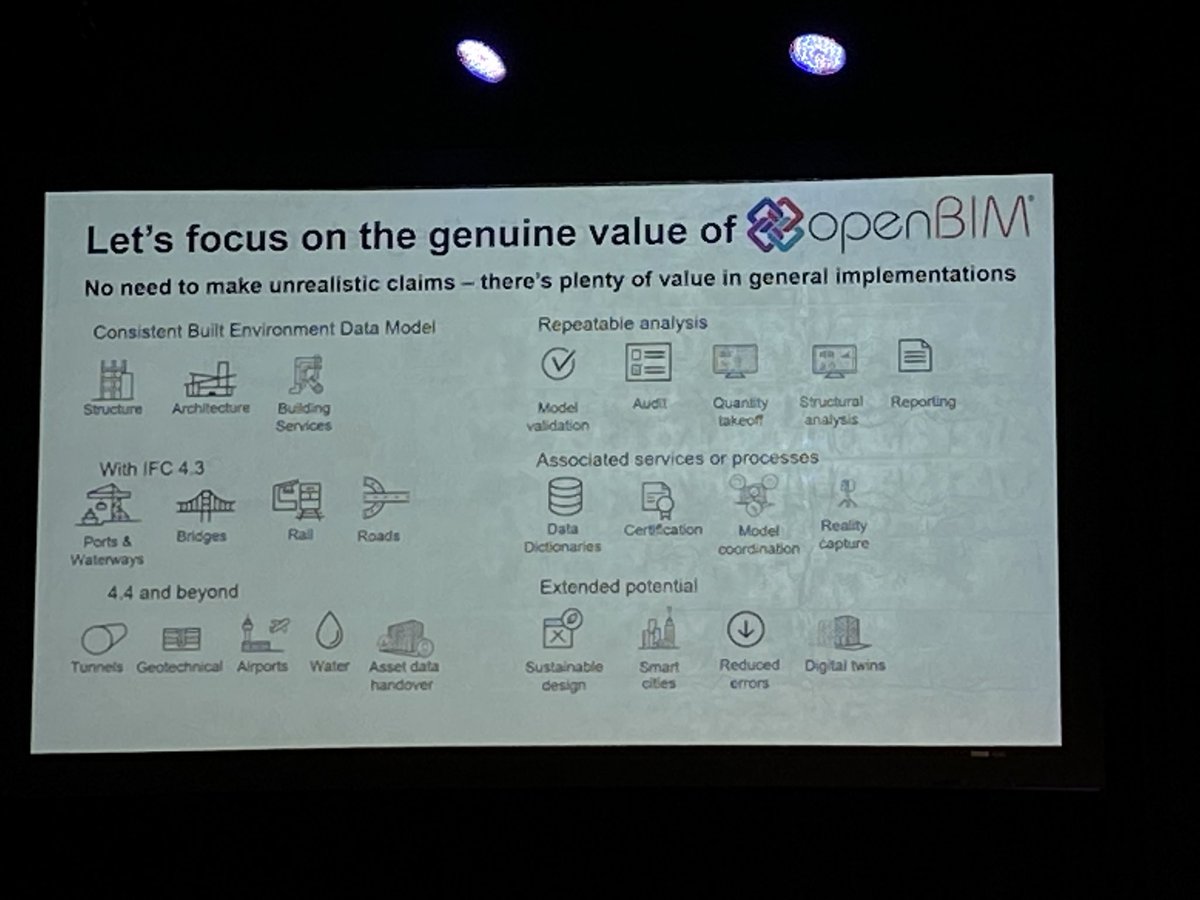
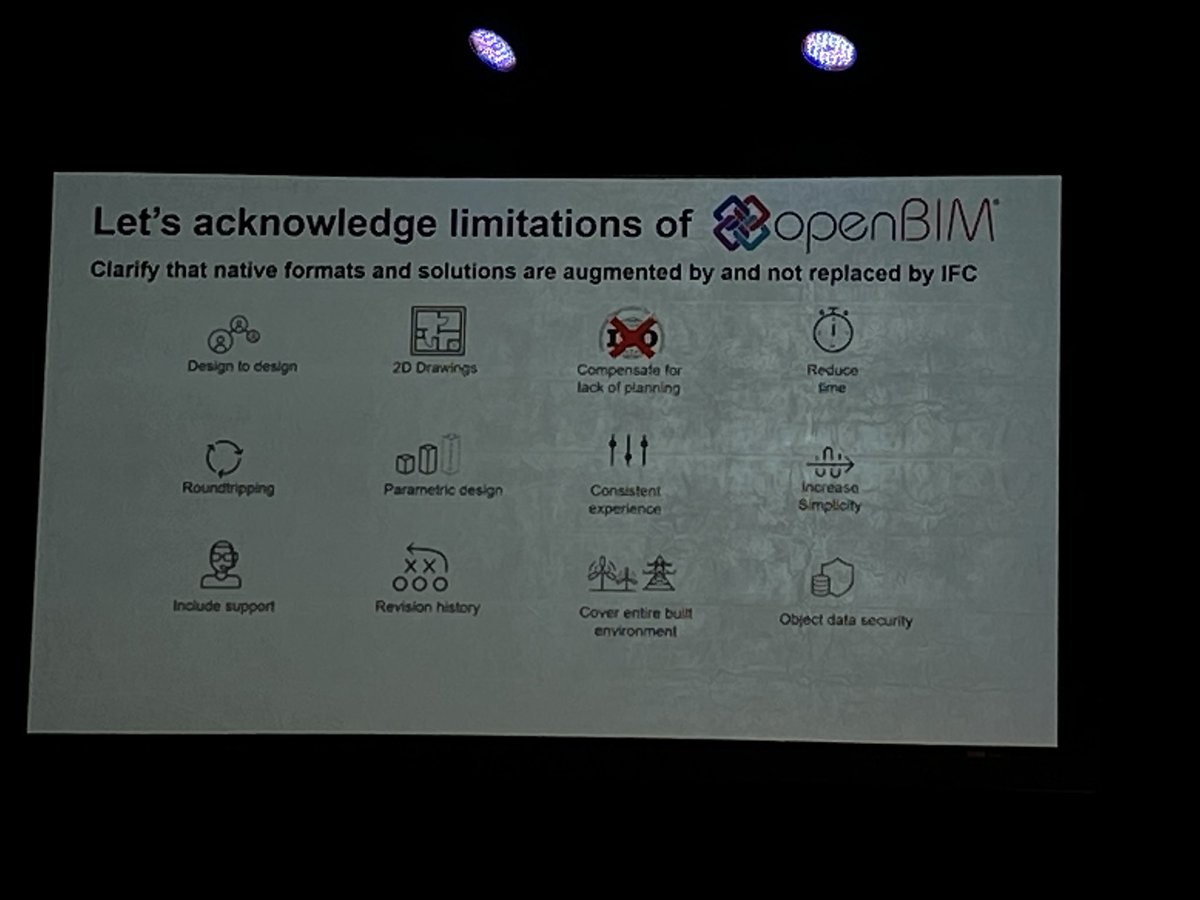
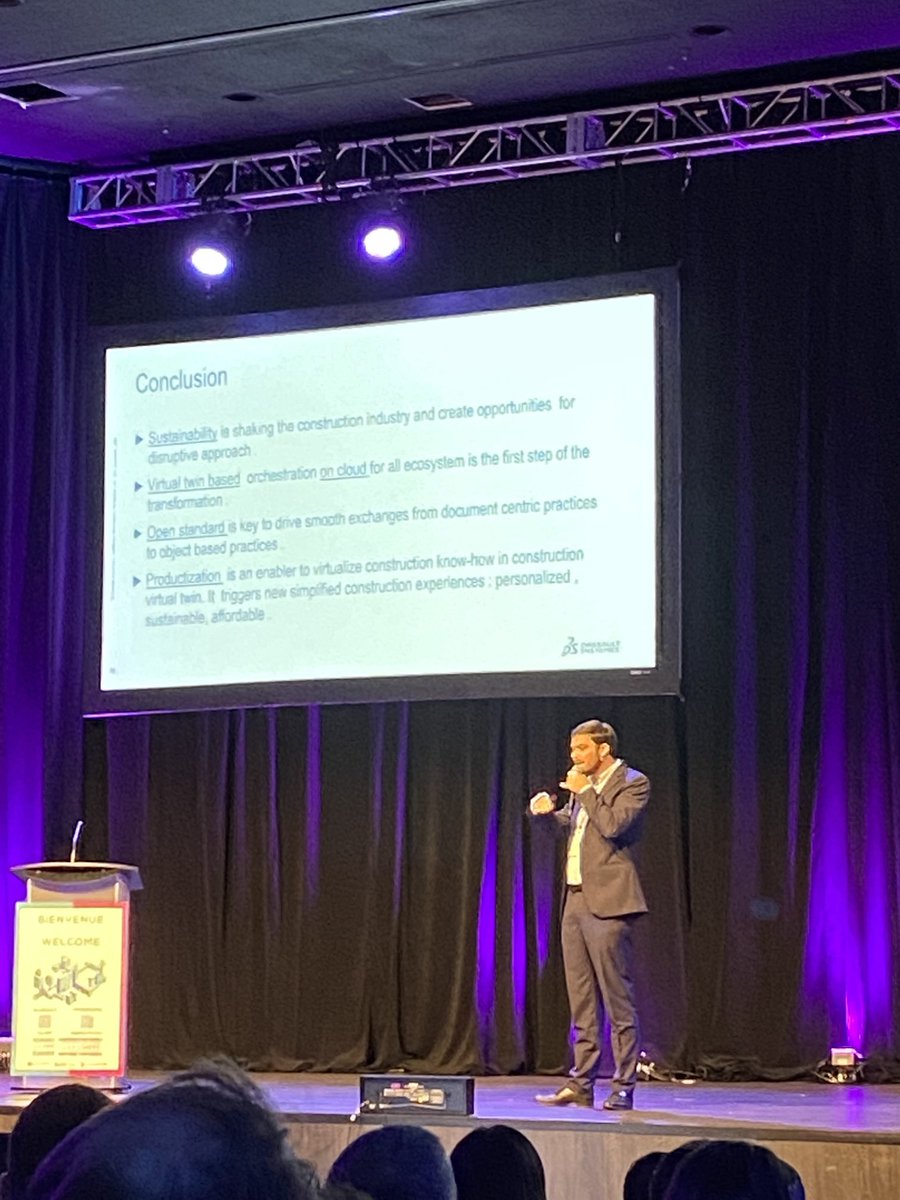
The @autodesk view on openBIM, from @msuchocki: a collective responsibility, lots of growing opportunities, but not a substitute for proper planning. No mention of how openBIM fits into their cloud strategy.
Introducing #OasysGofer, geotechnical FEA reimagined!
New from #Oasys software, Gofer is our all-new cloud-based geotechnical finite element analysis (FEA) software.
Read more about Gofer here: https://t.co/i8UelrUDhn and keep an eye out for more updates this week!
#Gofer
Based on the same finite element solver as our structural analysis and design package, GSA, you can now set up, run and share your geotechnical analysis all from the comfort of your web browser!
I am delighted that Gofer - Oasys’ next generation geotechnical analysis and design software is going public. Lots of hard work leading up to this point!!!
Our team are at the Ground Engineering Smart Geotechnics Conference today, come and say hi!
Stop by our stand to find out what the #OasysGeotechnical team have been up to recently.
Get in touch with us via our website to find out more: https://t.co/uUFD8Y3U3U
#GroundEngineering
@TheBriefSpace@HyparAEC@TestFitInc@etroxel@ArcolTech Given where they are at in the journey of adopting digital workflows (I have no idea...), this may be the rational choice for them *today*. The advice to call them back every 6-9 months is good!
@TheBriefSpace@HyparAEC@TestFitInc@etroxel@ArcolTech Hiring people to do work has a set of risks that consulting firms are familiar and comfortable with. Selecting and purchasing software to integrate deeply into their design process brings an unfamiliar and terrifying set of risks.
Check out this sea turtle structure located at Phu Quoc Island in Vietnam where @Arup engineers used #OasysGSA to quickly and efficiently design and analyse and design the steel roof.
Read the full case study here: https://t.co/GYsyOVshAp