Scrum master - STOP GETTING IN THE WAY!
I find many SM's feel they have to facilitate team events, but is that really true?
Your teams may be telling you to please stop getting in their way.
Build high performing teams who no longer need you
(If you can do that, I promise we have another team that will need you.)
Juggling cross-team communication is like herding cats, especially when everyone’s scattered across the globe!
Here's my secret for turbocharging team chatter and smashing those goals.
What do you do to ensure good, healthy cross-team communication?
What do we mean when we say we want our teams to be highly aligned AND highly autonomous?
Is this a good strategy for scaling?
Scaling is making things bigger and more complex.
Instead you'll want smaller and simpler.
You'll want highly aligned and highly autonomous.
Here's how.
Here’s a fun game that I use as an icebreaker for the team’s first retrospective.
I love the foundation it builds for continuous improvement.
We refer back to it often throughout the team’s journey to high performance.
Struggling to improve your team's daily huddle? 🤔
Here's how.
Remember, flexibility is key! And don't shy away from multiple check-ins if needed.
Let's make those daily huddles count! 🚀
Why would anyone hold their retro directly after sprint planning?
Sprint retrospective is when you know the most.
Sprint planning is when you know the least.
Here's the recommended order of scrum events.
I still smile when I think about upgrading from a suburban… to finally a 15-passenger van big enough for our whole family.
Those trips were special.
Time on the road.
Talking.
Laughing.
Listening to Harry Potter.
Kids spread out, older ones helping younger ones, everyone with their snacks and their stuff.
My heart warms just thinking about it.
Those trips worked because of three simple things:
1. We knew exactly where we were going.
2. We put each child in the right seat to help, not fight.
3. We had a clear dashboard and big windows so we could see how the van was doing and adjust as we drove.
Your teams are no different.
If your people don’t know where you’re going or why…
If the right people aren’t in the right seats…
If you don’t have clear visibility…
The trip will be bumpy.
This week, look at your teams like that 15-passenger van:
• Do you know exactly where you’re going?
• Are the right people in the right places?
• Do they have what they need to be successful?
If not, make one adjustment today.
Your future trips depend on it.
Most leaders want to move fast with AI.
But they also want to cut people.
That’s the tension your team feels every time you say “AI strategy.”
And it’s why so many AI adoptions stall out or fail.
People will not fully embrace the very tool they believe is meant to replace them.
If you want AI to work in your business, your people need three things from you:
1. Safety
- People need to feel safe and secure in their employment.
- AI won’t eliminate your job, but someone who uses it more effectively may.
- Your job as a leader is to make that clear without making people feel disposable.
- Tell them: “AI changes how we work, not whether we need great people.”
- When people feel safe, they stop hiding from AI and start experimenting with it.
2. Excitement
- People need to be excited about what AI can bring and how it can make their job easier.
- Show them real, simple wins: less busywork, faster answers, cleaner data, smarter decisions.
- Make AI part of the way work gets done, not an extra task on top of an already full plate.
- When AI makes their day better, they stop seeing it as a threat and start seeing it as an advantage.
3. A Future
- People need to know that change creates opportunities.
- Many of the jobs being done today will no longer be needed, but other more exciting jobs will be available.
- Your role is to paint that future and invest in skills that point there.
- AI has strong potential to help us become more human and enjoy more of what we as humans were intended to become—more creative, more relational, more focused on judgment and leadership, less buried in low-value tasks.
If you want AI to work in your company, start here:
Have an honest conversation with your team this week about AI, their jobs, and the future you’re building—and don’t stop until they feel both safe and excited to use it.
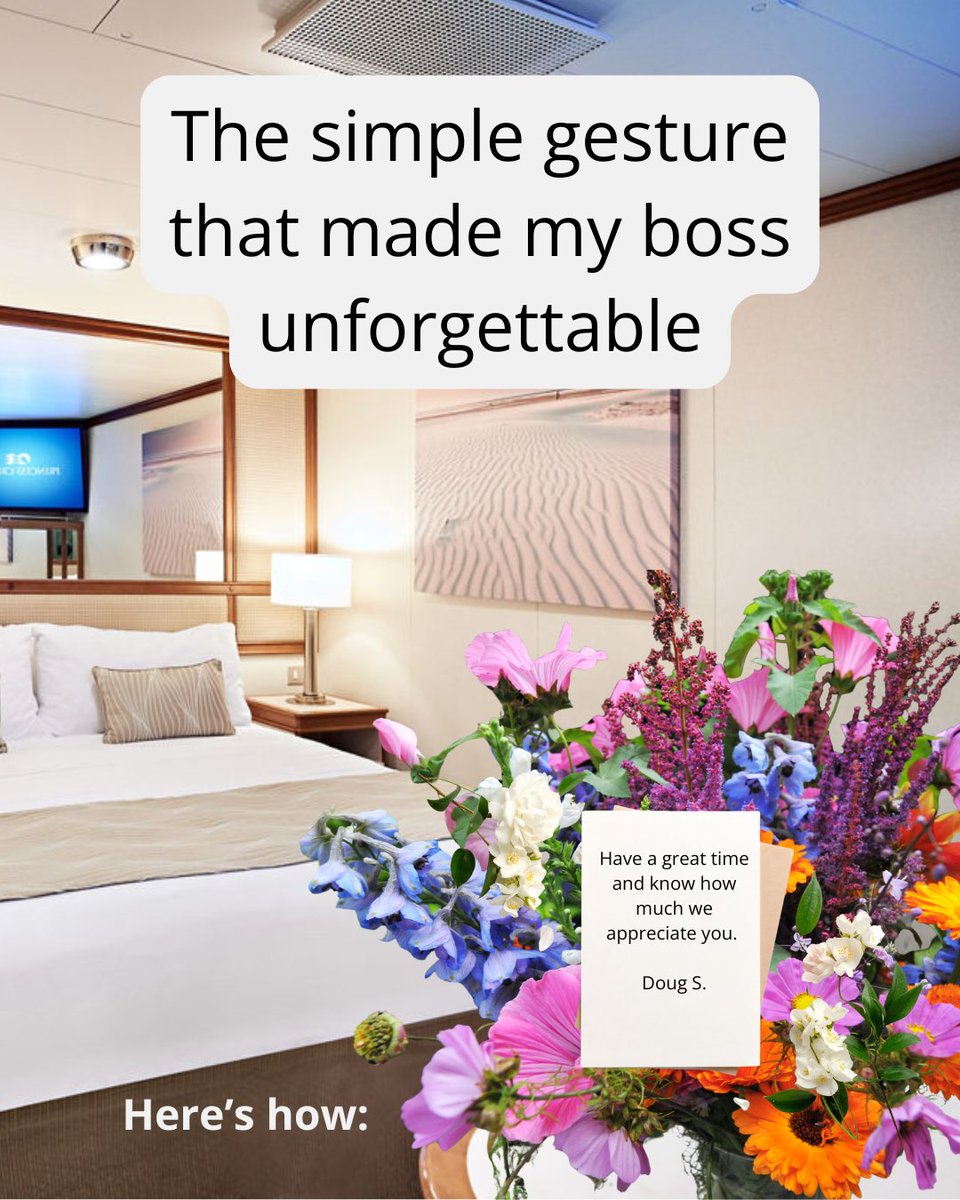
One of the most meaningful moments in my career happened on a cruise.
My manager knew I was taking a trip to celebrate a big anniversary with my wife.
When we walked into our cabin, there was a bouquet of flowers sitting on the counter.
From him.
In Galveston, Texas.
Miles away from home.
The note said:
“I just want you to have a great time and know how much we appreciate you, Dean.”
It floored me.
My wife looked at me and said:
“You need to keep working for this guy until you can’t. He is so awesome.”
That is the power of real gratitude.
As a leader, this matters more than any memo or town hall.
Your people remember how you make them feel.
So do their families.
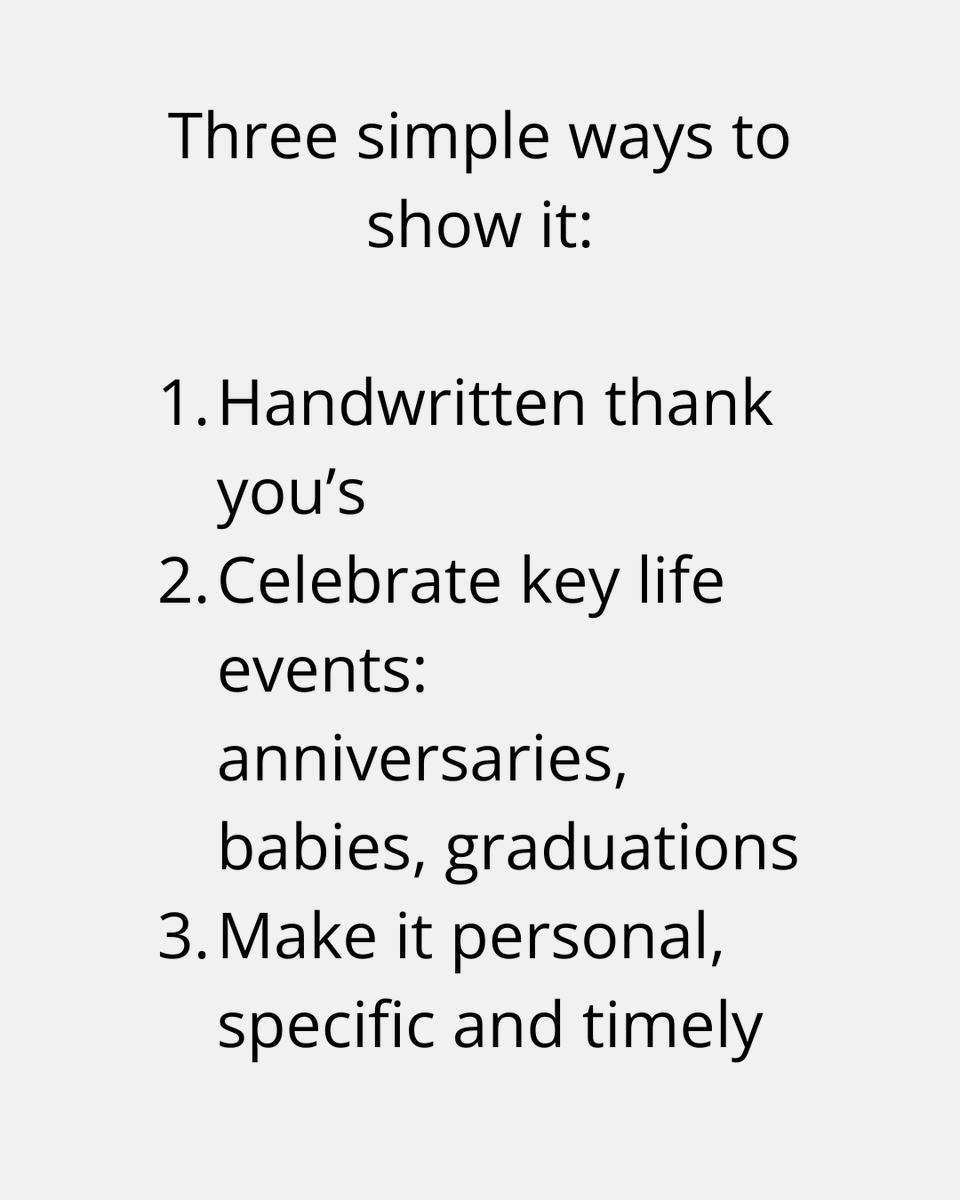
Three simple ways to show it:
Send a handwritten thank you note for real wins.
Celebrate key life events: anniversaries, babies, graduations.
Make it personal, specific, and timely.
Your team doesn’t need grand speeches.
They need proof you see them.
Who on your team needs to feel that from you this week?
There’s a silent killer inside your team.
You can feel it.
Projects slip.
Risks appear “out of nowhere.”
Your best people look… tired.
But no one can point to the cause.
No new tool fixes it.
No all‑hands solves it.
Because the real problem never makes it out into the open.
It just sits quietly in every meeting.
Smiling.
Nodding.
Killing urgency.
For a leader, this matters more than any roadmap:
- Silent teams ship late.
- Polite teams hide risk.
- Afraid teams only tell the truth when it’s public.
You can’t fix what no one will say.
Here are 3 moves that smoke out the silent killer fast:
1️⃣ Make a simple team agreement
Clarify expected team member behaviors:
- No blame.
- No eye rolls.
- No side attacks.
One rule: We attack problems, not people.
Write it together. Review it. Use it.
2️⃣ Go first on vulnerability
Say out loud:
- “I got this wrong.”
- “Here’s the mistake I made.”
- “Here’s how I’ll fix it next time.”
When you own your misses, they’ll finally feel safe owning theirs.
3️⃣ Reward learning, not just winning
After a miss, ask:
- “What did we learn?”
- “What will we change next sprint / quarter?”
- “What support do you need from me?”
No punishment for honest failure.
Only punishment: hiding it.
In your next meeting, ask one question:
“What are you not saying right now that I really need to hear?”
Then:
- Don’t interrupt.
- Don’t defend.
- Thank them.
- Act on one thing fast.
I
f you’re brave enough to ask that question…
You’re about to meet the silent killer inside your team.
Comment SAFETY and I’ll send you a 1‑page team working agreement template you can use this week.
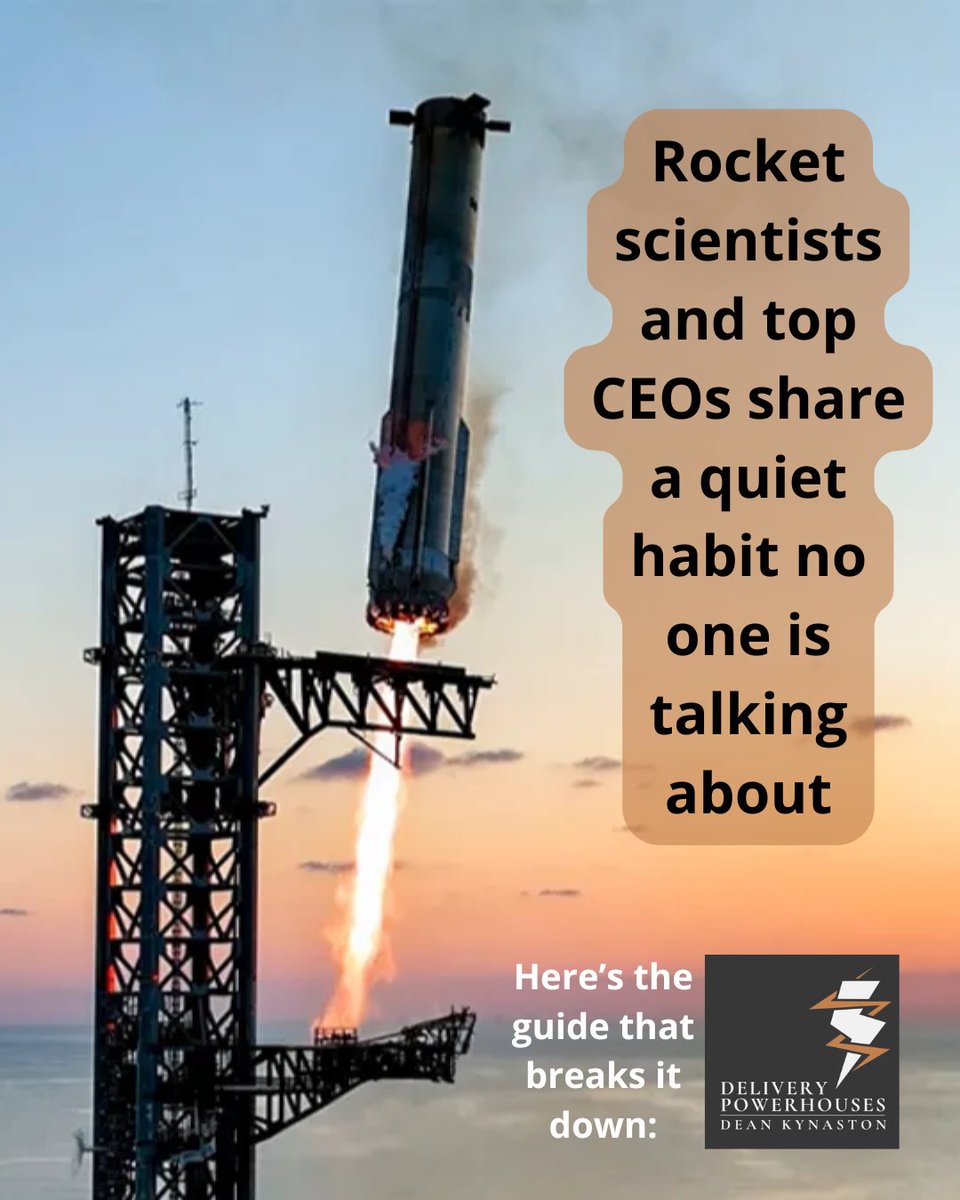
Rocket scientists and top CEOs share a quiet habit no one is talking about.
Most CEOs I coach are stuck in the same loop:
More plans -> More meetings -> More reports
But the results don’t move.
There’s a different way the winners operate.
A quiet habit rocket teams and top CEOs share.
It has nothing to do with working harder.
And everything to do with how they learn.
If you’re tired of 18‑month bets with nothing to show for it…
And you’re ready to build a company that gets smarter every week, not every year…
I wrote a full guide that breaks down this habit in simple, practical steps.
Want the full giude?
Read it here →https://t.co/EHm8ifN6gK
Lead by example or lose your team. Everyone is watching you.
Do this instead: model the work you expect, make feedback the default, and close the hypocrisy gap.
For more practical plays on building high‑trust, high‑performance teams, follow me.
I help CEOs turn “do as I say” cultures into “follow my lead” organizations.
Great leaders don’t just set goals—they inspect results.
Take 15 minutes this week to look at what your team actually shipped. Not the plan, not the promises, the real output.
Then give crisp, specific feedback: what’s excellent, what’s off-track, what needs to change.
Inspection + candid feedback = the fastest way to raise the whole team’s game.
Who are you going to inspect & coach this week? 🚀