Ink, Stage, & Spice
Logline: An actor, chef, and author pursue their Nashville dreams while their high-rise apartment becomes a chaotic hub for their colliding lives and drama.
An Ode to sitcoms such as Friends. Capturing that nostalgic feeling.
#screenpit#sitcom#Friends
Lucid
A group of friends tap into extraordinary abilities to defeat a sinister force trapping them in a deadly dreamworld, breaking free to reality after learning to conquer their inner demons.
#screenpit#fantasy#action#adventure#PsychologicalThriller
Giving screenwriting notes is easy. “I like this, I don’t like that.” Anyone can give notes.
Development is knowing what the story wants to achieve and helping it get there. That's a professional skill.
Even if the person reading doesn't know the difference, the writer should.
Early in my screenwriting career, I was insecure, hungover, and a pain to work with.
I sobered up and wanted to change my reputation, but I didn't know how. Then Craig Mazin spoke at the WGA on thriving in development.
Here are 5 takeaways that helped change how I worked. 🧵👇
𝟭) 𝗬𝗼𝘂𝗿 𝗴𝗿𝗲𝗮𝘁𝗲𝘀𝘁 𝗲𝗻𝗲𝗺𝘆 𝗶𝘀 𝘆𝗼𝘂𝗿 𝗼𝘄𝗻 𝗲𝗺𝗼𝘁𝗶𝗼𝗻𝗮𝗹 𝗽𝗮𝗶𝗻.
This is perhaps the most important thing. If you lead with your pain and let it dictate your behavior, they will find someone else.
No one likes the person making everyone uncomfortable or making everything harder than it already is.
This became so important to me that when I had a note session, I wrote "Your Emotional Pain" somewhere where only I could see it.
It was there to remind me not to give in to it!
This doesn't mean the pain is not real. Notes can be tricky. Bad notes can be excruciating. But that pain doesn't help you.
It is your primary obstacle to your ultimate goal: to get a movie made.
𝟮) 𝗧𝗿𝗲𝗮𝘁 𝗲𝘃𝗲𝗿𝘆𝗼𝗻𝗲 𝗶𝗻 𝗱𝗲𝘃𝗲𝗹𝗼𝗽𝗺𝗲𝗻𝘁 𝗮𝘀 𝘆𝗼𝘂𝗿 𝗮𝗹𝗹𝘆.
They may have different views, opinions, etc., but you all have that same goal: to make a movie.
Most people do not know how to develop material. They don't have a consistent process to lean on.
Many are just winging it, knowing only what they like and don't like. Because of this, they're nervous.
Treat them as collaborators and partners, and show them you can be trusted.
𝟯) 𝗗𝗼 𝗻𝗼𝘁 𝗲𝗻𝗴𝗮𝗴𝗲 𝗶𝗻 𝘄𝗵𝗮𝘁 𝗠𝗮𝘇𝗶𝗻 𝗰𝗮𝗹𝗹𝘀 𝘁𝗵𝗲 "𝟯 𝗗𝘀."
Defend, Deny, or Debate. It does no good. Being "right" is not the goal.
People want to feel heard. So listen. Practice active listening. Hear what they say. Acknowledge it by sincerely repeating it back to them. Make the connection.
Then, figure out what to do later.
𝟰) 𝗪𝗵𝗮𝘁 𝗶𝘀 𝗶𝗺𝗽𝗼𝗿𝘁𝗮𝗻𝘁 𝗶𝘀 𝘆𝗼𝘂𝗿 𝗶𝗻𝘁𝗲𝗻𝘁𝗶𝗼𝗻 𝗶𝗻 𝘁𝗵𝗲 𝘀𝗰𝗿𝗶𝗽𝘁, 𝗻𝗼𝘁 𝘁𝗵𝗲 𝗲𝘅𝗲𝗰𝘂𝘁𝗶𝗼𝗻 𝗼𝗳 𝗶𝘁.
There are countless ways to execute your intention, so don't be the person worried about words on a page when everyone else is worried about making a movie.
Sometimes, the team lacks a process, and progress will stall. If that happens, don't be reactive. That's how projects die. Learn to lead development from behind.
Invite them into your own process as if they are the ones directing it. Ask questions. If necessary, get them to make decisions and even lead them to the right ones.
The key here is agreement on the intention. At every opportunity, look for the win-win.
𝟱) 𝗕𝗲 𝗽𝗼𝘀𝗶𝘁𝗶𝘃𝗲 𝘄𝗵𝗲𝗻 𝘁𝗵𝗶𝗻𝗴𝘀 𝗮𝗿𝗲 𝗴𝗼𝗶𝗻𝗴 𝘄𝗲𝗹𝗹, 𝗯𝗲 𝗰𝗮𝗹𝗺 𝗮𝗻𝗱 𝗮𝘀𝘀𝘂𝗿𝗶𝗻𝗴 𝘄𝗵𝗲𝗻 𝘁𝗵𝗶𝗻𝗴𝘀 𝗮𝗿𝗲 𝗴𝗼𝗶𝗻𝗴 𝗽𝗼𝗼𝗿𝗹𝘆.
Personality counts.
If you remain the calm, steady rock, that will eventually be your role on the team. Embrace it.
----
Taking Mazin's lessons and adapting them to my own teaching changed the direction of my career.
I went from a terrible rep to being the go-to guy for the producers I work with.
I'm proud of that. All because I changed how I handle development.
Be the type of writer people want to work with twice.
Start now.
Not everyone gets a second shot like I did.
That's a wrap for this thread!
If you enjoyed this thread and are interested in screenwriting:
1. Follow me @storyandplot for more.
2. Repost to share. It took me hours to write. It will take you just one click to share. :)
3. Subscribe to my weekly email. It's a free screenwriting lesson every Tuesday morning.
Don't be afraid of on the nose dialogue in your screenwriting. Some of the best lines in Hollywood history were right on the nose.
Instead, be afraid of a false moment the audience doesn’t believe.
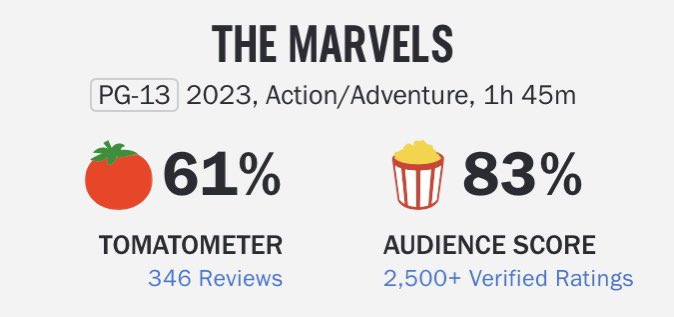
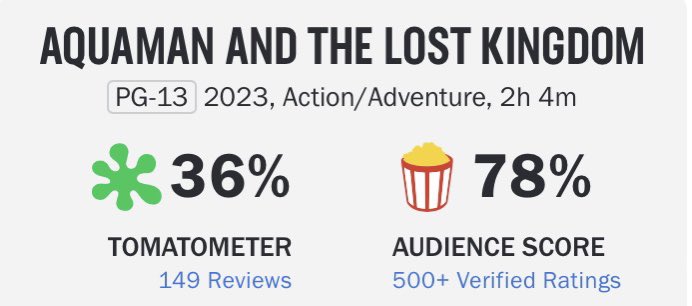
Both critically and financially, Aquaman 2 is performing noticeably worse than The Marvels. They’re both sequels to billion dollar blockbusters yet I don’t see any hit pieces from the trades when it comes to the movie starring a man…The math ain’t mathing 🤔