Incase you missed the program on @ARISEtv The Morning Show, where we had a discussion on Elections and Youth Participation in Nigeria with @deboonifade, Kindly click below to watch the full discussion.
https://t.co/1zoBZHWjxJ
#nysc
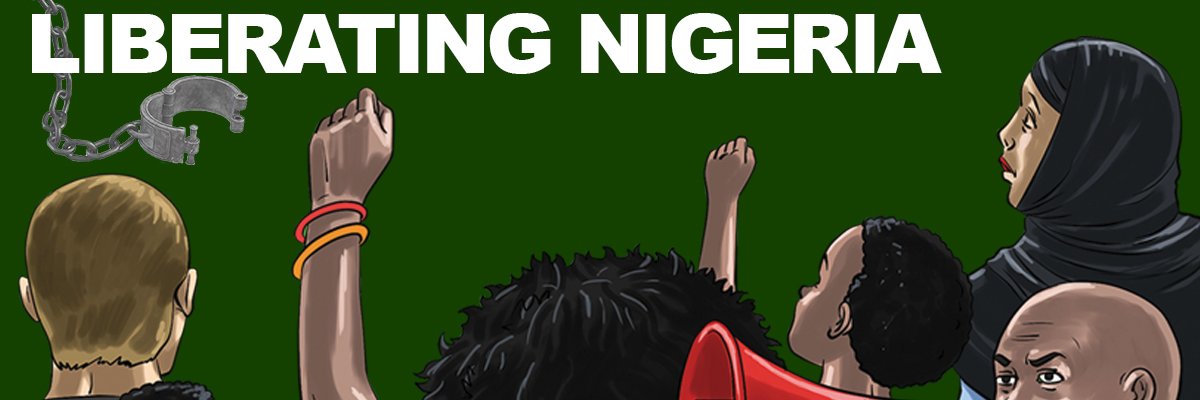
My book, Liberating Nigeria: A Guide to Winning Elections and Reviving our country with foreword by Femi Falana SAN can be ordered from Amazon, Roving Heights, BookSellers, Glendora, UI, Unilag, OAU bookstores. https://t.co/NjyeDtMAW4
(6) We need our government to listen and address our concerns, but we must not destroy our country in the process. My article from 2020 remains relevant today. Protests can be risky if not properly managed.
(5) Now, in 2024, as youth prepare to protest again, they are once more chanting they have no leaders. I urge the youth to ask about the leadership and management of the protests before joining. Protest peacefully, stay alert & ensure there is a clear agenda and sound leadership.
(4) step forward to provide leadership. As a historian, I made YouTube videos urging youth to find leaders who could negotiate with govt & maintain order. Unfortunately, the protests ended in violence, with properties worth billions destroyed and lives lost.
(3) Some of our demands, and peace was restored. However, during the hashtag#EndSARS protests in 2020, the situation was different. The youth declared they had no leaders and refused to negotiate. Older activists and notable figures encouraged the protests from behind but did not
(2) Leaders like Femi Falana, many popular artists, Shehu Sani, and others also played key roles, along with the involvement of labor unions. There was order and leadership, and when the government rolled out tanks, the protesters prioritized negotiation. The government met some
(1)Today, I want to discuss the upcoming protests by sharing an article I published in various national newspapers four years ago. The 2012 protests were peaceful because we had strong leaders like Pastor Tunde Bakare, who led by example, putting his own family at the front lines
Oil subsidy removal is supposed to save us money & currency floating has earned us more naira. Our debt to revenue ratio!! Yet, Nigeria is still borrowing dollars from World Bank. Why do you guys like taking loans for frivolous projects ? @AjuriNgelale https://t.co/bxm6qkx7e3
Federal government is expected to begin repayment of the $800 million loan approved by the World Bank as subsidy palliative on January 15, 2027 and the last payment due on July 15, 2051. Which stakeholders should the federal government collaborate with to distribute the money?