In every past infrastructure shift, the winners weren't the ones who moved fastest.
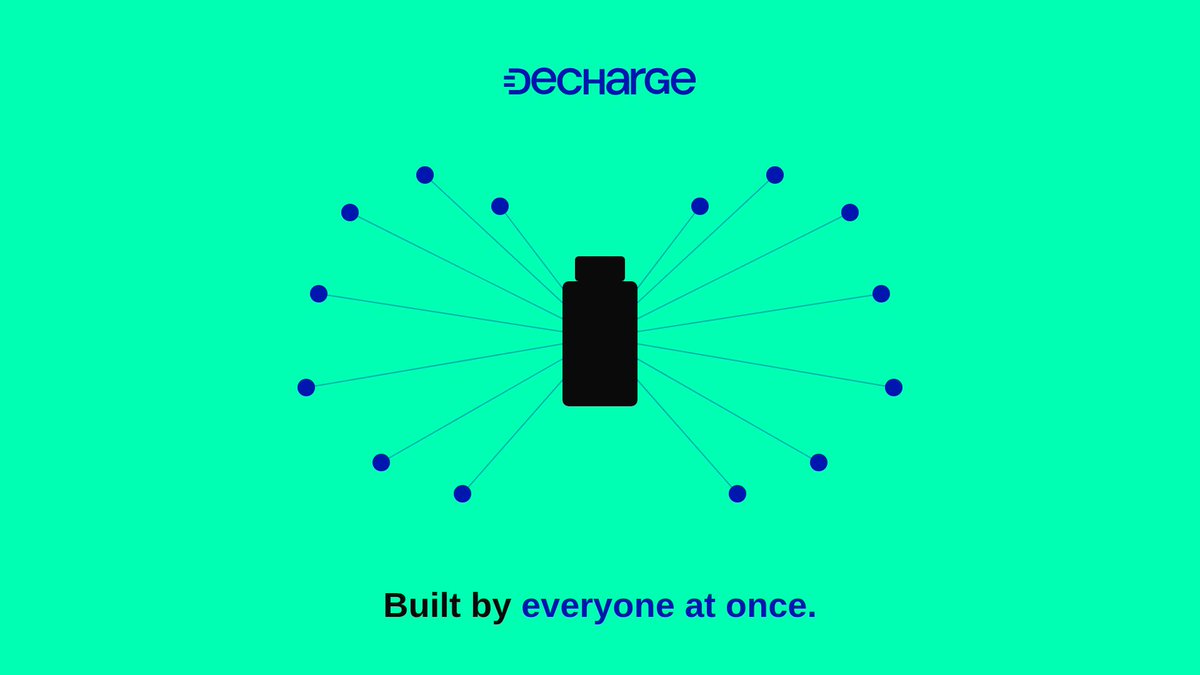
They were the ones who figured out how to get the most people building at once.
That's still true for energy infrastructure. It'll still be true in five years.
The most overlooked stat in EV adoption: utilization rate of existing chargers.
A city can have hundreds of chargers and still feel "underserved" if they're poorly located, frequently down, or clustered in the wrong neighborhoods.
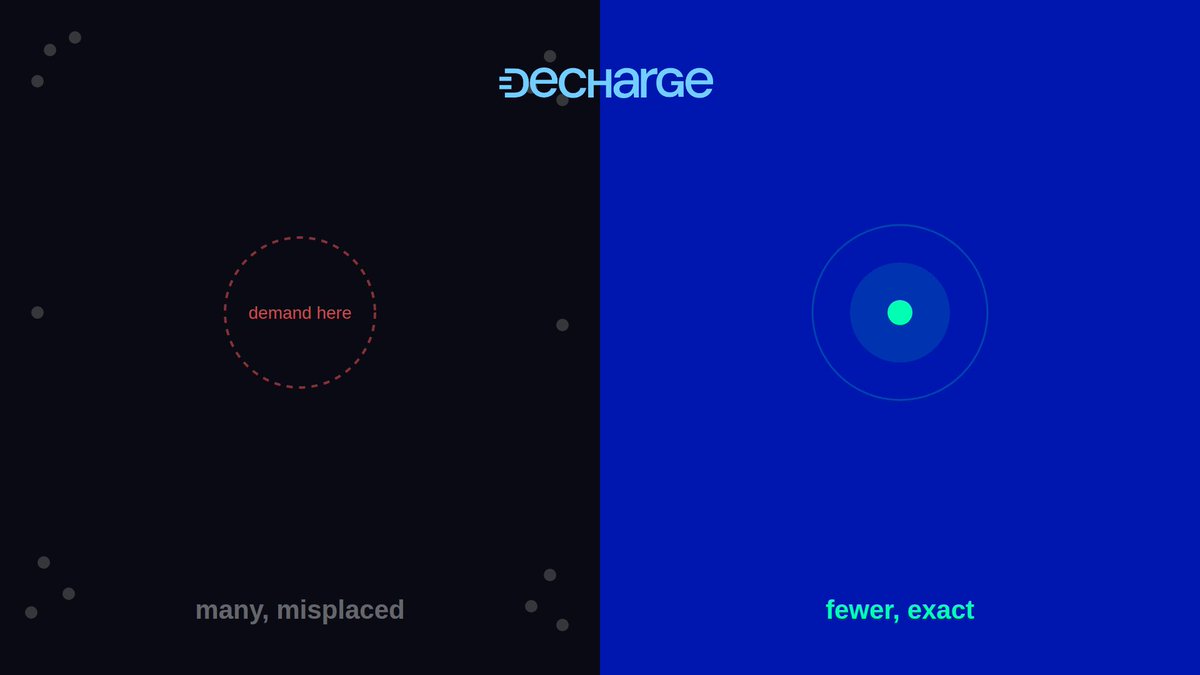
Count matters less than placement.
Nobody asks "is gasoline infrastructure ready" anymore because it's just... there. Everywhere. Assumed.
That's the actual end state for EV charging too. The goal isn't more headlines about chargers.
The goal is chargers becoming boring and invisible, the way gas stations are.
Myth: EVs are bad for road trips.
Reality: EVs are bad for road trips in places where charging infrastructure hasn't caught up yet. That's a location problem, not a technology problem.
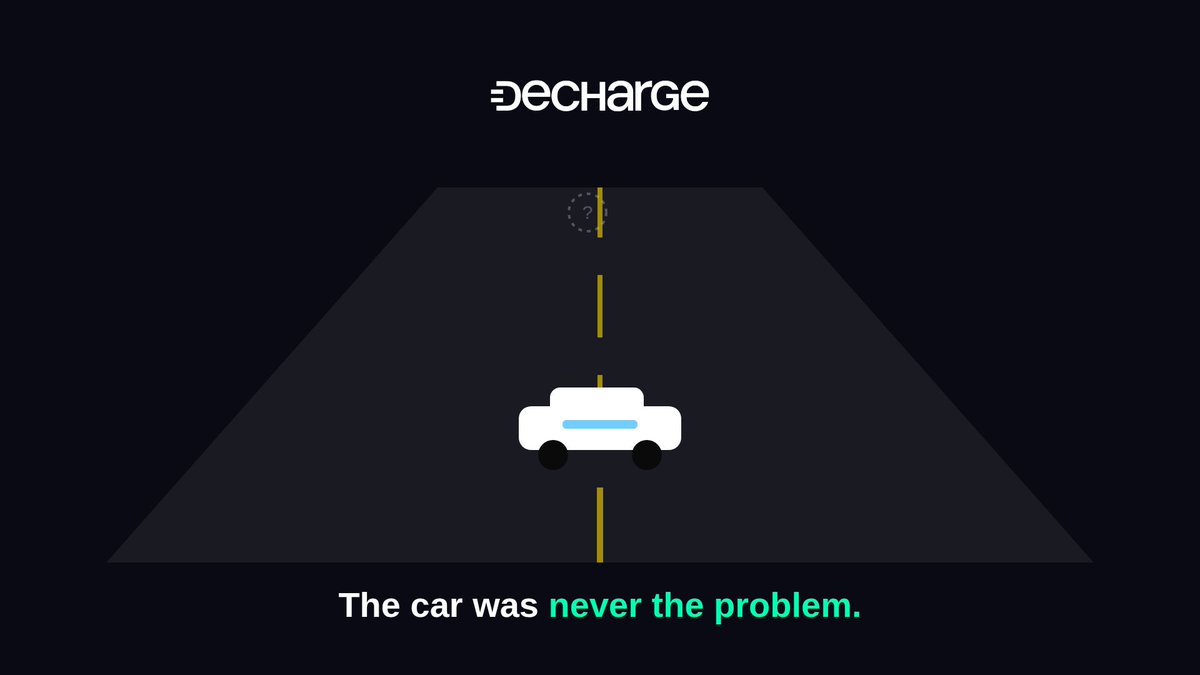
The car was never the bottleneck.
The three stages of EV ownership:
Stage 1: obsessively checking range before every trip.
Stage 2: finding your 2-3 trusted chargers and never straying.
Stage 3: pure confidence, because the infrastructure actually works.
Most of us still stuck somewhere in stage 1 or 2.
Physical infrastructure used to only get built by whoever had the most capital.
That's changing. Wireless networks, mapping data, energy grids, all starting to get built by distributed communities instead of single companies.
The infrastructure layer of the internet is quietly getting rewritten.
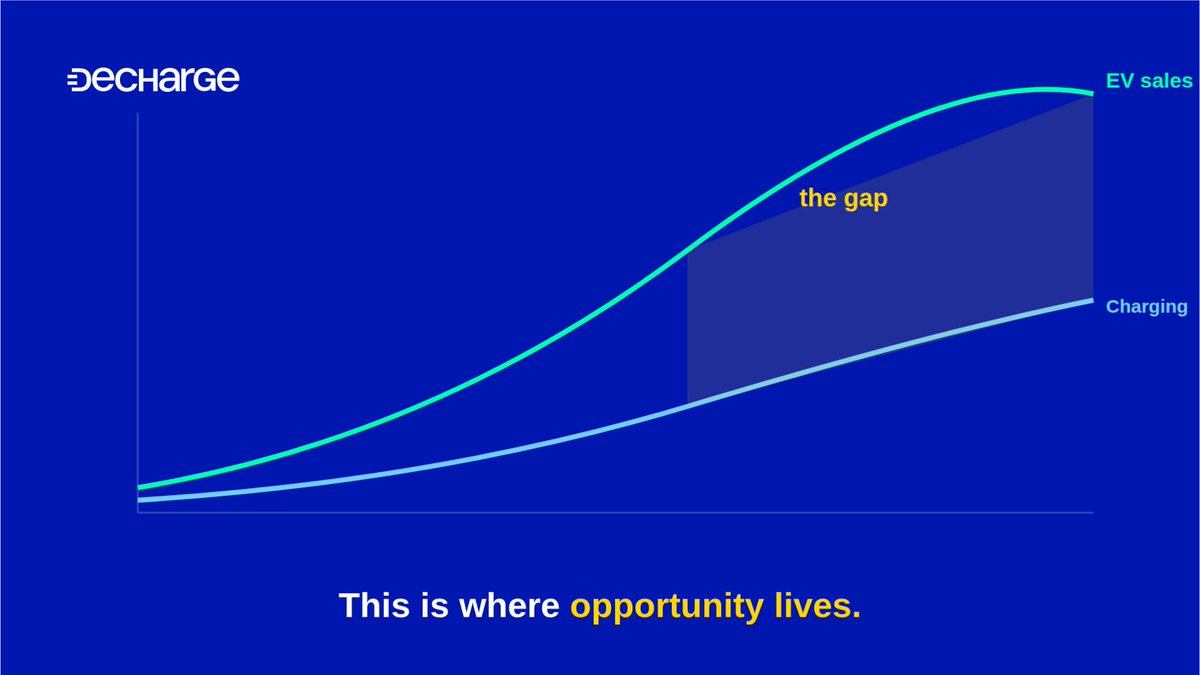
EV sales keep climbing every year.
Charging infrastructure keeps growing too, just not at the same rate.
That gap between the two curves is where every real opportunity in this industry currently lives.
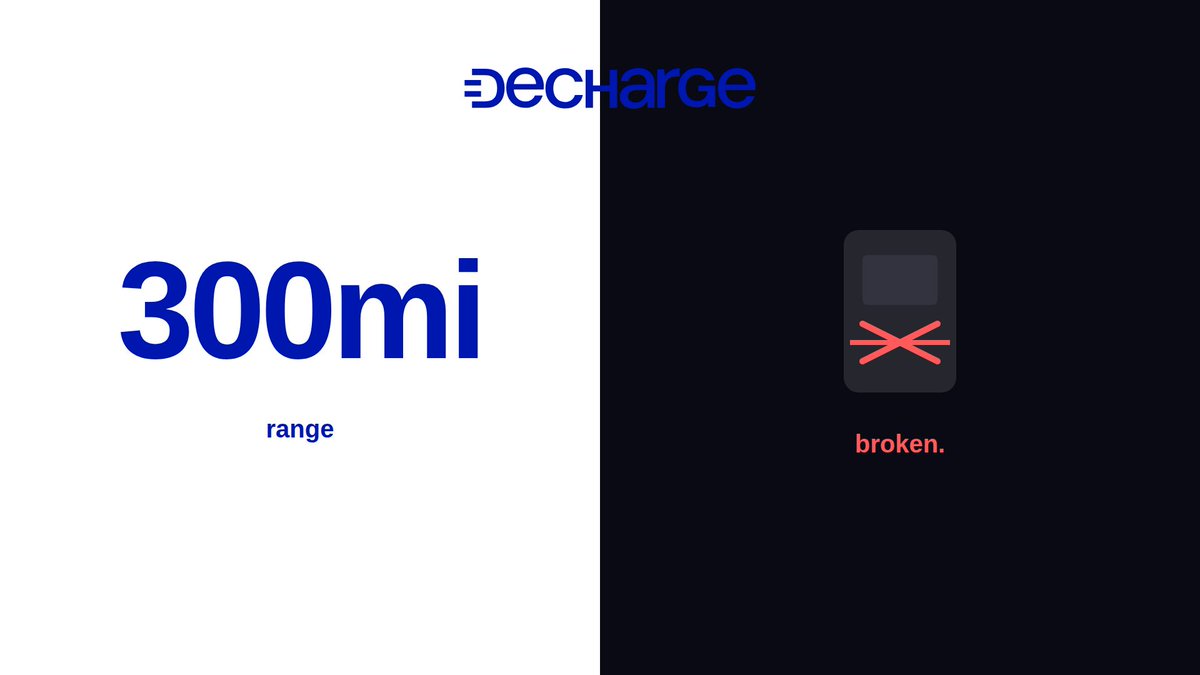
Everyone's optimizing EV range. Fewer people are optimizing charger reliability.
A 300-mile range means nothing if the charger you're counting on is broken, occupied, or doesn't exist.
Range solves the wrong problem for most daily drivers.
Range anxiety isn't really about the battery.
It's about certainty. Knowing a charger will be there, working, when you need it.
Solve for certainty and the anxiety mostly disappears, even if the battery specs stay exactly the same.
Every major infrastructure shift looks impossible right until it doesn't.
Rural electrification. Broadband. Cell towers.
Someone always says "that'll never scale outside cities." It always does, eventually, once the funding model catches up to the demand.
EV charging is at that exact point right now.
500 chargers. 10,000 units. One question we keep getting: "what do I actually own?"
Deployment Unit = A unit is 1/20th of a specific charger at a Scout-validated US location.
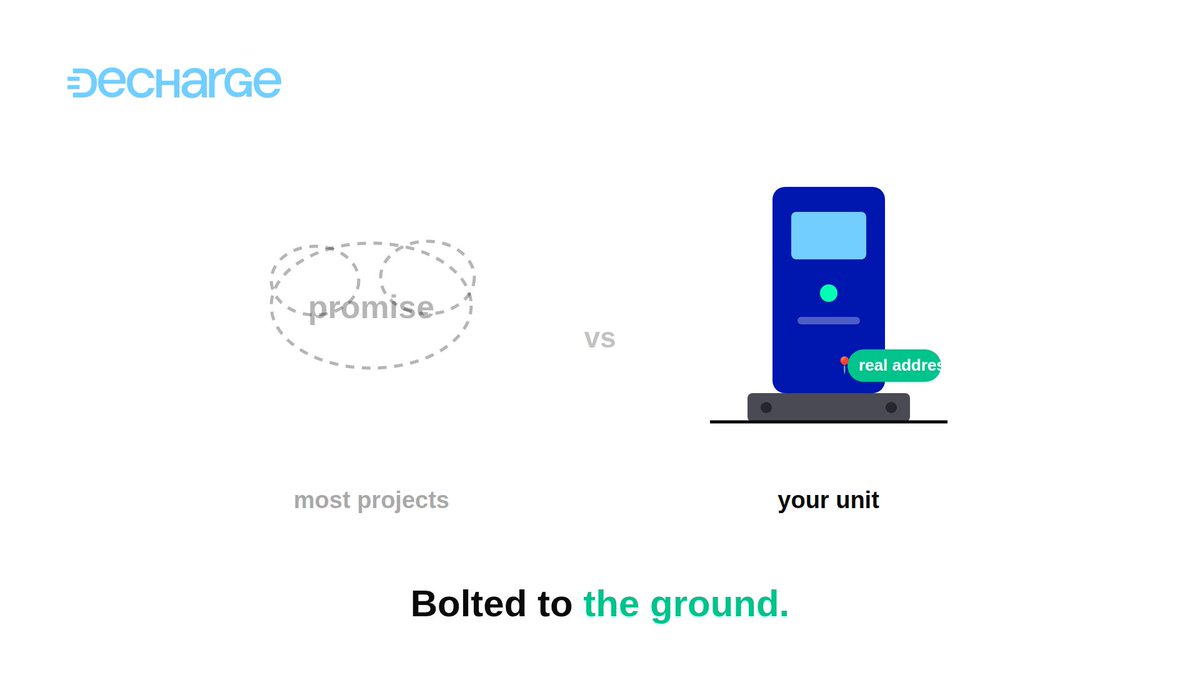
Not a token promise. Not a whitelist spot. A share of physical hardware that gets installed, maintained, and promoted by DeCharge.
When drivers charge, revenue covers operations first. What remains flows to unit holders as network rewards. DeCharge keeps a small share for running it.
$100 gets you in. $2,000 gets you a full charger.
Reserve your unit 👇https://t.co/aWExHjmMQ2
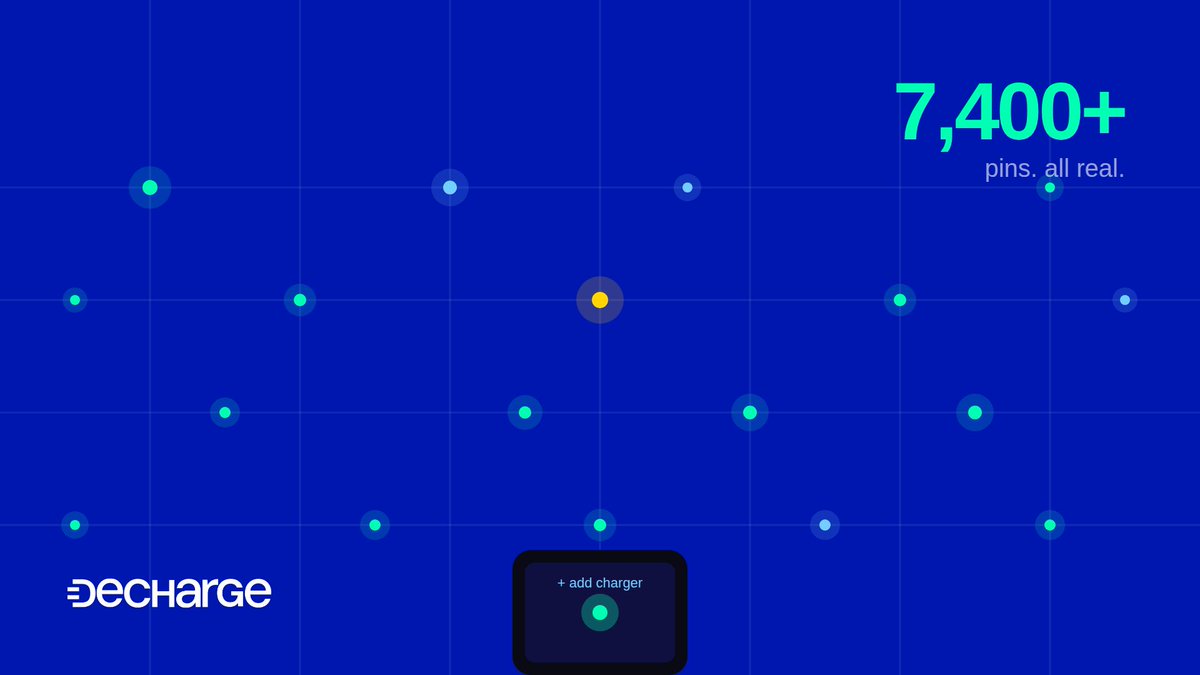
7,400+ chargers mapped by the Scout community and counting.
Every mapped location is demand data no boardroom could buy. It's drivers telling the network exactly where infrastructure belongs.
This is what demand-first deployment looks like at scale.
EV owner starter pack:
Range calculated three times before any road trip.
A charging app folder on your phone.
One charger you trust with your life.
A backup plan for the backup plan.
It shouldn't be like this. We're working on it.
This is what the Scout dapp is for.
Map and validate charger locations around you, contribute to the network and earn DeCharge Points:
https://t.co/16doHFxKD7
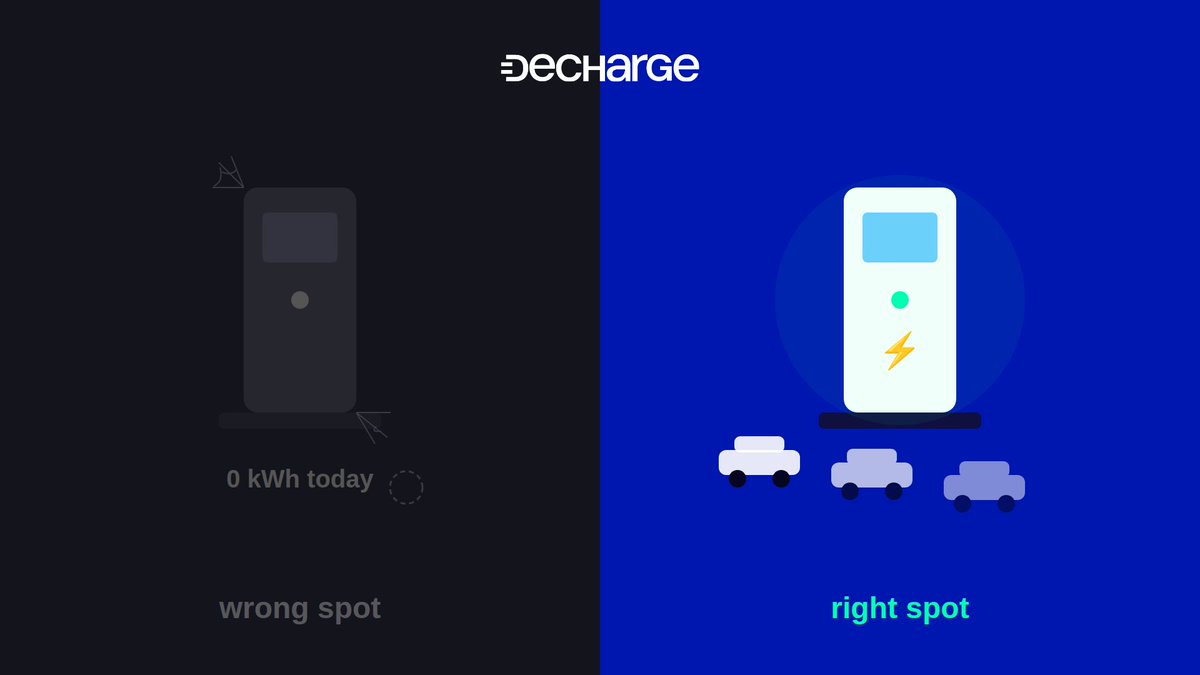
An EV charger in the wrong spot is just expensive street furniture.
Utilization is everything. A charger used 10 hours a day and a charger used 10 minutes a day cost the same to build.
That's why we validate demand before deploying a single unit. Location isn't a detail. It's the whole business.
Myth: EV charging infrastructure is a solved problem, the chargers just need time to roll out.
Reality: Deployment is bottlenecked by capital cycles, not technology. A charger that takes 3-12 months to approve and install isn't a rollout. It's a queue.
Fixing the queue is the whole game.
Most people think EV chargers fail because of bad hardware.
Usually wrong. They fail because nobody maintains them, nobody promotes them, and nobody picked the location based on real demand.
Hardware is 20% of the job. Operations are the other 80%. That's the part most networks skip.
Every Charge America deployment unit is fully managed.
▫️We scout the location.
▪️We install through our own team or partner network.
▫️We drive traffic through promotions.
▪️We maintain the hardware.
You fund it once. The network does the rest.
Join here → https://t.co/aWExHjmf0u
Quiet update from the network:
🔹2,000+ nodes live across Asia.
🔹7,300+ chargers mapped by the Scout community. 🔹Deployment cycles running 10-12 weeks against an industry standard of 9-12 months.
Just infrastructure getting built.