This street in Tokyo is a memory.
What remains are images or sounds, sometimes even an almost troubling precision of detail. But the sensation itself remains elusive.
It is this impossibility that interests me: not to reconstruct the past as it was, but to approach the forms it continues to produce within us.
The Flow project seeks to give form to this constant back-and-forth between the immediate data of consciousness and these layers of memory.
Gosh I love the OSINT community. This project throws every plane flying overhead onto your ceiling in near real time – decoded from a cheap radio, w/ live stars and the ISS behind it. Falling asleep under a live map of the sky. h/t @CameronPaczek
From this article:
> Simulated Atari 2600, fetching data from ROM. Can you stare at this animation of transistor-level physics, and imagine a function which takes this physical structure as input and returns its computational structure as output? Can you imagine how enormous such a function would be? Do you think you could also write this function in such a way that it could also be applied to brains? Animation by Alex Mordvintsev on Twitter.
2000 artistes ont été mis au défi de créer une animation 3D de 5 secondes pour faire descendre une balle du haut vers le bas de l’écran.
Toutes les séquences ont ensuite été assemblées pour créer une gigantesque machine à billes collaborative.
May the 4th be with you! This group of Spanish pros made a Star Wars fan short in under a month, off the clock, between their day jobs.
https://t.co/pSxlW7alO0
Behind every iPhone. His compiler.
Behind every Android. His compiler.
Behind every NVIDIA GPU. His compiler.
One American. Billions of devices. 🤯
Meet Chris Lattner 🇺🇸
> Started LLVM in late 2000 at UIUC as part of his graduate research.
> LLVM is a compiler infrastructure ~ the software that turns code into machine instructions.
> Apple hired him in 2005. He stayed 12 years.
> His toolchain now powers iPhone, iPad, Mac, PlayStation, Android NDK, and NVIDIA's CUDA.
> Also built Clang ~ the C/C++ compiler used by Google, Microsoft, and Sony.
> Built Swift in secret. Nights and weekends. While leading a 40+ person Apple team by day.
> Apple leadership was skeptical. He shipped it anyway. 🚀
> Swift now powers the vast majority of iOS apps on earth.
> Won the ACM Software System Award ~ same as Unix, Java, and TCP/IP.
> 2017 ~ Tesla VP of Autopilot. Worked in Elon's orbit. Left in 5 months.
> Joined Google Brain. Built MLIR ~ the compiler infrastructure behind TensorFlow.
> 2020 ~ joined SiFive to build open-source chips competing with Intel and ARM.
> 2022 ~ left Big Tech entirely. Founded Modular AI.
> Built Mojo ~ a new AI language that runs Python up to 35,000x faster.
> LLVM, Clang, Swift — all open-source. Mojo follows in 2026.
> Targeting NVIDIA's $4.8 trillion CUDA dominance. Raised $380M. Valued at $1.6B.
> Still writes code. Still answers GitHub issues himself.
He spent over 25 years building the compilers Big Tech is built on.
Now he's openly building the one that could break NVIDIA.
What a mind. Compiler GOAT. 🧠🐐
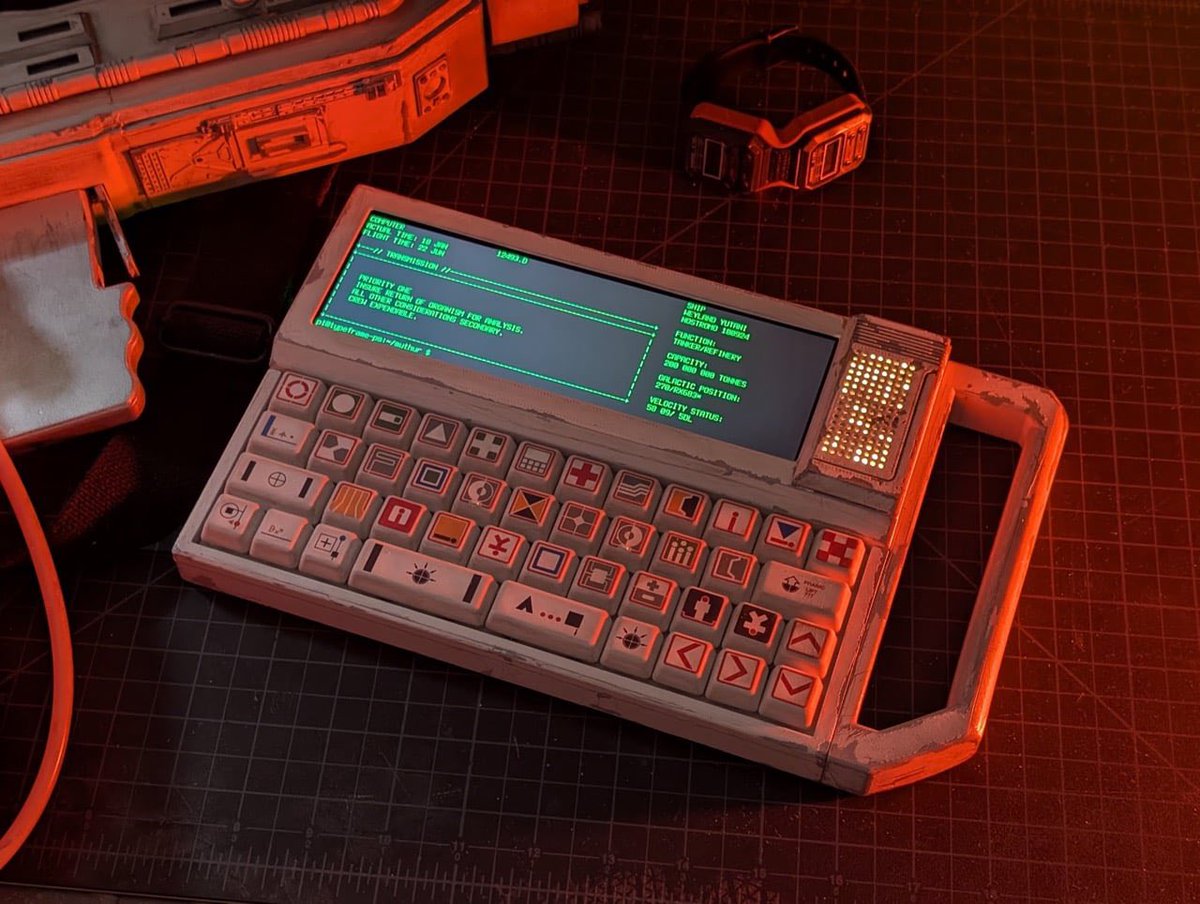
It’s a GLORIOUS day at Pi Towers so we have obviously chosen to stay indoors and think about the film Alien because we saw this excellent Alien-inspired cyberdeck in the latest issue of Raspberry Pi Official Magazine that just so happened to come out today: https://t.co/Pe1bcOb6rt
Right now, billions of people are watching videos.
Most of them are being processed by code one man wrote alone in 2000. 🤯
You’ve probably never heard his name.
>Meet Fabrice Bellard.
>A French programmer working solo
>In 2000, built FFmpeg alone ~ the engine behind YouTube, Netflix, Spotify, WhatsApp, Instagram, TikTok, Chrome, Firefox, VLC, and Discord
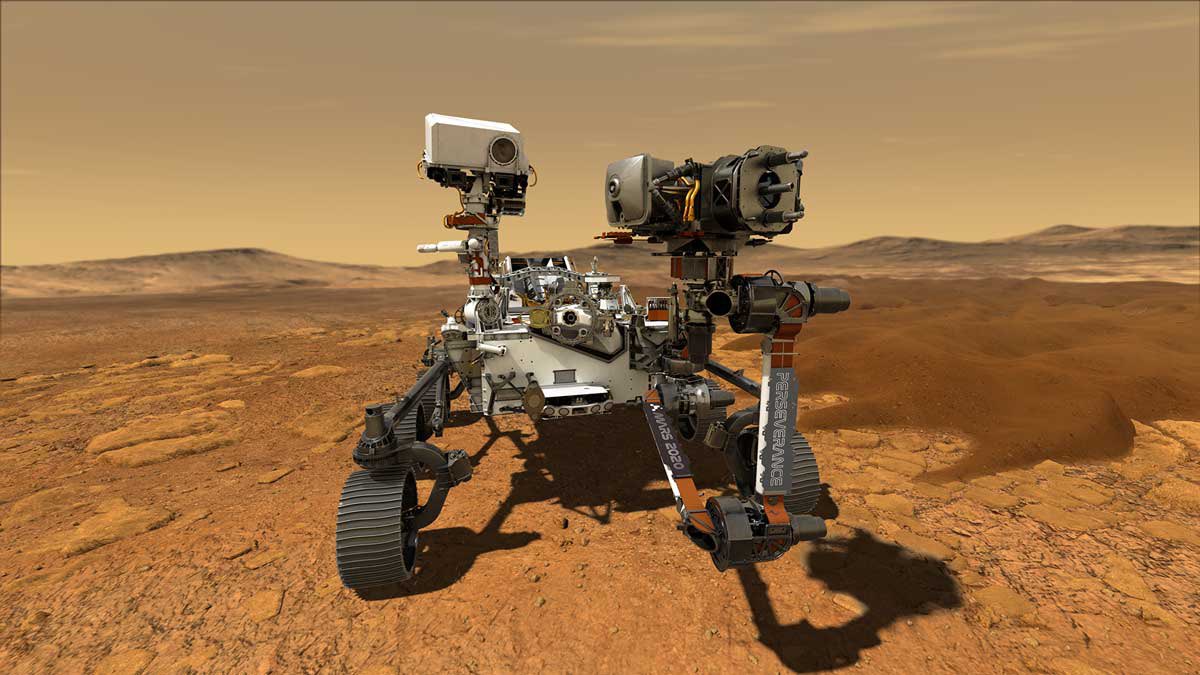
>NASA even runs FFmpeg on the Perseverance rover on Mars 🚀
>In 2003, built QEMU alone ~ the foundation of every Android emulator and most cloud virtualization on Earth
>Wrote the Tiny C Compiler. Self-hosting. >One of the fastest C compilers ever built.
>In 2009, broke the world record for calculating Pi ~ 2.7 trillion digits on a single desktop PC
>Won the International Obfuscated C Code Contest 3 times
>Discovered a new mathematical formula to calculate digits of Pi at age 25
>Co-founded Amarisoft in 2012 ~ runs full 4G/5G base stations entirely in software on a normal PC 🔥
>Won the Google-O’Reilly Open Source Award
>Never worked at Google. Never worked at Meta. Never worked at any Big Tech company.
One man. The hidden backbone of modern computing.
Absolute Legend 🐐
NASA just quietly published something incredible.
A map of how we build a permanent human presence off Earth.
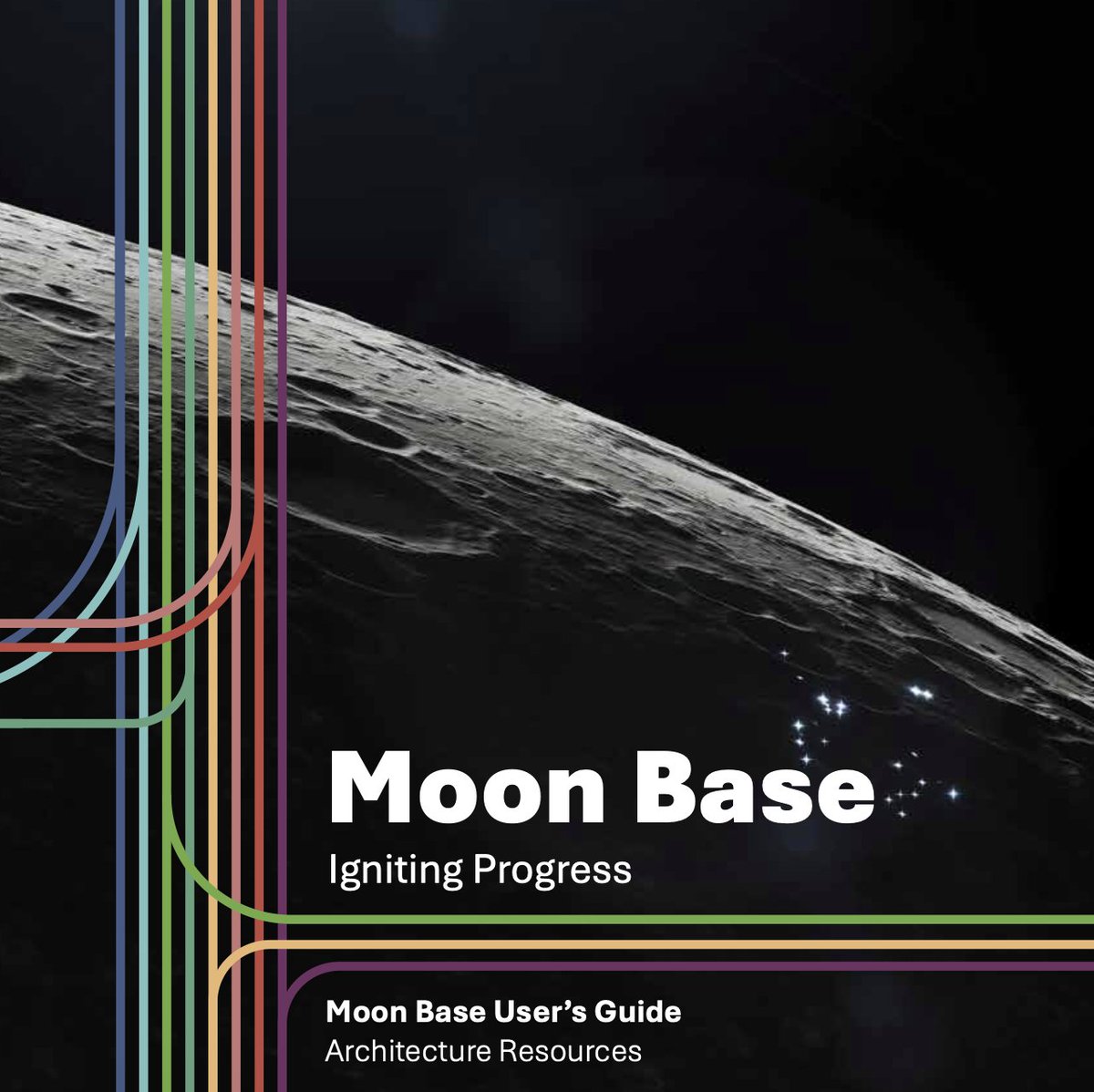
It’s called the Moon Base User’s Guide.
Here's what's in it! 🧵
Okay, today was a big day for NASA with a ton of updates to our plans with the Moon.
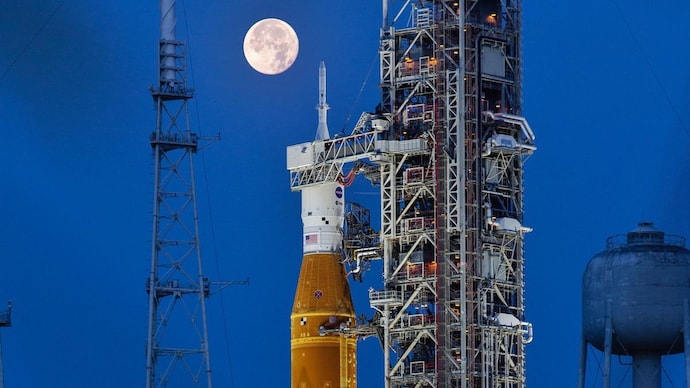
First, the $20 billion Moon base is official. It'll go in three phases, starting with robotic deliveries and rovers, then semi-habitable infrastructure, and finally, a permanent base. The plan is to have the moon base established by the early 2030s... we'll see how that rolls.
To make this work, they're putting the planned lunar space station on pause. Which I honestly think this is the right call. We need to first establish a permanent presence on the Moon. In my opinion, it would make more sense to then launch a lunar space station from the Moon instead of sending it all the way from here.
Artemis II is still targeting April 1 for launch. As I mentioned before, Artemis III (2027) will be an Earth-orbit launch that tests rendezvous and docking with SpaceX and Blue Origin landers, plus Axiom's new EVA suits. Artemis IV (2028) will be the first actual landing. And the cool thing is that after Artemis V, NASA wants to land every 6 months.
Okay, for me, THIS IS THE ONE. NASA announced Space Reactor-1 Freedom, which is the first nuclear-powered spacecraft using nuclear electron propulsion (NEP), will launch to Mars by the end of 2028.
SR-1 Freedom is just a demonstrator, so it won't be faster than chemical rockets this time. But it's going to prove that NEP is way more efficient and can move a lot more mass with far less fuel. But when this tech advances, it could make space travel up to 5 times faster than chemical rockets! That's Mars in weeks instead of months, and Titan in ~2 years instead of 7. Our next spaceflight breakthrough is right around the corner and this is INCREDIBLY EXCITING TO ME!! I've been waiting for NEP for such a long time.
This one's for all the Ingenuity fans!! When SR-1 Freedom gets to Mars, it'll deploy three Ingenuity-class helicopters called Skyfall to scout future landing sites for humans!
If this goes as planned, then it's going to be an incredible time to be alive.
Image: NASA
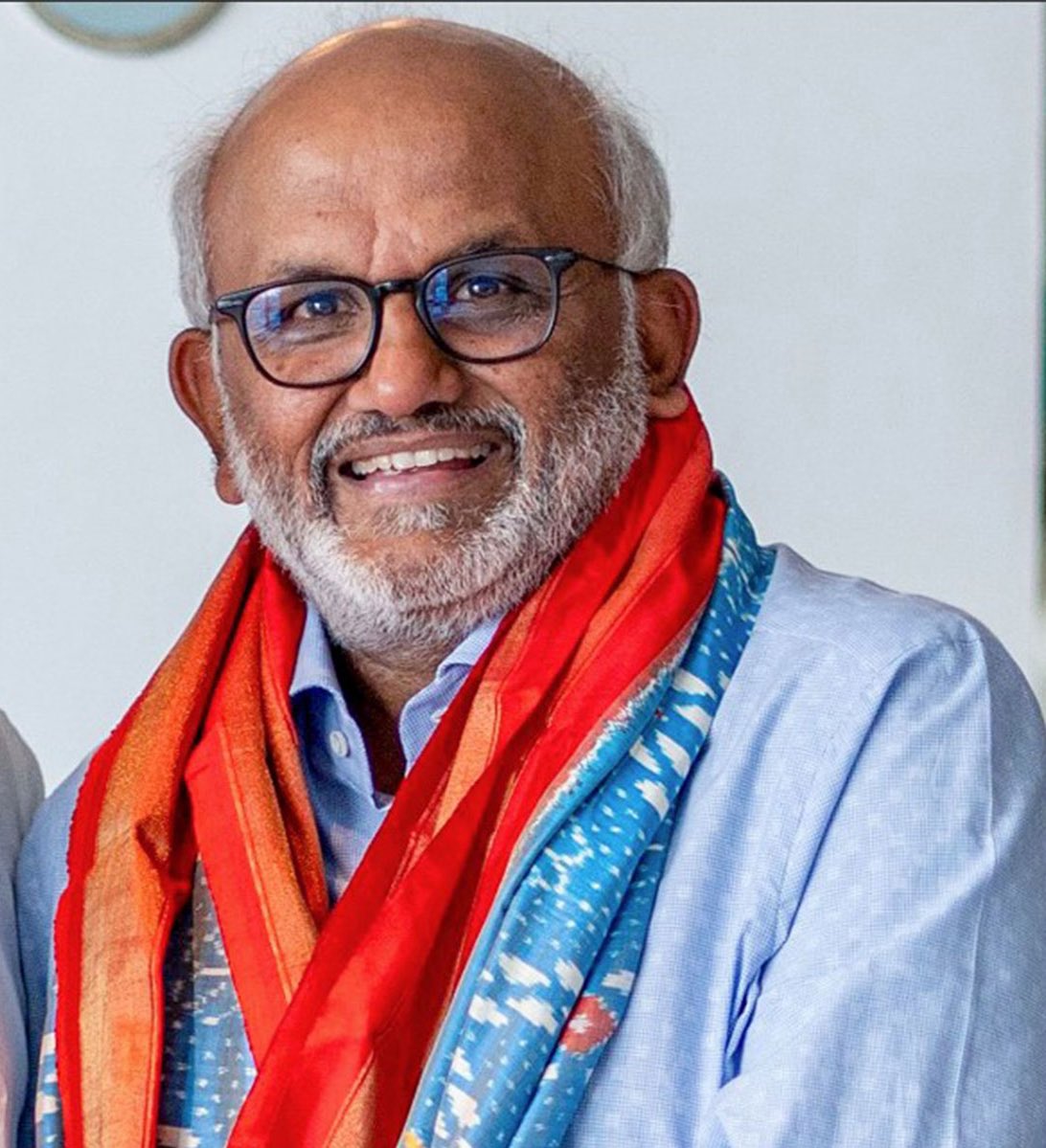
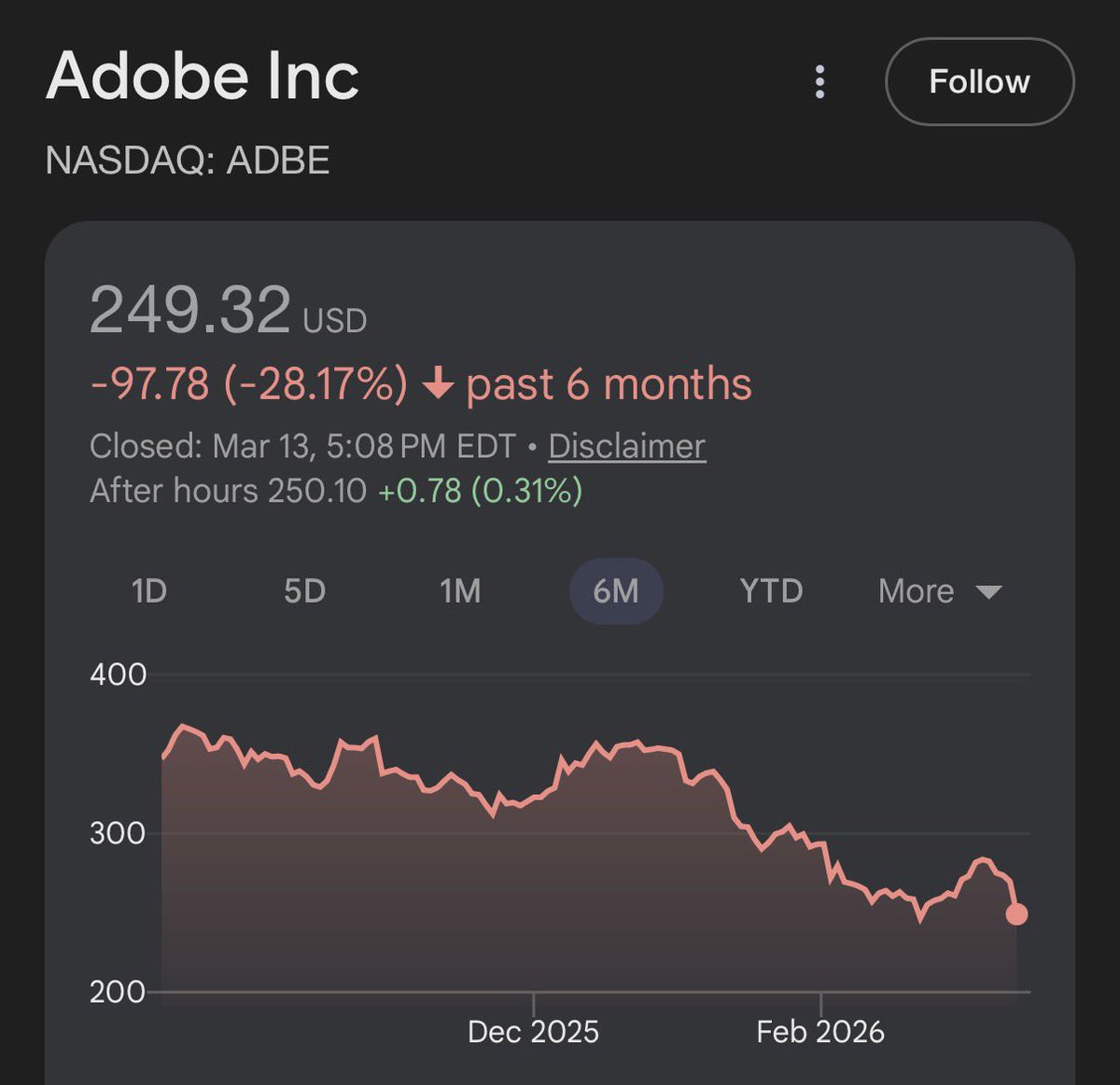
Adobe share price is in the toilet, and CEO Shantanu Narayen is stepping down after 18 years.
No news so far on whether he will be charged a cancelation fee.