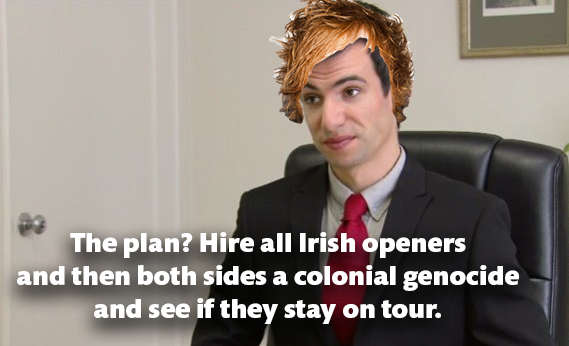
Abdul El-Sayed: “We are being actively bullied by the dumbest people in the room. Donald Trump is an idiot. He has one genius which is getting attention. Because his dad never gave him enough, because he was a nepo baby, he craved attention and used the bullying tactics to get it. But the man is an idiot. Just a fool”
We are currently living in a timeline where women can be thrown in jail for having an abortion, but seven men who gang rape a woman only have to write an essay to “think about what they did”.
A 36-year-old Costa Rican man whose family says he complained of missing insulin shots and meals to manage his diabetes is the third detainee to die in less than six months at an ICE facility in Louisiana. https://t.co/fQswZocwSP
New: In late 2024, FBI investigators had enough evidence to launch a sweeping bribery probe that could ensnare top lawmakers, including Sen. Susan Collins. Then Trump was reelected and eviscerated the FBI and DOJ teams handling public corruption probes. https://t.co/oCahGd4lgY
The Paramout surrender is a perfect distillation of Democratic politics:
1. Talk a big game
2. Fold despite having legal leverage and public opinion on their side
3. Empower conservative oligarchs who hate working people.
Great message to send right before the elections!
Hope this helps. I am a lawyer. Being undocumented and having a final order of removal is not a death sentence. Civil immigration violations do not justify the use of deadly force.
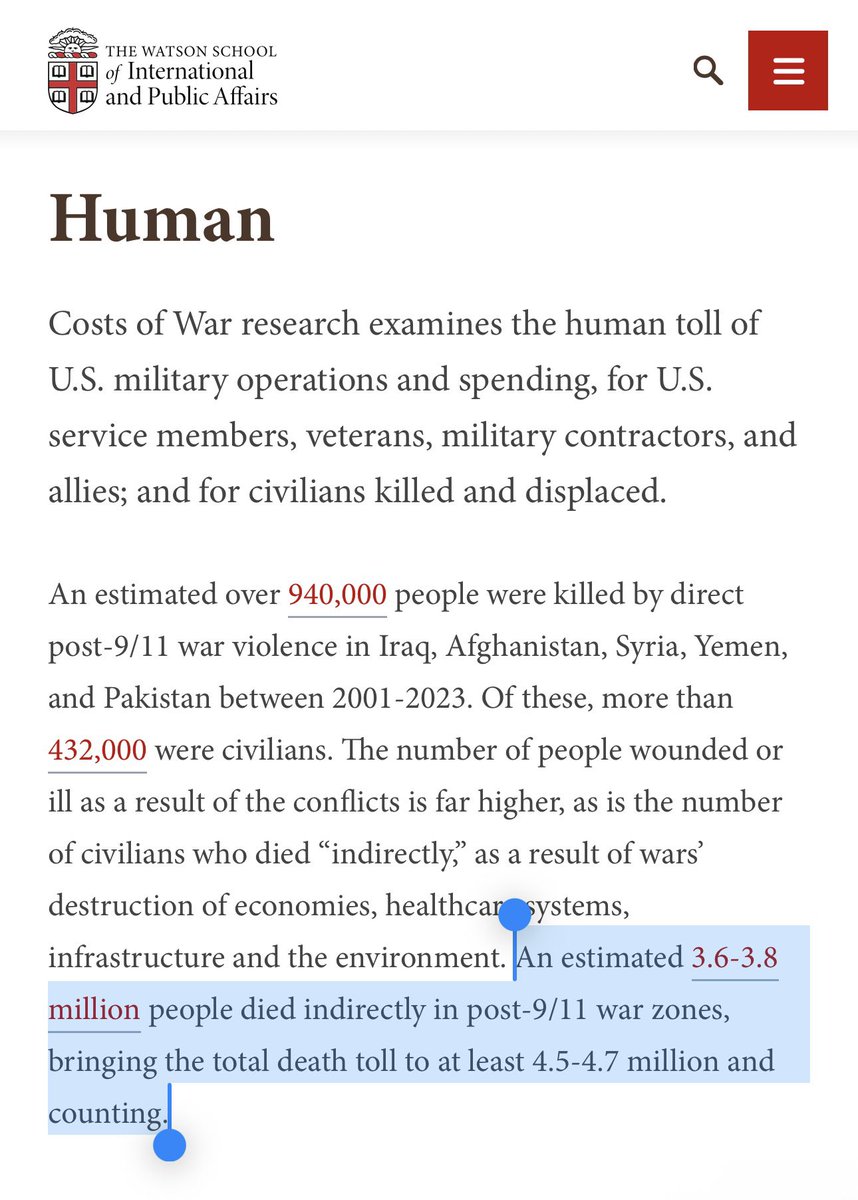
An estimated 4.5-4.7 million people were killed as a result of the various wars the United States started after 2,977 people were killed on September 11.
Brown University’s Costs of War project estimates 3.6–3.8 million of those deaths were indirect, caused by the destruction of economies, healthcare, infrastructure, and other effects of blockade and war.
The toll does not include post 2023 US-Israeli killings in Gaza, Lebanon, West Bank, Iran, Iraq, and Syria: roughly 90,000+ people as of September 17, 2026.
NEW from me in @guardian: A crew of elite shipwreck hunters from New Jersey dives the wrecks no one else can reach. Last summer, one of them didn't come home.
This is a love story. It's also a story about obsession, grief, and a woman who won't let go.
https://t.co/m3EQ1ZTmwi
Kanye West did a song titled Heil Hitler and is currently doing a concert tour, which has included multiple dates at Raymond James stadium in Tampa that has banned Macklemore for saying end the genocide & free Palestine
fucking absurd
Law enforcers already have authority to charge companies and their CEOs for creating and releasing dangerous, unvetted, or defective products. We shouldn’t let discussions about new legal regimes distract from the fact that there’s no AI exemption from laws already on the books — a point @FTC emphasized repeatedly during my tenure.
1. There is an extensive set of laws that govern dangerous and defective products. For example, releasing unvetted AI models or agents can violate consumer protection laws. Shipping flawed AI tools without implementing adequate measures to detect and stop rogue or defective AI agents can be an “unfair or deceptive” act or practice under the FTC Act (and analogous state laws). And some state AGs are already exploring holding AI firms and their CEOs criminally liable when their models participate in criminal activity.
2. Existing laws also prohibit “unfair methods of competition.” This covers instances where AI firms appropriate the competitively sensitive information of their customers, including through tracking their use of various tools. It can also cover instances where firms pursue dangerous behavior, aware that doing so may compel rivals to do the same.
As the Supreme Court has noted: “A method of competition which casts upon one's competitors the burden of the loss of business unless they will descend to a practice which they are under a powerful moral compulsion not to adopt, even though it is not criminal, was thought to involve the kind of unfairness at which the [unfair methods of competition] statute was aimed."
3. The highly concentrated and interconnected structure of these markets could be creating major risks and conflicts of interest. We had started investigating these partnerships and cross-investments across the stack (and released a preliminarily overview of some findings: https://t.co/jJ5cS3Pin3).
Both federal and state enforcers should be scrutinizing these opaque relationships and inter-dependencies. We are already seeing how these relationships could undermine accountability. For example, OpenAI could face liability given the Hugging Face incident, but Hugging Face being bought up by Nvidia means that we’re unlikely to see it file a lawsuit over this — given Nvidia’s strong incentive to see OpenAI continue full speed ahead.
4. As AI tools dramatically change the landscape of cybersecurity risks and hacks, all businesses should be doubling down on having core security protections in place. Firms that fail to invest in adequate data security measures or fix known vulnerabilities can also be breaking the law. A recent analysis showed that around 1/3 of Fortune 100 companies do not even have a way to notify them about security issues. During my @FTC tenure, we sued firms for poor data security practices and held CEOs liable when they were personally responsible.
https://t.co/nwZ5Av8fOK
https://t.co/KjRye8y9SY
5. As policymakers consider new legal regimes, we should be looking to lessons from prior efforts to govern major sectors, such as banking and other networks, platforms, and utilities. Tools like structural separations, nondiscrimination, and supervision could be key, and there’s a rich history of what works and what doesn’t. But we can and must pursue any new efforts alongside enforcing existing laws.