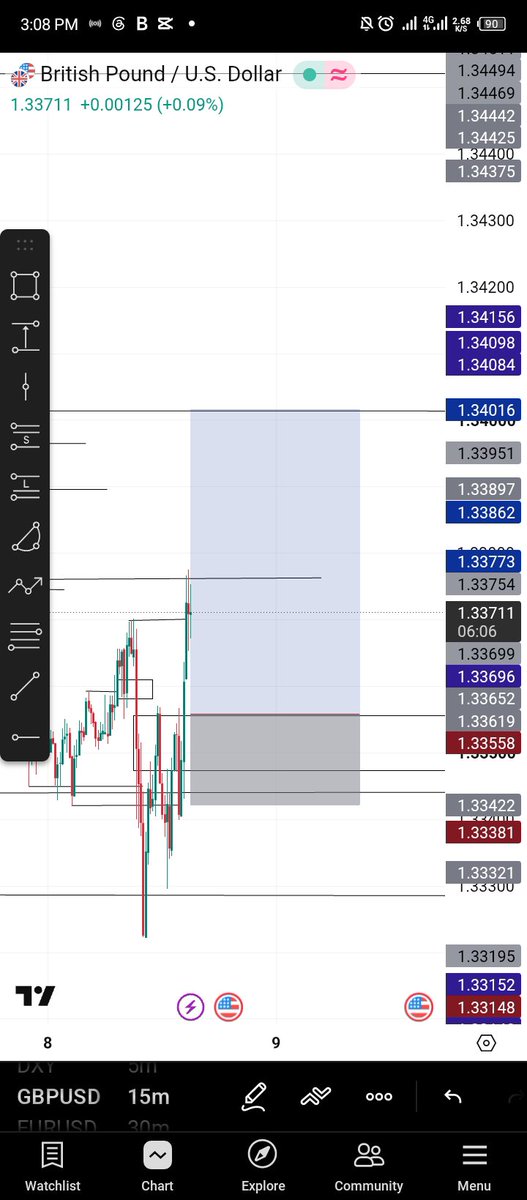
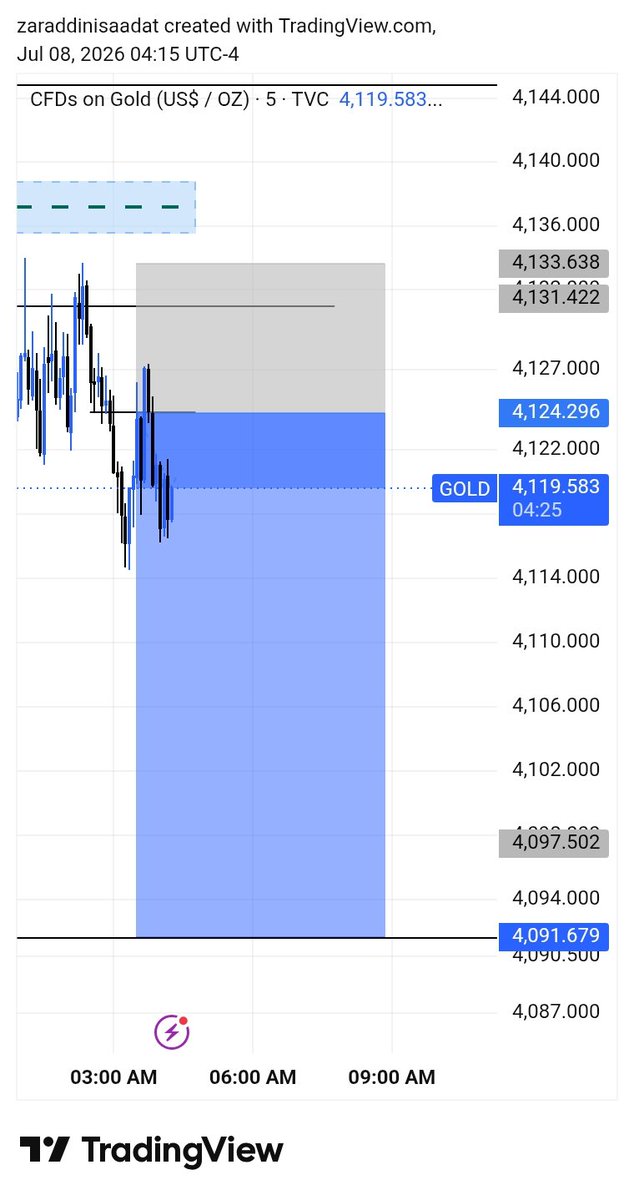
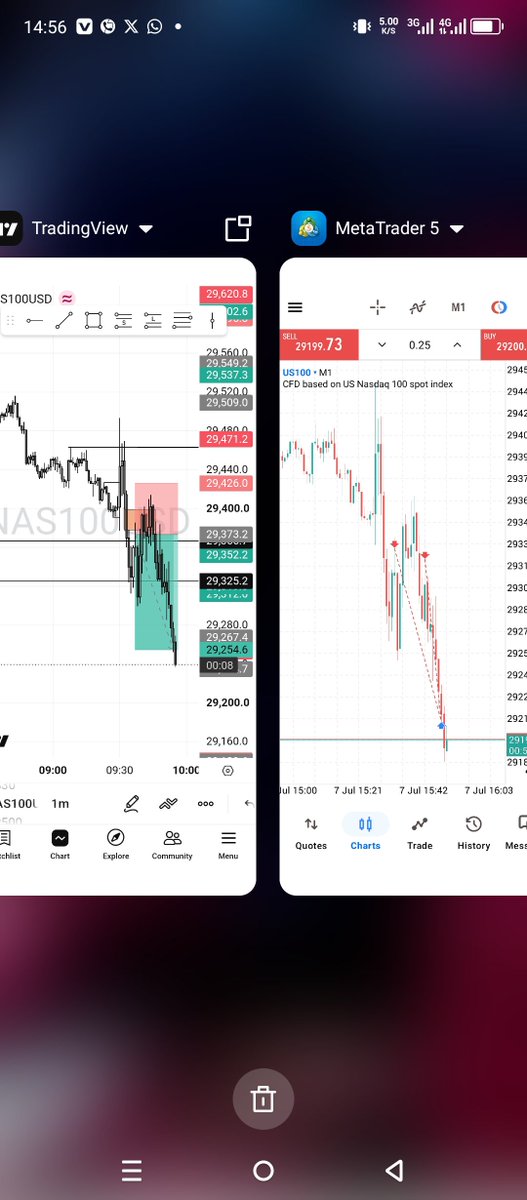
The question isn't "How much can I make?"
It's "How much can I afford to lose?"
Here's why... 👇
Many traders ask:
"How much can I make?"
Professionals ask:
"How much can I lose?"
That single difference changes everything.
If protecting your capital isn't your first priority, eventually the market will teach you why it should be.
Never risk money you're not comfortable losing.
Survival comes before success.
Small consistent gains beat one big risky trade.
Remember:
If you protect your account...
The opportunities will keep coming.
What's your risk percentage per trade?
BFI FOOTPRINTS 👣
"A missed entry is always better than a forced loss. The market will always create another opportunity, but discipline is what keeps you in the game. Patience pays. 📈💯 #Forex#FundedTrader#Discipline#TradingMindset"
Everyone is talking about what AI agents will be able to do.
I'm more interested in what they should be allowed to do.
1. If AI can one day monitor markets, execute trades, and move funds, trust becomes the most important feature, not intelligence.
2/
A powerful AI isn't enough.
Before I'd trust an AI with my portfolio, I'd want clear safeguards:
✅ Self-custody of my assets.
✅ User-defined spending and trading limits.
✅ Transparent logs of every action.
✅ The ability to approve or revoke permissions at any time.
3/
The future of agentic finance shouldn't be about giving AI unlimited control.
It should be about building systems where users stay in charge while AI handles the heavy lifting.
Automation without accountability isn't innovation.
4/
Verification matters just as much as intelligence.
Every action an AI takes should be:
• Explainable
• Auditable
• Permission-based
• Easy to verify
That's how confidence is built.
5/
The real question isn't:
"Can AI manage money?"
It's:
"Can AI earn our trust ?"
The projects that solve trust, transparency, and user control will define the next generation of on-chain finance.
6/
That's why conversations around secure AI agents and verifiable execution are so important.
As AI becomes more capable, user protection, transparency, and self-custody must remain at the center of agentic finance.
What would make you trust an AI with your money?
Join the Quant AI whitelist 👇
https://t.co/r1fbHNDVM7
@tryquantio #QuantAIPioneers
The U.S. military says it carried out a new wave of airstrikes on more than 80 Iranian military targets, including air-defense systems, command centers, missile facilities, and naval assets near the Strait of Hormuz. �
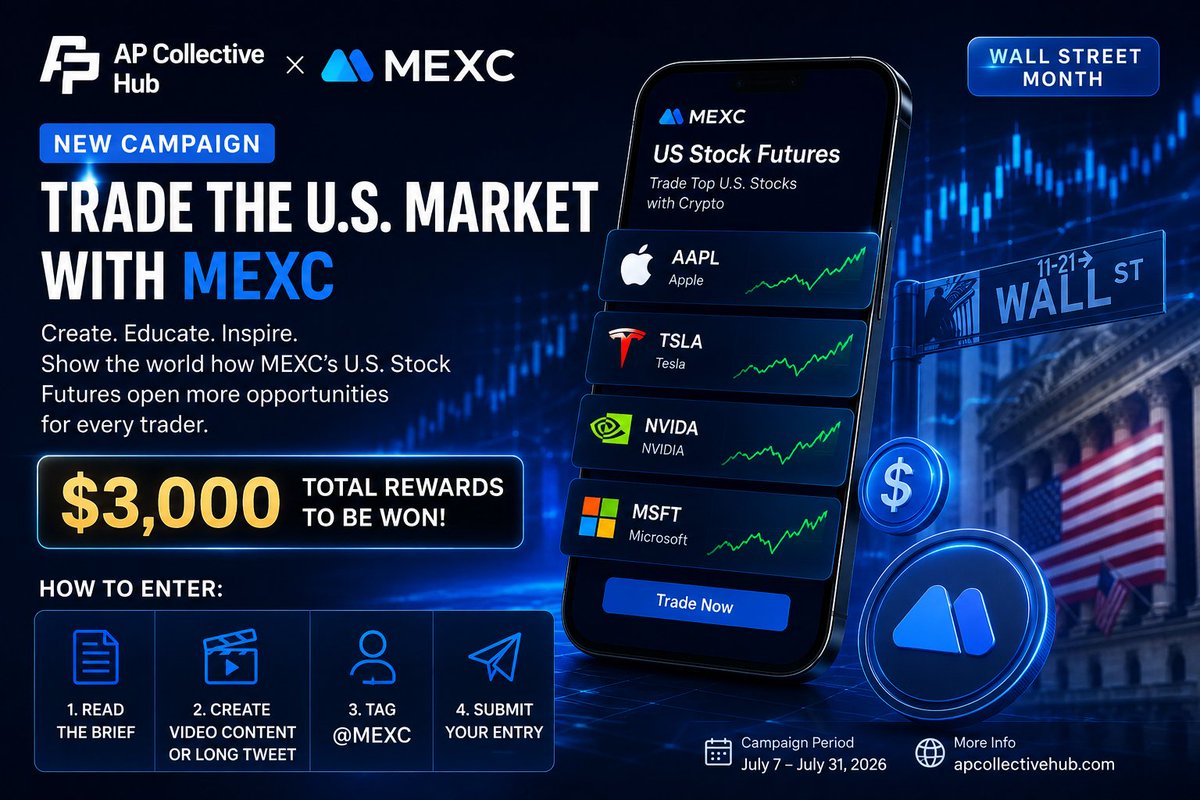
Wall Street isn't just for traditional brokers anymore.
1/
Crypto traders can now gain exposure to major U.S. stocks without leaving the crypto ecosystem.
Here's why @MEXC's U.S. Stock Futures are one of the most interesting bridges between TradFi and crypto. 👇
2/
Most crypto traders already understand perpetual futures.
MEXC applies a familiar trading experience to U.S. stocks.
Instead of buying shares directly, you're trading futures that track the price movement of companies like:
• NVIDIA
• Apple
• Tesla
• Microsoft
• Amazon
• Google
…and more.
3/
The biggest difference?
You don't need a traditional brokerage account.
You can use USDT as collateral and participate in U.S. stock price movements from the same platform you already use for crypto trading.
4/
Why does this matter?
Because markets are becoming increasingly connected.
AI stocks influence crypto sentiment.
Tech earnings move Bitcoin.
Macro news affects both equities and digital assets.
Having both markets available from one trading environment reduces friction.
5/
Another advantage is flexibility.
Unlike buying stocks outright, futures allow traders to:
✅ Go Long
✅ Go Short
✅ Use leverage (where available)
This means opportunities can exist in both rising and falling markets, but leverage also increases risk, so proper risk management is essential.
6/
MEXC has continued expanding the product.
Recent upgrades introduced:
• More supported U.S. stock contracts
• 24/7 trading on many products
• Copy Trading support
• Grid Trading
• Cross & Isolated Margin
• Higher leverage on eligible contracts
7/
For active traders, this creates an interesting workflow:
Morning:
📈 Trade crypto.
During earnings season:
📊 Trade NVIDIA or Tesla futures.
Weekend:
📉 Monitor crypto without switching platforms.
Everything becomes part of one trading strategy.
8/
Of course, futures aren't for everyone.
They amplify both gains and losses.
Before trading:
• Understand leverage.
• Manage position size.
• Use stop-losses.
• Never trade with funds you can't afford to lose.
Education should always come before execution.
9/
Wall Street and crypto are no longer separate conversations.
Capital flows between both every day.
Products like MEXC U.S. Stock Futures make that connection easier to access, giving traders another way to respond to global market events from a crypto-native platform.
10/ End
Innovation isn't about replacing traditional finance.
It's about making financial markets more accessible, more connected, and more flexible for a global generation of traders.
What U.S. stock would you trade first on @MEXC ?
#WallStreetMonth #MEXC @APCollectiveHub@MEXC