A simple project that’s sure to light up every child’s eyes! Made using a LED, popsicle stick, binder clip, copper/ Alu tape and wire. https://t.co/0jJWBTdR39 @EiE_org @iste @ScrappyCircuits@dailystem
Don't keep your best strategies to yourself, share them at #ISTELive 27!
Bring what’s working in your classroom or district to Boston and inspire educators nationwide.
Submit your proposal by Sept. 30 👇
https://t.co/5UWtOqbAl0
Share this with your kids. “What’s happening?” What, where, why and how about dog microchipping would be such an interesting STEM discussion. Here’s an article about it. He’s our dog, Pebbles :) https://t.co/Myg5X1krn2 @ToddLaVogue@robertsSTEMlab@aslan_magic@kcollazo
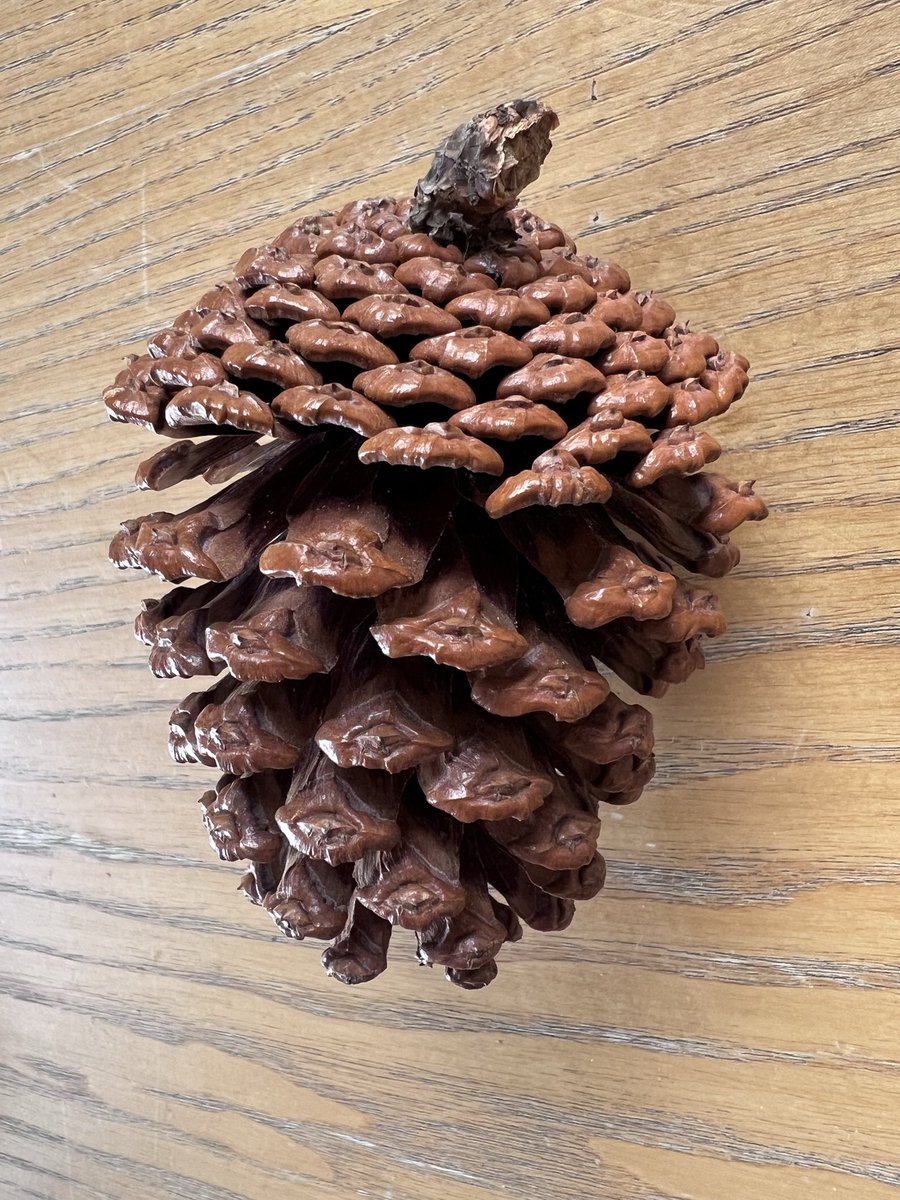
Have you seen the seeds inside a pine cone? Today, I did. @dailystem@ToddLaVogue@BrownDogGadgets Wouldn’t it be wonderful to know how to light up these cones DIY?
My daughter got some yummy buns after her baking class yesterday. Today, before throwing the empty box, I asked her to identify the plastic. Styrofoam (XPS)or polystyrene (EPS)? Tell your students to identify and test! @dailystem#stem https://t.co/dUhPw9KMN9
Switching to red netting can reduce pesticide use by up to 50%, offering farmers a simple, highly effective, and eco-friendly way to protect crops.
While most farmers use black or white insect nets, new research from Japan shows that changing the color to red dramatically improves pest control. A study by researchers at the University of Tokyo found that red nets are far more effective at deterring onion thrips, a major destructive pest, than traditional black or white nets.
The secret lies in how insects see color. Thrips perceive red as a strong deterrent, which disrupts their visual cues and prevents them from landing on or damaging the plants. Because the protection comes from color rather than fine mesh size, red nets can use larger openings. This allows better airflow, reduces heat buildup, lowers humidity (which helps prevent plant diseases), and makes working conditions more comfortable for farmers.
Field trials showed that crops protected with red netting required 25% to 50% fewer insecticide applications compared to uncovered fields.
This low-tech “optical pest control” method could help reduce chemical use, slow the development of pesticide resistance, and support more sustainable agriculture.
[Tokumaru, S., Tokushima, Y., Ito, S., Yamaguchi, T., & Shimoda, M. (2024). Advanced methods for insect nets: red-colored nets contribute to sustainable agriculture. Scientific Reports, 14, 52108.
DOI: 10.1038/s41598-024-52108-1]
Transforming education means creating opportunities that were never possible before. ✨
ISTE Board Member Carla Jefferson breaks down how innovation enhances the work of both educators and students to build stronger citizens.
What new doors are you opening for your learners?
💥 Download a free hands-on STEM activity that can help you get to know your students and observe how they approach problems, work with others, and learn from mistakes.
⬇️ Download the free engineering warm-up challenge: https://t.co/zyzCQsCc9H
#BackToSchool#K12STEM#STEMEd