🚨President Trump just made a powerful national security move by signing a major initiative on quantum technology and cybersecurity straight from the Oval Office.
This bold step shows America is refusing to lose ground in the race for future technological supremacy.
The action frames these breakthroughs as essential investments that will protect the nation while cementing U.S. dominance in a game-changing field.
It cuts through the noise and delivers real leadership where it matters most for long-term strength.
Our Chief White House Correspondent Gary Franchi Reports @nextnews@TrumpDailyPosts
#USDJPY 📈🔥
Moved exactly as expected — +1,441 pips in profit! 🎯
Setup was shared here early on May 13. Did you catch the move? 👀
Every setup shared here has value. 💎
⚡ The next high-probability setup is loading...
👍 Like • 🔄 Share • ➕ Follow
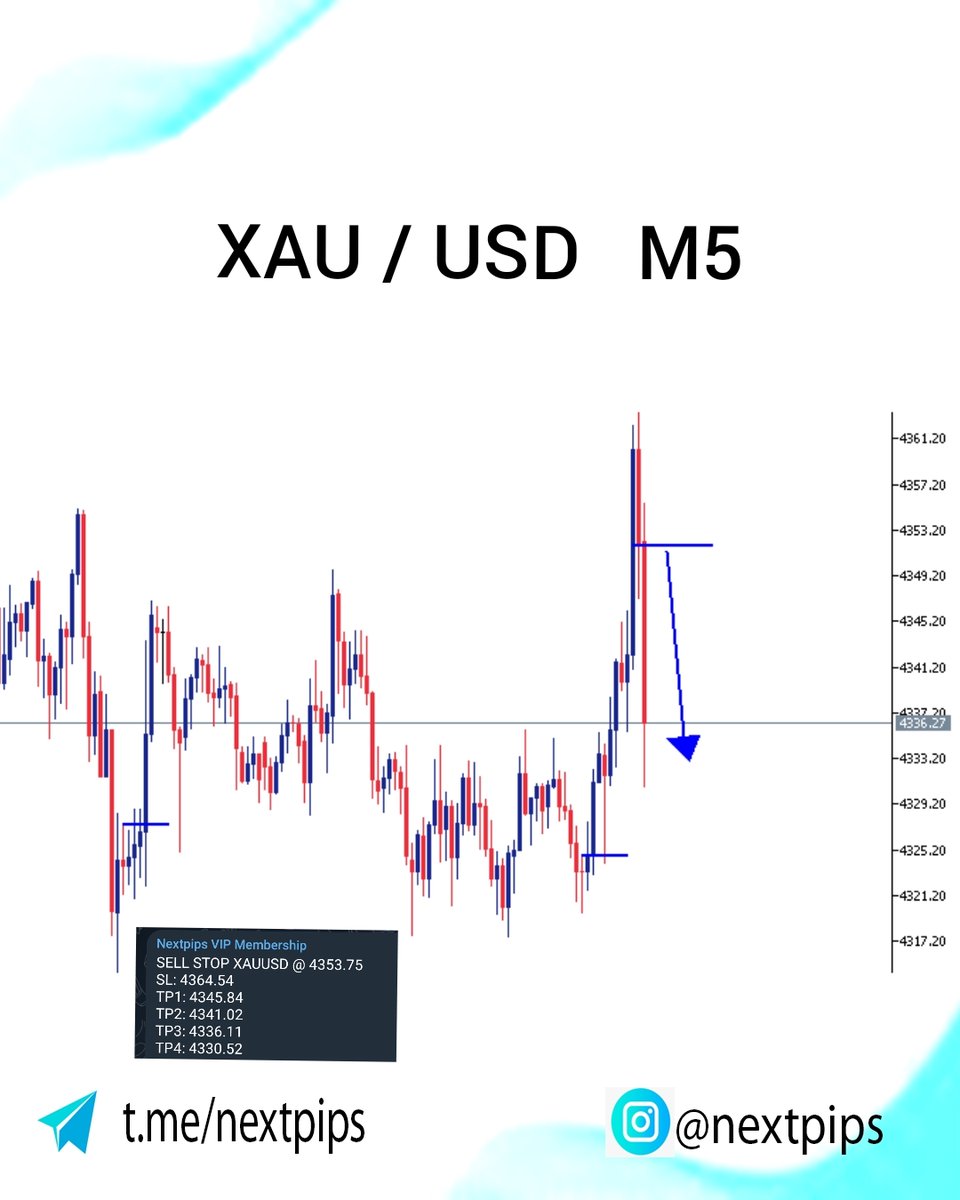
#XAUUSD 🚨💰
⚡ +200 Pips Secured in Seconds! 🔥
💎 VIP Members In Early
🎯 Sniper Entries
🏆 100% Win Rate Last Month
The market doesn't wait. Neither do we.
🚀 More GOLD setups loading...
👍 Like • 💬 Comment • 🔄 Share
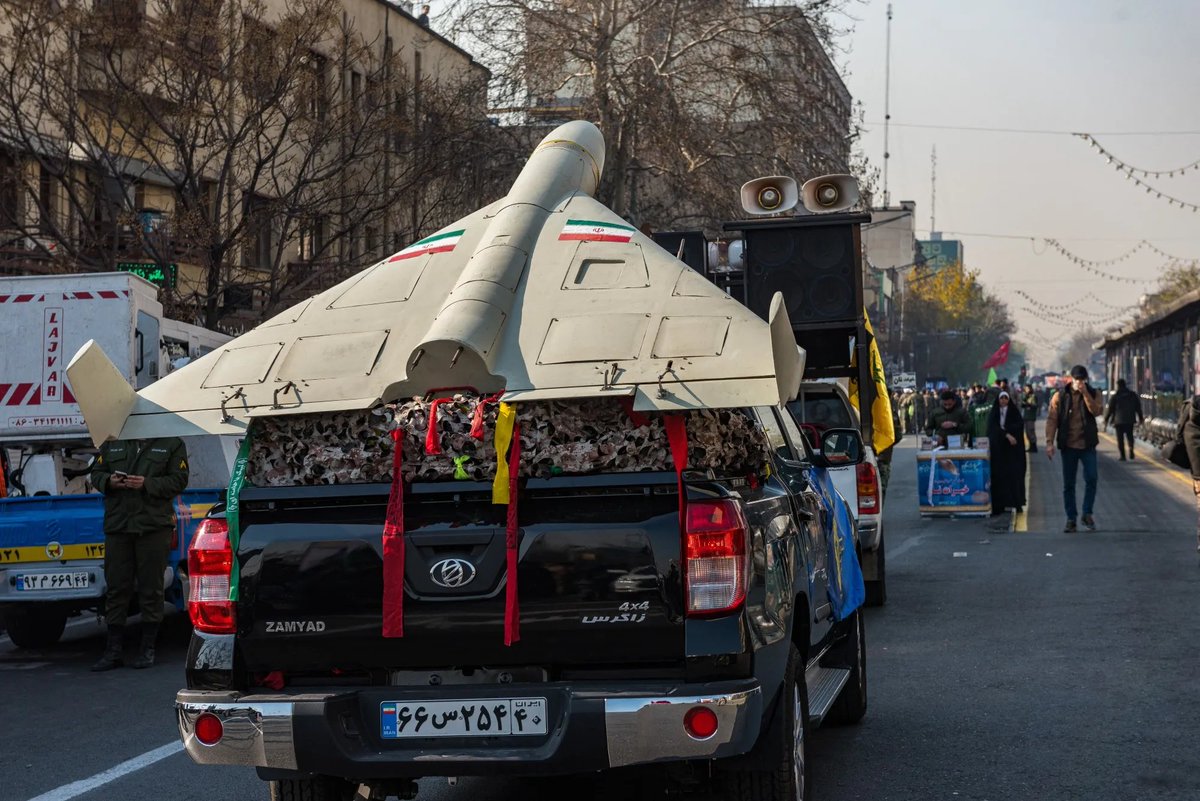
IRAN’S SHAHED DRONE PRODUCTION SLOWS BUT STOCKPILES REMAIN
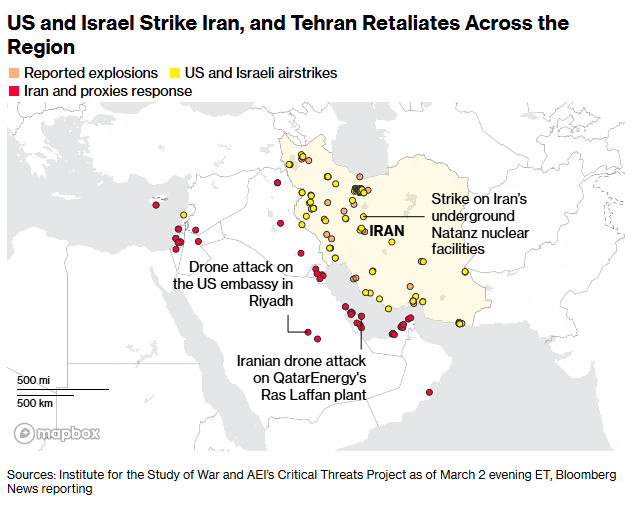
Iran’s production of Shahed-136 drone has slowed due to U.S. and Israeli strikes, but existing stockpiles remain and new drones can be made using simple components. Over 2,100 Shaheds have been fired, damaging oil infrastructure, airports, and military equipment.
While Israel’s defenses have intercepted many, the drones’ sheer numbers strain interceptor supplies. Shaheds are easy to launch with minimal infrastructure, unlike ballistic missiles, whose production is now nearly halted. The Strait of Hormuz remains a key target for Iranian attacks, including drones and mines, threatening global oil flows.
HORMUZ SHIPPING NEARLY HALTED
The Strait of Hormuz is effectively closed to most vessels as the Middle East conflict enters its second week.
Inbound traffic to the Persian Gulf has been at a standstill for the past 24 hours, with only Iran-linked ships continuing to pass.
ARAMCO EYES RED SEA OIL ROUTE TO BYPASS BLOCKED HORMUZ
Saudi Aramco is urgently exploring plans to export more crude via its Red Sea port of Yanbu to sidestep the effectively closed Strait of Hormuz.
The world’s biggest oil exporter normally ships most cargoes from Persian Gulf terminals, but last weekend’s strike has left dozens of vessels stranded. Aramco’s 5-million-barrel-a-day east-west pipeline can now divert oil straight to the Red Sea.
The company has already asked Asian buyers and shippers to switch loadings to Yanbu, according to people familiar with the talks. It has also shut its giant Ras Tanura refinery after a drone strike, raising fears of full storage tanks and possible production cuts.
🇨🇳 China Bans Exports of Some Rare-Earth Processing Technologies
China accounted for more than two thirds of mined rare earths last year, and still hosts about 85% of global refining capacity, according to US government figures. The country also dominates supply of rare-earth magnets, the main product deployed in manufactured goods.
https://t.co/8ezif0usTA
The mystifying US bond market behavior could last all summer ... CNBC
The bond market is defying Wall Street forecasters, as long-term Treasury yields keep heading lower despite a strong economy and rising inflation.
https://t.co/xefHljO7qR
The US says #Libya commander Khalifa #Haftar has personally pledged to reopen the country's #oil sector, which has been all but shut down since January. Still no word from the man himself, but sources say exports could resume within a week. https://t.co/egQLGUnKGQ @S_Elwardany
@IIS_DSO Dear principal sir, please consider fees for the current term. Kindly reduce the fees, most of us are going through this tough time & fees reduction will offer some help.
Thanks